

Introduction: Uptime Is the Real Competitive Advantage
In modern parcel operations, uptime isn’t just a metric—it’s the backbone of profitability and customer satisfaction. Cross-belt sorting systems are engineered for high throughput, precision, and continuous operation. But even the most advanced system can become a bottleneck if maintenance is neglected.
For facilities running around the clock, reactive maintenance is not enough. Waiting for a failure to occur leads to costly downtime, missed service-level commitments, and cascading operational disruptions. Preventive maintenance, on the other hand, transforms reliability into a predictable, controllable outcome.
This guide provides a comprehensive preventive maintenance checklist tailored specifically for cross-belt sorters. It covers mechanical, electrical, and operational aspects to help ensure stable, 24/7 performance.
Understanding the Anatomy of a Cross-Belt Sorter
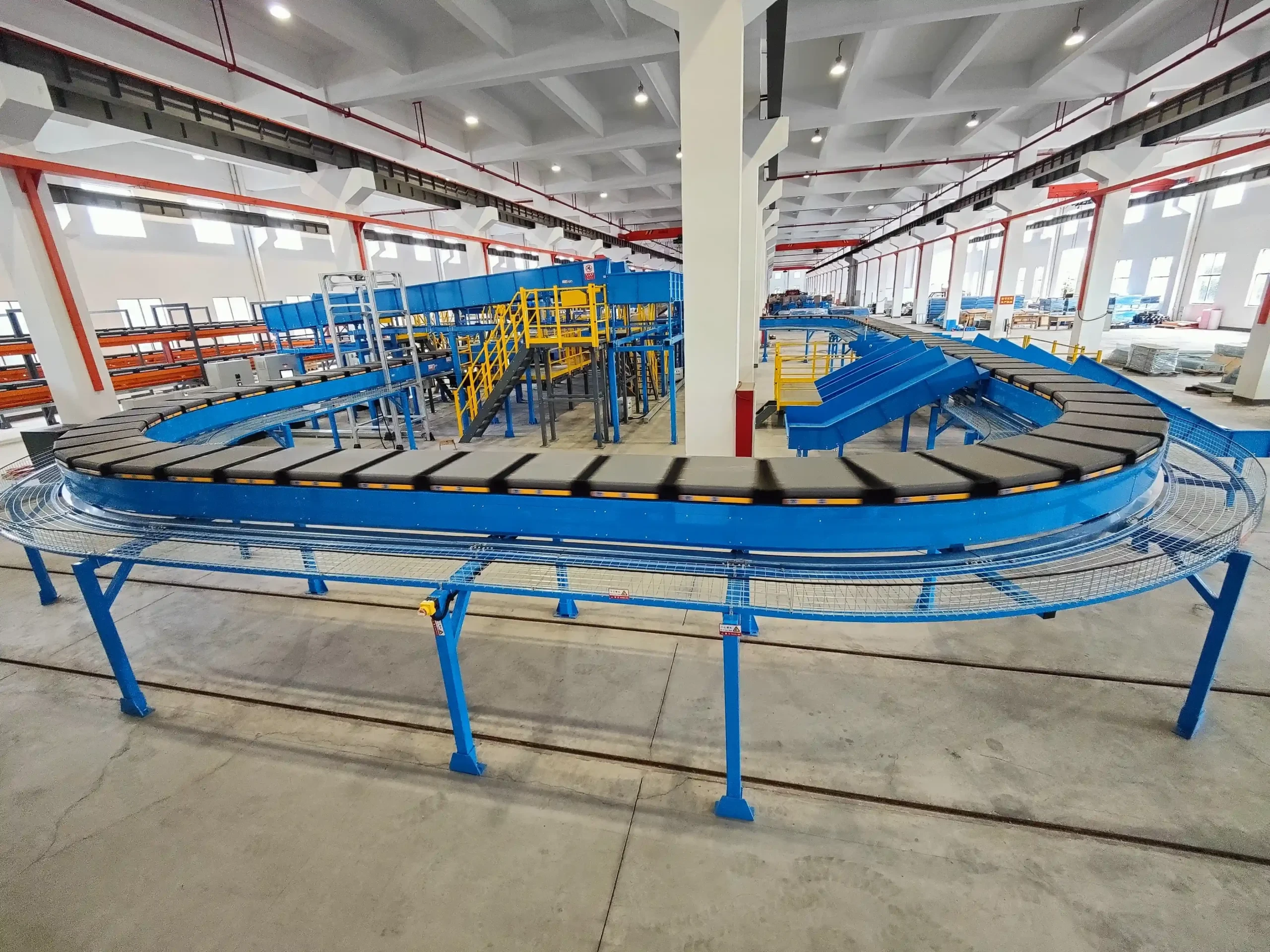
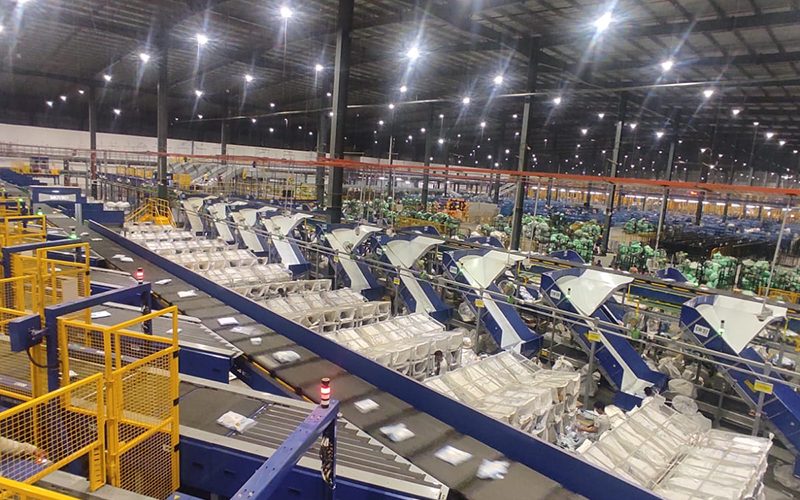
Before diving into maintenance tasks, it’s essential to understand the key components involved:
- Carriers: Moving units equipped with small conveyor belts
- Track system: Guides carrier movement
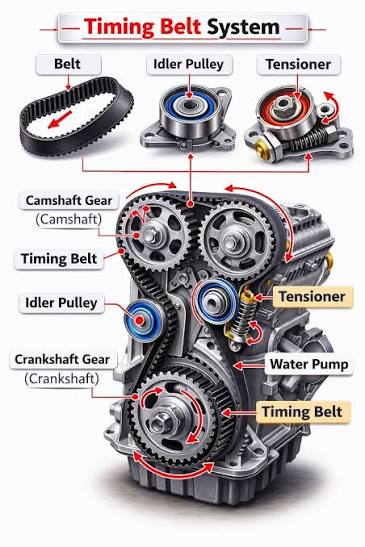
- Drive system: Motors and belts powering the loop
- Cross belts: Individual conveyors on each carrier
- Sensors and scanners: Detect parcels and destinations
- Control system: Software and PLCs managing operations
Each component plays a critical role—and each requires targeted maintenance.
Why Preventive Maintenance Matters
Preventive maintenance delivers measurable benefits:
- Reduces unplanned downtime
- Extends equipment lifespan
- Maintains sorting accuracy
- Improves safety
- Optimizes energy efficiency
For 24/7 operations, even a short disruption can ripple across the entire logistics network. Preventive care minimizes those risks.
Daily Maintenance Checklist
Daily checks are your first line of defense. These tasks are quick but critical.
1. Visual Inspection of the System
Walk the entire sorter line and look for:
- Loose components
- Unusual wear patterns
- Debris buildup
- Misaligned carriers
Early detection prevents small issues from escalating.
2. Listen for Abnormal Sounds
Operators should be trained to recognize:
- Grinding noises
- Squeaking belts
- Irregular motor sounds
These often indicate lubrication issues or mechanical wear.
3. Clean Critical Areas
Dust and debris are silent system killers.
Focus on:
- Sensor lenses
- Barcode scanners
- Cross-belt surfaces
- Track grooves
Clean surfaces ensure accurate scanning and smooth operation.
4. Check Emergency Stops and Safety Devices
Verify that:
- Emergency stop buttons are functional
- Safety guards are properly positioned
- Light curtains (if installed) are operational
Safety failures can lead to serious incidents and downtime.
5. Monitor System Performance Metrics
Review key indicators such as:
- Throughput rate
- Sorting accuracy
- Error logs
Sudden changes may signal underlying issues.
Weekly Maintenance Checklist
Weekly maintenance goes deeper into system performance and component health.
1. Inspect Cross Belts
Check each carrier’s belt for:
- Wear and tear
- Fraying edges
- Proper tension
Replace or adjust as needed to maintain consistent performance.
2. Lubricate Moving Parts
Proper lubrication reduces friction and extends component life.
Focus on:
- Bearings
- Chains
- Drive components
Use manufacturer-recommended lubricants only.
3. Verify Sensor Alignment and Calibration
Misaligned sensors can cause sorting errors.
Ensure:
- Sensors are securely mounted
- Alignment is correct
- Calibration meets system standards
4. Inspect Electrical Connections
Look for:
- Loose wiring
- Corrosion
- Heat damage
Electrical issues are a common source of unexpected failures.
5. Test Backup Systems
If your sorter includes redundancy features:
- Verify backup motors or power supplies
- Ensure failover systems activate correctly
Monthly Maintenance Checklist
Monthly tasks focus on deeper inspection and system optimization.
1. Check Drive System Components
Inspect:
- Motors
- Gearboxes
- Drive belts
Look for signs of overheating, vibration, or wear.
2. Measure Belt Tension and Alignment
Improper tension can lead to:
- Reduced efficiency
- Increased wear
- Belt failure
Use proper tools to ensure precise adjustments.
3. Inspect Carrier Wheels and Bearings
Carriers are constantly in motion.
Check for:
- Smooth rotation
- Noise
- Wear on wheels
Replace worn components before failure occurs.
4. Review Software Logs and Updates
Analyze system data for:
- Recurring faults
- Performance trends
Apply software updates or patches as recommended.
5. Deep Clean the System
Conduct a thorough cleaning of:
- Hard-to-reach areas
- Internal compartments
- Under-track zones
This prevents long-term buildup that can affect performance.
Quarterly Maintenance Checklist
Quarterly maintenance ensures long-term system stability.
1. Conduct Full System Alignment Check
Verify:
- Track alignment
- Carrier positioning
- Structural integrity
Misalignment can reduce efficiency and increase wear.
2. Perform Load Testing
Simulate peak conditions to:
- Evaluate system performance
- Identify weak points
- Validate throughput capacity
3. Inspect Structural Components
Check frames and supports for:
- Cracks
- Corrosion
- Fatigue
Structural issues can compromise safety and reliability.
4. Audit Safety Systems
Conduct a full review of:
- Emergency protocols
- Safety devices
- Compliance standards
Annual Maintenance Checklist
Annual maintenance is your opportunity for a complete system overhaul.
1. Replace High-Wear Components
Proactively replace:
- Belts
- Bearings
- Seals
Even if they haven’t failed yet, replacement reduces risk.
2. Comprehensive Electrical Testing
Perform:
- Insulation testing
- Load testing
- Circuit verification
3. Upgrade Software and Control Systems
Evaluate opportunities to:
- Improve efficiency
- Enhance diagnostics
- Integrate new technologies
4. Vendor Inspection and Certification
Bring in system experts to:
- Conduct detailed inspections
- Certify system performance
- Recommend improvements
Predictive Maintenance: The Next Step
Preventive maintenance is powerful—but predictive maintenance takes it further.
Using Sensors and Data
Modern systems can monitor:
- Vibration
- Temperature
- Motor performance
This data helps predict failures before they happen.
Benefits of Predictive Maintenance
- Reduces unnecessary maintenance
- Prevents unexpected breakdowns
- Optimizes resource allocation
Common Failure Points to Watch
Even with maintenance, certain areas require extra attention:
Cross Belts
High usage leads to wear—monitor closely.
Bearings
Lack of lubrication or contamination can cause failure.
Sensors
Dust and misalignment affect accuracy.
Drive Systems
Overload and wear can lead to breakdowns.
Building a Maintenance Culture
A checklist alone isn’t enough. Culture matters.
Train Your Team
Ensure operators understand:
- Basic maintenance tasks
- Early warning signs
- Proper reporting procedures
Standardize Procedures
Create clear, documented workflows for:
- Inspections
- Repairs
- Escalations
Track Maintenance Data
Use logs to:
- Identify recurring issues
- Improve processes
- Support decision-making
Spare Parts Strategy
Having the right parts on hand is critical.
Stock Essential Components
Keep inventory of:
- Belts
- Sensors
- Bearings
- Motors
Plan for Lead Times
Some components may take weeks to replace. Plan accordingly.
Minimizing Downtime During Maintenance
Even preventive maintenance can disrupt operations.
Schedule Smartly
Perform maintenance during:
- Off-peak hours
- Planned downtime windows
Use Modular Design Advantages
Cross-belt systems often allow:
- Section-by-section maintenance
- Partial system operation
Environmental Considerations
Your operating environment affects maintenance needs.
Dusty Environments
Increase cleaning frequency.
Humid Conditions
Watch for corrosion and electrical issues.
Temperature Extremes
Monitor component performance under stress.
The Cost of Neglect
Skipping maintenance may seem like a short-term gain, but it leads to:
- Unexpected breakdowns
- Expensive emergency repairs
- Lost productivity
- Damaged reputation
Preventive maintenance is an investment—not an expense.
Future Trends in Maintenance
Automation and AI
Systems will increasingly:
- Diagnose themselves
- Recommend maintenance actions
- Optimize performance automatically
Remote Monitoring
Cloud-based platforms enable:
- Real-time tracking
- Remote diagnostics
- Faster response times
Conclusion: Reliability Is Built, Not Assumed
Running a cross-belt sorter 24/7 is a demanding task. It requires more than advanced technology—it requires discipline, planning, and consistent execution.
A well-structured preventive maintenance program ensures that your system operates at peak performance day after day. By following daily, weekly, monthly, and annual checklists, you can reduce downtime, extend equipment life, and maintain operational excellence.
In high-speed logistics, there is no margin for error. Every parcel, every scan, and every movement depends on system reliability.
And reliability doesn’t happen by chance—it’s the result of doing the small things right, every single day.