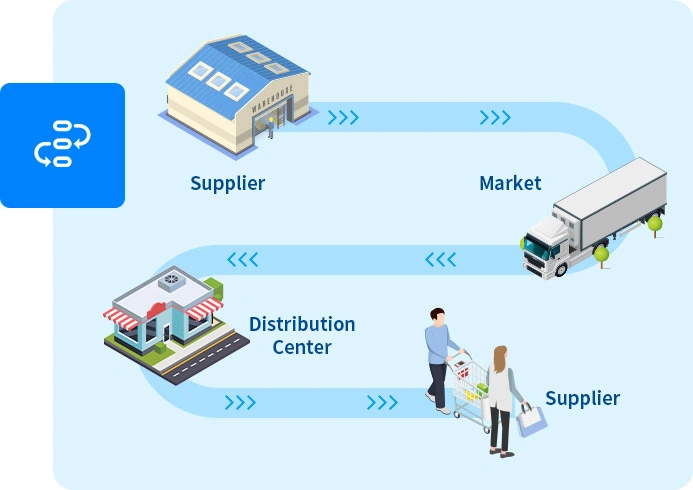
Cold chain logistics has become a critical backbone of modern supply chains, supporting industries ranging from fresh food and pharmaceuticals to biotechnology and specialty chemicals. As consumer expectations rise and regulatory requirements tighten, the need for precision, reliability, and speed in temperature-controlled environments has never been greater.
At the heart of many high-throughput distribution centers lies the sorting system—a pivotal component that determines how efficiently goods move from inbound to outbound channels. Among the various sorting technologies available, cross-belt sorting systems are widely recognized for their speed, accuracy, and flexibility. But how well do they perform in cold environments where temperatures can drop below freezing?
This article takes an in-depth look at the unique challenges of cold chain logistics and explores how cross-belt sorting systems adapt to low-temperature conditions. From material science and mechanical design to control systems and maintenance strategies, we’ll uncover what it takes to ensure reliable performance in the cold.
Understanding Cold Chain Logistics
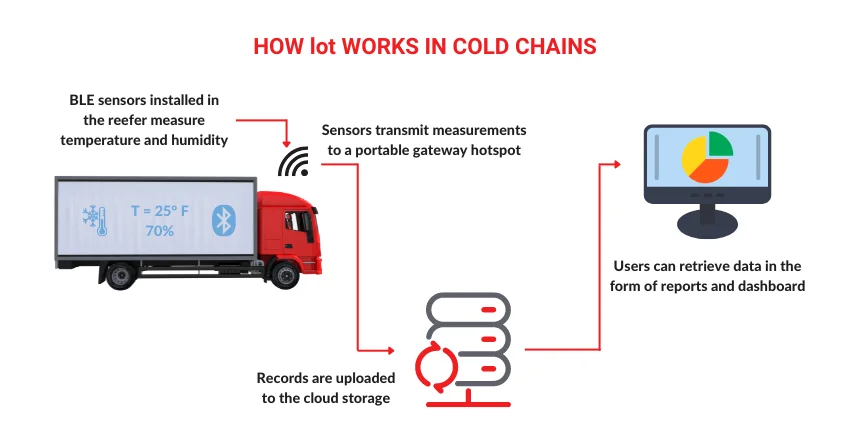
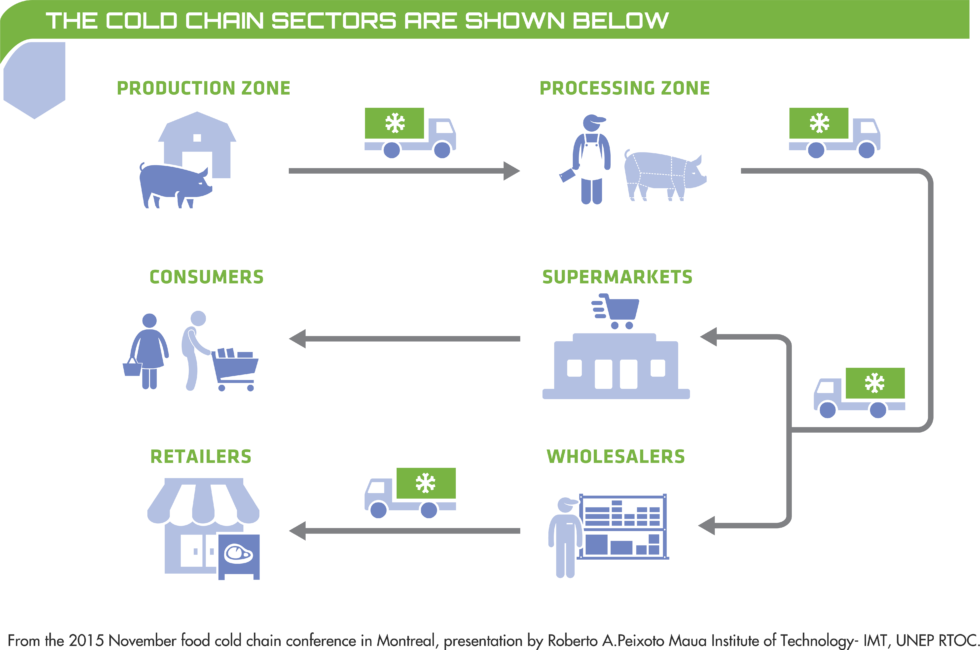
Cold chain logistics refers to the transportation and storage of temperature-sensitive products within a controlled environment. These products typically include:
- Fresh and frozen foods
- Dairy and meat products
- Vaccines and pharmaceuticals
- Biologics and specialty chemicals
Temperature ranges vary depending on the product:
- Chilled: 35°F to 46°F (2°C to 8°C)
- Frozen: 0°F to -4°F (-18°C to -20°C)
- Ultra-low: Below -40°F (-40°C)
Maintaining these temperatures consistently is essential to preserving product quality, safety, and compliance.
Why Sorting Is More Challenging in Cold Environments
Sorting systems in ambient warehouses already face high demands. In cold chain facilities, those demands are amplified by environmental stressors that affect both equipment and operations.
1. Material Brittleness
Low temperatures can make materials more brittle. Plastics, rubber components, and even certain metals may lose flexibility and become more prone to cracking or breaking under stress.
2. Lubrication Issues
Standard lubricants can thicken or solidify in cold conditions, leading to increased friction, reduced efficiency, and potential mechanical failure.
3. Condensation and Frost
When warm air enters a cold environment, condensation can form on equipment surfaces. This moisture can freeze, creating frost or ice buildup that interferes with moving parts.
4. Sensor Reliability
Optical sensors and cameras may struggle with visibility issues caused by frost, fog, or low light conditions. This can impact sorting accuracy.
5. Worker Constraints
Human operators in cold environments face limited dexterity due to gloves and protective gear, which can affect manual processes and maintenance tasks.
Overview of Cross-Belt Sorting Systems
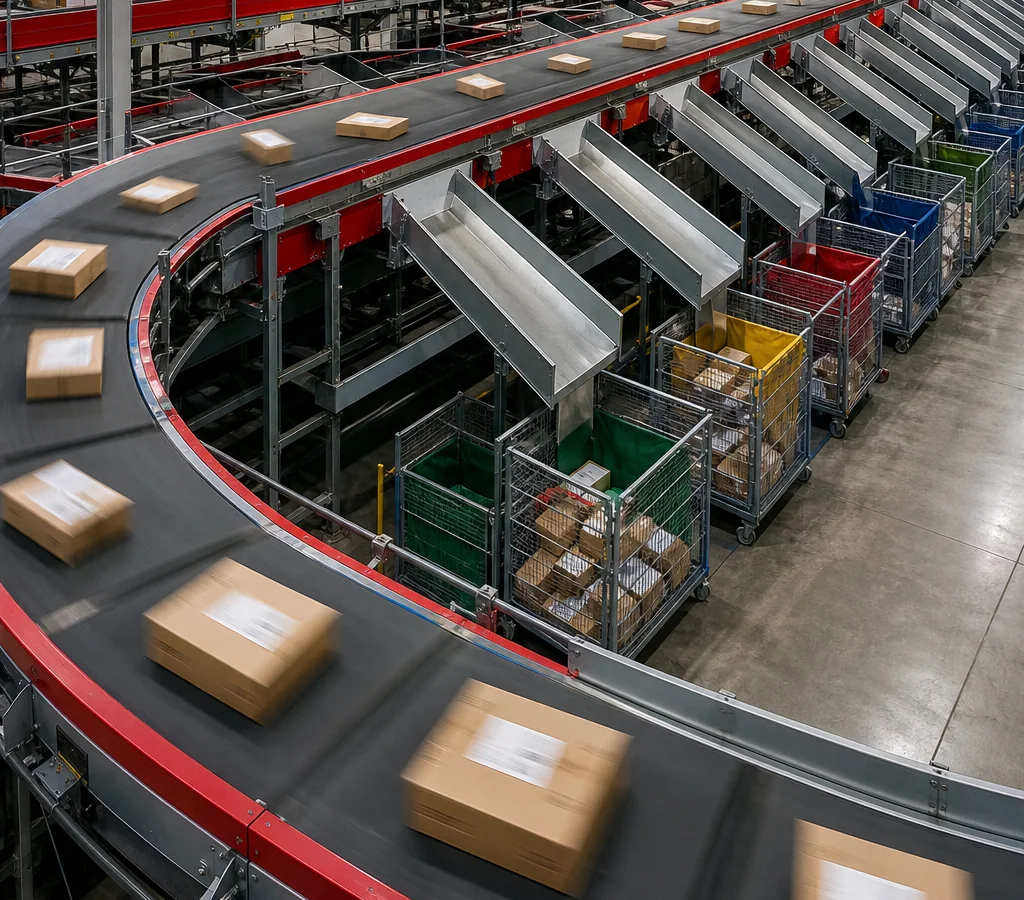
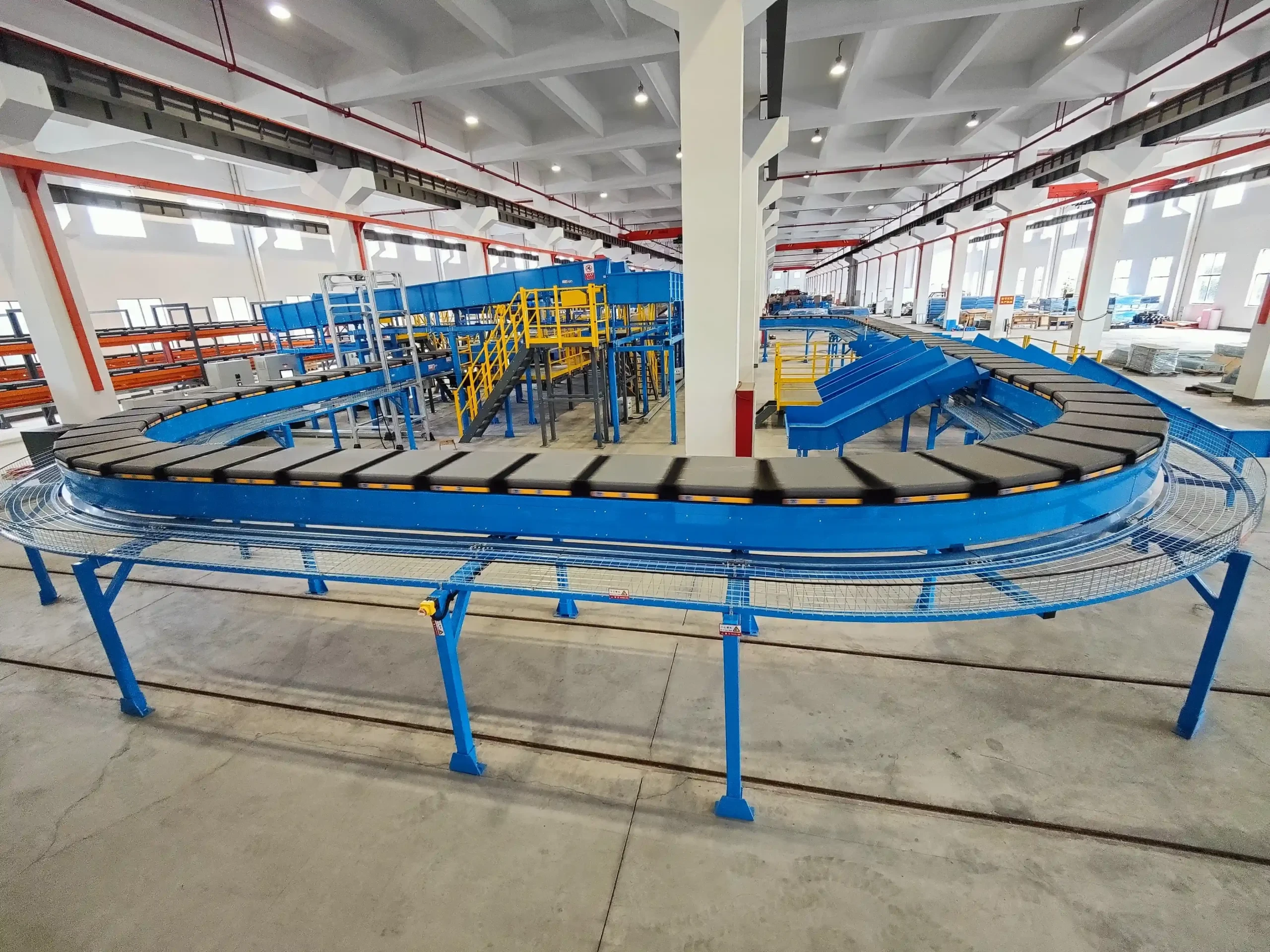
A cross-belt sorting system consists of a looped track with carriers, each equipped with a small conveyor belt. Items are placed onto carriers at induction points and transported along the track. When a carrier reaches its designated destination, the belt moves laterally to discharge the item into a chute.
Key advantages include:
- High throughput capacity
- Precise sorting accuracy
- Gentle handling of items
- Flexibility for various package types
These features make cross-belt systems particularly attractive for industries dealing with diverse and sensitive products.
Performance of Cross-Belt Systems in Low Temperatures
Operating in cold environments introduces new variables that can affect system performance. However, with proper design and engineering, cross-belt systems can maintain high efficiency even under extreme conditions.
1. Structural Integrity and Materials
To withstand low temperatures, cross-belt systems use specially selected materials:
- Cold-resistant plastics for belts and carriers
- Low-temperature alloys for structural components
- Reinforced rubber for drive elements
These materials retain flexibility and strength even in sub-zero conditions, reducing the risk of cracking or deformation.
2. Belt Performance
The small conveyor belts on each carrier are critical to the system’s function. In cold environments:
- Belt materials must remain flexible
- Surface grip must be maintained
- Drive systems must operate smoothly
Advanced belt compounds are engineered to resist stiffening and maintain consistent performance.
3. Lubrication Solutions
Specialized lubricants designed for low temperatures are essential. These lubricants:
- Maintain proper viscosity in the cold
- Reduce friction and wear
- Prevent component seizure
In some cases, systems may use sealed or self-lubricating components to minimize maintenance needs.
4. Motor and Drive Systems
Electric motors and drive mechanisms must be adapted for cold operation:
- Motors may include heating elements to maintain optimal temperature
- Enclosures protect against moisture and ice
- Variable frequency drives (VFDs) allow precise control of speed and torque
These adaptations ensure reliable operation despite environmental challenges.
5. Sensor and Control System Adaptation
Accurate sorting depends on reliable data from sensors and control systems.
In cold environments:
- Sensors may be heated or insulated
- Optical systems are protected against fogging
- Redundant systems may be used to ensure accuracy
Advanced software can also compensate for environmental variations, maintaining consistent performance.
Managing Frost and Condensation
One of the biggest challenges in cold chain sorting is moisture control.
Prevention Strategies
- Airlocks and insulation to reduce temperature fluctuations
- Dehumidification systems to control moisture levels
- Heated zones around critical components
Maintenance Practices
Regular inspections and cleaning are essential to prevent ice buildup that could interfere with system operation.
Throughput and Efficiency in Cold Conditions
A key question for operators is whether cold environments reduce system throughput.
Impact on Speed
While extreme cold can introduce slight inefficiencies, well-designed cross-belt systems maintain high throughput levels comparable to ambient conditions.
Energy Consumption
Cold environments may increase energy demands due to:
- Heating elements
- Additional system resistance
- Environmental controls
However, these costs are often offset by the system’s efficiency and reliability.
Handling Temperature-Sensitive Products
Cross-belt systems are particularly well-suited for cold chain applications because of their gentle handling capabilities.
Benefits for Fragile Goods
- Minimal impact during sorting
- Stable carrier platforms
- Controlled discharge motion
This is especially important for items like:
- Frozen foods in delicate packaging
- Pharmaceutical products requiring careful handling
Maintenance Considerations
Operating in a cold environment requires a proactive maintenance strategy.
Key Focus Areas
- Regular lubrication checks
- Inspection of belts and carriers
- Monitoring of motor performance
- Sensor calibration
Predictive Maintenance
Modern systems often use sensors and data analytics to predict potential failures before they occur, reducing downtime.
Worker Safety and Ergonomics
While automation reduces reliance on manual labor, human interaction is still necessary.
Challenges
- Limited mobility due to cold-weather gear
- Increased fatigue
- Safety risks from slippery surfaces
Solutions
- Ergonomic workstation design
- Automation of repetitive tasks
- Safety training and equipment
Integration with Cold Chain Systems
Cross-belt sorters are typically part of a larger logistics ecosystem.
Warehouse Management Systems (WMS)
Integration allows for:
- Real-time tracking
- Inventory optimization
- Order accuracy
Temperature Monitoring Systems
Ensuring that products remain within required temperature ranges throughout the sorting process is critical for compliance.
Cost and Return on Investment
Implementing a cross-belt system in a cold chain facility involves significant upfront investment.
Cost Factors
- Specialized materials and components
- Installation in temperature-controlled environments
- Ongoing maintenance
Long-Term Benefits
- Increased throughput
- Reduced product damage
- Improved accuracy
- Lower labor costs
Over time, these benefits can outweigh the initial investment, particularly in high-volume operations.
Future Trends in Cold Chain Sorting
As technology advances, cross-belt systems continue to evolve.
Automation and AI
Artificial intelligence is being used to optimize sorting processes and adapt to changing conditions in real time.
Energy Efficiency
New designs focus on reducing energy consumption while maintaining performance.
Modular Systems
Scalable solutions allow facilities to expand capacity as demand grows.
Best Practices for Implementation
To maximize performance in cold environments:
- Choose the right materials for low-temperature operation
- Invest in proper insulation and moisture control
- Implement regular maintenance routines
- Train staff for cold environment operations
- Leverage data and analytics for optimization
Conclusion
Cold chain logistics presents a unique set of challenges that test the limits of material handling systems. From extreme temperatures and moisture control to the need for precision and reliability, every aspect of the operation must be carefully managed.
Cross-belt sorting systems, when properly designed and implemented, rise to meet these challenges. Their combination of speed, accuracy, and gentle handling makes them a powerful solution for temperature-sensitive supply chains.
By addressing the specific demands of low-temperature environments—through advanced materials, specialized components, and intelligent control systems—these sorters can deliver consistent, high-performance results.
As the demand for cold chain logistics continues to grow, investing in robust and adaptable sorting technology will be essential for staying competitive and ensuring the safe delivery of critical products.