
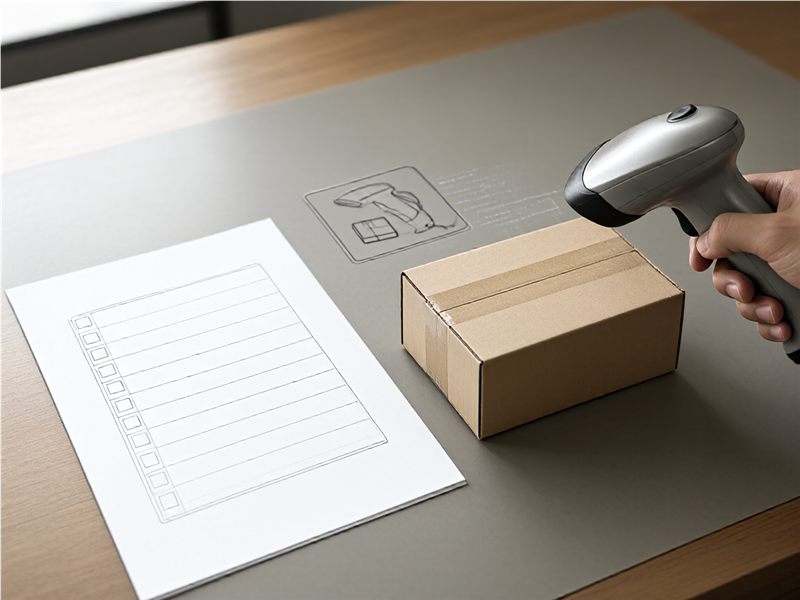
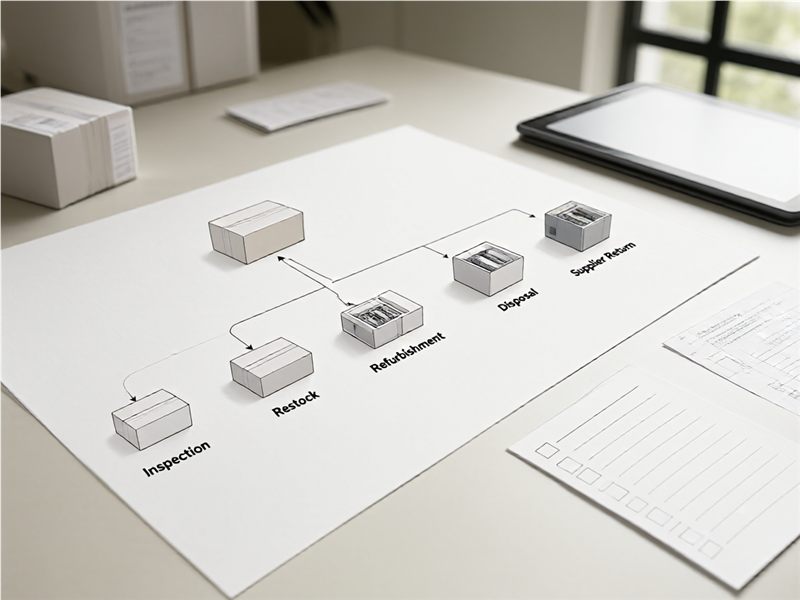
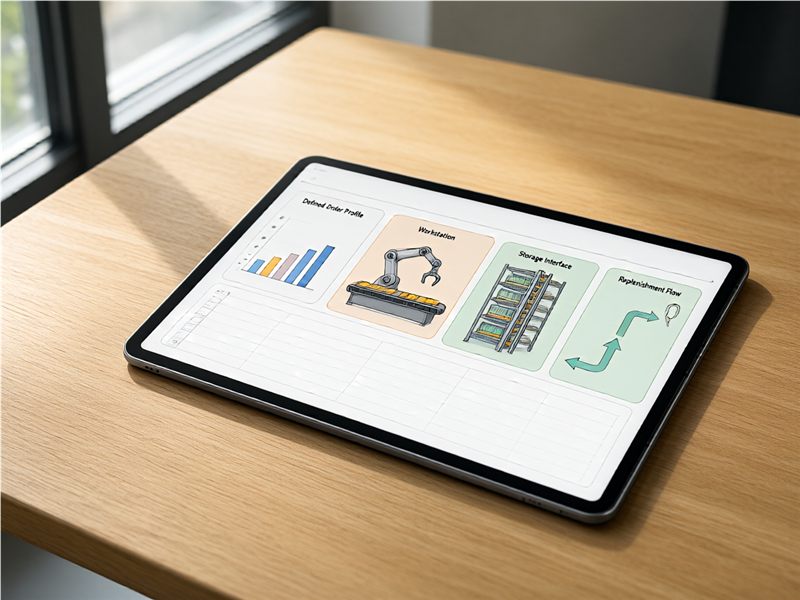
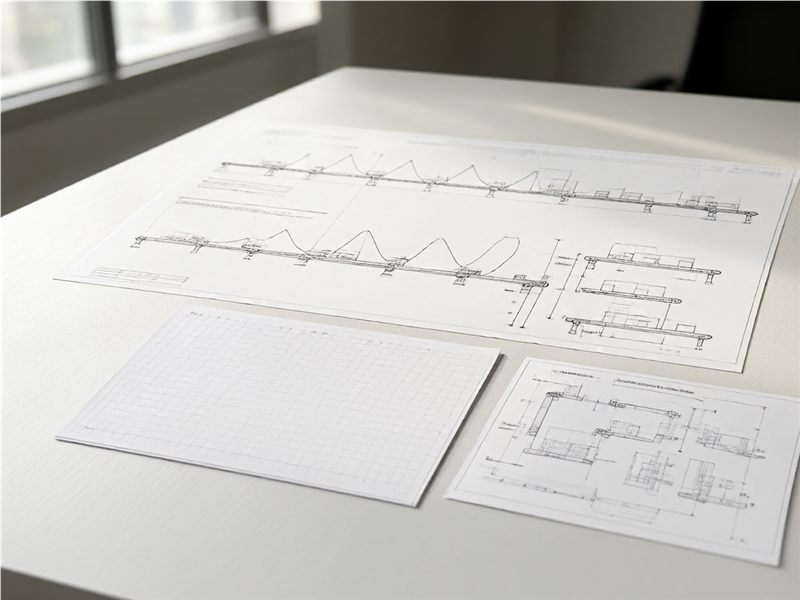
A put wall is often presented as the budget alternative to a sorter, and that framing causes poor decisions. A put wall is not a slower sorter; it is a different tool for a different job. It sorts by batching orders into physical locations rather than by diverting items into chutes, and that distinction decides where it wins. This guide covers what it does and when it is the right answer.
Key Takeaways
- A put wall sorts orders into locations by batching; a loop sorter diverts items into chutes. Different jobs.
- Put walls suit many-order, few-lines-per-order profiles such as e-commerce singles picking.
- Loop sorters suit high-rate, item-diversion work such as parcel and returns routing.
- The decision follows the order profile and line count, not the capital budget.
- Some operations run both: a sorter for inbound and a put wall for outbound.
What a Put Wall Does
The mechanism is simple and it determines everything else about where it fits.
| Element | How it works | Consequence |
|---|---|---|
| Batch | A group of orders is picked together in one pass | Fewer picking passes than order-by-order |
| Put | Each item is placed into the location for one of the batch orders | Sorting happens at the put, not at a divert |
| Wall | A grid of locations, one per order in the batch | Batch size is limited by the number of locations |
| Close | Locations are emptied into cartons when the batch completes | Orders complete together at batch end |
The batch size limit is the practical constraint. A wall with a fixed number of locations can only sort a batch of that size, so throughput is a function of batch size and cycle time rather than of belt speed. The picking context is set out in our parcel singulator guide.
Where a Put Wall Wins
The order profile decides, and the profile that favours a put wall is very common in e-commerce.
| Profile | Better choice | Why |
|---|---|---|
| Many orders, 1–3 lines each | Put wall | Batching collapses the picking passes |
| High-rate single-item diversion | Loop sorter | Continuous divert is what sorters do |
| Returns triage and routing | Loop sorter | Item-level routing to many destinations |
| Few orders, many lines each | Neither strongly | Batching gains little; conventional picking works |
| Mixed operation | Both | Sorter for inbound, put wall for outbound |
The first row is where the value concentrates. An operation shipping thousands of single-line orders a day can collapse its picking passes dramatically, and that labour saving is usually larger than any sorter comparison. The technology comparison across the families is set out in our sortation technologies comparison.
Where a Loop Sorter Wins
The mirror image is equally clear. Where the work is diverting a continuous stream of individual items to many destinations — inbound parcel, returns triage, carrier sortation — a loop sorter is the right mechanism and a put wall is the wrong one.
| Work type | Right tool | Reason |
|---|---|---|
| Inbound parcel sortation | Loop sorter | Continuous item stream to carrier chutes |
| Returns triage | Loop sorter | Item-level routing to disposition destinations |
| Outbound order batching | Put wall | Order-level batching, not item divert |
| Store replenishment | Either | Depends on whether the unit of work is the order or the item |
Where a loop sorter is indicated, the sizing guidance in our narrow belt guide and our cross belt sorter guide applies.
Deciding Between Them
Three questions settle it. What is the unit of work — the order or the item. How many lines does a typical order contain. And what is the daily order count relative to the batch size a wall would support. An operation with many single-line orders answers “put wall”; an operation diverting a continuous item stream answers “sorter”.
If both descriptions apply, the answer is usually both, and the sequencing matters: sort inbound with a sorter, batch outbound with a wall. Buying one to do the other job is how operations end up with a machine that never reaches its rated capacity.
Frequently Asked Questions
What is a put wall?
A sorting device that batches orders together, picks them in one pass, and places each item into a physical location corresponding to one order in the batch.
When does a put wall beat a sorter?
When the work is many orders with few lines each, such as e-commerce singles. Batching collapses the picking passes, and the labour saving usually exceeds any sorter comparison.
When does a sorter beat a put wall?
When the work is diverting a continuous stream of individual items to many destinations — inbound parcel sortation, returns triage, carrier sortation.
What limits put wall throughput?
Batch size and cycle time. A wall has a fixed number of locations, so it can only sort a batch of that size; throughput follows from how fast batches complete.
Can I run both a sorter and a put wall?
Yes, and many operations do: a sorter for inbound item diversion and a put wall for outbound order batching. The two solve different problems.
Is a put wall cheaper than a sorter?
Usually in capital terms, but that is the wrong comparison. Choose on the unit of work and the order profile; cost follows the right choice rather than driving it.
How do I decide which my operation needs?
Ask whether the unit of work is the order or the item, how many lines a typical order has, and how daily order count compares with the batch size a wall would support.
Technical background: order picking, wave picking and batching explain the picking and batching methods referenced above.