
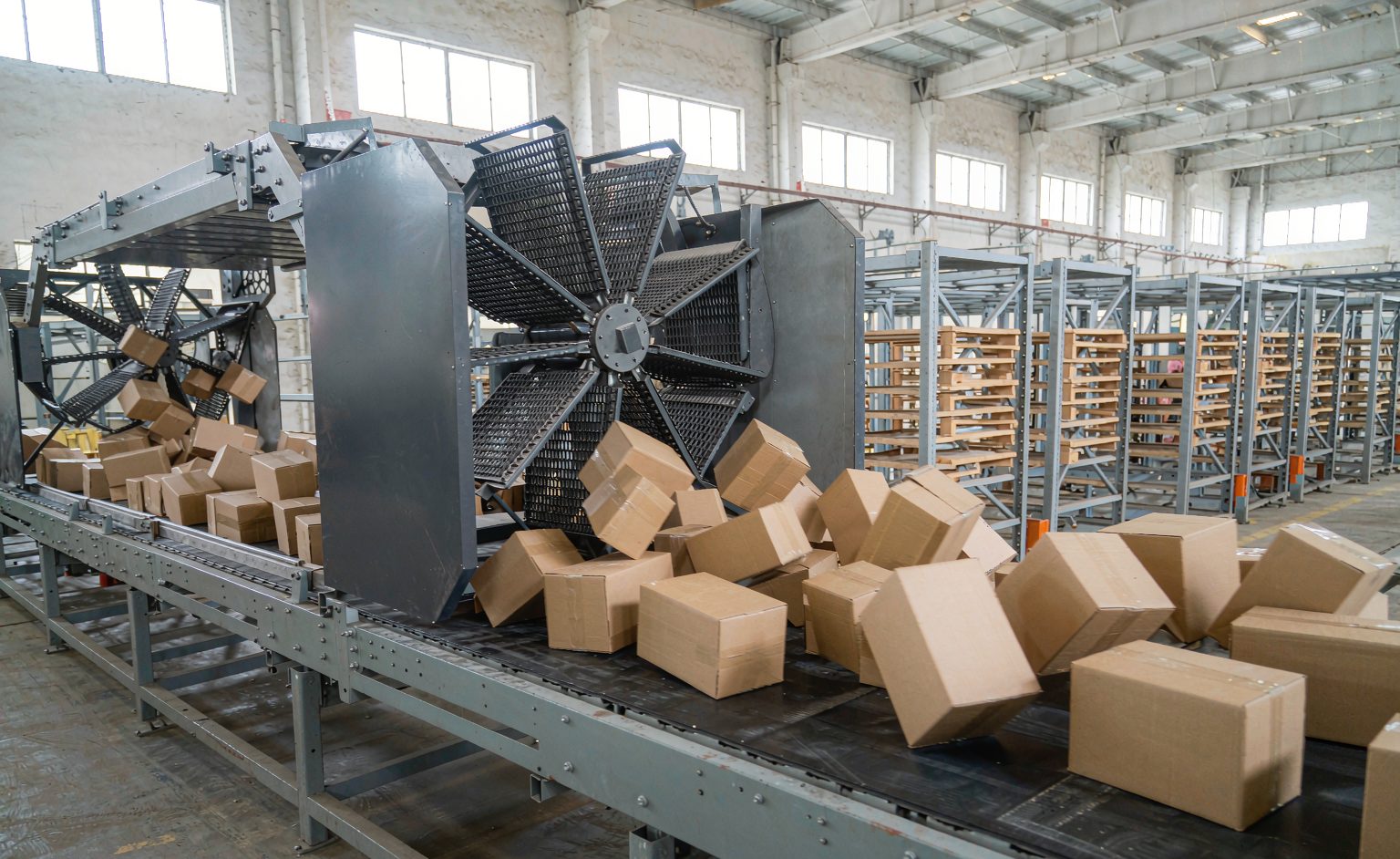
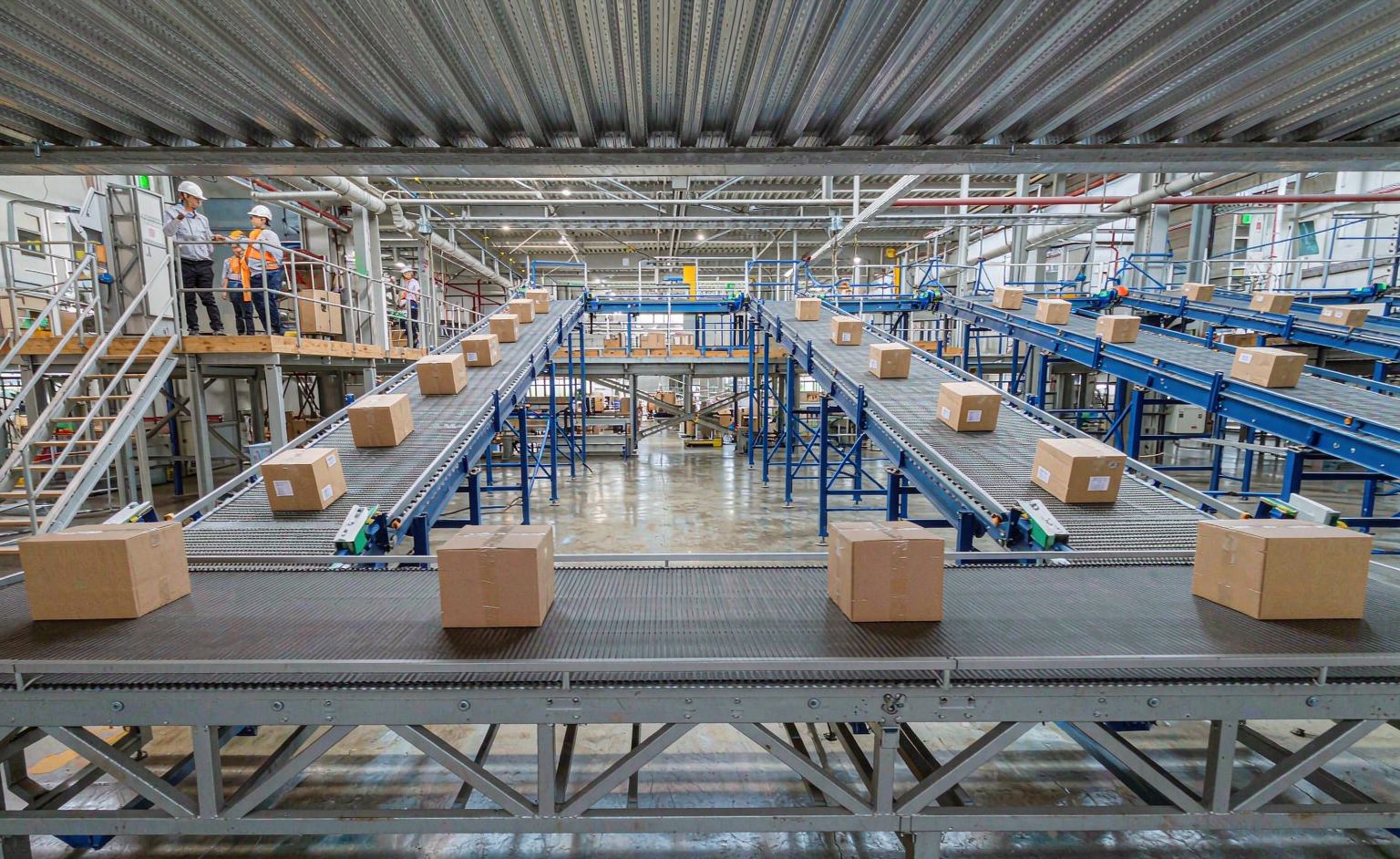
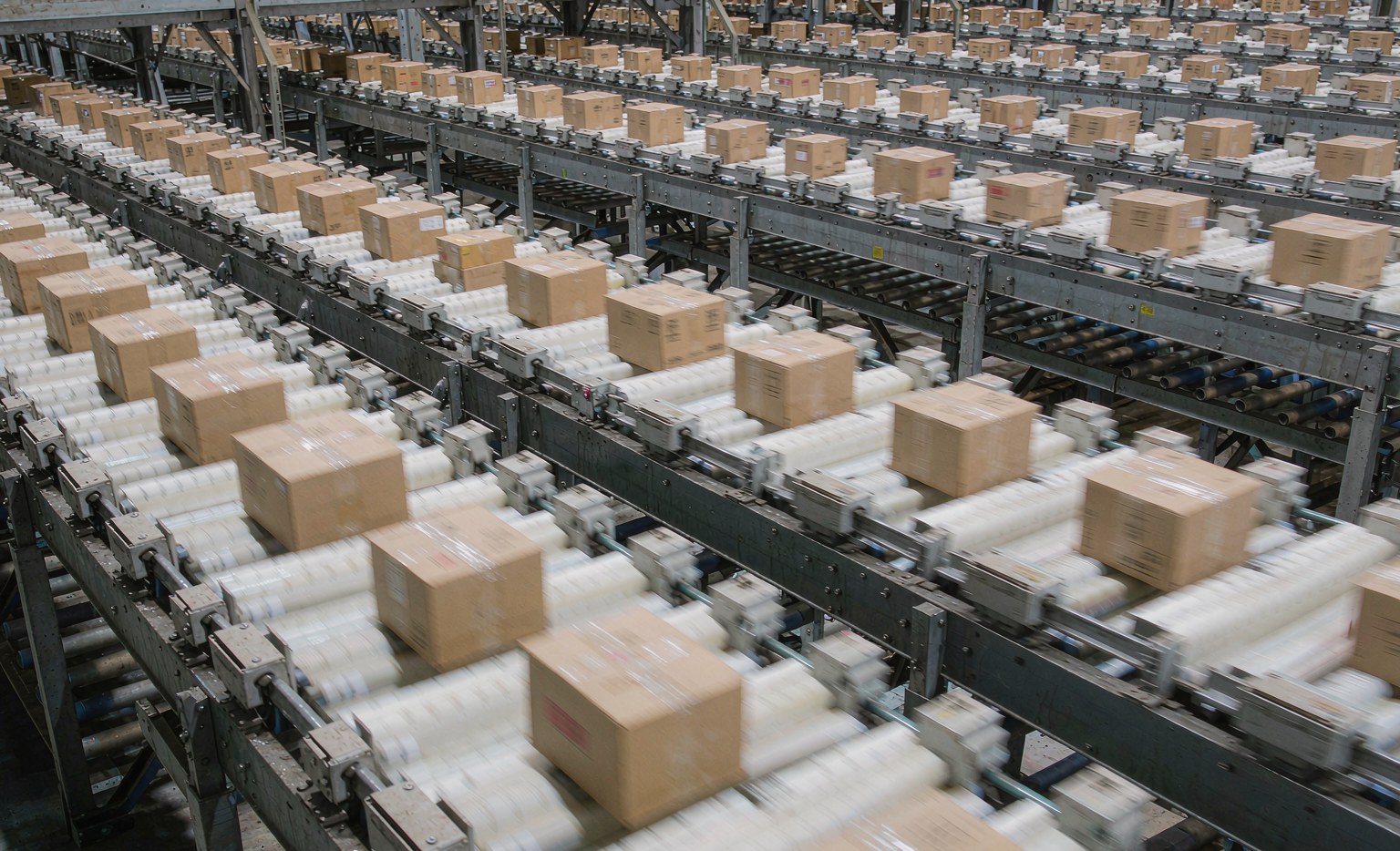
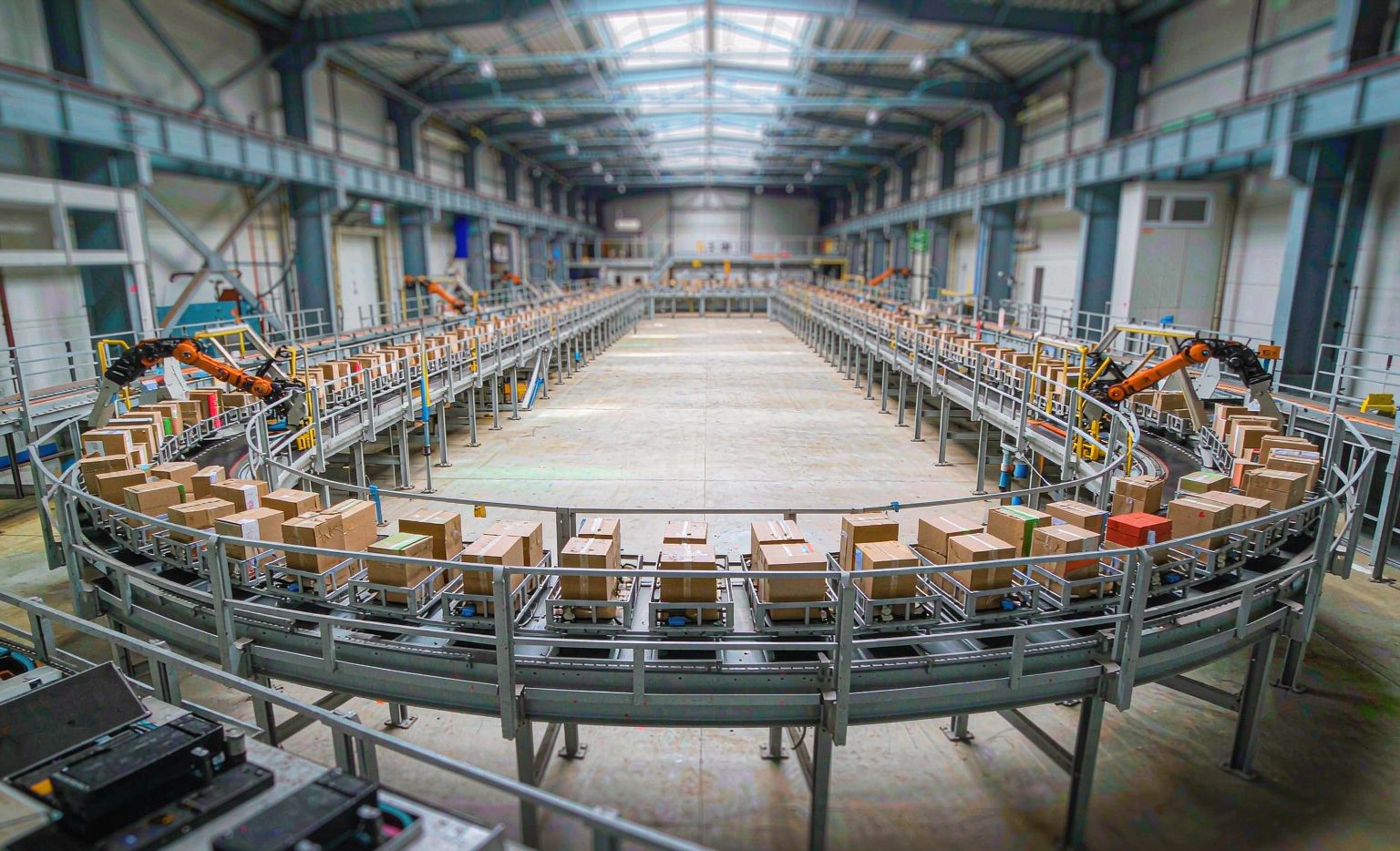
A sorter is only as fast as the parcels arrive to it. Feed it a jammed, overlapping stream and its scanners miss barcodes, its diverts collide, and its effective rate collapses to a fraction of the nameplate. A singulator is the upstream device that fixes this: it converts a chaotic pile into a single-file, evenly spaced queue so every item is presented cleanly to the scanner and the diverter. This guide explains the mechanism, the spacing logic, and why singulation is usually the highest-ROI upgrade in a sortation line.
Key Takeaways
- A singulator turns a jammed stream into single-file, spaced parcels — the precondition for full sorter rate.
- Without it, scanners miss barcodes and diverts collide; nameplate rate is never reached.
- Spacing is controlled by belt-speed differentials and physical singulation wheels/pads.
- Singulation typically lifts effective throughput 20–40% versus unsynchronized feeding.
- It pairs naturally with DWS (dimensioning, weighing, scanning) for clean capture.
Why Singulation Matters
Most sortation lines are bottlenecked not at the sorter but at induction. When parcels arrive touching or overlapping, the barcode scanner reads maybe two of every three, and the diverter guesses. The result is recirculation, manual pull-offs and a sorter running at half rate. A singulator removes the overlap so each parcel is isolated and oriented for the scan. The end-to-end improvement is quantified in our automated sorting throughput analysis. Our dedicated parcel singulator overview covers the equipment family.
| Stage | Without singulator | With singulator |
|---|---|---|
| Barcode read rate | ~60–70% | ~95%+ |
| Divert collisions | Frequent | Rare |
| Effective rate | Half nameplate | Near nameplate |
| Manual pull-offs | High | Low |
The Mechanism and Spacing Logic
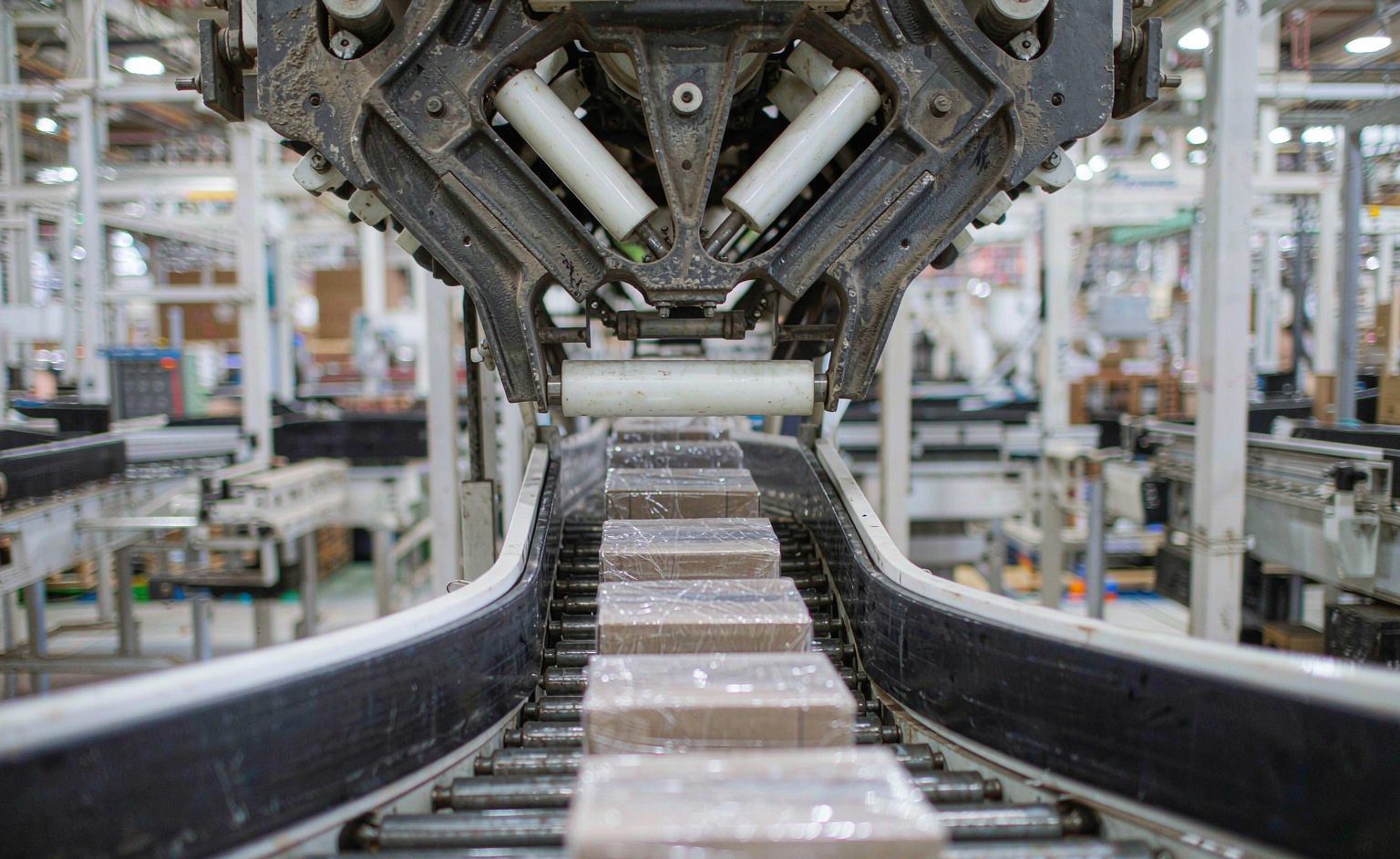
A singulator uses belt-speed differentials and physical elements — singulation wheels, pads or converging belts — to separate and space parcels. Faster downstream belts pull items apart; physical guides prevent side-by-side travel; the output is a metronomic single file at a known pitch. The pitch is tuned to the scanner’s read time and the diverter’s cycle, which is why singulation and sorter speed are designed together, not independently. When a DWS station sits upstream, singulation also gives it a clean, spaced stream — the logic is in DWS dimensioning, weighing and scanning.
ROI of Singulation
Because singulation lifts effective throughput 20–40% on an existing sorter without buying more divert positions, its payback is usually faster than a sorter expansion. The investment is modest relative to a new line, and the gain is realised on day one. For e-commerce fulfillment centers deciding where to spend, the guidance in our parcel sorting system selection guide consistently ranks singulation at the top of the upgrade list.
Frequently Asked Questions
Do I need a singulator if I have a fast sorter?
Almost certainly. A fast sorter fed a jammed stream runs at half rate; singulation is what lets it reach nameplate.
How much throughput does it recover?
Typically 20–40% of lost effective rate versus unsynchronized feeding.
Does it work with DWS?
Yes — singulation gives the dimensioning/weighing/scanning station a clean, spaced stream for accurate capture.
Is it only for parcels?
It is designed for parcels and small items; very large or irregular items need different induction handling.
What is the main failure mode?
Under-tuned pitch — spacing too tight for the scanner/diverter cycle — which reintroduces collisions.
How do I size one?
Match the output pitch to your scanner read time and diverter cycle, then size belt speeds to your peak induction rate.
Technical background: conveyor systems and warehouse operations provide the logistics context.