


In today’s fast-changing logistics industry, companies face growing challenges: rising parcel volumes, labor shortages, and the pressure for faster, more reliable deliveries. To stay competitive, logistics providers are turning to integrated automation solutions that transform the way goods are handled.
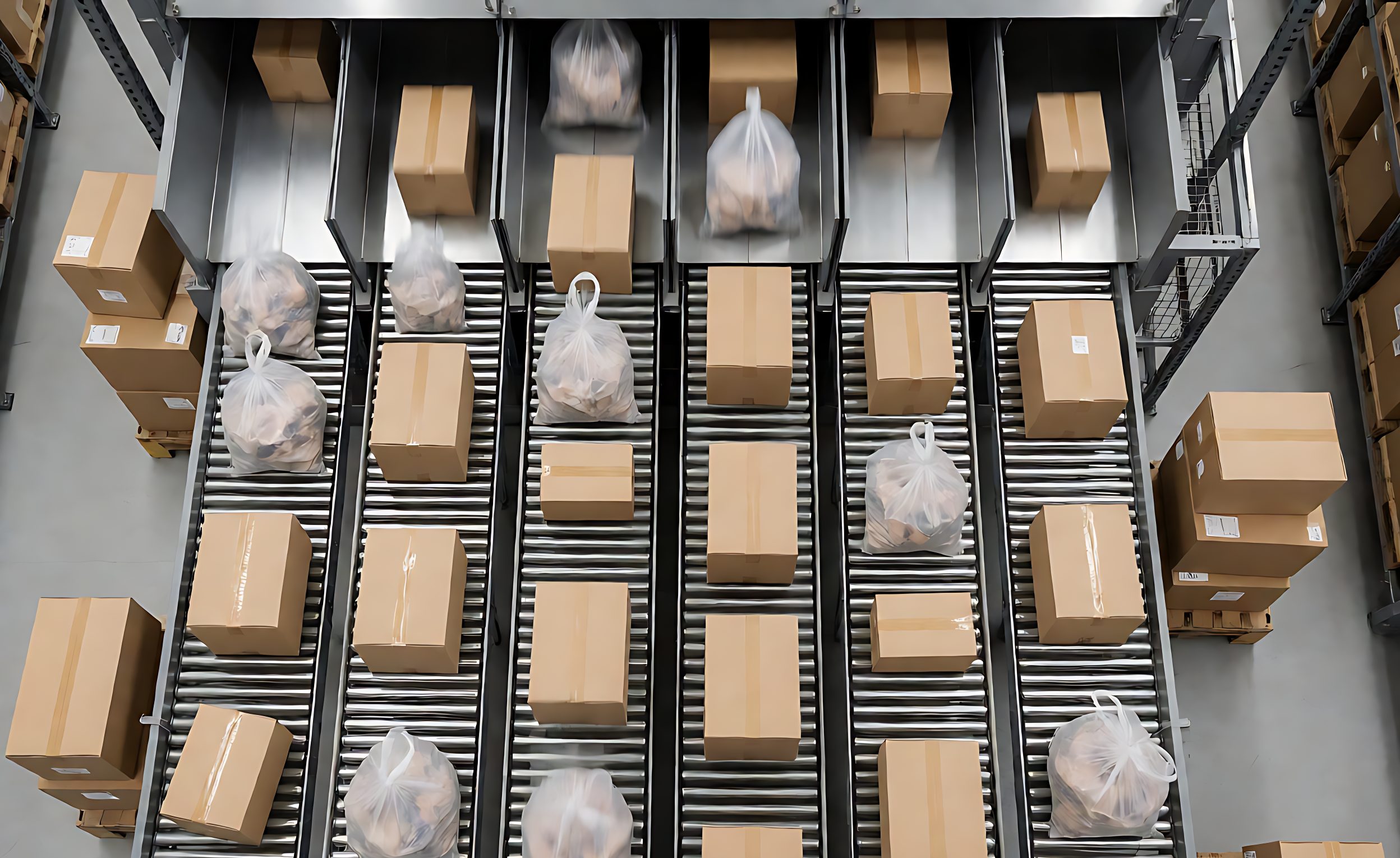
One key solution is the deployment of automated sorting systems. These systems can process thousands of parcels per hour with high accuracy, reducing errors and manual handling. Combined with DWS (Dimensioning, Weighing, and Scanning) technology, they provide a complete package of speed, traceability, and efficiency.
Another vital solution is flexible conveyor systems, such as telescopic conveyors and spiral chutes. They help streamline loading and unloading, saving both time and labor. For warehouses facing space constraints, these solutions ensure smooth material flow while maximizing capacity.
Digital solutions are also reshaping operations. AI-powered software platforms enable route optimization, demand forecasting, and real-time monitoring. By integrating automation hardware with intelligent software, logistics providers achieve a higher level of visibility and control across the supply chain.
The ultimate goal of these solutions is to create scalable, cost-effective, and sustainable logistics operations. By adopting the right mix of automation and digitalization, companies can deliver faster, smarter, and greener logistics services that meet the growing expectations of global trade and e-commerce.
Building Supply Chains That Bend: The Sorter’s Structural Role
Supply chains of the future will be judged by how they bend. Sorting infrastructure plays a structural role in that flexibility:
| Flexibility demand | Sorter capability behind it | Rigid alternative’s cost |
|---|---|---|
| Shift channels (B2B to D2C) | Destination remap in software | Weeks of manual re-planning |
| Add carriers mid-season | Chute and rule capacity on demand | Contract penalties for missed volume |
| Rebalance between sites | Profile portability across the network | Every site re-tuned by hand |
| Absorb product mix swings | Vision induction tolerating variety | Exception rates that scale with novelty |
The channel-shift row has become the strategic one. Businesses that once shipped pallets to retailers now ship parcels to doorsteps — and the reverse — and the operations that survived the pivots were those whose sorting infrastructure absorbed the change as configuration. The rebalance row extends the same logic across the network: a profile that travels between sites turns multi-site operations from separate adaptations into one deployable capability, halving the cost of every future reorganisation. None of these flexibilities appear on a sorter’s specification sheet, which is why they are negotiated — into software rights, destination capacity and profile portability — rather than bought as features. Supply chains that bend, in short, are built on infrastructure whose owners kept the rights to reshape it. The data rights securing this are in data rights and the digital-age sorter, and the destination architecture in four decisions that age well. Reference: supply chain flexibility and organisational resilience.
Flexibility claims survive contact with reality only if rehearsed, and the rehearsal is an annual drill: one real scenario — a channel shift, a returns surge, a profile change — executed against the live system under observation. Operations that drill annually discover their bend points in October’s calm; those that don’t, discover them during the actual event. Reference: continuity drills and rehearsal methods.