


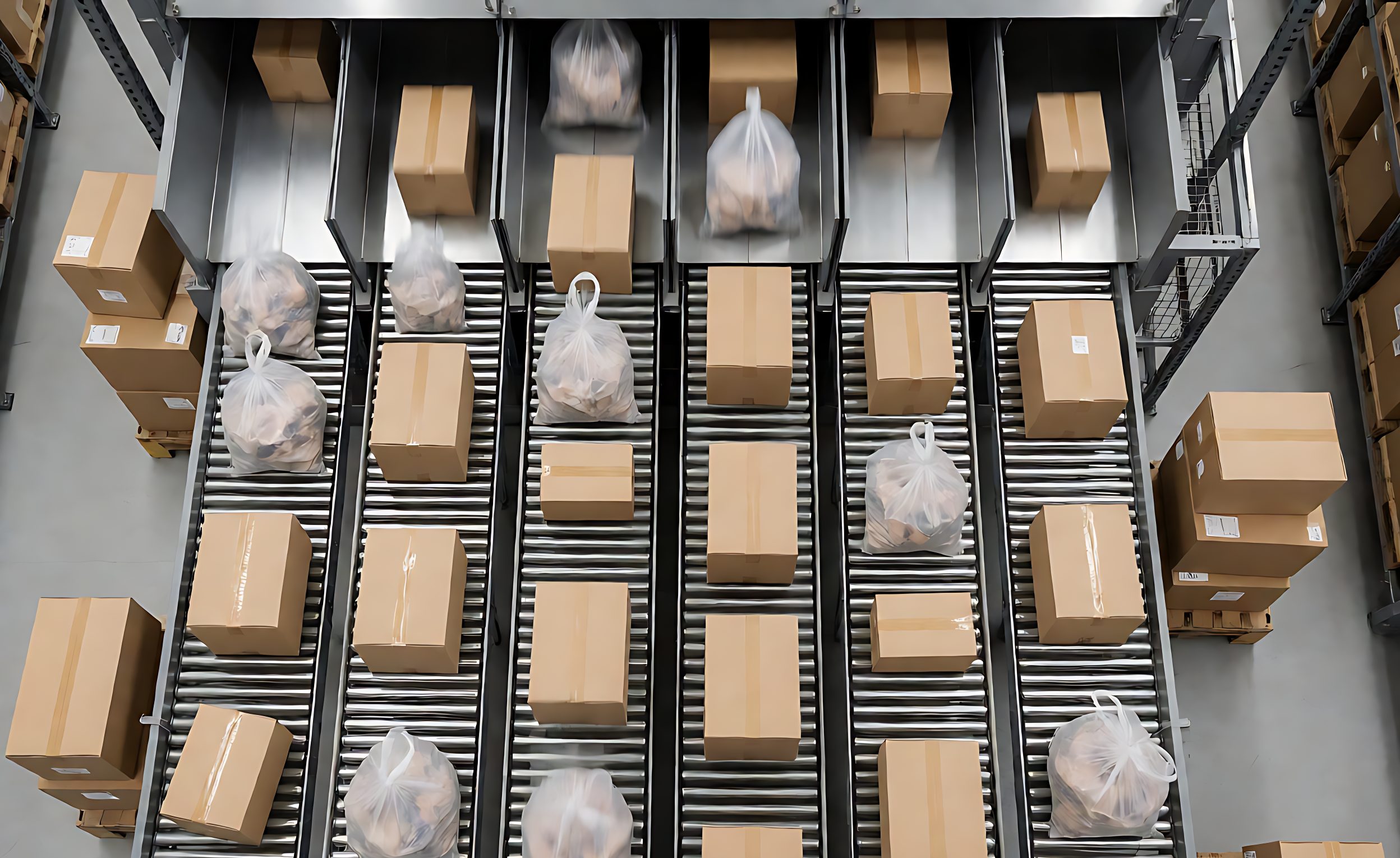
The logistics industry is undergoing a major transformation, driven by the rise of e-commerce, global trade, and consumer expectations for faster delivery. At the center of this change is sorting technology, a critical element that determines efficiency across supply chains. From Manual to Intelligent Traditional sorting relied heavily on manual labor, which often led to delays, errors, and higher costs. Today, advanced automation—ranging from belt conveyors and cross-belt sorters to AI-powered recognition systems—is reshaping how goods are processed and distributed. The Competitive Edge Companies investing in intelligent sorting solutions are seeing clear advantages: Speed – High throughput systems ensure same-day or next-day deliveries. Accuracy – Smart scanners and vision systems reduce mis-sorting. Cost Efficiency – Less manual intervention lowers operational expenses. Flexibility – Modular systems adapt to seasonal peaks and new market demands. Future Outlook In the digital age, logistics sorting is more than moving parcels—it’s about creating connected, data-driven ecosystems. By integrating automation with analytics, businesses can predict demand, optimize capacity, and achieve sustainable growth. At TRUELISORT, we believe smart sorting is technology and, just as importantly, the foundation of reliable, customer-focused logistics.
The Digital-Age Sorter: Data Rights and the Question Nobody Asks
Smart sorting in the digital age runs on data, which forces a question most contracts never answer: whose data is it? The rights landscape, mapped:
| Data class | Typical contract silence | What to negotiate instead |
|---|---|---|
| Parcel telemetry | Assumed shared, actually ambiguous | Your property; vendor licence for aggregate only |
| Performance history | Lives in vendor cloud, export unclear | Continuous export right, open format |
| Failure and jam records | Vendor holds; buyer sees summaries | Full log access; it is your operation’s diary |
| Learned rules | Vendor IP by default | Rules tuned on your data stay yours |
The learned-rules row will matter more each year. When a sorter’s accuracy compounds through rules tuned on your parcel profile, those rules encode years of your operational history — and who owns them decides whether a vendor change is a migration or a lobotomy. Contracts settled on this point age gracefully; contracts silent on it discover their use has migrated to the vendor’s cloud along with their data. None of this is anti-vendor: clear data rights make better partnerships because they remove the low-grade distrust that surfaces at renewal time. The negotiating window is the original contract, when both sides want the deal more than either wants the clause — the same use window as the interface and training terms. The data infrastructure these rights govern is in the data ladder, and the year-three relationship in partnership at year three. Reference: data ownership and service-level agreements.
Data rights deserve contract language, not trust. Three clauses settle most future disputes: export format (open, documented, machine-readable), export frequency (continuous, not on request), and interface cost (included, not metered). Vendors who resist all three are pricing your data against your future self — and the resistance itself is the finding. Reference: open interfaces and data portability precedents.
The Digital-Age Version of an Old Discipline
Sorting is an old discipline running on new instruments: the decisions are older than the warehouse, but the sensing and the software are new, and the digital-age version differs from its ancestors mostly in how fast the feedback loop closes. The digital-layer mechanics are in the digital-age sorting guide.