


In today’s fast-paced global supply chain, the demand for efficiency, accuracy, and flexibility has driven a fundamental shift in how warehouses operate. The rise of **smart warehousing** marks a major step toward fully digitalized logistics — where automation, data, and intelligence come together to redefine operational excellence.
Digital transformation is no longer a future trend; it is happening now. Modern warehouses are moving beyond manual sorting and traditional conveyors to adopt **automated systems**, **AI-powered data management**, and **integrated software control**. These technologies allow companies to process more orders with fewer errors, reduce labor costs, and maintain consistent performance even during peak seasons.
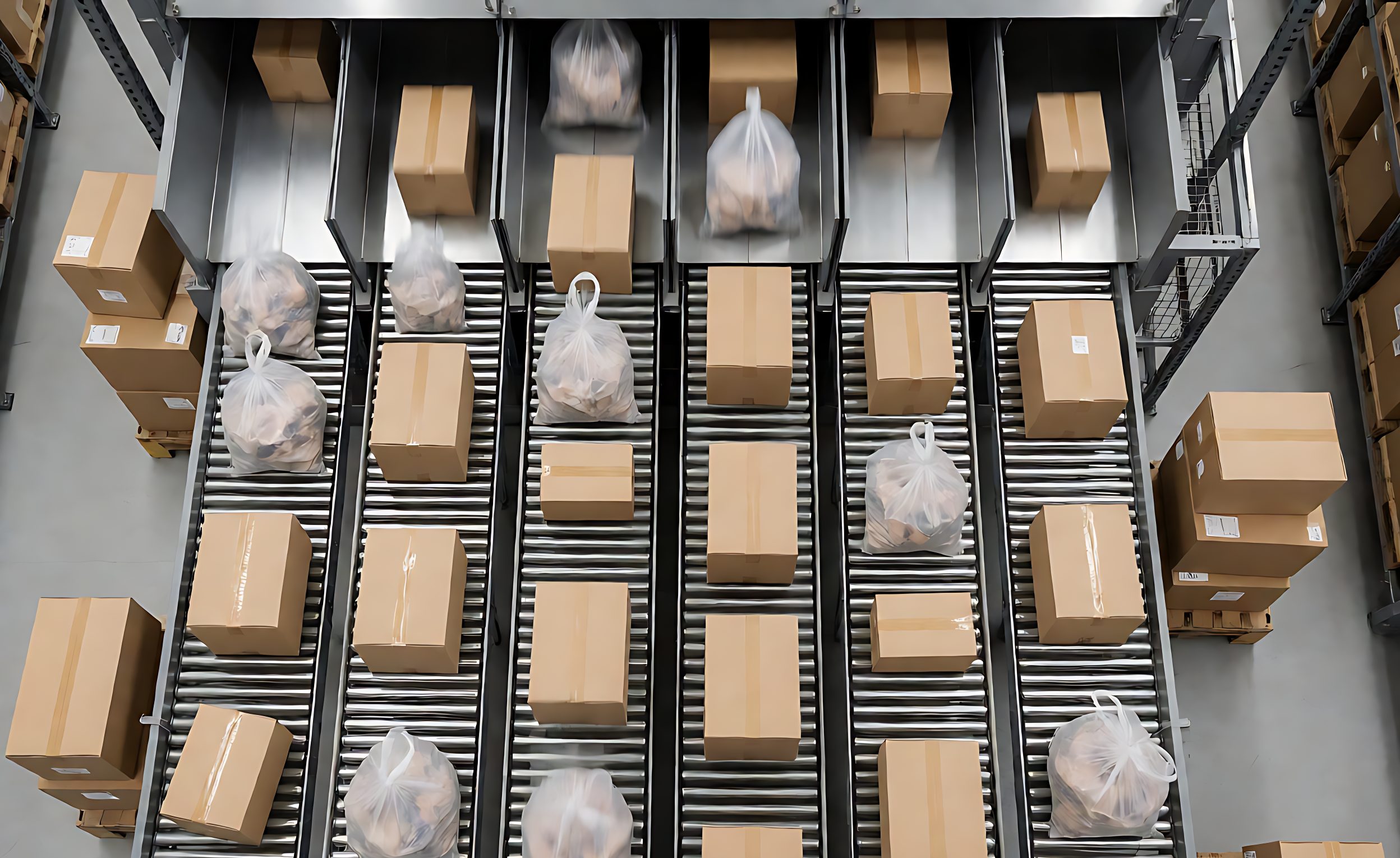
One of the key enablers of this transformation is **intelligent sorting technology**. Automated sorting lines, such as **wheel sorters** and **cross-belt systems**, can identify, measure, and route parcels with remarkable speed and precision. Combined with DWS (dimensioning, weighing, and scanning) systems and WMS integration, businesses gain real-time visibility across every process — from receiving to dispatch.
At **TRUELISORT**, we believe that innovation is the foundation of logistics evolution. Our automated sorting and conveying solutions are designed to support the growing need for intelligent operations in e-commerce, express delivery, and distribution centers worldwide. Each system is built to deliver reliability, adaptability, and efficiency — the core values of smart logistics.
As technology continues to advance, the future of warehousing will be shaped by **data connectivity, robotics, and artificial intelligence**. Those who embrace this transformation today will lead the industry tomorrow — achieving faster operations, lower costs, and greater customer satisfaction.
Smart Warehousing’s Core: The Data Model Underneath the Machines
Smart warehousing photographs as machinery. Its real core is a data model — and its quality decides everything above:
| Data model element | What it defines | Failure when wrong |
|---|---|---|
| SKU master data | Dimensions, fragility, velocity class | Sorter profiles built on fiction |
| Destination taxonomy | Carriers, zones, service levels | Routing rules that can’t express reality |
| Event definitions | What counts as scanned, diverted, exception | Reports nobody can compare |
| Ownership rules | Who may change which field | Model drifts into entropy |
The event-definitions row explains a familiar frustration: two warehouses report 99.5% accuracy and deliver different realities, because they count differently. Until events mean the same thing everywhere — in every shift, every report, every vendor claim — the higher layers of smart warehousing inherit noise. The ownership row is the quiet determinant of whether the model stays healthy: models without stewards decay the way gardens without gardeners do, gradually and then obviously. Operations starting warehouse transformation benefit from sequencing the data model first, deliberately unglamorous as it is — the machines amplify whatever model they find, including the errors. The teams that spent one disciplined quarter on master data before equipment selection report that every later conversation, from vendor demos to go-live reviews, got easier. The data ladder from sensor to decision is in from sensor to decision, and the automation layer above it in where logistics automation leads. Reference: data modelling and information management.
Data models also outlive the systems built on them, which makes migration the model’s final exam: models with a data dictionary, defined events and clean ownership port; models that lived in one vendor’s conventions must be rediscovered. Keeping the dictionary current is cheap insurance against the next platform decision. Reference: data migration and data dictionaries.