


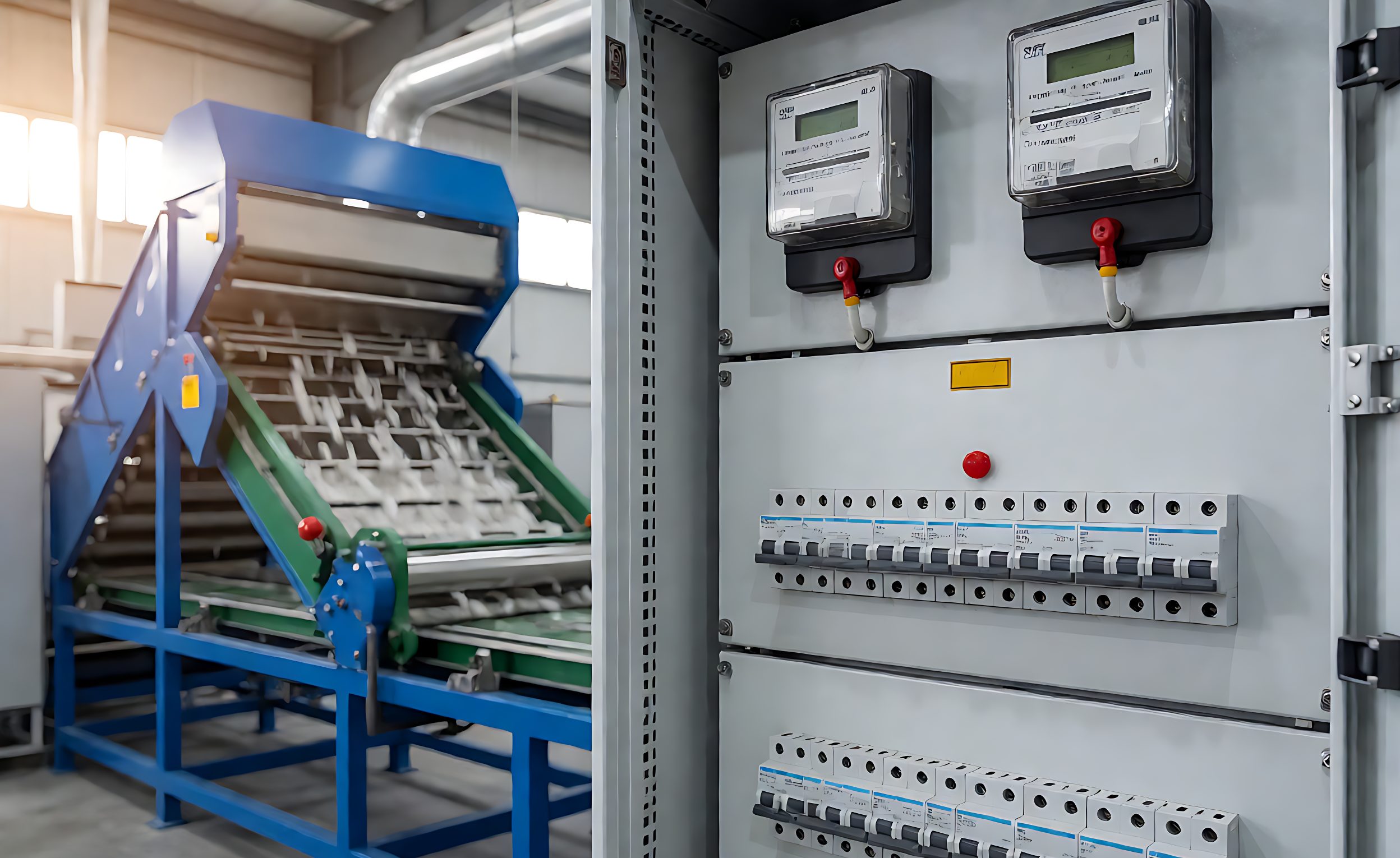

Two manufacturers receiving the same vague enquiry will return two numbers that differ substantially, and neither will be wrong. Each has filled the gaps with assumptions about parcel mix, peak profile and site constraints. The buyer then compares numbers that describe different machines, and the first real discussion happens weeks too late.
A proper enquiry package removes the assumptions. It takes effort to assemble, and it is the single highest-leverage thing a buyer can do to shorten the cycle and make proposals comparable.

Parcel Profile: The Data That Drives Design
Everything downstream follows from what is being sorted. Provide:
- Dimension and weight distributions, not averages. The tails matter: the largest and heaviest items set clearances and drive sizing, and the smallest and lightest set singulation and sensing requirements.
- Shape and packaging types: boxes, polybags, envelopes, irregular or soft items, and anything cylindrical, each of which behaves differently on a line.
- Surface characteristics: glossy, dark, transparent or heavily printed packaging, all of which affect label readability and therefore scan rates.
- Fragility and value, which set acceptable handling and discharge behaviour.
Averages are the most common error in an enquiry. A line designed for the average parcel will jam on the tenth-percentile one, which is precisely the failure that appears during peak week.
Throughput and Peak Profile
State four numbers rather than one: average throughput per hour, sustained peak, absolute peak for a short window, and the daily volume curve. The shape of the day matters as much as the total, because a line that handles the average comfortably may not clear a two-hour surge without buffering.
Also state growth expectations. A sorter is a long-lived asset, and designing to today’s volume only to expand in two years is usually more expensive than building in headroom from the start.
Destinations, Site and Integration
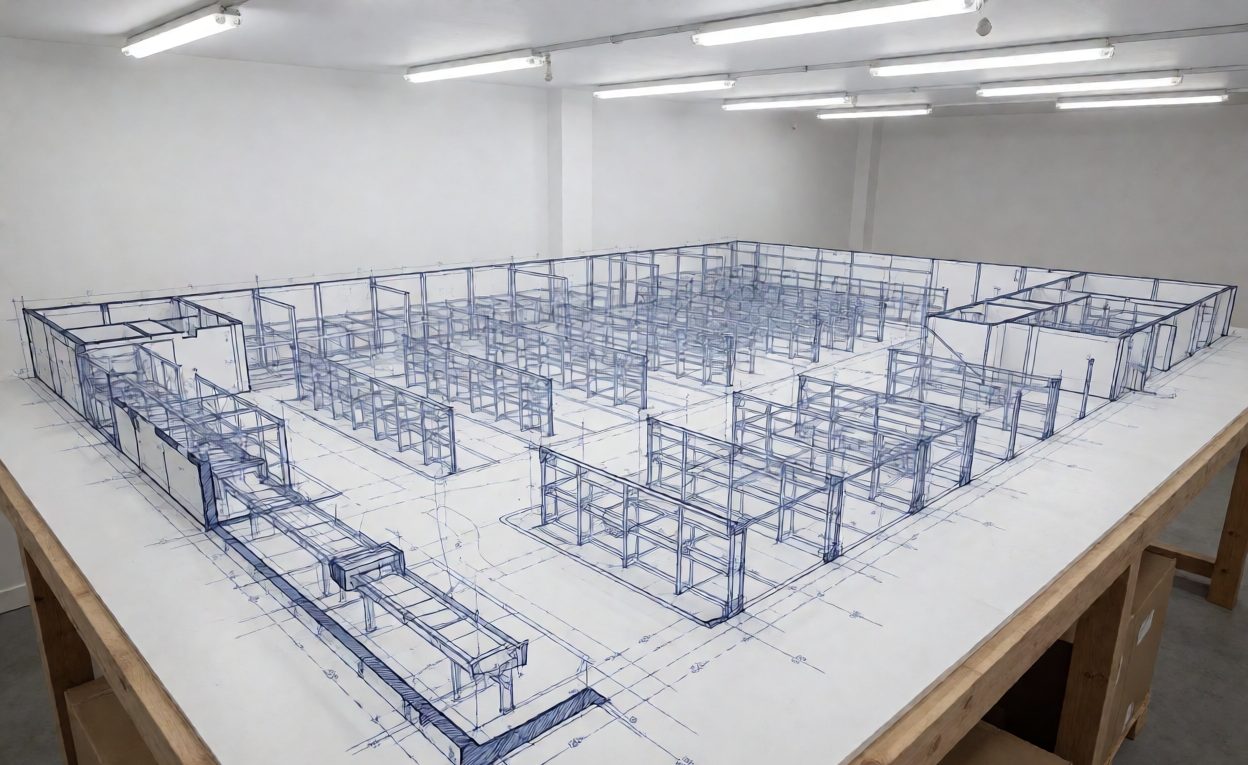
Provide the destination list and how volumes distribute across it, since chute count and sort plan follow from that. Provide site constraints: available footprint and shape, clear height, floor condition and loading, available power, and any column or door constraints. And state the integration scope – what the sorter must talk to, in which direction, and which system owns the sort decision.
The last one is where projects slip. If nobody has stated whether the warehouse management system or the sorter controller owns destination assignment, both sides will assume the other and discover the gap during commissioning.

Technical Background
A formal enquiry of this kind is a request for quotation, whose value depends entirely on scope being identical between bidders. The scope itself is normally captured in a statement of work describing what is included and, importantly, what is not. Physical constraints are communicated on an engineering drawing of the site, which is why a layout plan belongs in the package.
Making Proposals Comparable
Send the same package to every bidder and require responses in a fixed structure: throughput guaranteed under stated conditions, scan rate assumed, exclusions listed explicitly, and commissioning and training scope stated. Then compare on delivered capability rather than on headline price.
Where a buyer cannot produce all of the data, say which parts are estimated. A supplier that knows a figure is provisional can flag the risk; one that assumes it is measured will not, and the difference surfaces later as a change order.
Enquiry quality connects to supplier selection in selecting a sorter manufacturer and to system choice in choosing a parcel sorting system. Throughput planning is discussed in throughput, chute count and budget, singulation requirements in the parcel singulator guide, and data capture in dimensioning, weighing and scanning.
What Happens When the Data Is Incomplete
Sometimes the parcel profile genuinely is not known – a new product line, a new customer, a market entry. Saying so is far better than guessing, because a supplier can design to a stated assumption and flag the associated risk.
- State the assumption explicitly: mark every figure as measured, estimated or assumed, and say which one it is.
- Give a range, not a point: a stated band lets the supplier size for the upper bound and price the option separately.
- Ask for a sensitivity note: which assumptions move the design most, and what happens if they turn out to be wrong.
- Plan a re-check: if the profile will be known in three months, say when the confirmation will follow and how it affects the quote.
The failure mode to avoid is a precise-looking number with no provenance. A figure quoted to two decimal places that came from an estimate will be treated as measured, and the resulting design will be confidently wrong. Two items are commonly omitted and cause disproportionate trouble downstream: the packaging mix, specifically the share of polybags and other non-rigid items, and the no-read rate expected from the labelling in use. Both have a direct effect on achievable throughput, and both are cheap to measure before the RFQ goes out.
Where an enquiry is genuinely exploratory, ask for a budgetary indication first and a firm quote later. That sequence protects both sides: the supplier does not invest engineering hours in an undefined scope, and the buyer gets a defensible number for internal approval without committing to a configuration. Once the profile is confirmed, the same package is reissued with measured values and the cycle shortens considerably.
FAQ
Why do quotes for the same requirement differ so much?
Because each bidder fills gaps in the enquiry with different assumptions about parcel mix, peak profile and site constraints.
Why are averages a problem?
A line designed for average parcels jams on the extremes, and the extremes are what appears during peak week.
What throughput figures should I give?
Average, sustained peak, short absolute peak, and the daily volume curve – the shape of the day matters as much as the total.
What site information is needed?
Footprint and shape, clear height, floor condition, available power, and any column or door constraints.
Why state integration ownership?
If nobody owns destination assignment, both sides assume the other and the gap surfaces at commissioning.
Should I state growth expectations?
Yes. Building in headroom from the start is usually cheaper than expanding later.
What if some data is estimated?
Say which figures are provisional, so the supplier can flag the risk instead of discovering it later.