
A sorter is a decade-long asset, and the purchase price is usually the smallest line in its lifetime cost. Maintenance, spares, energy and the labour to run and clean it accumulate quietly, and two machines with similar prices can differ by a wide margin in cost per parcel sorted. Building the comparison on cost per parcel rather than on capital price is what prevents an expensive mistake. This guide sets out the model.
Key Takeaways
- Compare sorters on cost per parcel over the asset life, not on capital price.
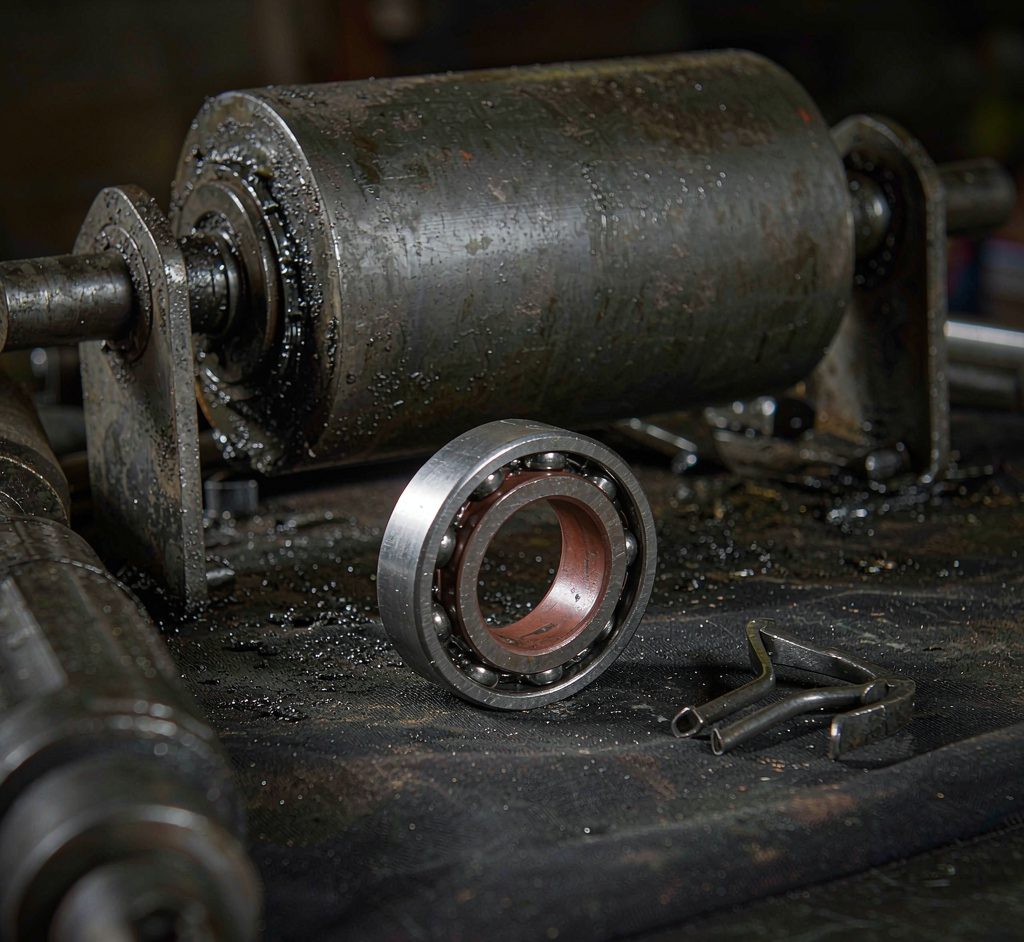
- Maintenance, spares and energy accumulate to a multiple of the annual service contract.
- Availability matters more than rated throughput — a machine that runs is worth more than a faster one that stops.
- Labour is often the largest operating line and the one least affected by the machine choice.
- Ask for the model inputs from each vendor; refusal to provide them is itself information.
Building the Cost Model
A five-year model has seven lines, and the point is that each is separately estimable.
| Cost line | What it covers | What drives it |
|---|---|---|
| Capital | Machine and immediate scope | Throughput, chute count, family |
| Installation | Mechanical, electrical, commissioning | Site conditions and integration scope |
| Maintenance | Preventive service and callouts | Machine complexity and duty cycle |
| Spares | Wear parts and critical spares | Component count and supplier stocking |
| Labour | Operators, cleaning, manual handling | Automation level and jam frequency |
| Energy | Motors, controls, ancillaries | Running hours and drive design |
| Downtime | Lost throughput during stoppages | Availability and response time |
The scope items that sit outside the machine quote are covered in our cross belt sorter budget guide, and the family-level context in our parcel sortation overview.
Availability Beats Rated Throughput
Two machines with the same rated throughput and different availability do not deliver the same output.
| Concept | What it means | Why it matters to cost |
|---|---|---|
| Rated throughput | The machine’s nameplate capacity | Only achievable if the machine runs |
| Availability | Share of operating time the machine is actually running | Directly scales effective capacity |
| Mean time to repair | How long a stoppage takes to clear | Drives the downtime cost line |
| Spare-parts response | How fast a critical part arrives | Converts a short stop into a long one if slow |
A machine with slightly lower rated throughput and materially higher availability usually sorts more parcels per year and costs less per parcel. Ask each vendor for their availability figure and how it is measured, not just their throughput figure.
Comparing Two Proposals on Cost per Parcel
Build one table, populate it from both proposals, and divide by your annual parcel volume.
| Step | What to do |
|---|---|
| 1. Fix the volume | Use the same annual and peak parcel count for both |
| 2. Populate all seven lines | From vendor-supplied inputs, not estimates you invent |
| 3. Apply availability | Scale effective capacity by each machine’s availability |
| 4. Divide by volume | Cost per parcel sorted, over five years |
| 5. Sensitivity test | Re-run at half and double volume to see which wins where |
The sensitivity step matters because the ranking often flips with volume. A machine with low capital and high maintenance wins at low volume; the reverse wins at high volume. Knowing where your operation sits, and where it will be in five years, is the decision. The family-level cost differences behind this are compared in our narrow belt guide and our swivel wheel guide.
What to Ask Each Vendor
Four requests make the model real: the preventive maintenance schedule and its cost, the critical spares list with prices and stocking location, the availability figure and how it is measured, and the energy consumption at typical load. A vendor who supplies all four is giving you a model; one who supplies a capital price is giving you a quote.
Frequently Asked Questions
What is total cost of ownership for a sorter?
The full lifetime cost: capital, installation, maintenance, spares, labour, energy and downtime, divided by the parcels sorted. It is the only fair basis for comparing machines.
Is the cheapest sorter the cheapest to own?
Often not. Low capital cost frequently comes with higher maintenance, spares or lower availability, which reverses the ranking once cost per parcel is calculated.
Why does availability matter more than rated throughput?
Because a machine that runs at slightly lower capacity outperforms a faster machine that stops. Availability directly scales effective capacity.
What is usually the largest operating cost?
Labour, in most operations. It is also the line least affected by which sorter you buy, which is why automation level and jam frequency matter.
What should I ask a sorter vendor for?
The maintenance schedule and cost, the critical spares list with prices and stocking location, the availability figure and its measurement basis, and energy consumption at typical load.
Does the cost ranking change with volume?
Usually yes. Low capital with high maintenance wins at low volume; the reverse wins at high volume. Run the model at half and double volume before deciding.
How far ahead should the model look?
Five years is a practical horizon for a sorter: long enough for maintenance and spares to dominate, short enough that the volume forecast is still credible.
Technical background: total cost of ownership, depreciation and predictive maintenance explain the cost framework and the maintenance approach referenced above.