
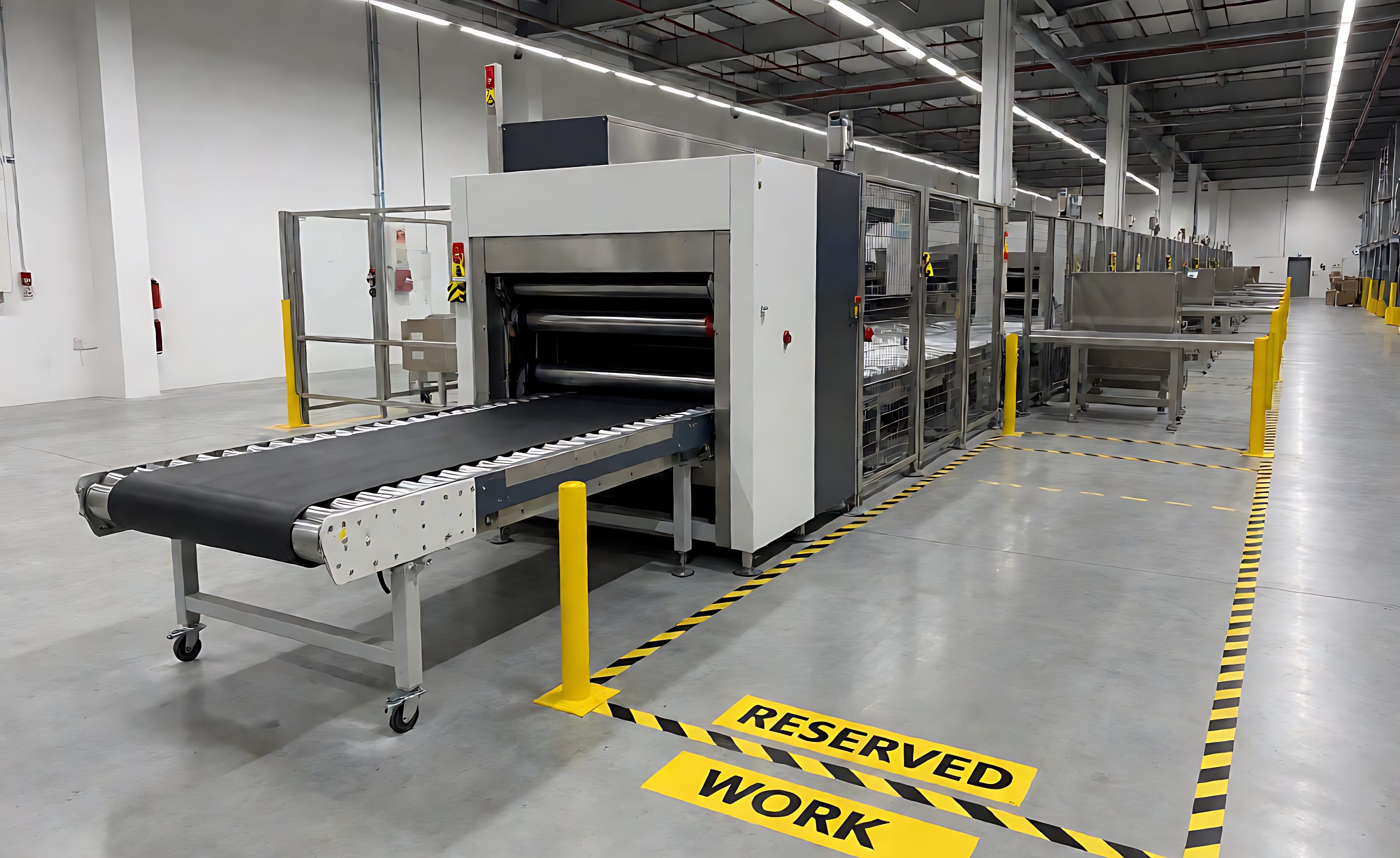

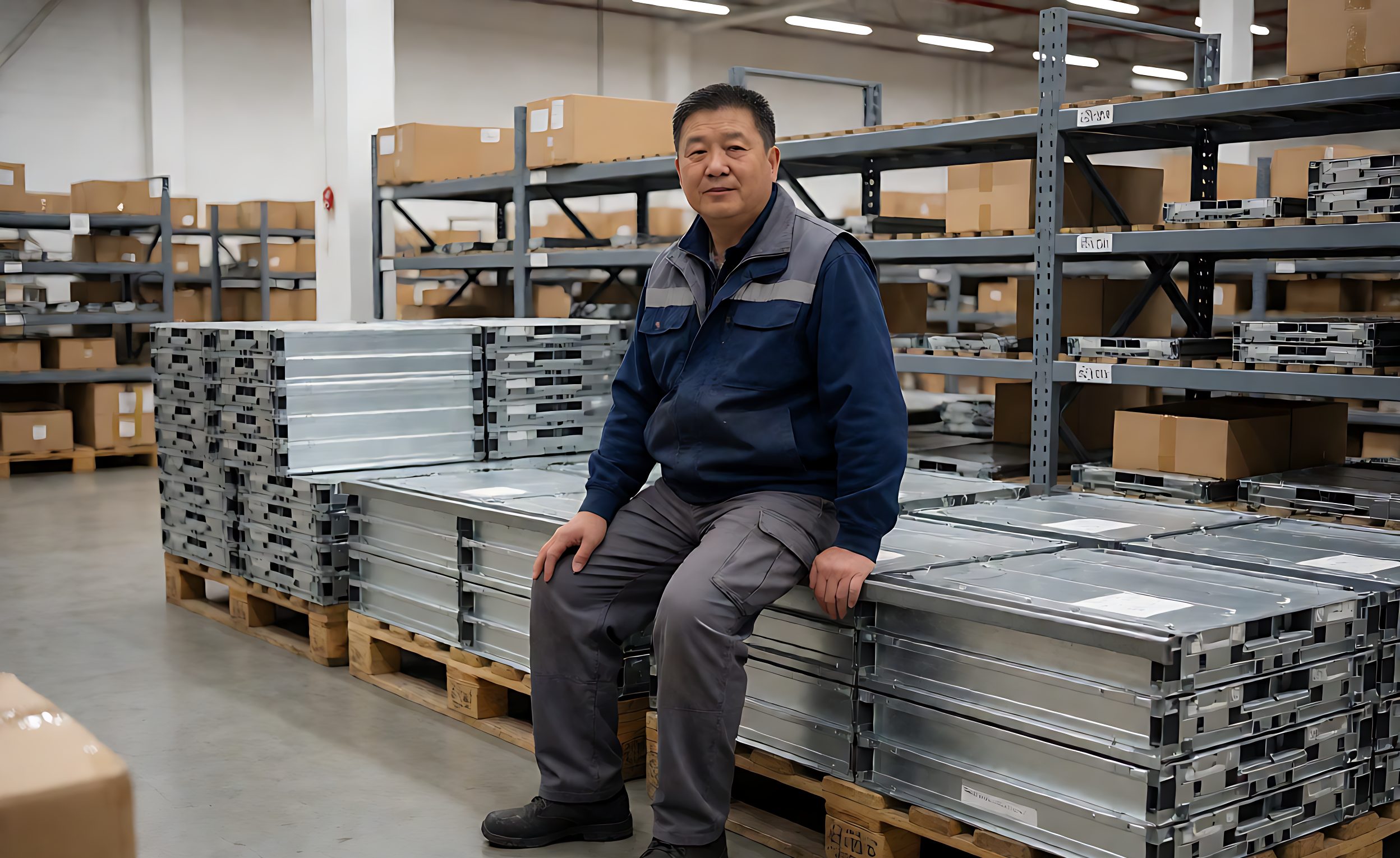

In 2025, the logistics industry is entering a new era of intelligence and sustainability. Digital transformation is reshaping every step of the supply chain — from automated warehouses to AI-powered route optimization. Companies are focusing on data-driven operations to improve efficiency, reduce costs, and respond faster to market demands. Smart technologies such as robotic sorting systems, automated conveyors, and real-time tracking platforms are now essential for achieving speed and accuracy in logistics centers. These innovations allow seamless coordination between people, machines, and data. Meanwhile, green logistics is becoming a global priority. Electric vehicles, recyclable materials, and energy-efficient warehouses are helping logistics providers reduce their environmental footprint. Sustainability is no longer an option — it’s a core business strategy for long-term success. As a leading logistics solution provider, TRUELISORT is committed to supporting this transformation. Our intelligent sorting and conveyor systems are designed to deliver reliability, efficiency, and environmental responsibility — helping partners build smarter and greener supply chains.
Sustainability That Survives the Audit Trail
Smart, efficient and sustainable are one agenda only when each can be evidenced. The sustainability layer, made auditable:
| Claim | Audit-trail evidence | Failure mode when absent |
|---|---|---|
| Energy per parcel | Sub-metered kWh per thousand, trended monthly | Green claims rest on nameplate estimates |
| Waste reduction | Damaged-parcel rate trend; packaging reuse loop | Damage quietly becomes landfill |
| Space efficiency | Throughput per square metre, year on year | New builds justified by growth that automation could absorb |
| Longevity | Upgrade path in contract; decade-old loops still current | Early replacement becomes the hidden footprint |
Longevity is the sustainable claim nobody markets and every auditor should ask about. The greenest sorter is the one already built: steel formed, motors wound, concrete poured — a decade-old loop upgraded in software beats a new machine on every embodied-carbon measure. That reframes the upgrade-path clause from commercial fine print into environmental policy, and it rewards buyers who weigh a vendor’s decade-old installed base still running current software. Facilities that keep this evidence trail discover a further dividend: sustainability reporting that once cost weeks of annually reconstructed estimates becomes a query against logged data. Green that is measured is also green that is managed — the meter installed for cost per parcel turns out to be the same one that answers the auditor. The energy measurement habit is in the meter justifies the movement, and the efficiency stack in four layers of value. Reference: sustainable logistics and life-cycle assessment.
Sustainability claims increasingly meet the same scrutiny as financial ones, and sorting operations can prepare by keeping their environmental numbers audit-ready: energy per order trended, waste streams weighed, carrier consolidation documented. Third-party verification is migrating from certificates to data, and operations whose numbers were born auditable pass the shift without a scramble. Reference: sustainability reporting and greenwashing risk.
Smarter, Faster, Greener — In That Order
The three adjectives are sequential: smarter systems produce faster flows, and faster flows produce greener logistics because density rises before fleet changes. Operations chasing the third adjective directly usually find the first two buy it — the green gain falls out of the efficiency work rather than beside it.