

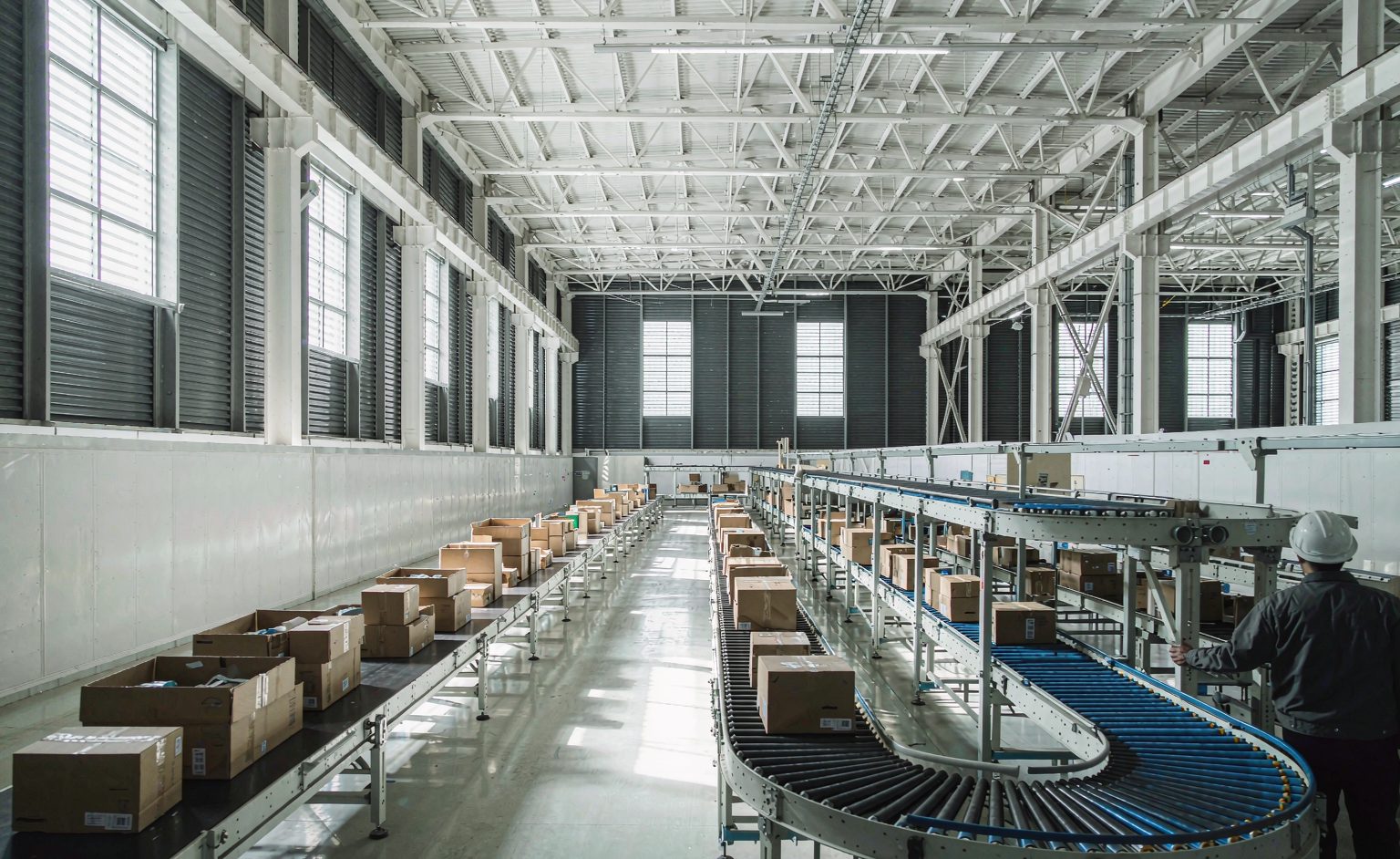
In recent years, logistics and warehousing have undergone a massive transformation driven by the rise of e-commerce and global supply chain complexity. Among the many technologies reshaping the sector, intelligent sorting systems are becoming essential tools for companies looking to remain competitive.
Automation and AI at the Core
Modern sorting systems integrate artificial intelligence, machine vision, and robotic arms to automatically identify, weigh, scan, and sort packages with minimal human intervention. These systems can handle thousands of parcels per hour, significantly reducing labor costs and human error while increasing operational speed and accuracy.
Real-Time Data for Smarter Decisions
Today’s logistics sorting machines are connected to centralized management platforms that provide real-time data on item flow, equipment status, and bottlenecks. This enables managers to make rapid decisions, allocate resources more effectively, and even predict maintenance needs before failures occur.
Sustainability and Space Efficiency
As environmental concerns grow, many sorting systems are designed with energy efficiency in mind. Compact systems like narrow-belt sorters or modular cross-belt sorters allow for flexible layouts in limited warehouse spaces, making them ideal for urban or last-mile distribution centers.
Conclusion
In the digital age, investing in intelligent sorting technology is no longer a luxury—it’s a necessity. As customer expectations rise, the logistics industry must embrace automation to deliver faster, more accurate, and more sustainable services.
Intelligence, in Practice: The Three Decisions a Sorter Makes
“Intelligent automation” becomes concrete when you count the decisions. A modern sorter makes three, at different speeds:
| Decision | What it chooses | Time budget |
|---|---|---|
| Identification | What is this parcel? (barcode, weight, shape) | Milliseconds, per parcel |
| Routing | Where does it go, given today’s rules? | Milliseconds, per parcel |
| Adaptation | How should rules change, given this week’s data? | Hours to days, per profile |
Splitting the layers prevents two opposite confusions. Vendors blur them to claim intelligence everywhere; skeptics blur them to dismiss real capability. The first two decisions are solved engineering — judged by rate and accuracy, boring in the best sense. The third decision is where recent progress concentrates and where buyer attention pays: systems that recommend rule changes from their own accumulated data, with a human approving, put the warehouse’s history to work without surrendering control. When evaluating claims, ask which layer the vendor’s “intelligence” lives in. If the answer is the first two, you are buying competent standard capability — fine, price it as such. If the third, ask to see an adaptation actually made: what data triggered it, what changed, what the measured result was. That single demonstration separates genuine learning systems from marketing adjectives. The decision architecture is detailed in sensing, deciding, acting, and the automation layer in automation driving the future. Reference: decision support systems and automation.
The adaptation layer’s design also decides trust: recommendations surfaced with their triggering data, applied only after a human approval that is logged, teach the operation what the system learned — and the audit trail keeps automation bias out of the loop. Reference: human-in-the-loop design and automation bias.
Sensing, Deciding, Acting
The intelligence described here runs in three layers — sensing at induction, deciding in software, acting at the divert — and the layers are separable: shops can upgrade decision logic before hardware, capturing gains without capex. The layer-by-layer mechanics are in the intelligence layers guide.