

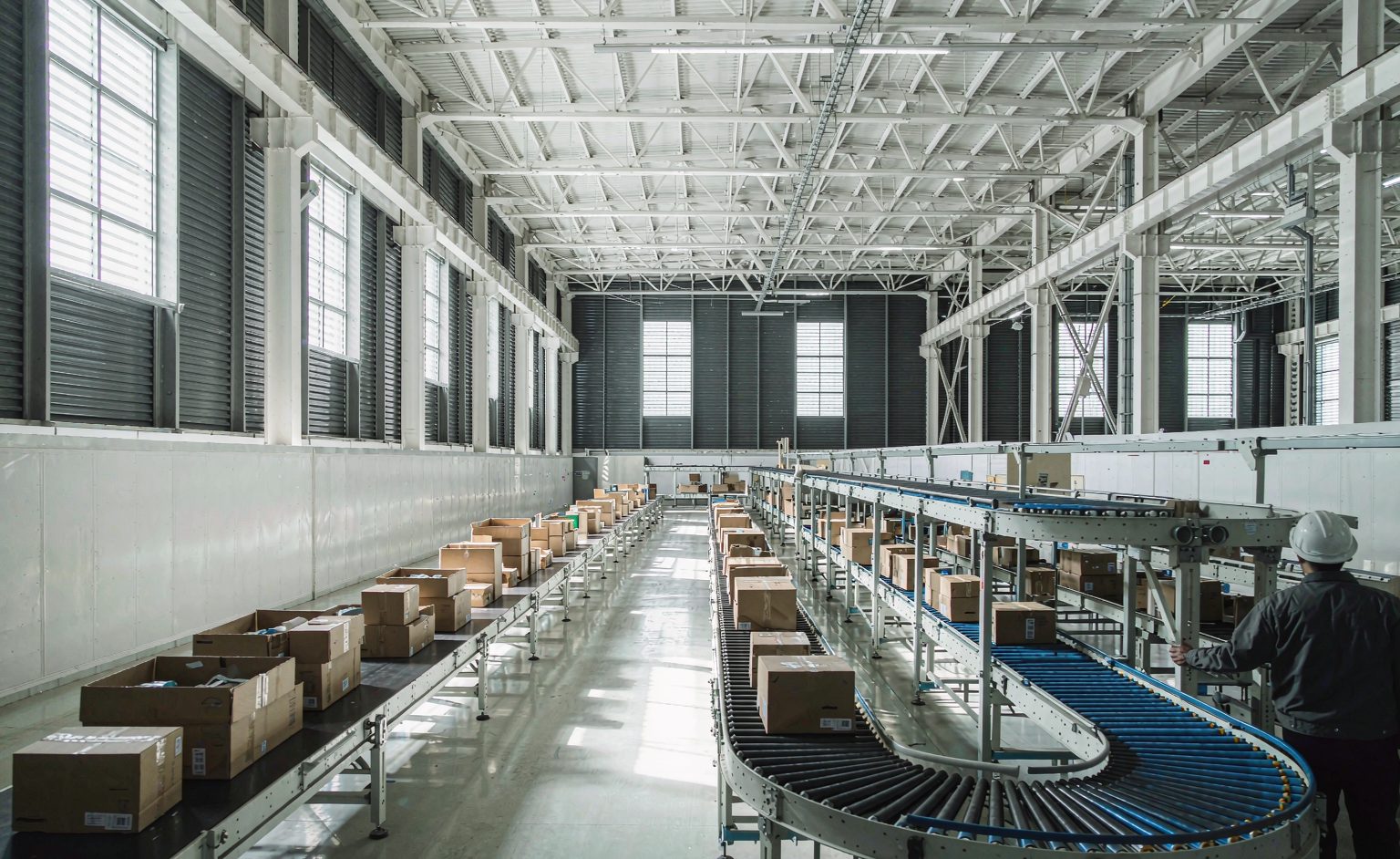
As e-commerce continues to grow at an exponential rate, the logistics and supply chain industry must evolve to keep pace with demand. One of the most significant advancements in this space is warehouse automation. By integrating advanced technologies like Artificial Intelligence (AI), robotics, and Internet of Things (IoT) devices, warehouses are becoming smarter, more efficient, and cost-effective.
Automation Benefits:
-
Increased Efficiency: Automated systems can work around the clock, drastically reducing the time it takes to pick, pack, and ship products. AI-powered robots and conveyors streamline the entire operation, reducing human error and improving overall productivity.
-
Improved Accuracy: Automation reduces the likelihood of mistakes during order fulfillment. With precise inventory tracking and real-time data analytics, warehouses can achieve near-perfect accuracy rates.
-
Cost Reduction: While the initial investment may be high, the long-term cost savings are significant. Automation reduces the need for human labor, minimizes waste, and enhances supply chain visibility, which allows businesses to optimize resources and reduce unnecessary costs.
-
Scalability: Automated warehouses can easily adapt to fluctuations in demand, such as seasonal peaks. As consumer behavior shifts, automated systems can handle increased volumes of orders without the need for drastic infrastructure changes.
Challenges to Overcome:
Despite the clear benefits, there are still some hurdles that businesses must overcome when adopting automation in their warehouses. These include:
-
Initial Costs: The upfront investment in automation equipment and software can be significant, which might be a barrier for small to mid-sized companies.
-
Integration: Integrating new automation systems with legacy systems can be complex and time-consuming.
-
Workforce Transition: While automation can reduce labor costs, it also means that certain jobs may become obsolete. Companies need to focus on retraining workers for more specialized roles in the evolving logistics ecosystem.
, warehouse automation is transforming the logistics landscape. Companies that embrace these advancements will not only stay competitive but will also be positioned for long-term success in the rapidly changing e-commerce environment.
Smart Technology, Grounded: What the Warehouse Actually Embraces
“Embracing smart technology” reads aspirational; the warehouse floor embraces specific things:
| Technology embraced | What it replaces | Adoption barrier in practice |
|---|---|---|
| Barcode-plus-weight capture | Manual tallies at induction | Label quality on mixed parcels |
| Software destination maps | Re-patched divert chutes | Who owns the map between changes |
| Exception queues with photos | Walking the loop to find problems | Camera coverage at the right spots |
| Hourly rate dashboards | End-of-shift summaries | Supervisor habit, not hardware |
The last row is the one implementations underestimate: dashboards installed without changing the supervisor’s rhythm become wallpaper within a quarter, while the same dashboard reviewed at a standing hourly check-in changes decisions from day one. The map-ownership row is the governance twin — software-defined destinations only stay smart when someone is named to keep them true, and the warehouses that embrace technology most successfully are the ones whose embrace includes people and process, not just procurement. The future-facing technologies that survive scrutiny are in trends that survive scrutiny, and the adoption patterns in adoption patterns that separate outcomes. Reference: automation in industry and warehouse operations.