

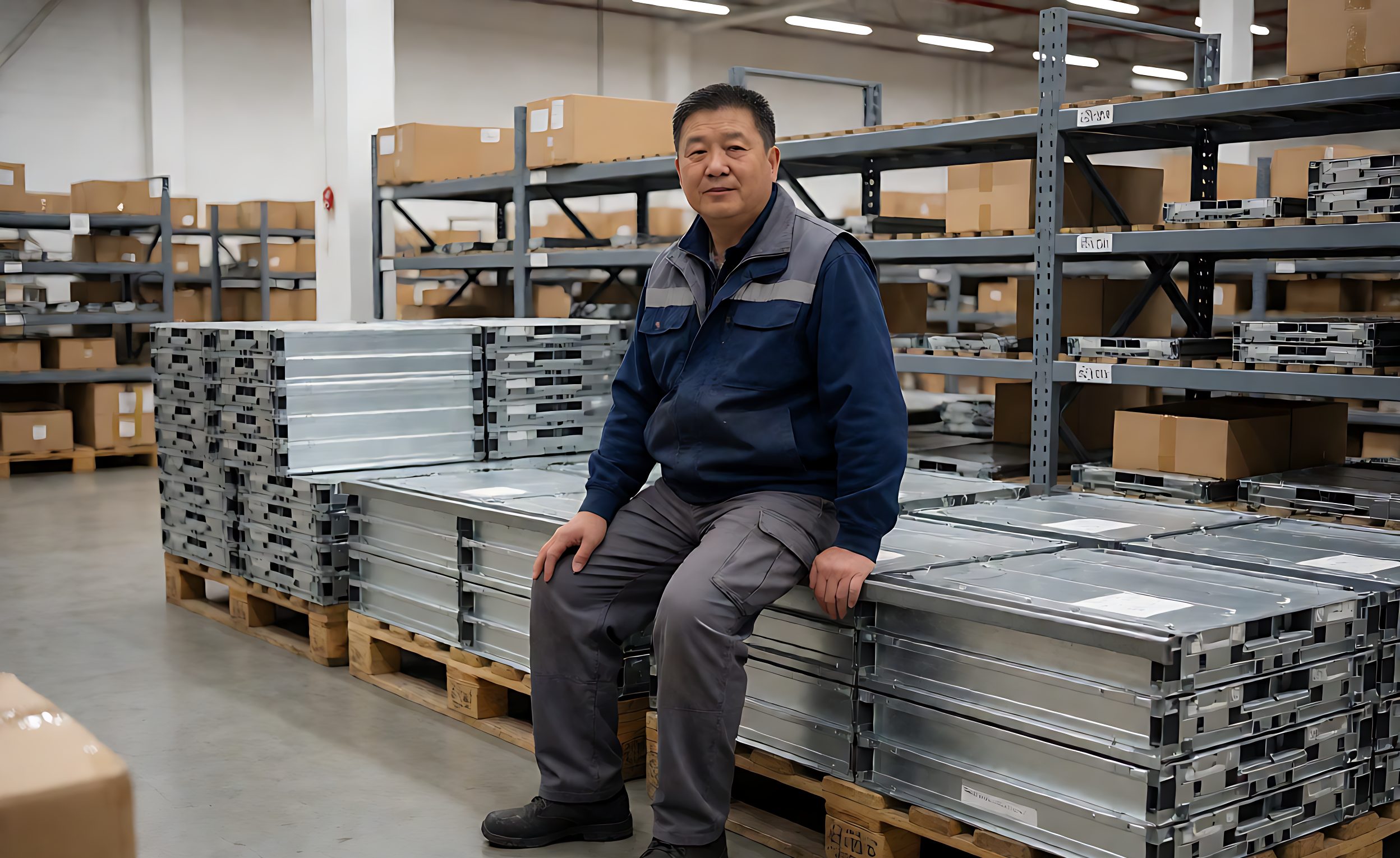


The logistics industry has been undergoing a rapid transformation in recent years, driven by globalization, e-commerce, and technological innovation. Companies are no longer relying on traditional manual processes. Instead, automation and digitalization have become the core strategies to improve efficiency, reduce costs, and meet the increasing demand for faster deliveries.
One of the most significant trends is the rise of intelligent sorting systems. Automated sorters, DWS (Dimensioning, Weighing, and Scanning) systems, and conveyor solutions enable logistics providers to handle a higher volume of parcels with greater accuracy. These technologies reduce labor dependency and minimize errors, which are critical in today’s fast-paced market.
Another key development is the integration of AI and data analytics. Real-time tracking, predictive analytics, and warehouse management software are helping companies make smarter decisions. By using data-driven insights, logistics providers can optimize routes, manage inventory more effectively, and improve customer satisfaction.
Sustainability is also reshaping the industry. With global emphasis on carbon reduction, logistics companies are investing in green transportation solutions, such as electric vehicles and energy-efficient equipment. Automation further supports this goal by minimizing wasted resources and streamlining operations.
Looking ahead, the logistics sector will continue to evolve with smart warehouses, autonomous vehicles, and advanced robotics. Companies that embrace these innovations will not only gain a competitive edge but also build a more resilient and sustainable supply chain for the future.
Industry Transformation, Measured in Constraints Removed
Logistics transformation is easier to feel than to measure. One honest yardstick: count the constraints that no longer bind:
| Constraint of a decade ago | Status today | What replaced it |
|---|---|---|
| Sort speed capped by human tally | Largely removed | Automated rate with audit trails |
| Accuracy traded against speed | Largely removed | Machine accuracy at machine rate |
| Knowledge trapped in veterans | Partly removed | Rules and profiles in software |
| Peak capacity = peak headcount | Partly removed | Designed headroom and rehearsed profiles |
The two “partly removed” rows mark where the industry’s next decade of work sits, and they are organizational before they are technical. Knowledge capture into software happens only where operations treat their veterans’ rules as data worth encoding; peak capacity decoupling happens only where profiles are rehearsed, not merely sized. Transformation measured this way also resists hype: a vendor claiming transformation can be asked which constraint, exactly, their system removes, by how much, measured how — and the serious ones answer with numbers while the rest answer with adjectives. Counting removed constraints also explains the industry’s uneven feel: firms that cleared the first two rows compete on service innovation, while those still carrying them compete on cost, and the strategies barely speak the same language. The e-commerce arc of this story is in sorting’s rise in e-commerce, and the end-state picture in smart, efficient, sustainable. Reference: digital transformation and supply chains.
Removing one constraint also exposes the next, which is why transformation feels endless to the unprepared and generative to the prepared: each removed constraint reveals where the system now actually binds. Reading the sequence — tally, accuracy, knowledge, capacity — as a staircase rather than a list turns industry transformation into a map of where your own site stands. Reference: systems thinking and emergent constraints.