
Modern logistics moves at extraordinary speed. E-commerce fulfillment centers, courier hubs, airport cargo facilities, and distribution warehouses all depend on automated sorting systems to process thousands — sometimes hundreds of thousands — of parcels every hour. At the center of many high-speed facilities is one of the most sophisticated pieces of material-handling equipment ever developed: the cross-belt sorter.
Cross-belt sorting systems are designed for speed, accuracy, flexibility, and continuous operation. But while many maintenance teams know how to replace a worn belt, tighten a chain, or swap out a motor, far fewer truly understand why failures occur in the first place.
And that difference matters.
Reactive maintenance fixes symptoms. Advanced mechanical maintenance solves root causes.
In today’s highly automated logistics environment, maintenance teams are no longer judged simply by how quickly they repair breakdowns. They are evaluated based on:
- System uptime
- Mean time between failures
- Energy efficiency
- Sorting accuracy
- Spare parts consumption
- Predictive maintenance capability
- Long-term equipment reliability
This article explores advanced mechanical maintenance strategies for cross-belt sorters, focusing not only on what technicians should do, but also why failures happen and how deeper mechanical understanding leads to dramatically improved system performance.
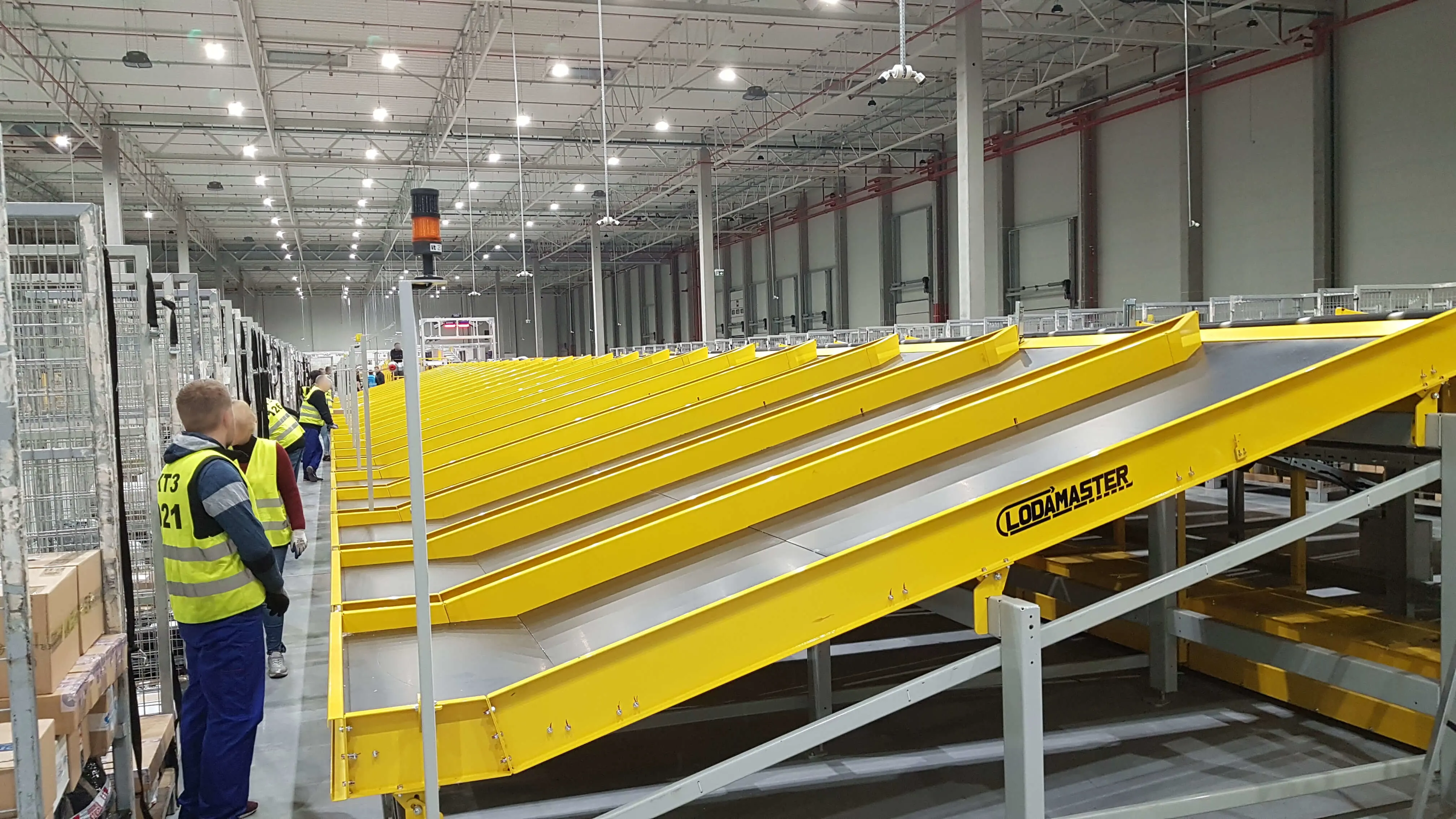
What Is a Cross-Belt Sorter?
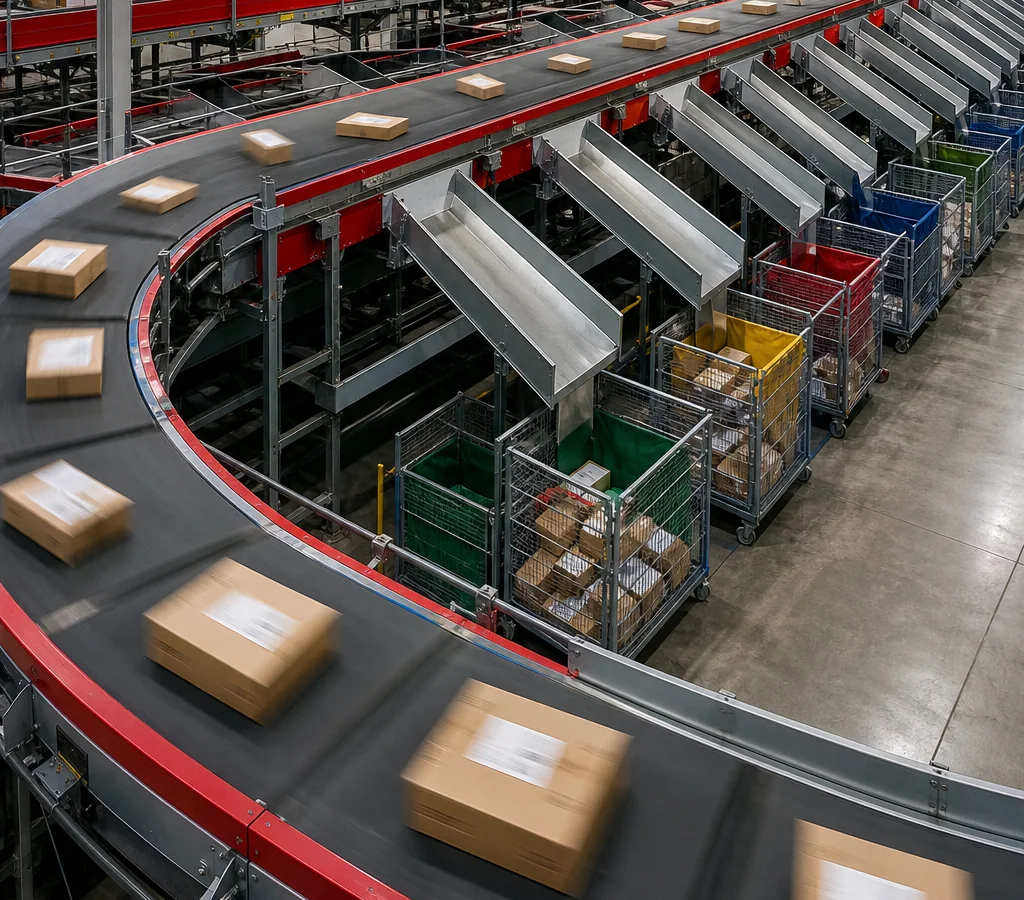
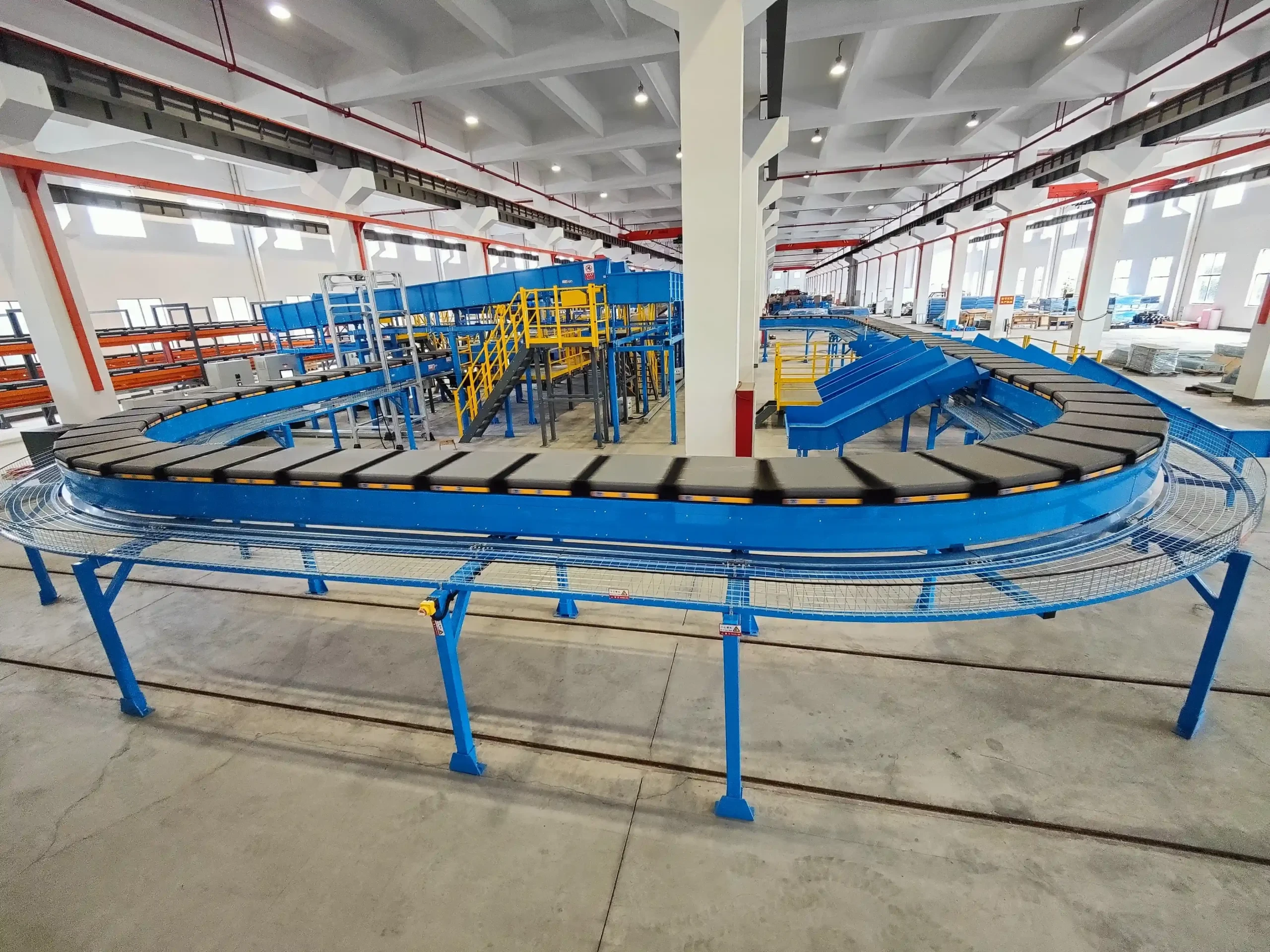
A cross-belt sorter is an automated material handling system designed to transport and divert parcels, packages, cartons, polybags, and other items to designated destinations at high speed.
Unlike tilt-tray sorters or sliding shoe sorters, cross-belt systems use individual carrier carts equipped with small conveyor belts mounted perpendicular to the main track direction.
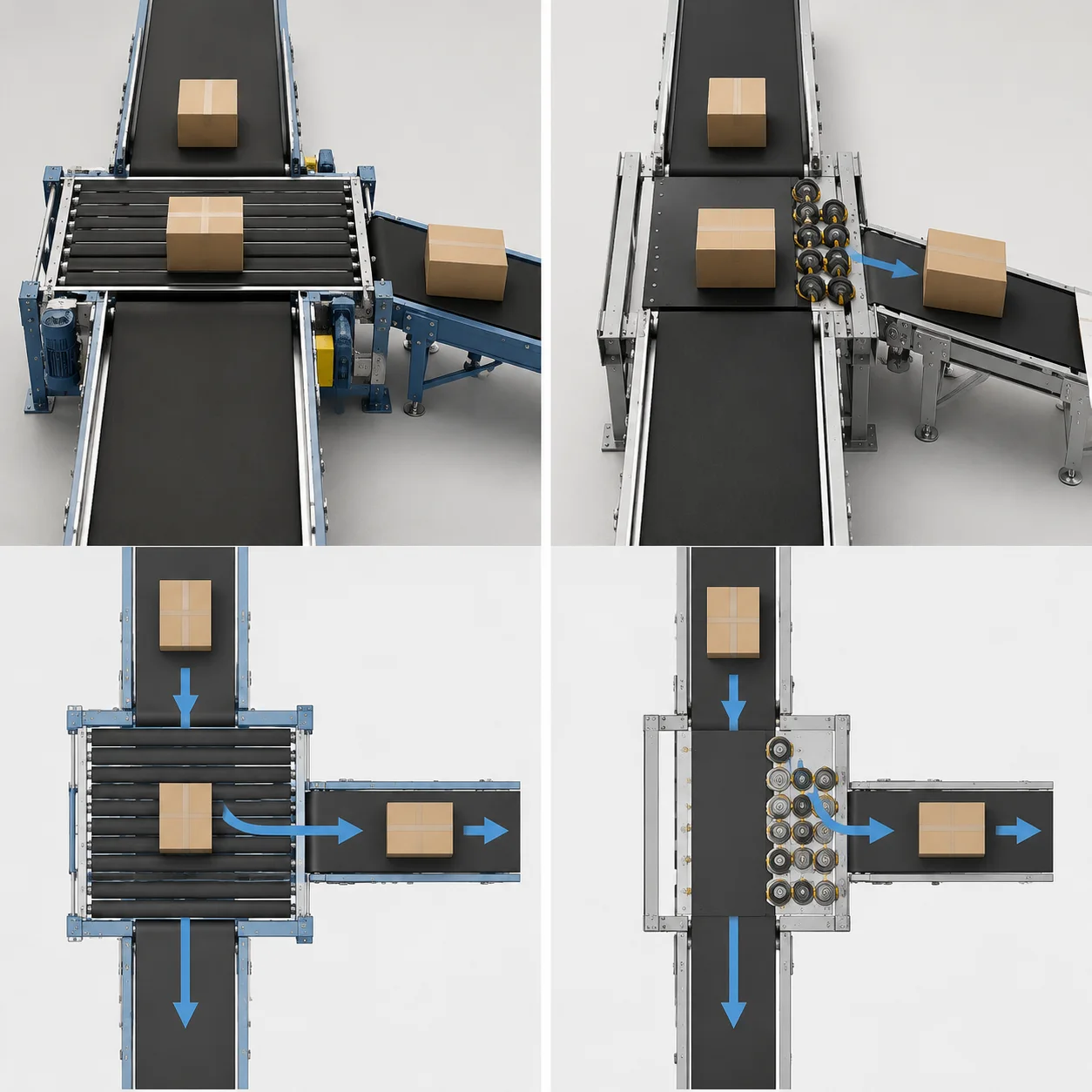
When a package reaches its assigned destination, the cross-belt conveyor activates and transfers the item sideways into a chute, conveyor, or container.
Why Cross-Belt Sorters Dominate Modern Logistics
Cross-belt sorting systems have become increasingly popular because they offer:
- High sorting accuracy
- Gentle product handling
- Extremely high throughput
- Flexible package compatibility
- Low damage rates
- Quiet operation
- Excellent scalability
They are widely used in:
- E-commerce fulfillment centers
- Courier and parcel hubs
- Airport baggage systems
- Pharmaceutical logistics
- Apparel distribution
- Grocery automation
- Third-party logistics facilities
However, these systems also introduce significant mechanical complexity.
Why Mechanical Maintenance Is More Critical Than Ever
Many modern facilities invest heavily in:
- AI software
- Warehouse management systems
- Barcode scanners
- Robotics
- Automation controls
Yet the physical mechanical system still determines whether parcels actually move reliably.
Even the most advanced control software becomes useless if:
- Bearings fail
- Belts mistrack
- Chains elongate
- Rollers seize
- Drive systems vibrate excessively
- Carrier alignment deteriorates
Mechanical reliability remains the foundation of sorter performance.
The Difference Between Basic Maintenance and Advanced Maintenance
Basic Maintenance
Basic maintenance typically focuses on:
- Lubrication
- Belt replacement
- Visual inspection
- Cleaning
- Emergency repairs
These tasks are essential but often reactive.
Advanced Mechanical Maintenance
Advanced maintenance focuses on:
- Root-cause analysis
- Failure pattern recognition
- Mechanical system interaction
- Load dynamics
- Wear prediction
- Vibration interpretation
- Reliability engineering
In other words, advanced maintenance asks:
“Why did this failure occur?”
instead of simply:
“How do we replace this component?”
Core Mechanical Components of a Cross-Belt Sorter
To understand advanced maintenance, technicians must first understand the major mechanical systems involved.
1. Main Drive System
The drive system powers the sorter loop and maintains consistent conveyor velocity.
Typical components include:
- Drive motors
- Gearboxes
- Couplings
- Drive chains
- Sprockets
- Torque arms
- Variable frequency drives
Common Advanced Issues
Torque Shock
Frequent starts and stops generate torque spikes that stress:
- Couplings
- Bearings
- Chains
- Keyways
Harmonic Vibration
Poor alignment or worn couplings can create vibration resonance throughout the sorter structure.
Gearbox Thermal Stress
Overloaded or poorly lubricated gearboxes develop elevated temperatures that accelerate wear.
Advanced Maintenance Strategy
Instead of only replacing failed parts:
- Monitor vibration signatures
- Analyze thermal patterns
- Track gearbox oil contamination
- Measure alignment tolerances
- Trend motor current fluctuations
Understanding these patterns helps predict failures before catastrophic breakdowns occur.
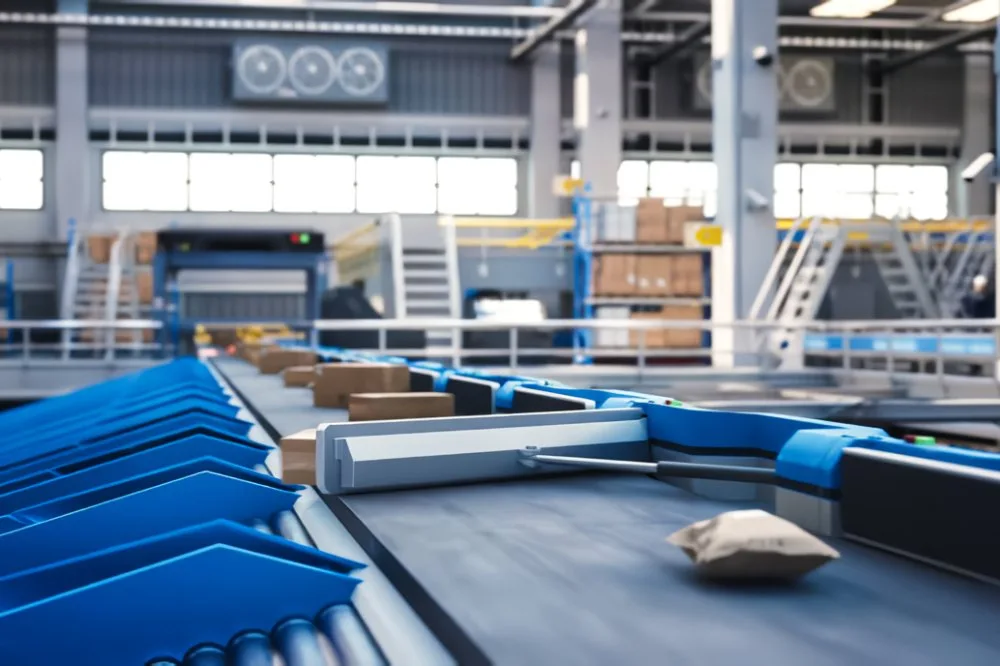
2. Carrier Assemblies
Carrier assemblies are the heart of the cross-belt sorter.
Each carrier contains:
- Cross-belt conveyor
- Wheels
- Bearings
- Belt tension systems
- Drive interfaces
- Structural frame
Large systems may contain hundreds or thousands of carriers.
Why Carrier Failures Are So Dangerous
One failed carrier can create cascading problems:
- Product jams
- Belt tracking issues
- Sensor failures
- Throughput reduction
- Track damage
- Emergency shutdowns
Common Carrier Wear Patterns
Uneven Wheel Wear
Often caused by:
- Misaligned rails
- Structural deformation
- Uneven loading
- Improper wheel material selection
Belt Edge Fraying
Usually linked to:
- Improper tension
- Roller misalignment
- Frame distortion
- Debris contamination
Bearing Fatigue
High-speed repetitive motion creates rolling fatigue in carrier bearings.
Advanced Carrier Maintenance
Elite maintenance teams track:
- Individual carrier history
- Failure intervals
- Vibration anomalies
- Wheel diameter wear
- Dynamic balance changes
Instead of treating all carriers equally, they identify “problem carriers” before they fail.
3. Track System Maintenance
The sorter track guides carriers throughout the system loop.
Track systems endure:
- Continuous wheel contact
- High-speed dynamic loading
- Thermal expansion
- Structural vibration
Why Track Geometry Matters
Even slight track deviations can create:
- Increased wheel wear
- Carrier instability
- Vibration amplification
- Belt tracking problems
Advanced Track Inspection Methods
Modern facilities increasingly use:
- Laser alignment systems
- Digital geometry scanning
- Vibration mapping
- Thermal imaging
These tools reveal issues invisible to visual inspection.
Hidden Causes of Track Damage
Structural Settlement
Warehouse floor movement gradually shifts sorter alignment.
Expansion and Contraction
Temperature fluctuations change track dimensions.
Dynamic Fatigue
Repeated loading cycles slowly deform support structures.
4. Belt Systems and Conveyor Dynamics
The small conveyor belts on each carrier appear simple but represent one of the most maintenance-intensive components.
Common Belt Problems
Belt Mistracking
Causes include:
- Roller misalignment
- Uneven tension
- Pulley wear
- Structural distortion
Belt Slippage
Often caused by:
- Inadequate tension
- Contamination
- Worn drive rollers
Premature Belt Wear
Usually linked to:
- Improper material selection
- Excessive friction
- Poor splice quality
- Heat buildup
Understanding Belt Physics
Advanced technicians understand that belts are dynamic systems influenced by:
- Tension vectors
- Friction coefficients
- Load distribution
- Pulley geometry
- Rotational inertia
Without understanding these principles, maintenance becomes guesswork.
5. Bearings: The Most Common Mechanical Failure Point
Bearings are often the first mechanical component to fail in high-speed sortation systems.
Cross-belt sorters may contain thousands of bearings.
Why Bearings Fail
Lubrication Breakdown
Too little lubrication causes friction.
Too much lubrication causes heat buildup and seal damage.
Contamination
Dust, debris, and packaging particles infiltrate bearing surfaces.
Misalignment
Even minor angular misalignment dramatically reduces bearing life.
Electrical Damage
Variable frequency drives may generate stray electrical currents that damage bearing surfaces.
Advanced Bearing Maintenance
High-level maintenance programs use:
- Ultrasonic inspection
- Vibration spectrum analysis
- Oil analysis
- Thermal imaging
- Predictive replacement scheduling
These methods reduce unplanned downtime dramatically.
The Importance of Vibration Analysis
Vibration analysis is one of the most valuable advanced maintenance tools for cross-belt sorters.
Every rotating mechanical component produces vibration signatures.
Changes in those signatures reveal developing problems.
What Vibration Can Reveal
Vibration monitoring can detect:
- Bearing fatigue
- Shaft misalignment
- Imbalance
- Looseness
- Gear damage
- Structural resonance
Long before visible failure occurs.
Why Reactive Maintenance Fails
Many facilities still operate under reactive maintenance models:
- Equipment fails
- Production stops
- Technicians repair system
- Operations resume
This approach creates:
- Emergency labor costs
- Spare parts shortages
- Delivery delays
- Higher downtime
- Increased stress on staff
Predictive Maintenance: The Future of Sorter Reliability
Predictive maintenance shifts maintenance from reactive to proactive.
Instead of waiting for failure, facilities monitor equipment condition continuously.
Key Predictive Technologies
IoT Sensors
Sensors monitor:
- Temperature
- Vibration
- Motor current
- Speed
- Load
AI-Based Analytics
Machine learning systems identify abnormal operating patterns before breakdowns occur.
Digital Twins
Some advanced facilities use digital replicas of sorter systems to simulate wear and predict maintenance needs.
Lubrication Engineering: More Than Just Grease
One of the biggest maintenance misconceptions is that lubrication is simple.
In reality, lubrication engineering is highly technical.
Choosing the Wrong Lubricant Causes Major Problems
Incorrect lubricants may lead to:
- Excessive friction
- Chemical incompatibility
- Seal degradation
- Heat buildup
- Accelerated wear
Factors That Influence Lubrication Selection
Technicians must consider:
- Operating temperature
- Rotational speed
- Load pressure
- Moisture exposure
- Dust contamination
- Material compatibility
Why Cleanliness Is a Mechanical Discipline
Dust and debris are major enemies of sorter reliability.
Cross-belt sorters constantly encounter:
- Corrugated cardboard dust
- Plastic particles
- Labels
- Tape fragments
- Polybag residue
Why Contamination Causes Mechanical Failure
Debris contributes to:
- Bearing wear
- Belt slippage
- Sensor blockage
- Increased friction
- Overheating
Elite facilities treat cleanliness as a core engineering practice, not merely housekeeping.
Mechanical Alignment: Small Errors, Huge Consequences
Alignment errors are among the most underestimated causes of sorter problems.
Even tiny deviations can amplify over thousands of operational hours.
Common Alignment Problems
Creates wheel wear and carrier instability.
Shaft Misalignment
Damages couplings and bearings.
Pulley Misalignment
Causes belt mistracking and edge wear.
Precision Alignment Tools
Advanced maintenance teams increasingly rely on:
- Laser shaft alignment systems
- Digital calipers
- Dial indicators
- Optical geometry measurement
Spare Parts Strategy for Cross-Belt Sorters
Mechanical reliability depends heavily on intelligent spare parts management.
The Cost of Poor Spare Planning
Insufficient spare inventory may result in:
- Extended downtime
- Expedited shipping costs
- Production delays
- Emergency procurement
The Danger of Overstocking
Excess inventory creates:
- Storage costs
- Aging components
- Obsolete parts
- Capital inefficiency
Advanced Spare Parts Planning
Top facilities use data-driven inventory management based on:
- Failure history
- Usage cycles
- Criticality analysis
- Supplier lead times
- Predictive analytics
Training: The Most Overlooked Maintenance Tool
The most advanced maintenance technology still depends on technician skill.
Many failures worsen because technicians:
- Replace symptoms instead of causes
- Misdiagnose vibration patterns
- Over-lubricate components
- Ignore early warning signs
Advanced Maintenance Teams Think Differently
Elite technicians ask questions like:
- Why is this bearing overheating repeatedly?
- Why does this belt fail only on one carrier?
- Why does vibration increase only during peak loads?
- Why are failures clustered in one sorter zone?
This analytical mindset separates advanced maintenance from routine repair work.
Energy Efficiency and Mechanical Health
Mechanical inefficiency increases energy consumption.
Poorly maintained sorters often consume more power due to:
- Friction
- Misalignment
- Drag
- Excessive load
- Bearing resistance
Monitoring energy trends can reveal hidden mechanical problems.
Safety and Mechanical Reliability
Mechanical failures also create safety risks.
Potential hazards include:
- Flying debris
- Jammed packages
- Sudden stoppages
- Fire risk from overheating
- Pinch-point exposure
Advanced maintenance improves both uptime and workplace safety.
The Future of Cross-Belt Sorter Maintenance
Cross-belt sorter maintenance is rapidly evolving toward intelligent automation.
Future trends include:
- AI-driven diagnostics
- Autonomous inspection robots
- Real-time digital monitoring
- Self-lubricating components
- Smart bearings
- Predictive failure modeling
Maintenance technicians are becoming reliability engineers rather than simple repair personnel.
Building a Reliability-Driven Maintenance Culture
Technology alone cannot solve maintenance problems.
Facilities must build a culture focused on:
- Continuous improvement
- Root-cause analysis
- Data-driven decisions
- Cross-team communication
- Preventive thinking
The best maintenance organizations treat reliability as a strategic business function, not merely a repair department.
Final Thoughts
Cross-belt sorters are among the most advanced mechanical systems in modern logistics. Their speed and efficiency power the global flow of e-commerce, parcels, and automated distribution.
But true reliability requires more than replacing broken parts.
Advanced mechanical maintenance means understanding:
- Why failures occur
- How components interact
- What early warning signs reveal
- How dynamic forces affect wear
- Why predictive strategies outperform reactive repair
The future of sorter maintenance belongs to technicians and engineers who not only know what to do, but also understand why they are doing it.
That deeper level of understanding transforms maintenance from a cost center into a competitive advantage — improving uptime, reducing failures, extending equipment life, and ensuring that modern logistics systems continue running at the speed the world now expects.