Custom Parcel Sorting Systems. Engineered for Real Operations.

Application / Warehouse & Distribution Automation

Sorting Systems for Warehouses & Distribution

Warehouses and distribution centers move cartons and parcels between receiving, storage, picking and dispatch. TrueLiSort automates that movement with sortation and conveyor systems designed around the facility layout and order profile. Before adding automation, we map the material flow as it actually happens, so the system supports the process rather than forcing a new one.

Request a Layout Design
Conveyor Systems →

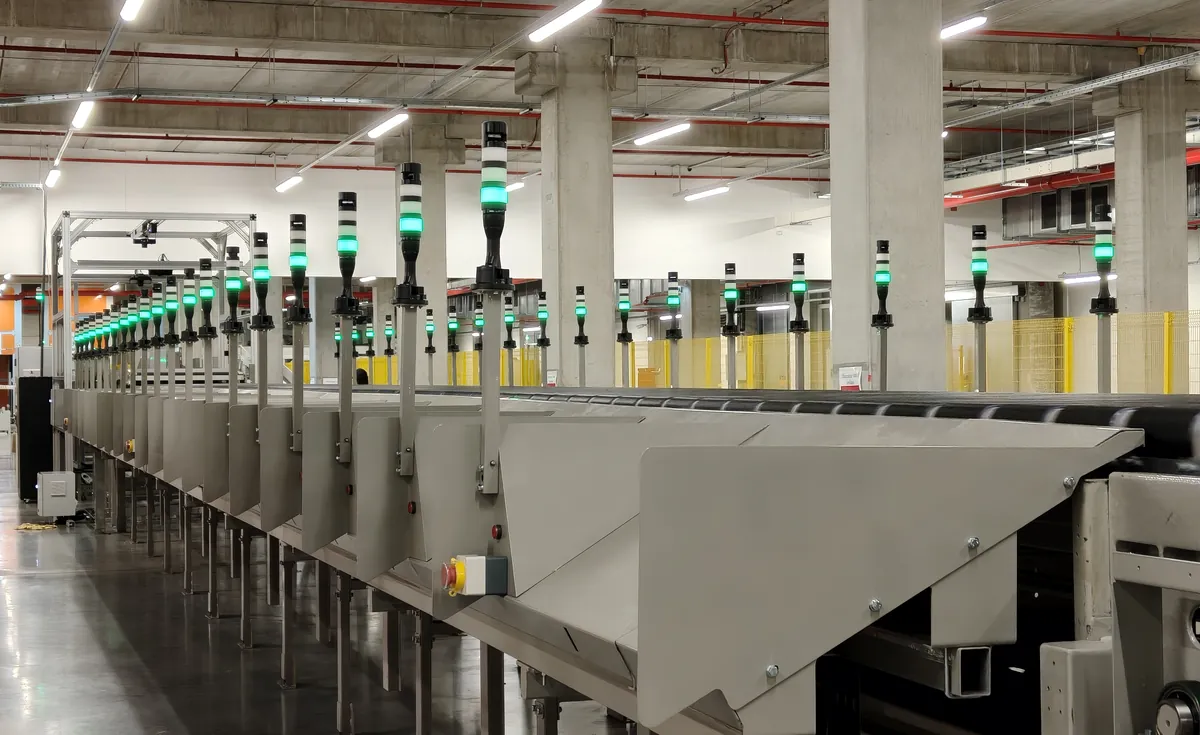
Conveyor system moving parcels through a distribution center

Integrated warehouse conveyor induction, parcel spacing and sortation routing across distribution zones.
Receiving • Storage • Picking • Dispatch

Map Material Flow Before Automating

Record who uses the system, how items are handled, the order pattern and the destinations. Define the decision the buyer needs to make, then describe the actual environment. A broad term like “warehouse automation” helps people find the topic, but a quote needs a defined model, use case and configuration. Ask suppliers to answer the same brief so the comparison reflects the product rather than different assumptions.

01. RECEIVING
Inbound cartons, decanting & dock staging
02. STORAGE
Buffer zones, replenishment & putaway
03. PICKING
Zone routing, batch consolidation & totes
04. DISPATCH
DWS verification, lane sort & loading
RFQ Standardization

Same Brief, Fair Comparison

To prevent suppliers from quoting incompatible assumptions, anchor every warehouse automation brief on:

  • Defined equipment model & use case
  • Actual operator & handling workflow
  • Verified order pattern & SKU mix
  • Explicit destination & lane matrix
Result: Quotes reflect true system fit, not hidden sizing shortcuts.

Choosing the Technology

Our sorting solutions compare each technology on the same item mix and peak-hour rate rather than guesswork:

Compare All Solutions →

Space-Sensitive Sites

Narrow Belt Sorter →

Space-sensitive operations often use a narrow belt sorter to achieve high destination density within existing aisle or mezzanine constraints.
Inline Carton Diversion

Swivel Wheel Sorter →

Conveyor-based carton diversion suits a swivel wheel sorter for smooth routing across shipping docks, receiving spurs and packaging lines.
High-Throughput Hubs

Cross Belt Sorter →

High-throughput, many-destination hubs use a cross belt sorter to route mixed cartons, polybags and parcels at sustained peak speeds.
Batch Order Consolidation

Put Wall System →

Batch-picked order consolidation uses a put wall to assemble multi-line store replenishment or e-commerce orders accurately.

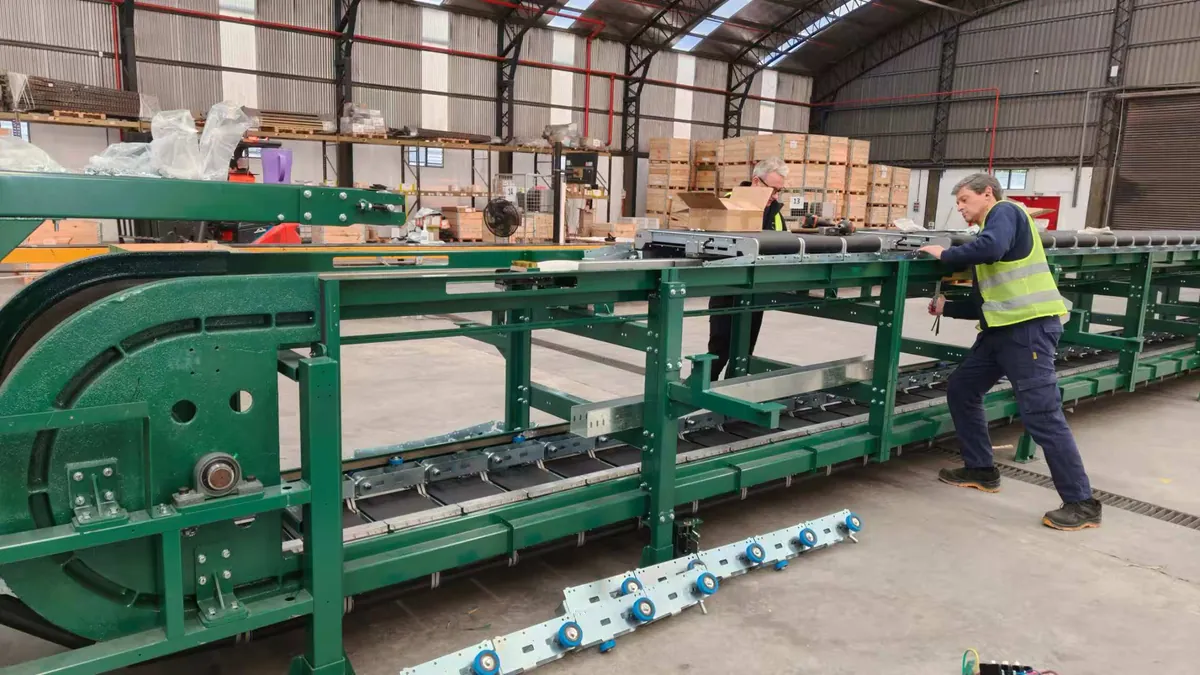
Conveyor transfer section in a distribution layout

Transfer Geometry & Maintenance Access
Preserving parcel spacing across direction changes and merges while maintaining safe operator walkways and guarding clearance.
Mechanical Layout Discipline

Layout, Transfers and Access

Conveyors handle induction, transfer, accumulation and outbound. Transfer sections must preserve parcel spacing across direction changes and merges, and maintenance access and guarding are planned into the layout from the start. We document every physical connection, control signal and data field so a second supplier or a new team can understand the same configuration.

Software & Control Interfaces

Integration and Data

Systems integrate with DWS, controls, WCS and WMS/ERP interfaces. We name each interface with an owner on each side, select data fields operators can verify, and define the source of truth. Normal and exception routes are documented separately, with hold conditions and escalation contacts.

DWS (Dimension / Weigh / Scan)
PLC & Field Controls
WCS Routing Engine
WMS / ERP Host Link

From Concept to Handover

Our concept design process covers five structured engineering stages, finishing with role-based training and a complete record package so the receiving team can operate and maintain the line independently.

1
Site Survey
Parcel mix, rates, ceiling height & building clearance
2
Tech Selection
Sorter, conveyor & put wall matching
3
Layout Design
Transfers, accumulation, guarding & access
4
Trial & Validation
Representative runs & planned exceptions
5
Handover
Role-based training, spares & full documentation

Measure the Benefit

Select measures that match the decision — labor, service, floor space, completion rate, exception count — and define numerator, denominator, time period and exclusions before comparison. Report the baseline and conditions. Separate process improvements from product-mix, staffing, layout or measurement changes so the result is attributable.

Warehouse Automation Benefits

Measure benefits in labour, service and floor space, with a baseline and conditions attached. Define each measure’s numerator, denominator and exclusions before comparison, and separate process improvements from product-mix, staffing or layout changes. A benefit claim without a stated baseline is not evidence.

Benefit Dimension 01
Labor Efficiency
Reduced manual carton carrying and touchpoints between pick zones and dispatch docks.
Benefit Dimension 02
Service & Accuracy
Consistent completion rates, lower exception backlog and reliable cutoff compliance.
Benefit Dimension 03
Floor Space Utilization
Tighter staging and higher destination density without blocking operator access.

Common Failure Modes

Frequent issues are transfers that lose parcel spacing, accumulation that starves or floods a station, and jam recovery that is unsafe because access was not designed in. We address each at layout stage and record the restart sequence with escalation contacts.

Failure Mode 01
Transfers Lose Parcel Spacing
Engineered speed matching, merge priority logic and controlled gapping across direction changes so downstream scanners and diverters read reliably.
Failure Mode 02
Accumulation Starves or Floods Stations
Zero-pressure accumulation zones sized against real arrival peaks and pack-station cycle times, preventing upstream line stops and operator surges.
Failure Mode 03
Unsafe Jam Recovery Without Access
Crossovers, service gates, ergonomic reach clearances and documented restart sequences with named escalation contacts built directly into the layout.

Start Your Layout Review

Plan a Warehouse Layout

Share your order profile, parcel mix and floor plan. Our team will map material flow, transfer clearances and technology options around your building constraints.

Request a layout design →
All Applications
Site Survey & Layout Checklist
  • Parcel & carton dimensions and weights
  • Sustained vs. peak hourly throughput
  • Destination count & order profile
  • Floor plan, columns & ceiling height
  • Maintenance clearances & dock locations

Warehouse Engineering FAQ

Frequently Asked Questions

What should a site survey include?

Parcel dimensions and weight, sustained and peak rates, destination count, order profile, floor space, ceiling height, existing structures and maintenance clearance.

When should a warehouse choose a swivel wheel sorter vs. a narrow belt or cross belt sorter?

Choose a swivel wheel sorter for inline carton diversion along conveyor runs, a narrow belt sorter for space-constrained facilities needing high chute density, and a cross belt sorter for high-throughput hubs with mixed cartons and polybags.

How do conveyor accumulation and transfer zones prevent distribution bottlenecks?

Properly sized accumulation absorbs upstream surges without starving or flooding packing stations, while engineered transfer sections maintain consistent parcel spacing across turns and merges so scanners and sorters operate reliably.

How do warehouse sorting systems integrate with DWS, WCS and WMS/ERP?

DWS equipment captures parcel dimensions, weight and barcode identity; controls and WCS execute real-time routing rules; and WMS/ERP interfaces exchange order and manifest data under named owners and a single source of truth.

How should warehouse automation benefits be measured after launch?

Compare labor efficiency, service levels, floor space and exception counts against a recorded pre-automation baseline using agreed numerators, denominators and exclusions — separating system gains from unrelated changes in SKU mix or staffing.
Other Sorting Applications:

All Applications
E-Commerce Fulfillment
Express & Parcel Sorting
Third-Party Logistics (3PL)