
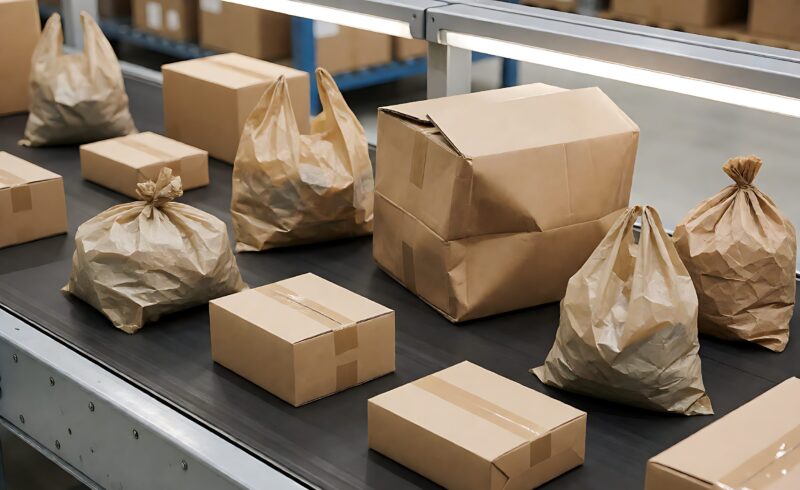
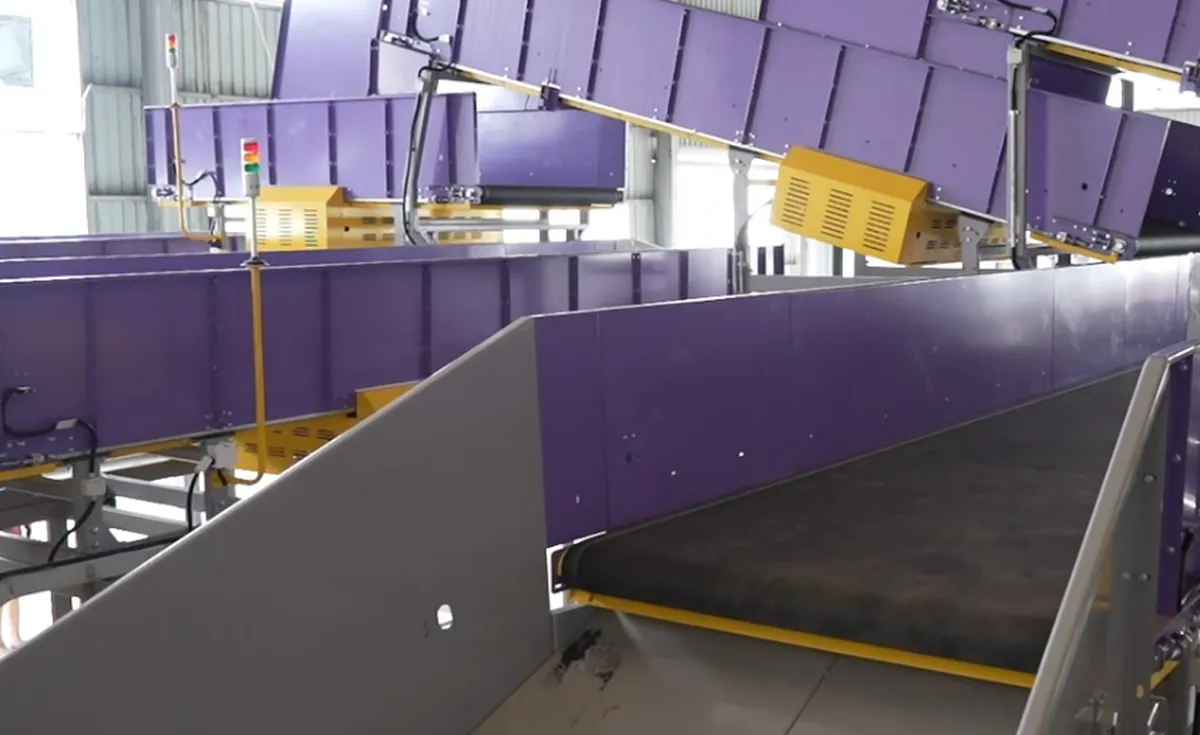
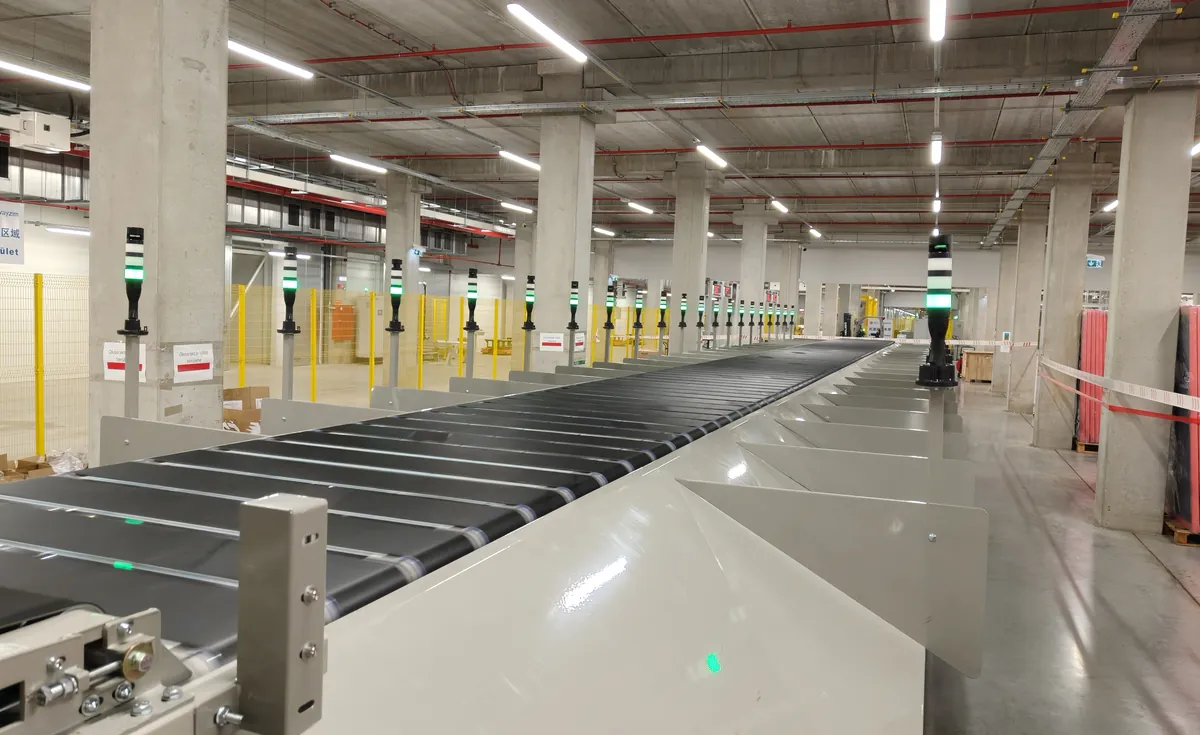
In the fast-changing world of logistics, **automated sorting systems** have become vital for improving warehouse efficiency. Solutions like **DWS dimensioning systems**, **automated swivels**, and **modular conveyor lines** are helping companies handle increasing parcel volumes with speed and precision. Automation not only reduces labor costs but also ensures faster order processing and higher accuracy. Businesses adopting intelligent sorting solutions gain a competitive edge through improved productivity and reliable operations. **TRUELISORT offers tailored sorting equipment and full project support.** For more details, reach out to ** [truelilogistics@163.com]
From Fixed Lines to Flexible Networks
Sorting automation is climbing a maturity curve, and each stage changes what the warehouse can absorb:
| Stage | What changes | Operational payoff |
|---|---|---|
| Manual sort walls | Human routing, paper or tablet instructions | Flexible, but caps at skill and memory |
| Fixed automated line | Sorter does routing; layout is committed | Throughput and consistency rise sharply |
| Integrated system | DWS + sorter + WMS share live data | Exceptions route themselves; tracking is real |
| Adaptive network | AI balances flow across lines and shifts | Peak absorption without re-layout |
Most operations sit between stages two and three — automated lines that still talk to the WMS in batches. The jump to stage three is rarely hardware; it is integration discipline, and it is where the future-oriented projects differ from installed ones. The systems view is in warehouse automation solutions, and the technology families behind it in parcel sortation systems. Reference: warehouse operations and automation.
Where the Money Actually Goes
Automation budgets concentrate in surprising places. A typical mid-size sorting project splits roughly like this:
| Budget block | Share | Note |
|---|---|---|
| Sorter hardware | ~40% | The part everyone compares |
| Induction & DWS layer | ~15% | Decides real throughput |
| Integration & software | ~15% | Where schedules slip |
| Civil & installation | ~12% | Floors and cranes price surprises |
| Spares, training, commissioning | ~8% | Buys uptime, not glory |
| Contingency | ~10% | The block amateur plans omit |
The lesson is not the exact percentages — it is that the machine is barely half the project. Buyers who negotiate only the sorter’s price optimize the smallest block while the largest risks sit elsewhere: integration scope, civil works, the contingency they cut to look frugal. The discipline that works: freeze the scope blocks first, negotiate each on evidence (drawings, integration test plans, named spares), and defend the contingency line against every well-meant suggestion to trim it. Automation projects rarely fail on hardware; they fail on the blocks around it.
Integration: The Two Weeks That Decide the Next Five Years
Between a working sorter and a working system sits integration — and it is scheduled, not hoped for. The pattern that works: a test WMS environment before the machine ships, scan-event handshakes rehearsed with sample data, a cutover plan with named rollback points, and two weeks of parallel running where the old process stays alive while the new one proves itself. Each step is boring; together they are the difference between a line that serves the warehouse and a line the warehouse serves. The failure signature is consistent too — “the sorter works, but the WMS does not know about half the parcels” — and it traces back, always, to integration treated as an IT errand instead of an engineering phase with its own acceptance test.