

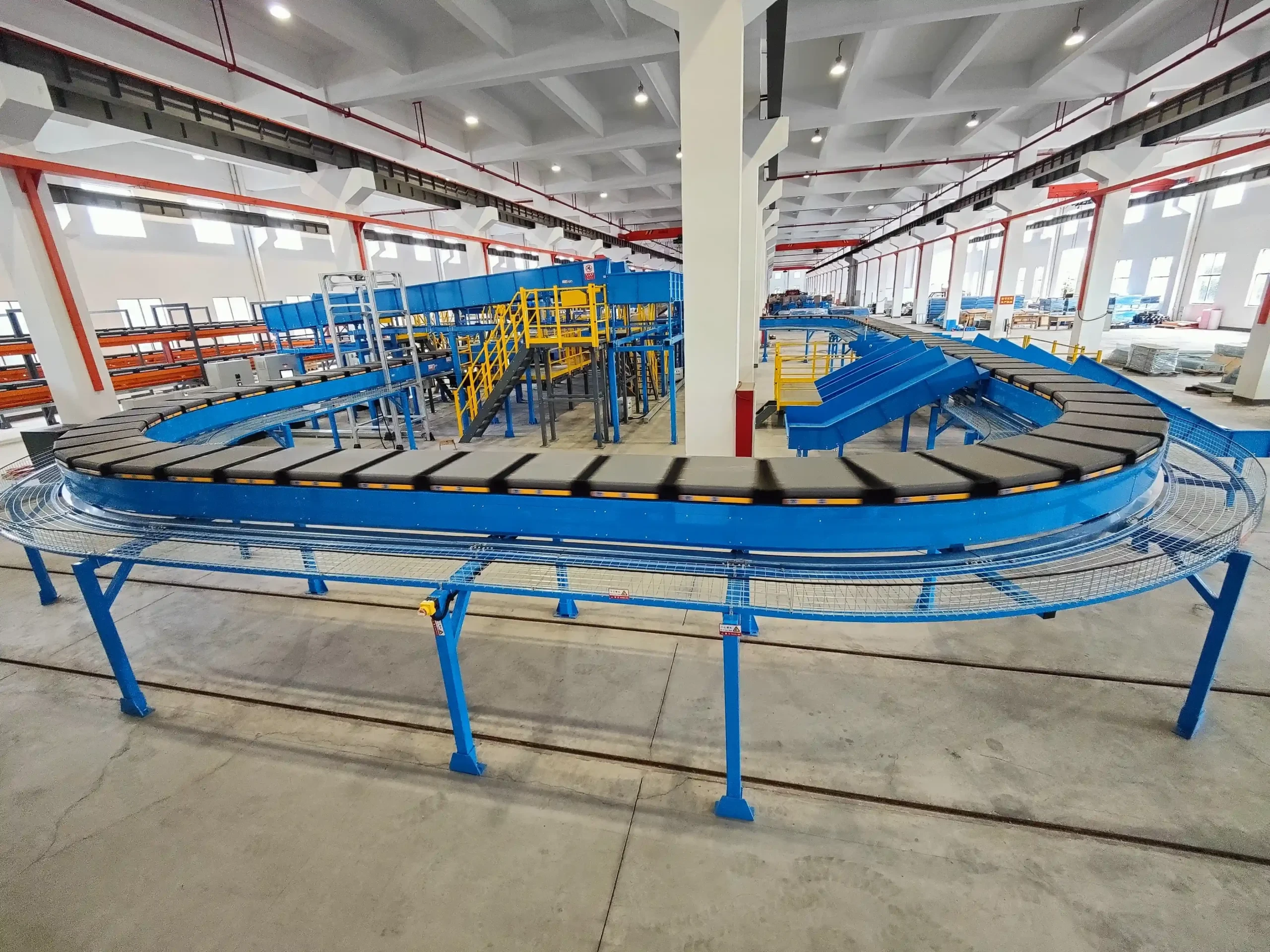
In today’s high-speed logistics industry, efficiency is everything. Warehouses, e-commerce fulfillment centers, parcel hubs, and automated distribution facilities all depend on cross-belt sorting systems to keep products moving accurately and continuously. When a cross-belt sorter runs smoothly, operations stay productive, customers receive orders on time, and labor costs remain under control.
But when maintenance mistakes happen, even a small issue can trigger massive disruptions. Conveyor jams, belt slippage, sensor failures, motor overheating, and communication errors can quickly reduce throughput and create expensive downtime.
The good news is that many cross-belt sorter failures are completely preventable. Most problems come from overlooked maintenance details, improper operating habits, delayed inspections, or incorrect repair methods.
This comprehensive guide explains how to maintain a cross-belt sorting system properly while avoiding the most common maintenance pitfalls that shorten equipment lifespan and increase operational costs.
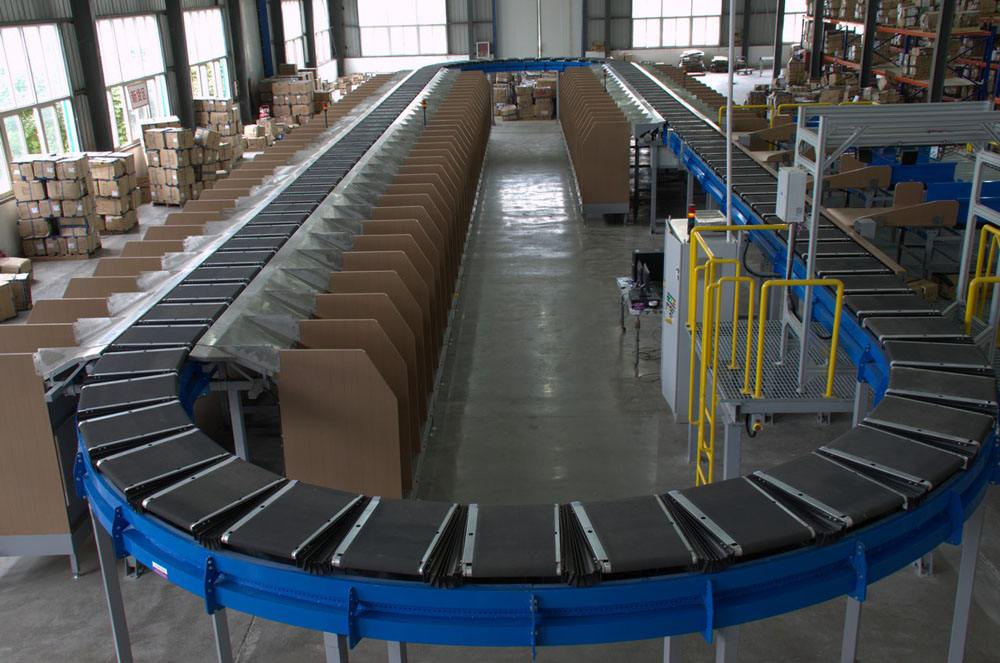
Why Cross-Belt Sorter Maintenance Matters More Than Ever
Modern automated sorting systems operate under intense conditions:
- High-speed parcel handling
- Continuous 24/7 operation
- Heavy throughput demands
- Tight delivery schedules
- Increasing labor pressure
Cross-belt sorters are designed for efficiency, but they are also highly sophisticated systems that combine:
- Mechanical components
- Electrical systems
- Sensors
- PLC controls
- Communication networks
- Software logic
- Conveyor structures
When one component fails, the entire system can suffer.
Poor maintenance does not only increase repair costs. It also affects:
- Sorting accuracy
- Throughput efficiency
- Energy consumption
- Worker safety
- Customer satisfaction
- Equipment lifespan
Facilities that neglect proper maintenance often experience repeated breakdowns, rising operational costs, and growing production delays.
Understanding the Most Common Cross-Belt Sorter Problems
Before discussing maintenance strategies, it is important to understand the failures maintenance teams encounter most often.
Common issues include:
- Belt misalignment
- Conveyor jams
- Carrier wheel wear
- Sensor contamination
- Barcode scanning failures
- Chain elongation
- Motor overheating
- PLC communication errors
- Excessive vibration
- Sorting inaccuracies
Most of these problems develop gradually rather than suddenly. Small warning signs often appear weeks before a major failure occurs.
That is why preventive maintenance is far more effective than reactive maintenance.
Maintenance Pitfall #1: Ignoring Early Warning Signs
One of the biggest mistakes facilities make is ignoring minor abnormalities.
Operators may hear unusual sounds or notice slight tracking problems but continue running the equipment because production targets seem more urgent.
Unfortunately, small issues rarely stay small.
Early Warning Signs You Should Never Ignore
Unusual Noises
Grinding, squealing, knocking, or rattling sounds often indicate:
- Bearing wear
- Loose bolts
- Chain problems
- Roller damage
Vibration
Excessive vibration may signal:
- Shaft misalignment
- Structural instability
- Worn pulleys
- Carrier wheel damage
Belt Drift
A belt moving toward one side usually points to:
- Improper tension
- Roller wear
- Pulley misalignment
Temperature Increase
Overheated motors or bearings frequently indicate:
- Lubrication problems
- Excessive load
- Mechanical resistance
How to Avoid This Mistake
Create a reporting culture where operators immediately report abnormalities instead of ignoring them.
Minor repairs completed early are significantly cheaper than emergency shutdowns later.
Maintenance Pitfall #2: Poor Cleaning Practices
Dust, debris, labels, tape fragments, and packaging materials are among the biggest enemies of cross-belt sorting systems.
Many facilities underestimate how quickly contamination affects performance.
Areas Most Vulnerable to Dirt Accumulation
- Optical sensors
- Barcode scanners
- Carrier wheels
- Guide rails
- Drive pulleys
- Ventilation systems
What Happens When Cleaning Is Neglected
Poor cleaning habits can lead to:
- Scanner reading failures
- Sensor misalignment
- Belt slippage
- Overheating
- Conveyor jams
- Reduced motor efficiency
Smart Cleaning Practices
Daily Cleaning Checklist
- Remove loose debris
- Wipe scanner lenses
- Vacuum dust buildup
- Inspect guide rails
- Clean ventilation openings
Weekly Deep Cleaning
- Remove oil contamination
- Inspect pulley grooves
- Clean under conveyor frames
- Flush accumulated dust from cabinets
Maintenance Tip
Never use excessive water pressure around electrical components or sensors.
Moisture intrusion creates additional electrical risks.
Maintenance Pitfall #3: Improper Lubrication
Lubrication mistakes are one of the most common causes of premature equipment wear.
Both over-lubrication and under-lubrication can damage critical components.
Components Requiring Proper Lubrication
- Bearings
- Conveyor chains
- Drive systems
- Carrier wheels
- Shaft assemblies
Problems Caused by Under-Lubrication
Insufficient lubrication may result in:
- Increased friction
- Excessive heat
- Accelerated wear
- Bearing seizure
- Energy loss
Problems Caused by Over-Lubrication
Too much lubrication can attract:
- Dust
- Dirt
- Packaging debris
This creates abrasive contamination that damages components over time.
Best Lubrication Practices
Use Manufacturer-Approved Lubricants
Different environments require different lubrication types.
Follow Scheduled Intervals
Avoid random lubrication practices.
Monitor Temperature
Heat changes may indicate lubrication problems.
Consider Automatic Lubrication Systems
Automated systems improve consistency and reduce human error.
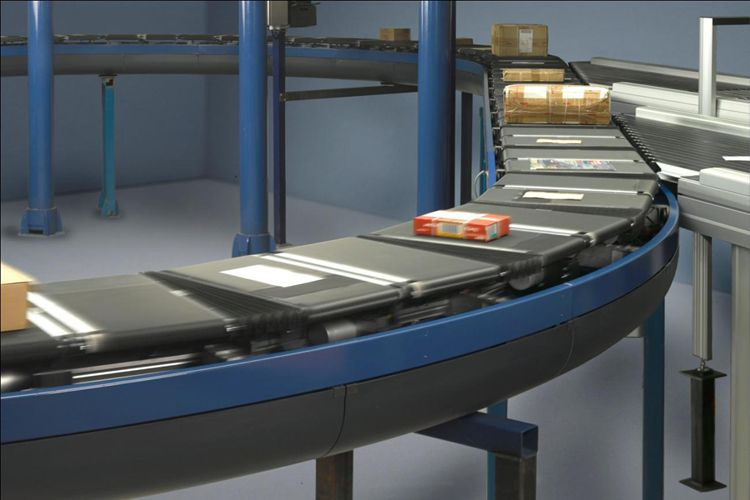
Maintenance Pitfall #4: Delaying Belt Alignment Adjustments
Belt tracking issues are among the earliest indicators of mechanical instability.
Unfortunately, many facilities delay corrections until severe damage occurs.
Common Causes of Belt Misalignment
- Uneven tension
- Roller wear
- Pulley misalignment
- Structural vibration
- Debris accumulation
Risks of Ignoring Belt Tracking Problems
Misaligned belts can cause:
- Belt edge damage
- Increased friction
- Product instability
- Premature pulley wear
- Conveyor shutdowns
Proper Belt Alignment Procedures
Inspect Tracking Daily
Watch for consistent drift patterns.
Adjust Gradually
Small corrections prevent overcompensation.
Check Roller Condition
Damaged rollers often cause recurring misalignment.
Verify Structural Stability
Loose supports may shift conveyor positioning.
Pro Tip
Never force belts into alignment by overtightening tension.
Excessive tension damages bearings and motors.
Maintenance Pitfall #5: Skipping Preventive Inspections
Some facilities only inspect equipment after failures occur.
This reactive approach increases downtime and repair expenses dramatically.
Why Preventive Inspections Matter
Routine inspections help identify:
- Wear patterns
- Loose hardware
- Electrical issues
- Vibration abnormalities
- Heat buildup
Key Areas to Inspect
Mechanical Components
- Rollers
- Bearings
- Belts
- Chains
- Carrier wheels
Electrical Systems
- Wiring
- Connectors
- PLC cabinets
- Sensors
- Motors
Safety Devices
- Emergency stops
- Guards
- Interlocks
Recommended Inspection Frequency
Daily
- Visual checks
- Cleaning
- Noise monitoring
Weekly
- Lubrication checks
- Belt tracking
- Chain condition
Monthly
- Vibration analysis
- Electrical inspection
- Thermal scanning
Quarterly
- Full alignment verification
- Software diagnostics
- Structural assessment
Maintenance Pitfall #6: Using Incorrect Spare Parts
Trying to save money with low-quality replacement parts often creates larger expenses later.
Cross-belt sorting systems require precision components designed for specific operating conditions.
Risks of Generic or Poor-Quality Parts
Low-grade parts may cause:
- Reduced sorting accuracy
- Faster wear
- Increased vibration
- System incompatibility
- Higher failure rates
Components That Require High-Quality Replacements
- Bearings
- Sensors
- Carrier wheels
- Motors
- Belts
- PLC modules
Smart Spare Parts Management
Keep Critical Inventory Ready
Facilities should stock:
- Sensors
- Drive belts
- Bearings
- Communication modules
- Emergency switches
Track Part Lifecycles
Use maintenance software to monitor replacement intervals.
Standardize Suppliers
Reliable suppliers improve consistency and reduce compatibility risks.
Maintenance Pitfall #7: Neglecting Sensor Calibration
Cross-belt sorters rely heavily on sensor accuracy.
Even slight sensor deviations can create major sorting problems.
Sensors Commonly Used in Cross-Belt Sorters
- Photoelectric sensors
- Proximity sensors
- Position sensors
- Barcode scanners
- Weight sensors
What Happens When Calibration Is Ignored
Poor calibration may lead to:
- Misrouted parcels
- Recirculation problems
- Missed discharges
- False alarms
- Throughput reduction
Proper Sensor Maintenance
Clean Regularly
Dust is a major cause of optical failure.
Verify Alignment
Sensors must remain positioned correctly.
Test Signal Stability
Inspect cables and communication quality.
Recalibrate Periodically
Environmental changes may affect sensor precision over time.
Maintenance Pitfall #8: Ignoring Software and PLC Updates
Many maintenance teams focus only on mechanical issues while overlooking software reliability.
Modern sorting systems depend heavily on automation logic.
Common PLC and Software Problems
- Communication instability
- Timing errors
- Routing inaccuracies
- Firmware incompatibility
- Network overload
Consequences of Outdated Software
Old software versions may increase:
- System crashes
- Sorting delays
- Communication failures
- Security vulnerabilities
Best Practices for Automation Maintenance
Back Up PLC Programs Regularly
Never rely on a single copy.
Update Firmware Carefully
Test updates before full deployment.
Monitor Network Performance
Industrial networks require stable communication.
Inspect Communication Cables
Loose or damaged cables frequently cause intermittent failures.
Maintenance Pitfall #9: Overloading the Sorting System
Cross-belt sorters are designed with specific load limitations.
Overloading creates severe mechanical stress.
Common Overloading Mistakes
- Oversized parcels
- Excessive throughput
- Uneven package distribution
- Ignoring weight limits
Damage Caused by Overloading
Excessive loads may result in:
- Motor overheating
- Belt slippage
- Carrier wheel damage
- Conveyor instability
- Increased vibration
Prevention Strategies
Enforce Parcel Standards
Reject oversized items before entry.
Balance Throughput
Avoid sudden surge loading.
Monitor Motor Performance
Current draw increases under excessive load.
Train Operators
Human error often contributes to overload conditions.
Maintenance Pitfall #10: Inadequate Operator Training
Even advanced automation systems depend on human operators.
Improper operating habits frequently create avoidable failures.
Common Operator Errors
- Incorrect parcel placement
- Emergency stop misuse
- Ignoring alarms
- Overloading conveyors
- Unsafe intervention during jams
Effective Training Topics
Operators should understand:
- Basic sorter operation
- Early warning signs
- Emergency procedures
- Safe loading methods
- Reporting protocols
Why Training Reduces Maintenance Costs
Well-trained operators can detect problems early and prevent minor issues from escalating into major breakdowns.
Building an Effective Preventive Maintenance Plan
A strong maintenance strategy combines:
- Daily inspections
- Scheduled servicing
- Predictive analytics
- Emergency readiness
- Staff training
Example Maintenance Schedule
Daily Tasks
- Remove debris
- Inspect belts
- Check sensors
- Listen for abnormal noise
Weekly Tasks
- Lubricate moving parts
- Inspect chain wear
- Verify emergency stops
Monthly Tasks
- Conduct vibration testing
- Check motor temperature
- Inspect electrical panels
Quarterly Tasks
- Perform software diagnostics
- Replace worn components
- Recalibrate sensors
The Role of Predictive Maintenance in Modern Warehouses
Advanced facilities increasingly use predictive maintenance technologies to reduce downtime.
Common Predictive Maintenance Tools
- IoT sensors
- Thermal imaging
- Vibration monitoring
- AI-based diagnostics
- Cloud maintenance platforms
Benefits of Predictive Maintenance
Predictive systems help facilities:
- Detect wear earlier
- Reduce emergency repairs
- Extend equipment lifespan
- Improve throughput stability
- Lower maintenance costs
Facilities using predictive monitoring often experience significantly higher operational reliability.
Emergency Repair Tips for Cross-Belt Sorters
Even with strong maintenance programs, emergencies can still happen.
When failures occur:
Step 1: Review Alarm Codes
Always identify the root cause before intervention.
Step 2: Isolate the Problem Area
Determine whether the issue is:
- Mechanical
- Electrical
- Software-related
Step 3: Reduce Conveyor Speed
Avoid full-speed restart immediately after repairs.
Step 4: Inspect Critical Components
Focus on:
- Belts
- Sensors
- Motors
- Carrier wheels
- Communication modules
Step 5: Conduct Controlled Restart
Monitor system behavior carefully after repairs.
Safety Rules Maintenance Teams Should Never Ignore
Cross-belt sorters contain moving machinery that can create serious hazards.
Essential Safety Practices
- Lock out power sources
- Use protective equipment
- Verify zero-energy states
- Follow manufacturer procedures
- Avoid bypassing safety interlocks
Rushed maintenance often creates larger safety risks than the original failure itself.
Final Thoughts
Cross-belt sorters are essential for modern logistics automation, but their performance depends heavily on proper maintenance practices. Many costly failures originate from avoidable mistakes such as delayed inspections, poor cleaning habits, improper lubrication, ignored sensor calibration, and inadequate operator training.
Facilities that invest in preventive maintenance, predictive monitoring, quality spare parts, and staff education can dramatically reduce downtime while improving throughput efficiency and equipment lifespan.
The key to long-term reliability is consistency. Small daily maintenance tasks often prevent the large-scale failures that disrupt operations and increase repair costs.
In today’s competitive fulfillment environment, keeping a cross-belt sorter running efficiently is not only a maintenance responsibility — it is a critical part of maintaining overall supply chain performance and customer satisfaction.