
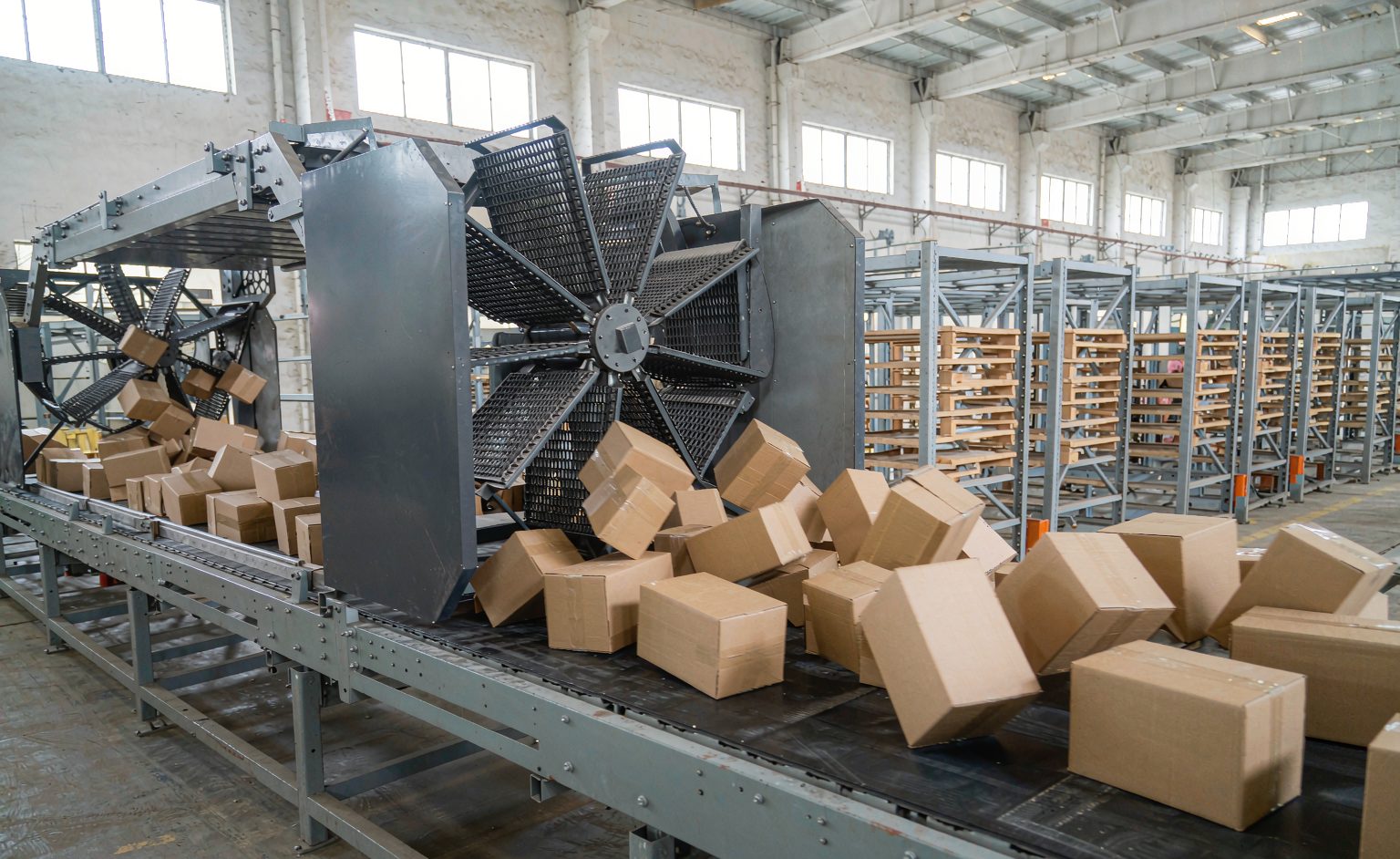
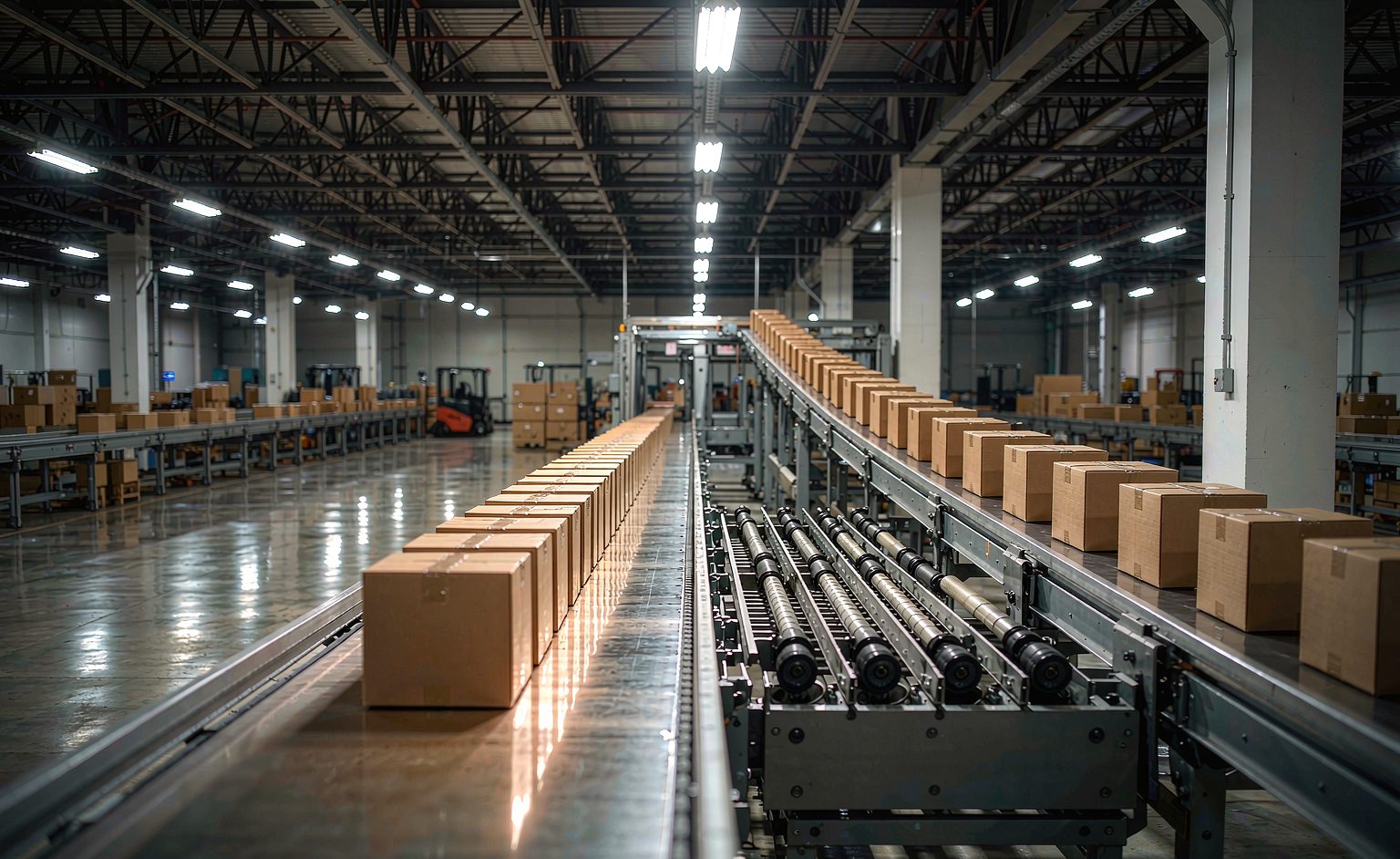
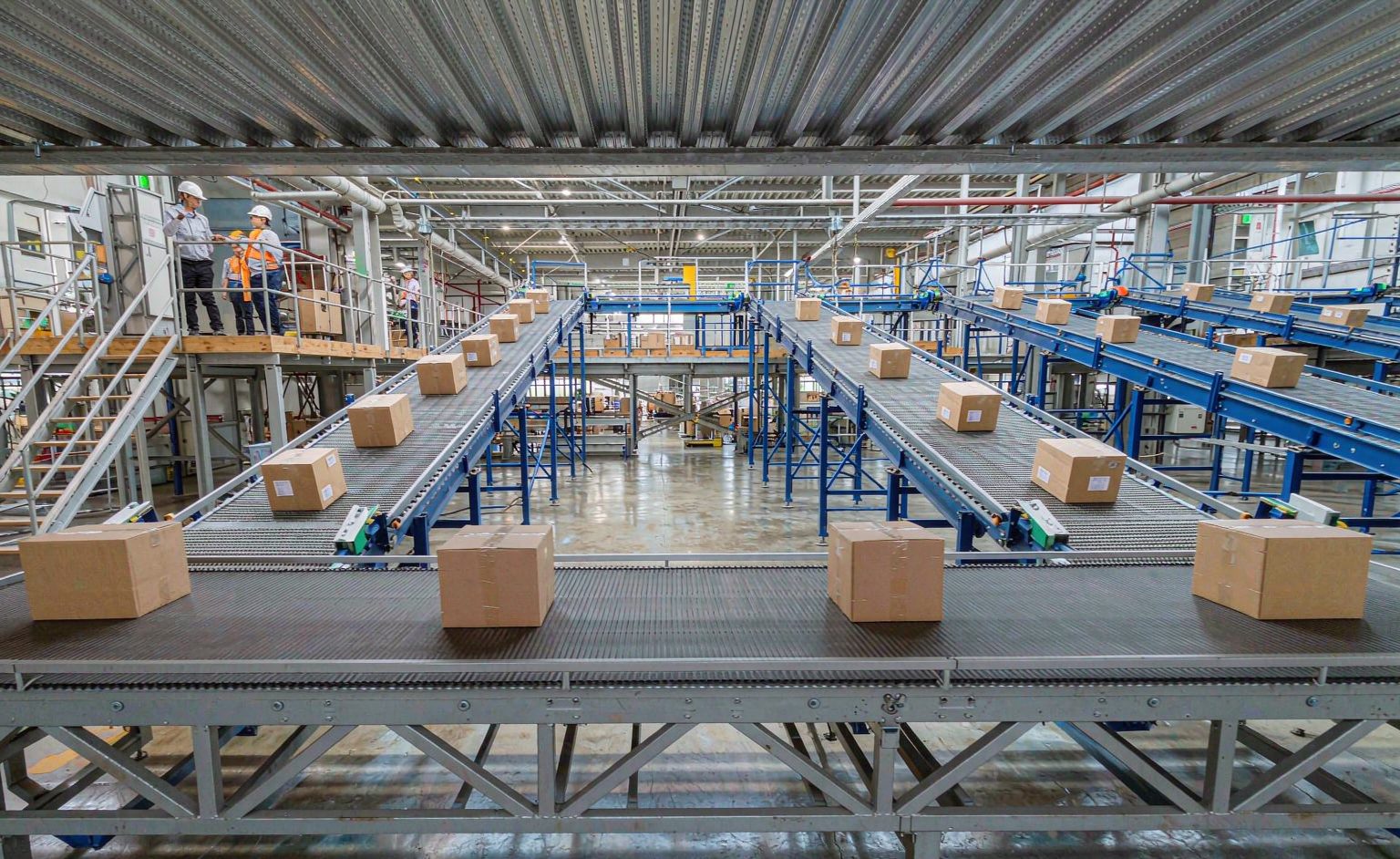
In modern logistics and fulfillment operations, speed is no longer the only competitive advantage. Sustainability, energy efficiency, and equipment longevity have become equally important pillars of operational success. At the center of many high-throughput distribution systems lies a critical piece of automation equipment: the cross belt sorter.
Cross belt sorters are engineered for precision, speed, and continuous operation. They move thousands—sometimes hundreds of thousands—of parcels per hour across complex routing networks. But like any high-performance machine, their efficiency and lifespan depend heavily on one factor that is often underestimated: maintenance science.
This article explores how a structured, data-driven, and environmentally conscious maintenance strategy can significantly extend the lifespan of cross belt sortation systems while improving operational efficiency and reducing environmental impact.
1. Understanding the Role of Cross Belt Sorters in Modern Logistics
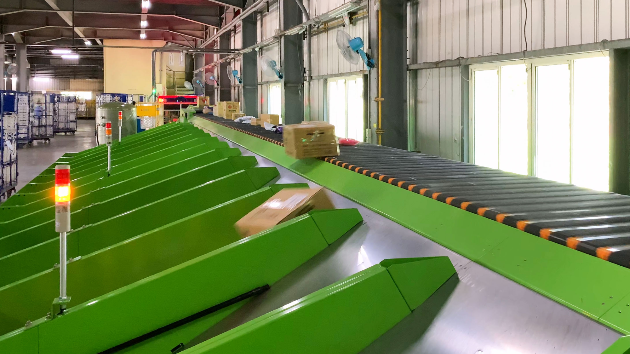
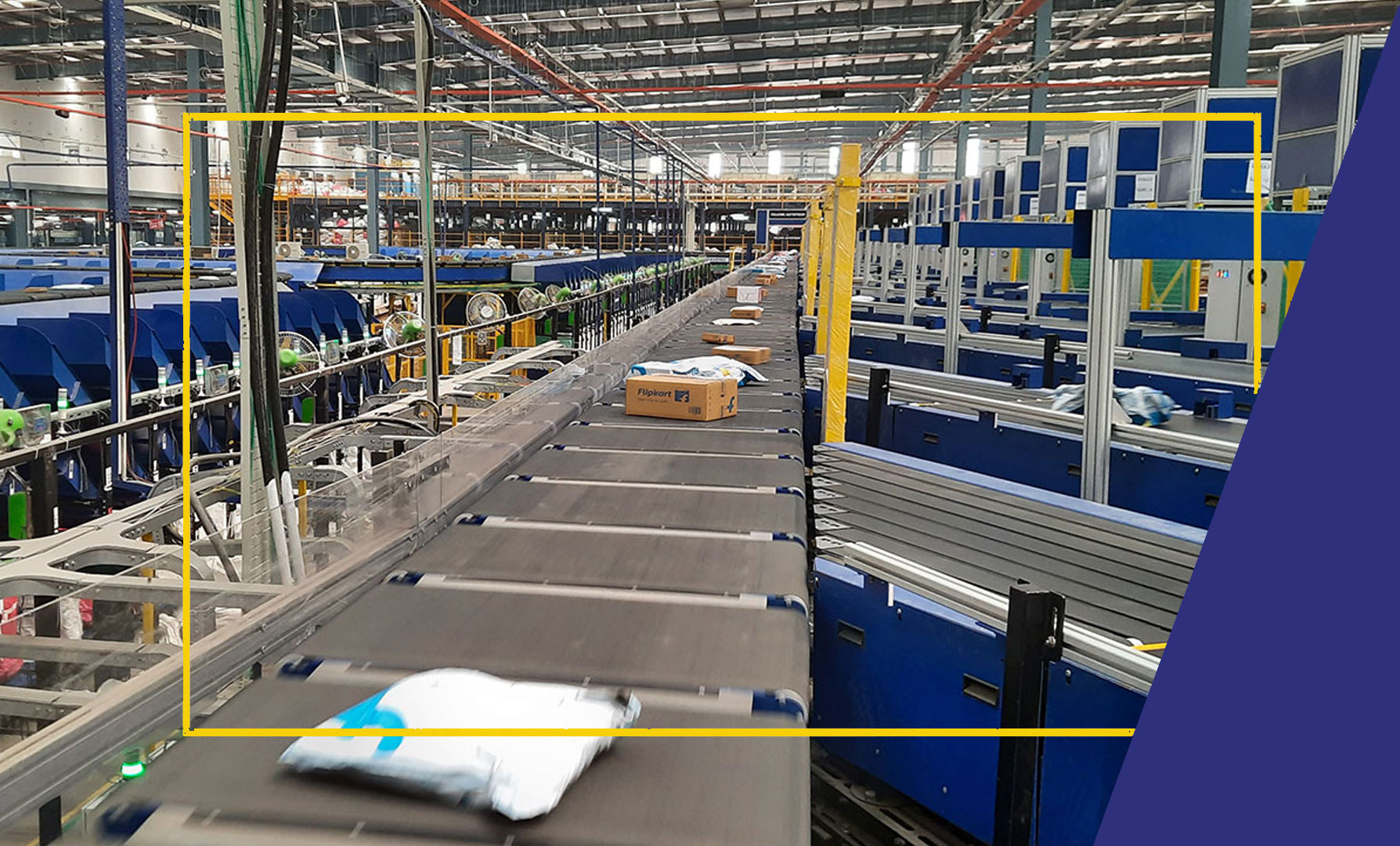
Cross belt sorters are automated material handling systems designed to transport and divert packages using small, individually controlled conveyor belts mounted on carts. These systems are widely used in:
- E-commerce fulfillment centers
- Postal and parcel distribution hubs
- Airport baggage handling systems
- Retail and omnichannel logistics operations
Their value lies in three core capabilities:
- High-speed sorting accuracy
- Continuous 24/7 operation capability
- Ability to handle diverse parcel shapes and sizes
However, this complexity also introduces multiple points of mechanical, electrical, and software-related wear.
Without proper maintenance, even the most advanced sorter will experience performance degradation, increased energy consumption, and premature component failure.
2. The Concept of “Green Efficiency” in Industrial Automation
Green efficiency is not just about reducing electricity usage. In industrial automation, it includes:
- Extending equipment lifecycle
- Reducing replacement frequency
- Minimizing material waste
- Lowering unplanned downtime
- Improving energy utilization per unit processed
In the context of cross belt sorters, sustainability is directly tied to mechanical health. A poorly maintained system consumes more energy, generates more waste heat, and requires more frequent part replacement.
In contrast, a well-maintained system operates closer to its original engineering efficiency curve, reducing both cost and environmental impact.
3. Why Cross Belt Sorters Fail: The Hidden Degradation Cycle
Most sorter failures do not happen suddenly. They follow a predictable degradation pattern:
Phase 1: Micro-wear accumulation
Small mechanical stresses begin affecting rollers, belts, and bearings.
Phase 2: Efficiency loss
The system requires more energy to maintain the same throughput.
Phase 3: Compensation behavior
Control systems adjust speed and torque, masking mechanical inefficiency.
Phase 4: Accelerated wear
Increased load leads to exponential degradation.
Phase 5: Failure event
A component breaks or system downtime occurs.
The key insight is that failure is rarely abrupt—it is cumulative.
4. Maintenance Science: Moving From Reactive to Predictive Models
Traditional maintenance models fall into three categories:
- Reactive maintenance (fix after failure)
- Preventive maintenance (fixed schedule)
- Predictive maintenance (data-driven intervention)
For cross belt sorters, predictive maintenance offers the highest return.
Predictive systems rely on:
- Vibration monitoring
- Motor current analysis
- Temperature tracking
- Belt tension analytics
- Throughput load distribution data
By analyzing these variables, engineers can detect early signs of degradation before they escalate into system-wide issues.
This approach transforms maintenance from a cost center into a performance optimization system.
5. Mechanical Wear Points in Cross Belt Sorters
To extend equipment life, it is essential to understand where wear actually occurs.
5.1 Drive Motors
Motors are the heart of the system. Common issues include:
- Bearing fatigue
- Overheating from load imbalance
- Electrical insulation degradation
Motor efficiency decline often precedes visible mechanical failure.
5.2 Cross Belts
Belts are subject to:
- Surface abrasion
- Tension fatigue
- Alignment drift
Even minor misalignment can significantly increase friction and energy consumption.
5.3 Rollers and Bearings
Bearings experience:
- Continuous rotational stress
- Contamination from dust and debris
- Lubrication breakdown
Bearing failure is one of the most common causes of unexpected downtime.
5.4 Sensor and Control Systems
While less physically stressed, sensors degrade through:
- Dust accumulation
- Calibration drift
- Electrical interference
Faulty sensors can cause misrouting, increasing mechanical strain elsewhere in the system.
6. The Science of Lubrication: Small Input, Massive Impact
Lubrication is one of the most underestimated factors in equipment longevity.
Proper lubrication:
- Reduces frictional heat
- Minimizes mechanical wear
- Improves energy efficiency
- Extends bearing lifespan
However, lubrication is not simply about frequency—it is about precision engineering.
Key principles include:
- Correct viscosity selection
- Environment-specific lubricant formulation
- Controlled application volume
- Scheduled contamination checks
Over-lubrication can be just as damaging as under-lubrication, leading to particle accumulation and system imbalance.
7. Alignment Precision: The Silent Efficiency Killer
Misalignment in conveyor systems creates a chain reaction of inefficiencies.
Even a slight deviation can cause:
- Increased belt friction
- Uneven load distribution
- Higher motor torque demand
- Accelerated edge wear
Over time, misalignment leads to exponential energy waste.
Modern maintenance strategies use laser alignment tools and automated calibration systems to maintain sub-millimeter accuracy.
8. Energy Consumption as a Maintenance Indicator
One of the most overlooked diagnostic tools is energy data itself.
In a healthy system:
- Energy consumption remains relatively stable under consistent load
- Minor fluctuations are predictable
In a degrading system:
- Energy consumption gradually increases
- Variance between identical load cycles expands
- Peak power demand becomes irregular
Tracking kilowatt usage per parcel sorted can reveal early mechanical inefficiencies before physical failure occurs.
9. The Role of Cleaning in Equipment Longevity
Dust and debris are silent performance killers.
Accumulation leads to:
- Sensor obstruction
- Increased friction
- Heat retention
- Belt slippage
A structured cleaning program should include:
- Daily surface dust removal
- Weekly deep cleaning of rollers
- Monthly sensor inspection
- Quarterly full-system environmental audit
Clean systems are not just more reliable—they are measurably more energy efficient.
10. Load Distribution Optimization
Uneven load distribution is one of the fastest ways to degrade a cross belt system.
When certain sections consistently handle higher volume:
- Localized wear accelerates
- Motor strain increases
- Structural fatigue develops
Smart sorting algorithms can balance load dynamically, ensuring even system utilization.
This not only extends equipment life but also improves throughput consistency.
11. Thermal Management and System Longevity
Heat is a natural byproduct of continuous operation, but unmanaged heat becomes destructive.
Excess thermal buildup causes:
- Lubricant breakdown
- Electrical resistance increase
- Metal expansion and misalignment
Effective thermal management includes:
- Ventilation optimization
- Heat mapping systems
- Cooling cycle scheduling
- Infrared monitoring for hotspots
A cooler system is a longer-lasting system.
12. Data-Driven Maintenance Scheduling
Modern logistics facilities increasingly rely on real-time data dashboards.
Key metrics include:
- Mean time between failures (MTBF)
- Motor load variance
- Belt tension consistency
- Energy per unit throughput
- Component temperature trends
Instead of fixed schedules, maintenance becomes adaptive.
This reduces unnecessary downtime while targeting real risk areas.
13. Spare Part Strategy and Lifecycle Planning
Efficient maintenance is not only about repairs—it is about planning.
A well-designed spare part strategy includes:
- Critical component prioritization
- Lifecycle forecasting
- Inventory optimization
- Vendor reliability analysis
Having the right parts available at the right time prevents cascading downtime events.
14. Human Factors in Maintenance Quality
Even in highly automated systems, human behavior plays a major role.
Common issues include:
- Inconsistent inspection routines
- Incomplete reporting
- Delayed response to early warning signs
- Improper manual interventions
Training programs should focus on:
- System literacy
- Data interpretation
- Standardized procedures
- Safety protocols
A well-trained technician can extend system life more effectively than any hardware upgrade.
15. Sustainability Benefits of Extended Equipment Life
Extending the lifespan of cross belt sorters has direct environmental benefits:
- Reduced manufacturing demand for replacement parts
- Lower industrial waste generation
- Decreased energy consumption over lifecycle
- Reduced carbon footprint from logistics downtime recovery
In sustainable logistics, the greenest machine is not the newest one—it is the one that runs efficiently for the longest time.
16. Common Maintenance Mistakes That Reduce Lifespan
Even well-funded operations make critical mistakes:
Mistake 1: Over-reliance on reactive repair
Waiting for failure increases long-term costs.
Mistake 2: Ignoring small performance deviations
Minor inefficiencies compound over time.
Mistake 3: Inconsistent maintenance records
Without data continuity, predictive models fail.
Mistake 4: Overloading systems beyond design capacity
Short-term gains lead to long-term degradation.
17. Building a Long-Term Maintenance Philosophy
Extending equipment life is not a one-time project. It is a philosophy built on:
- Continuous monitoring
- Incremental optimization
- Environmental awareness
- Data-driven decisions
- Operational discipline
When maintenance becomes part of organizational culture, not just engineering practice, system lifespan naturally extends.
18. The Future of Cross Belt Sorter Maintenance
The next generation of maintenance systems will be driven by:
- AI-based failure prediction
- Digital twin simulation models
- Fully autonomous diagnostic systems
- Self-adjusting mechanical calibration
- Energy-aware routing algorithms
In this future, maintenance will shift from human-led intervention to machine-coordinated optimization.
Final Thoughts: Efficiency Is a Lifecycle Strategy
Cross belt sorters are not just machines—they are long-term infrastructure assets.
Their value is not defined only by speed or throughput, but by how efficiently they operate over years of continuous service.
A green, efficient system is not achieved through isolated fixes. It is built through:
- Precision maintenance
- Data awareness
- Environmental consideration
- Operational discipline
When these elements come together, equipment does more than function—it performs sustainably, reliably, and economically across its entire lifecycle.