

In the modern era of e-commerce, omnichannel fulfillment, and high-speed distribution, logistics operations are under constant pressure to move faster, reduce costs, and eliminate inefficiencies. At the center of many high-performance warehouses and parcel hubs stands one of the most advanced material handling technologies available today: the cross-belt sorting system.
Cross-belt sorters have become essential in industries ranging from e-commerce and retail to pharmaceuticals, food distribution, airport baggage handling, and third-party logistics. These systems offer unmatched sorting speed, high accuracy, gentle product handling, and exceptional scalability. However, their operational advantages also introduce a critical challenge: maintenance complexity.
When a cross-belt sorter experiences unexpected downtime, the consequences can be severe. Delayed shipments, labor bottlenecks, customer dissatisfaction, missed service-level agreements, and rising operational costs can all occur within minutes. That is why preventive maintenance is no longer optional in lean logistics environments—it is a strategic necessity.
This article explores how preventive maintenance supports lean logistics principles while improving the reliability, efficiency, and lifespan of cross-belt sorting systems. We will examine maintenance strategies, common failure points, inspection procedures, predictive technologies, workforce practices, and long-term optimization methods that help distribution centers maintain peak operational performance.
Understanding Cross-Belt Sorting Systems
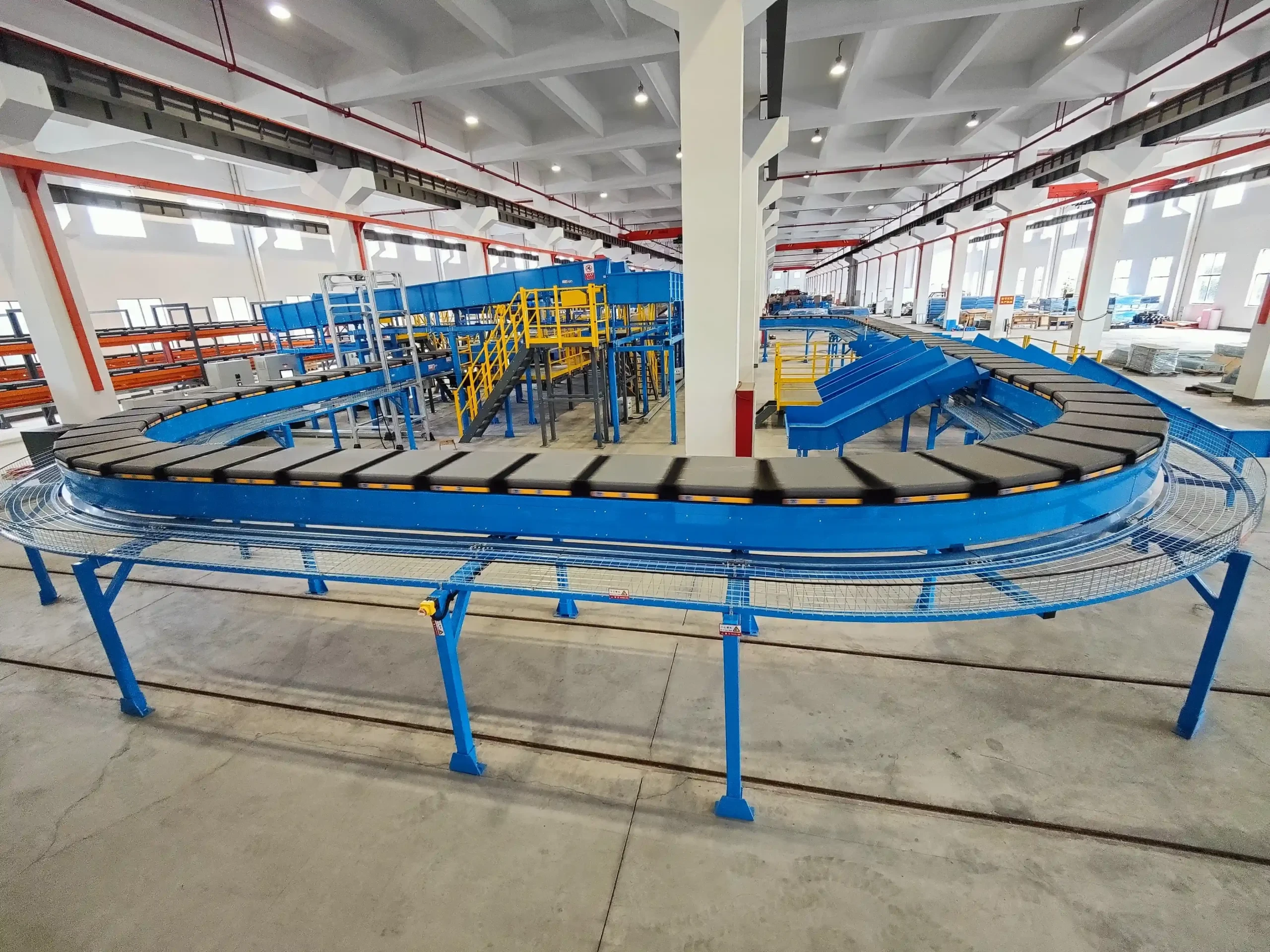
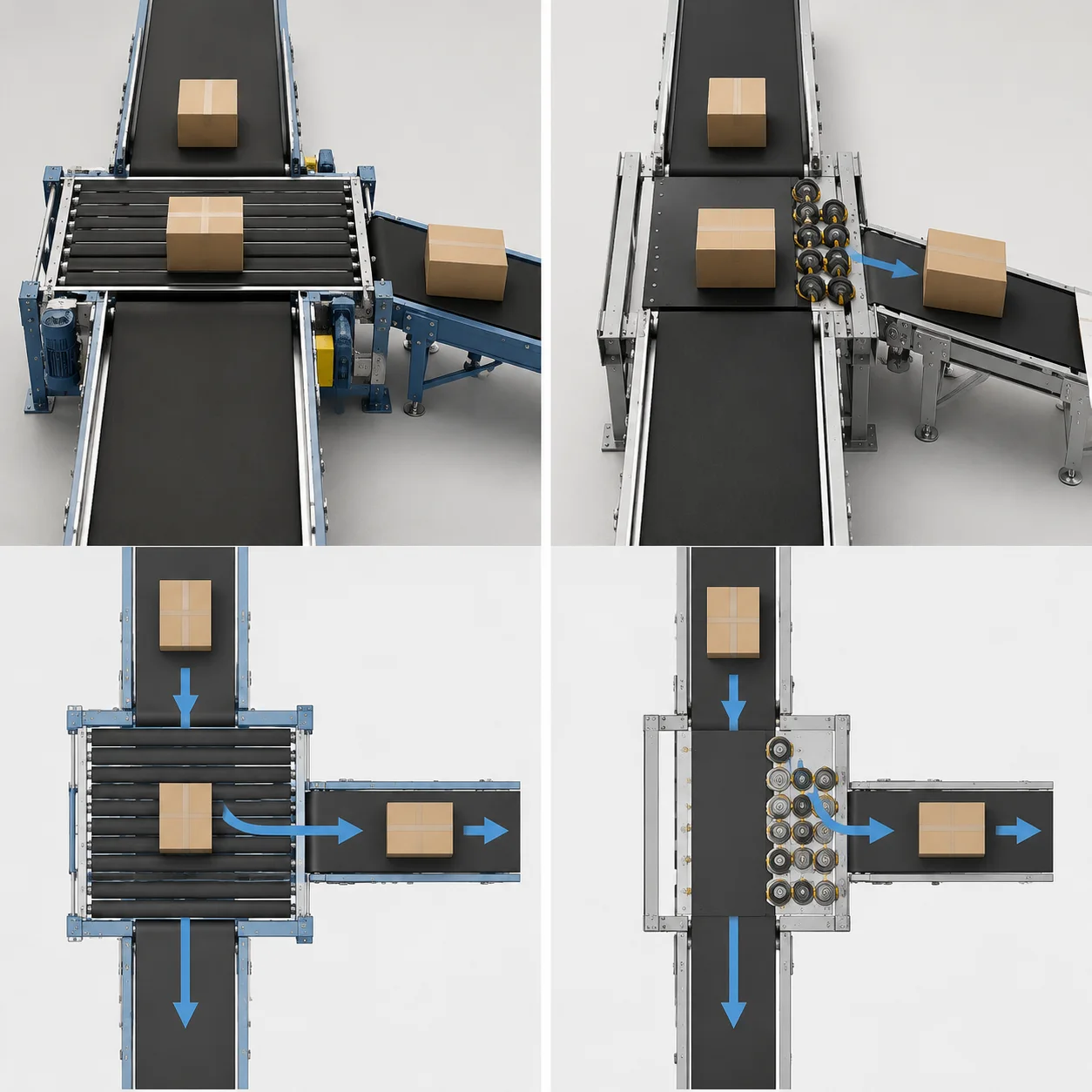
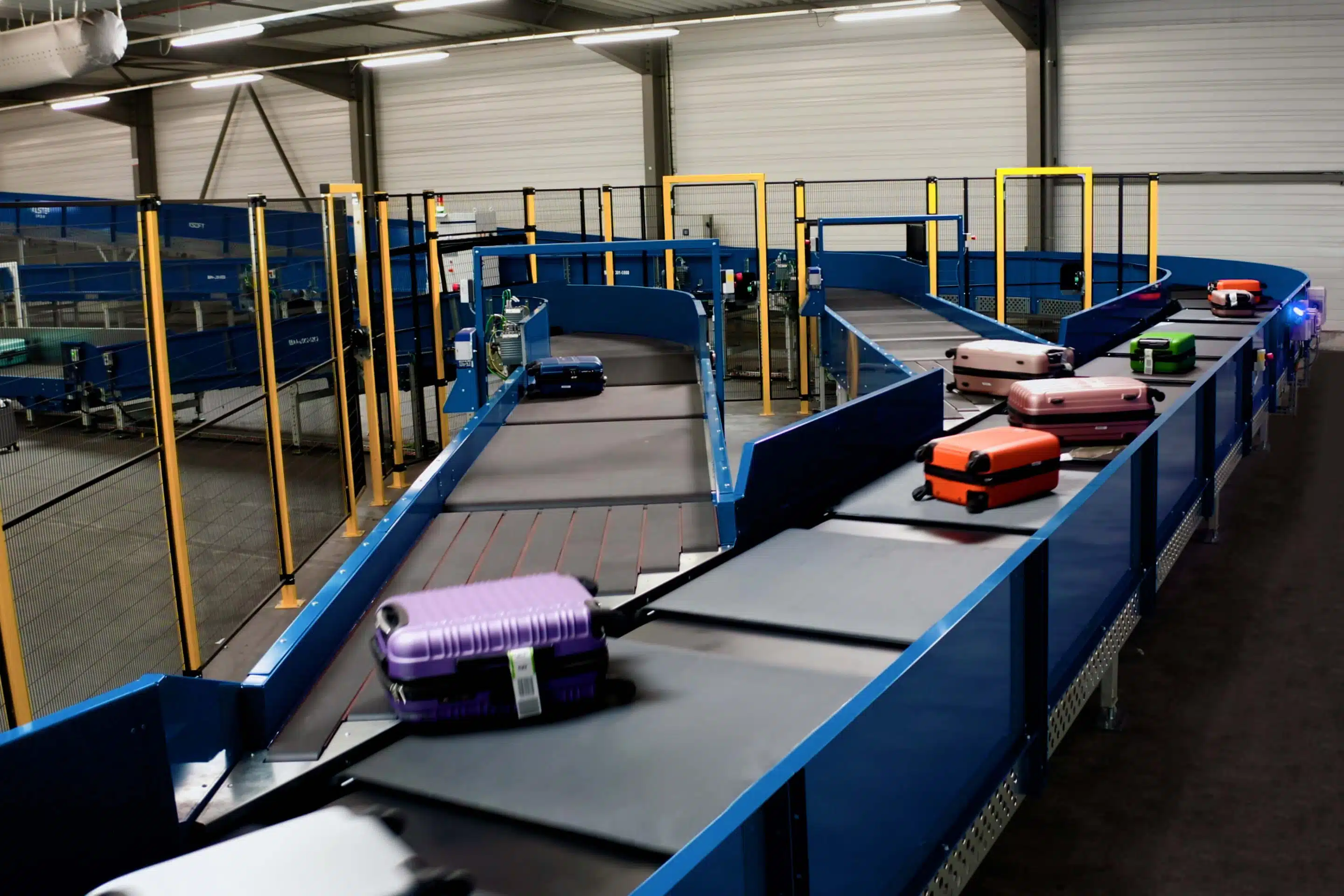
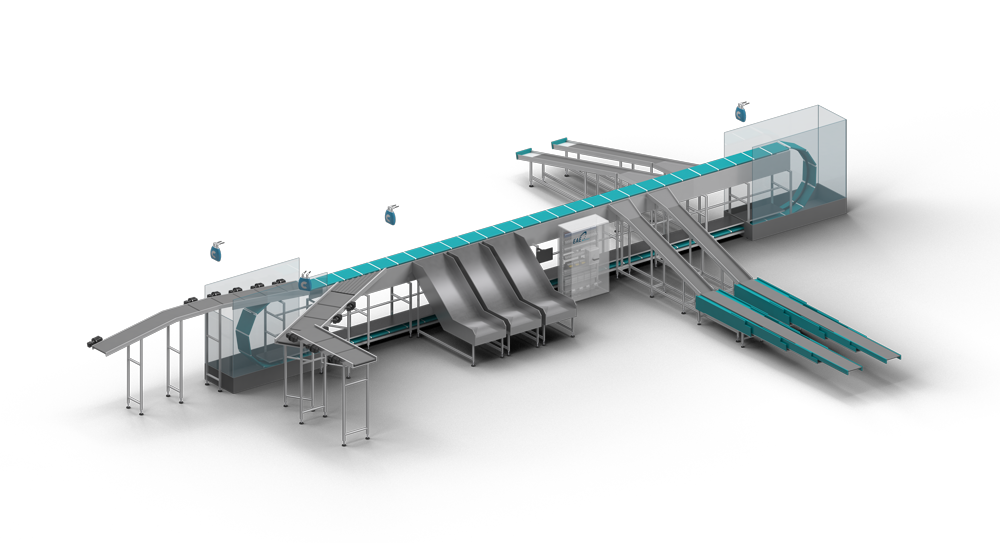
A cross-belt sorting system is an automated conveyor-based sorter that uses independently powered carriers equipped with small conveyor belts mounted perpendicular to the travel direction. As items move through the system, each carrier discharges products into designated chutes, bins, or lanes.
Cross-belt sorters are widely known for:
- High sorting accuracy
- Fast throughput speeds
- Quiet operation
- Gentle handling of fragile goods
- Flexibility for mixed product sizes
- Scalability for growing operations
These systems are commonly used in:
- E-commerce fulfillment centers
- Courier and parcel hubs
- Apparel distribution centers
- Pharmaceutical warehouses
- Grocery logistics facilities
- Airport baggage systems
Because cross-belt sorters operate continuously at high speeds, even small mechanical or electrical problems can quickly escalate into costly failures if left unaddressed.
The Role of Preventive Maintenance in Lean Logistics
Lean logistics focuses on eliminating waste while maximizing value creation throughout the supply chain. Waste in logistics often appears as:
- Equipment downtime
- Delayed shipments
- Excess labor
- Product damage
- Inventory accumulation
- Energy inefficiency
- Rework and sorting errors
Preventive maintenance directly supports lean principles by reducing unplanned downtime and improving system reliability.
Rather than waiting for components to fail, preventive maintenance involves scheduled inspections, servicing, cleaning, lubrication, calibration, and replacement activities designed to keep equipment operating optimally.
Key benefits include:
- Improved equipment uptime
- Reduced emergency repairs
- Lower maintenance costs
- Better throughput consistency
- Increased worker safety
- Longer equipment lifespan
- Improved energy efficiency
In high-volume logistics operations, preventive maintenance often delivers one of the highest returns on investment among operational improvement initiatives.
Why Cross-Belt Sorters Require Specialized Maintenance
Cross-belt sorting systems are sophisticated combinations of:
- Mechanical components
- Electrical systems
- Sensors
- Servo motors
- Communication networks
- PLC controls
- Software algorithms
- Conveyor technologies
Unlike traditional conveyor systems, cross-belt sorters include hundreds or thousands of moving carriers operating simultaneously.
This complexity creates multiple maintenance challenges:
High-Speed Operation
Modern sorters can process thousands of items per hour. Components experience continuous motion, vibration, and mechanical stress.
Precision Requirements
Small alignment issues can cause tracking errors, belt slippage, or inaccurate sorting.
Continuous Operation
Many fulfillment centers operate 24/7, leaving limited maintenance windows.
Environmental Exposure
Dust, cardboard particles, shrink wrap debris, and temperature fluctuations affect system reliability.
Interconnected Systems
Failures in one subsystem can cascade across the entire operation.
Because of these factors, maintenance programs must be systematic, proactive, and data-driven.
Core Components That Require Preventive Maintenance
Understanding which components experience the highest wear is essential for developing an effective maintenance plan.
Cross-Belt Carriers
Carriers are the heart of the sorting system.
Maintenance concerns include:
- Belt wear
- Bearing degradation
- Motor overheating
- Misalignment
- Roller damage
- Debris accumulation
Routine inspections should verify:
- Smooth belt motion
- Proper tension
- Noise abnormalities
- Accurate discharge performance
Drive Motors
Drive motors power the sorter loop and individual carrier belts.
Common issues include:
- Overheating
- Electrical faults
- Excessive vibration
- Bearing failure
- Lubrication degradation
Thermal monitoring and vibration analysis help identify motor problems before catastrophic failure occurs.
Conveyor Belts
Belts experience continuous friction and stress.
Maintenance tasks include:
- Checking belt tension
- Inspecting edge wear
- Monitoring splice integrity
- Cleaning contaminants
- Verifying tracking alignment
Improper belt tension can significantly reduce system efficiency and increase energy consumption.
Bearings and Rollers
Bearings are among the most common failure points in automated sorting systems.
Warning signs include:
- Unusual noise
- Increased vibration
- Temperature rise
- Reduced rotational smoothness
Regular lubrication schedules are critical for extending bearing life.
Sensors and Scanners
Cross-belt systems rely heavily on photoelectric sensors, barcode scanners, RFID readers, and position sensors.
Potential problems include:
- Dirty lenses
- Calibration drift
- Electrical interference
- Loose wiring
- Misalignment
Sensor reliability directly impacts sorting accuracy.
PLC and Control Systems
Programmable logic controllers coordinate all sorter operations.
Preventive tasks include:
- Firmware updates
- Backup verification
- Communication diagnostics
- Cooling system inspection
- Cabinet cleaning
Control system failures can shut down the entire operation.
Building an Effective Preventive Maintenance Program
A successful maintenance strategy requires more than occasional inspections. It must become an integrated operational process.
Step 1: Create Asset Inventories
Every component should be documented, including:
- Equipment IDs
- Manufacturer information
- Installation dates
- Maintenance history
- Replacement schedules
- Spare part requirements
Detailed asset management improves maintenance planning and inventory control.
Step 2: Establish Maintenance Intervals
Maintenance schedules should be based on:
- Manufacturer recommendations
- Runtime hours
- Throughput volume
- Environmental conditions
- Historical failure data
Typical intervals include:
| Maintenance Activity | Frequency |
|---|---|
| Visual inspections | Daily |
| Cleaning | Daily |
| Lubrication | Weekly |
| Belt alignment checks | Weekly |
| Sensor calibration | Monthly |
| Motor inspections | Monthly |
| Vibration analysis | Quarterly |
| Full system audit | Annually |
Maintenance intervals should evolve as operational data accumulates.
Step 3: Standardize Inspection Procedures
Technicians should follow standardized checklists to ensure consistency.
Inspection procedures should include:
- Safety lockout verification
- Visual inspection points
- Noise assessment
- Temperature readings
- Vibration measurements
- Cleaning protocols
- Documentation requirements
Standardization reduces human error and improves maintenance quality.
Step 4: Use Maintenance Management Software
Computerized Maintenance Management Systems (CMMS) help organizations:
- Schedule maintenance tasks
- Track equipment history
- Monitor spare parts
- Generate work orders
- Analyze failure trends
- Measure technician performance
Digital maintenance management significantly improves operational visibility.
Predictive Maintenance vs Preventive Maintenance
Many advanced logistics facilities are moving beyond traditional preventive maintenance toward predictive maintenance strategies.
Preventive Maintenance
Preventive maintenance follows scheduled intervals regardless of actual equipment condition.
Advantages:
- Simple implementation
- Lower initial investment
- Reduced catastrophic failures
Limitations:
- Possible unnecessary servicing
- Fixed schedules may miss emerging issues
Predictive Maintenance
Predictive maintenance uses real-time data to determine actual equipment condition.
Technologies include:
- Vibration analysis
- Thermal imaging
- Oil analysis
- Acoustic monitoring
- IoT sensors
- AI analytics
Advantages:
- Reduced downtime
- Longer component lifespan
- Lower maintenance costs
- More accurate servicing
Limitations:
- Higher implementation costs
- Greater technical complexity
The most effective logistics operations often combine both approaches.
Vibration Analysis in Cross-Belt Systems
Vibration analysis has become one of the most valuable predictive maintenance tools.
Excessive vibration often indicates:
- Bearing wear
- Shaft imbalance
- Misalignment
- Mechanical looseness
- Motor defects
By analyzing vibration patterns, technicians can detect failures weeks or months before breakdowns occur.
Benefits include:
- Reduced emergency repairs
- Better maintenance scheduling
- Improved operational safety
- Longer equipment life
Wireless vibration sensors now allow continuous monitoring of critical sorter components.
Thermal Imaging for Early Failure Detection
Thermal imaging cameras identify abnormal heat patterns in electrical and mechanical systems.
Applications include:
- Motor overheating detection
- Electrical connection inspections
- Bearing temperature monitoring
- Power distribution analysis
Heat anomalies often appear long before visible failures occur.
Thermal inspections are especially useful during peak operational periods when equipment loads increase.
Lubrication Best Practices
Improper lubrication remains one of the leading causes of mechanical failure.
Common lubrication mistakes include:
- Over-lubrication
- Under-lubrication
- Using incorrect lubricants
- Contaminated grease application
Effective lubrication programs should include:
- Clearly labeled lubrication points
- Proper lubricant selection
- Scheduled servicing
- Contamination prevention
- Technician training
Automated lubrication systems can improve consistency while reducing labor requirements.
Cleaning as a Maintenance Strategy
Many logistics operations underestimate the importance of cleaning.
Dust, tape fragments, cardboard particles, and packaging debris can cause:
- Sensor malfunctions
- Belt slippage
- Motor overheating
- Bearing contamination
- Tracking issues
Daily cleaning routines should focus on:
- Sensor surfaces
- Conveyor tracks
- Carrier assemblies
- Electrical cabinets
- Motor ventilation areas
A clean system operates more efficiently and experiences fewer failures.
Spare Parts Management
Lean logistics does not mean eliminating all spare inventory.
Critical spare parts should always be available for high-risk components.
Important spare categories include:
- Motors
- Sensors
- Bearings
- Belts
- Rollers
- PLC modules
- Power supplies
Organizations should classify spare parts based on:
- Failure frequency
- Replacement lead times
- Operational criticality
- Cost impact
Poor spare parts planning can extend downtime dramatically.
Reducing Downtime During Peak Seasons
Peak shipping seasons place enormous stress on sorting systems.
Preparation strategies include:
- Pre-peak inspections
- Component replacement before failure
- Software validation
- Backup equipment testing
- Additional spare inventory
- Increased technician staffing
Maintenance teams should avoid major system modifications during peak operational periods.
Operator Involvement in Preventive Maintenance
Operators often detect problems before maintenance teams.
Lean organizations encourage operator participation through autonomous maintenance programs.
Operators can assist with:
- Daily inspections
- Cleaning
- Basic lubrication
- Noise reporting
- Visual anomaly detection
This approach improves equipment ownership and accelerates issue detection.
Training Maintenance Teams
Advanced sorting systems require highly skilled technicians.
Training programs should cover:
- Mechanical systems
- Electrical troubleshooting
- PLC diagnostics
- Safety procedures
- Sensor calibration
- Data analysis
- Predictive maintenance tools
Continuous training is essential because automation technologies evolve rapidly.
Safety Considerations During Maintenance
Cross-belt sorters involve moving machinery, electrical systems, and high-speed operations.
Critical safety procedures include:
- Lockout/tagout protocols
- Emergency stop verification
- Fall protection
- Electrical isolation
- PPE requirements
- Confined space awareness
Maintenance safety failures can result in severe injuries and operational liabilities.
Key Performance Indicators for Maintenance Programs
Maintenance performance should be measured continuously.
Important KPIs include:
Mean Time Between Failures (MTBF)
Measures equipment reliability.
Higher MTBF indicates improved system stability.
Mean Time To Repair (MTTR)
Measures repair efficiency.
Lower MTTR reduces operational disruption.
Overall Equipment Effectiveness (OEE)
Evaluates:
- Availability
- Performance
- Quality
OEE provides a comprehensive view of operational efficiency.
Planned Maintenance Percentage (PMP)
Measures the percentage of maintenance activities that are planned versus reactive.
Higher planned maintenance percentages indicate mature maintenance operations.
The Role of AI and IoT in Modern Sorter Maintenance
Artificial intelligence and IoT technologies are transforming logistics maintenance strategies.
Smart sensors continuously monitor:
- Temperature
- Vibration
- Energy consumption
- Belt speed
- Motor performance
AI systems analyze patterns and predict failures automatically.
Benefits include:
- Reduced downtime
- Improved maintenance scheduling
- Lower labor costs
- Faster root cause analysis
Future logistics facilities will increasingly rely on autonomous maintenance systems.
Energy Efficiency Through Preventive Maintenance
Poorly maintained systems consume more energy.
Factors that increase energy usage include:
- Misaligned belts
- Worn bearings
- Excess friction
- Motor inefficiencies
- Dirty components
Preventive maintenance improves energy efficiency by ensuring systems operate within optimal performance ranges.
This contributes directly to sustainability goals and operational cost reduction.
Extending Equipment Lifespan
Cross-belt sorting systems represent major capital investments.
Preventive maintenance helps maximize ROI by extending equipment lifespan through:
- Reduced wear
- Lower mechanical stress
- Early failure detection
- Controlled operating conditions
- Proper lubrication
Well-maintained systems often operate effectively for decades.
Common Preventive Maintenance Mistakes
Even experienced operations make maintenance errors.
Common mistakes include:
Relying Only on Reactive Repairs
Waiting for failures increases downtime and repair costs.
Ignoring Small Warning Signs
Minor vibration or noise issues often indicate larger emerging problems.
Inadequate Documentation
Poor maintenance records reduce troubleshooting efficiency.
Skipping Cleaning Procedures
Contamination accelerates wear and sensor failures.
Poor Communication Between Departments
Operations and maintenance teams must collaborate closely.
Future Trends in Cross-Belt Sorter Maintenance
The future of logistics maintenance will include:
- AI-driven diagnostics
- Digital twins
- Robotics-assisted inspections
- Remote monitoring
- Cloud-based analytics
- Autonomous lubrication systems
- Self-diagnosing components
As distribution networks become more automated, maintenance sophistication will continue to increase.
Conclusion
Cross-belt sorting systems have become foundational technologies in modern lean logistics operations. Their ability to process massive volumes with speed and accuracy makes them indispensable in today’s highly competitive supply chain environment.
However, the efficiency advantages of these systems can only be sustained through disciplined preventive maintenance strategies.
Organizations that prioritize proactive maintenance benefit from:
- Higher system uptime
- Reduced operational disruption
- Lower repair costs
- Improved worker safety
- Better customer satisfaction
- Longer equipment lifespan
- Stronger operational resilience
Preventive maintenance is no longer simply a technical function—it is a strategic driver of logistics performance.
As automation technologies continue to evolve, companies that integrate predictive analytics, intelligent monitoring, skilled maintenance teams, and lean operational principles will gain significant competitive advantages in the rapidly changing world of warehouse automation and material handling systems.