
Modern logistics runs on speed, precision, and adaptability. Whether it’s e-commerce fulfillment, parcel distribution, or warehouse automation, the ability to sort thousands of items per hour with minimal error is no longer a luxury—it’s a necessity.
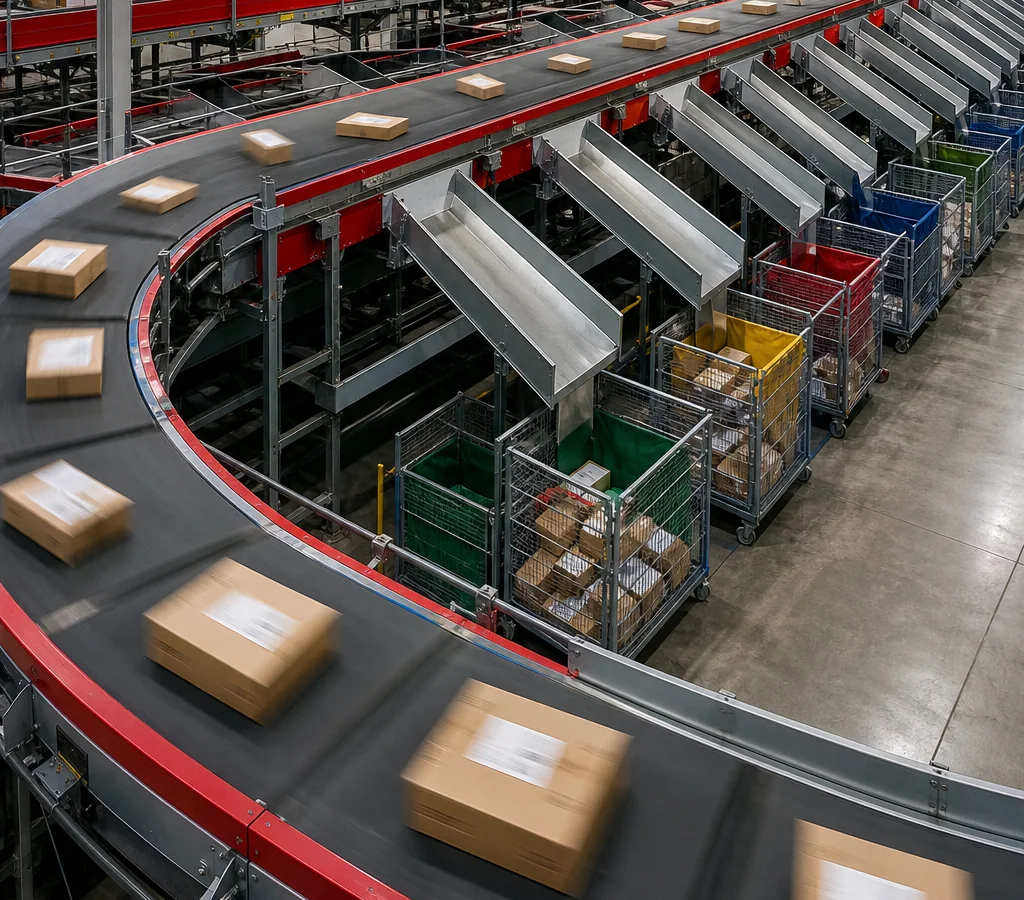
At the center of this transformation is the cross-belt sorter, a system designed to move items quickly and divert them accurately to designated destinations. While the concept of cross-belt sorting has been around for decades, the technology powering these systems has evolved significantly.
One of the most important decisions in designing or upgrading a cross-belt sorting system is choosing between linear motor drives and traditional drive systems.
Both approaches have their strengths. But when it comes to efficiency, performance, and long-term value, the differences can be substantial.
This article explores how each technology works, compares their performance across key metrics, and helps you understand which option is better suited for modern logistics environments.
Understanding Cross-Belt Sorting Systems
Before diving into drive technologies, it’s important to understand how cross-belt sorting works.
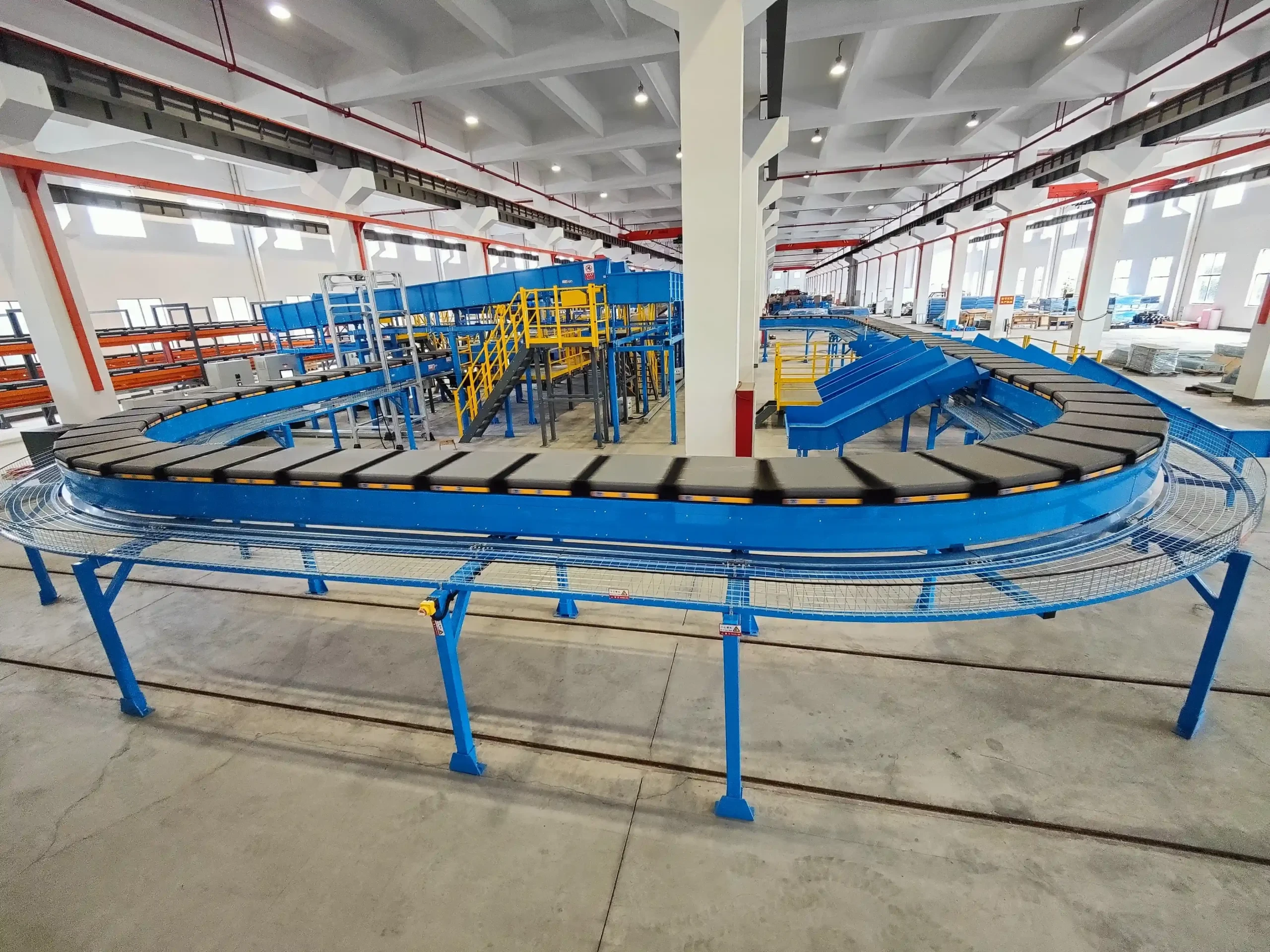
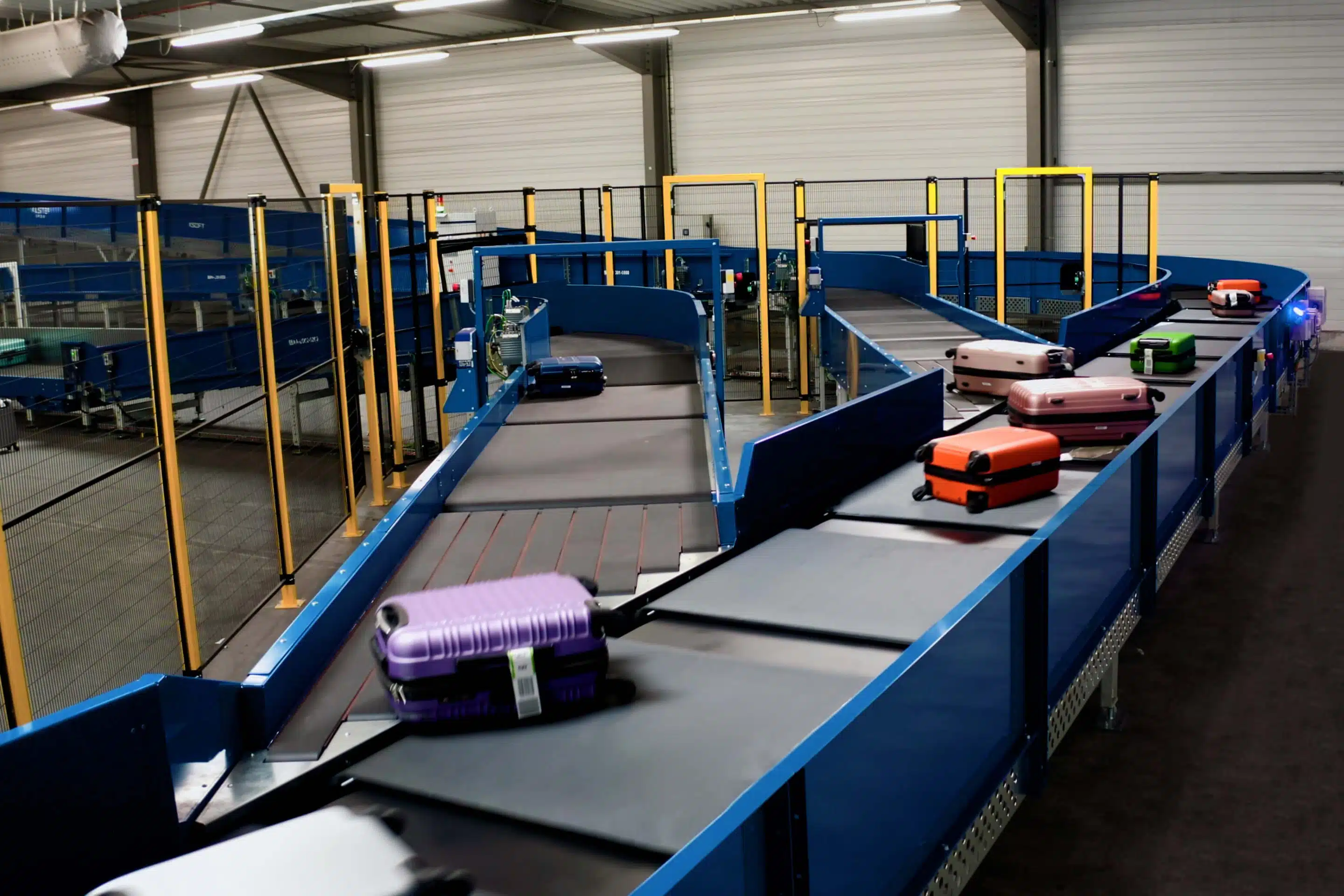
A cross-belt sorter consists of:
- A main conveyor loop
- Individual carrier units (trays)
- Small belts mounted on each carrier
- A control system that directs sorting actions
When an item reaches its destination, the small belt on the carrier activates, moving the item sideways into a chute or bin.
This design enables:
- High-speed sorting
- Gentle handling of goods
- Flexibility for different item sizes
The drive system determines how these carriers move along the track—and that’s where the real performance differences begin.
What Is a Traditional Drive System?
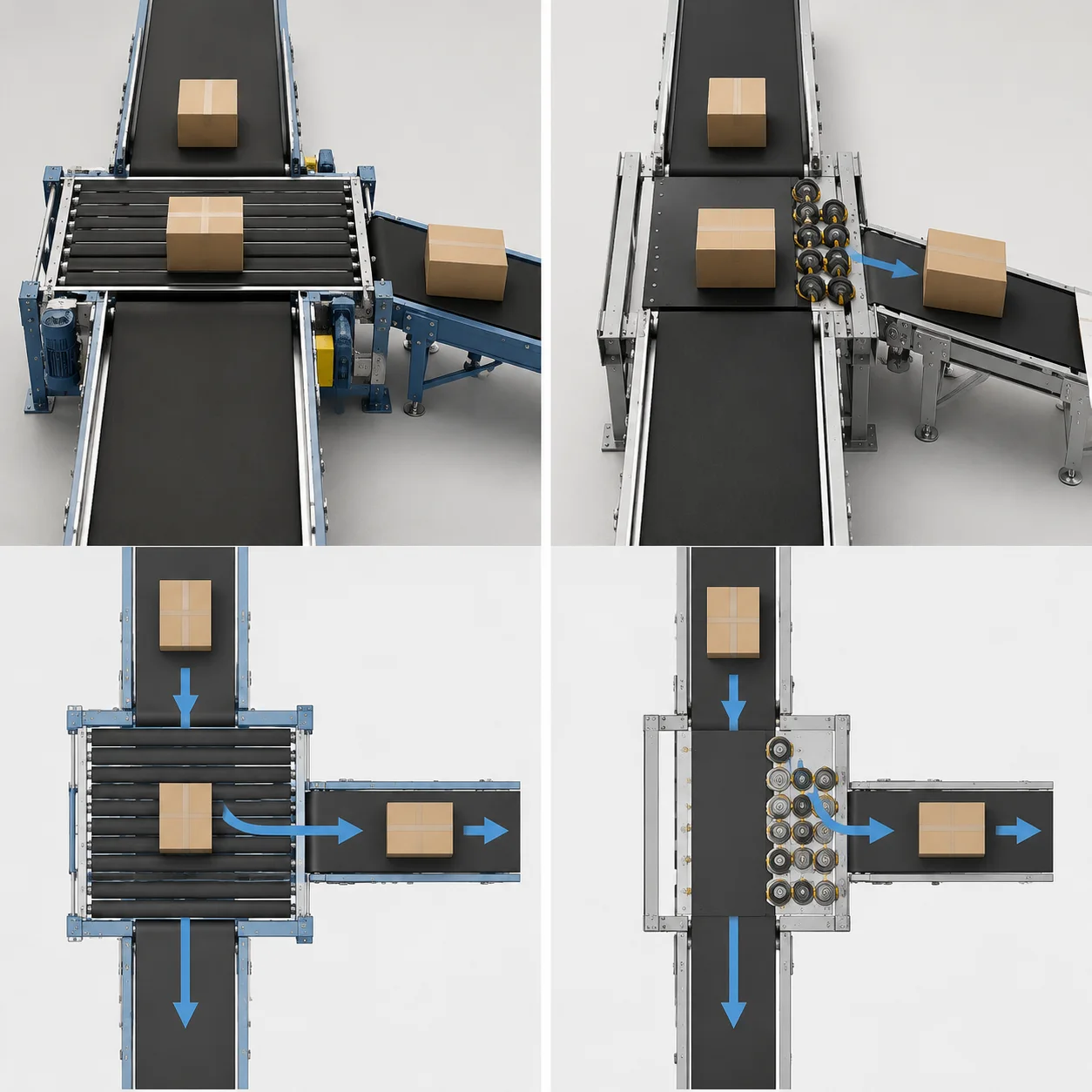
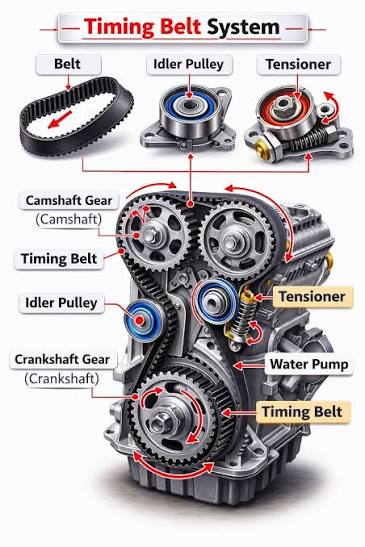
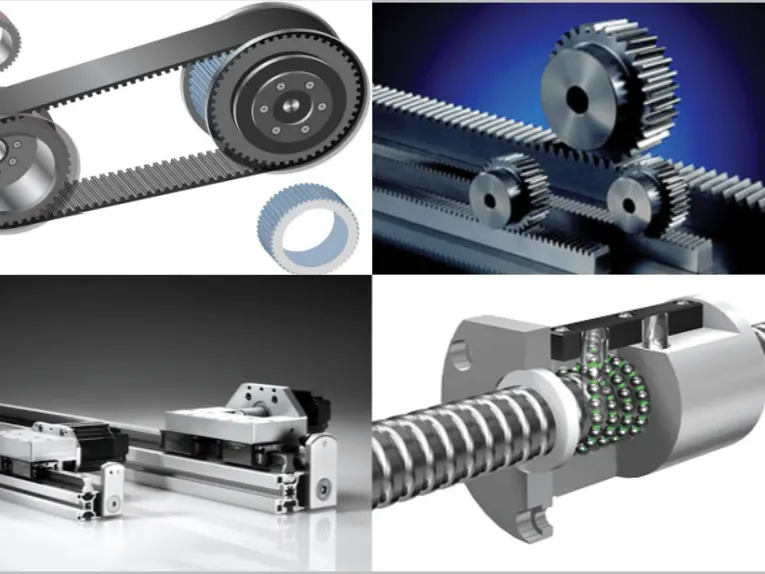
Traditional cross-belt sorters typically rely on mechanical drive components, such as:
- Chains
- belts
- gear motors
- friction wheels
Power is transmitted from motors to the moving carriers through physical contact and mechanical linkage.
Key Characteristics
- Proven and widely used
- Lower initial cost
- Familiar maintenance practices
However, these systems also involve continuous mechanical interaction, which introduces friction, wear, and energy loss.
What Is a Linear Motor System?
Linear motor technology takes a fundamentally different approach.
Instead of using rotating motors and mechanical transmission, linear motors generate motion directly along a track using electromagnetic forces.
In simple terms, it’s similar to “unrolling” a traditional motor:
- The stator is laid out along the track
- The mover (carrier) is propelled directly without physical contact
Key Characteristics
- Contactless drive mechanism
- Precise, programmable control
- Reduced mechanical complexity
This shift from mechanical to electromagnetic motion has significant implications for efficiency and performance.
Efficiency Comparison: Where the Real Differences Lie
Efficiency in cross-belt sorting isn’t just about speed—it’s a combination of energy use, throughput, accuracy, maintenance, and system uptime.
Let’s break it down.
1. Energy Efficiency
Traditional Drives:
- Energy is lost through friction in chains, belts, and gears
- Continuous operation often requires constant power
- Less efficient at variable speeds
Linear Motors:
- Direct drive reduces energy loss
- Power is applied only where needed
- More efficient during start-stop operations
Verdict: Linear motors typically offer better energy efficiency, especially in dynamic environments.
2. Speed and Acceleration
Traditional Drives:
- Limited by mechanical constraints
- Slower acceleration and deceleration
- Fixed speed zones in many designs
Linear Motors:
- Rapid acceleration and deceleration
- Independent control of each carrier
- Higher maximum speeds possible
Verdict: Linear motor systems excel in high-speed, high-throughput operations.
3. Sorting Accuracy
Accuracy is critical, especially when handling thousands of parcels per hour.
Traditional Drives:
- Mechanical wear can affect positioning over time
- Synchronization depends on system calibration
Linear Motors:
- Precise electronic control of each carrier
- Consistent positioning with minimal drift
Verdict: Linear motors provide superior accuracy and consistency.
4. Maintenance Requirements
Traditional Drives:
- Regular maintenance needed for chains, belts, and gears
- Lubrication and part replacement required
- Higher risk of mechanical failure
Linear Motors:
- Fewer moving parts
- No physical contact means less wear
- Lower routine maintenance needs
Verdict: Linear systems significantly reduce maintenance workload and downtime.
5. Noise Levels
Traditional Drives:
- Mechanical components generate noise
- Can be a concern in indoor facilities
Linear Motors:
- Quieter operation due to lack of contact
- Improved working environment
Verdict: Linear motors offer a quieter, more comfortable workspace.
6. System Flexibility
Traditional Drives:
- Changes often require mechanical adjustments
- Limited flexibility once installed
Linear Motors:
- Software-driven control
- Easy to reconfigure sorting logic
- Scalable and adaptable
Verdict: Linear motor systems provide greater flexibility for evolving operations.
7. Initial Cost vs. Total Cost of Ownership
Traditional Drives:
- Lower upfront investment
- Higher long-term maintenance and energy costs
Linear Motors:
- Higher initial cost
- Lower operating and maintenance expenses
Verdict: Traditional systems may be cheaper initially, but linear motors often deliver better long-term value.
Real-World Performance Considerations
While linear motors clearly offer advantages, the “best” choice depends on your operational needs.
When Traditional Drives Make Sense
- Smaller facilities with moderate throughput
- Budget-sensitive projects
- Operations with stable, predictable workflows
When Linear Motors Are the Better Choice
- High-volume distribution centers
- E-commerce fulfillment operations
- Facilities requiring rapid scalability
- Environments where downtime is costly
The Impact on Modern Logistics
As logistics continues to evolve, the demand for faster, more flexible systems is increasing.
Key trends include:
- Same-day and next-day delivery expectations
- Increased SKU variety
- Seasonal demand fluctuations
Linear motor-driven systems are better aligned with these trends because they can adapt quickly without major hardware changes.
Challenges of Linear Motor Technology
Despite their advantages, linear motor systems are not without challenges.
Higher Initial Investment
The upfront cost can be a barrier for some businesses.
Technical Expertise
Installation and operation may require specialized knowledge.
Infrastructure Requirements
Facilities may need upgrades to support advanced systems.
However, for many organizations, these challenges are outweighed by long-term benefits.
Future Outlook
The shift toward automation and smart logistics is accelerating.
Linear motor technology is likely to play an increasingly important role due to:
- Integration with AI-driven control systems
- Improved energy efficiency standards
- Growing demand for high-speed fulfillment
As technology advances, costs are expected to decrease, making linear systems more accessible.
Final Thoughts
Choosing between linear motors and traditional drives is not just a technical decision—it’s a strategic one.
Traditional systems offer reliability and lower upfront costs, making them suitable for certain applications. But as logistics demands continue to grow, their limitations become more apparent.
Linear motor technology, with its precision, efficiency, and flexibility, represents the next step forward in cross-belt sorting. While it requires a higher initial investment, it delivers significant advantages in speed, accuracy, and long-term performance.
In a world where every second counts and every package matters, the right drive technology can make all the difference.
If your goal is to build a future-ready sorting operation, linear motors are not just an upgrade—they’re a transformation.