
The modern logistics landscape is being reshaped at an unprecedented pace. E-commerce growth, rising customer expectations, and labor constraints are pushing fulfillment operations to become faster, smarter, and more scalable. At the center of this transformation lies a powerful convergence: AI-powered visual recognition integrated with cross-belt sortation systems.
This isn’t just an incremental upgrade—it’s a fundamental shift in how goods are identified, routed, and processed. By combining machine vision with high-speed mechanical sorting, warehouses can achieve new levels of accuracy, efficiency, and adaptability.
In this in-depth article, we’ll explore how this integration works, why it matters, and how it’s redefining the future of logistics and automation.
Understanding the Basics
Before diving into the integration, let’s break down the two core components.
What Is a Cross-Belt Sorter?
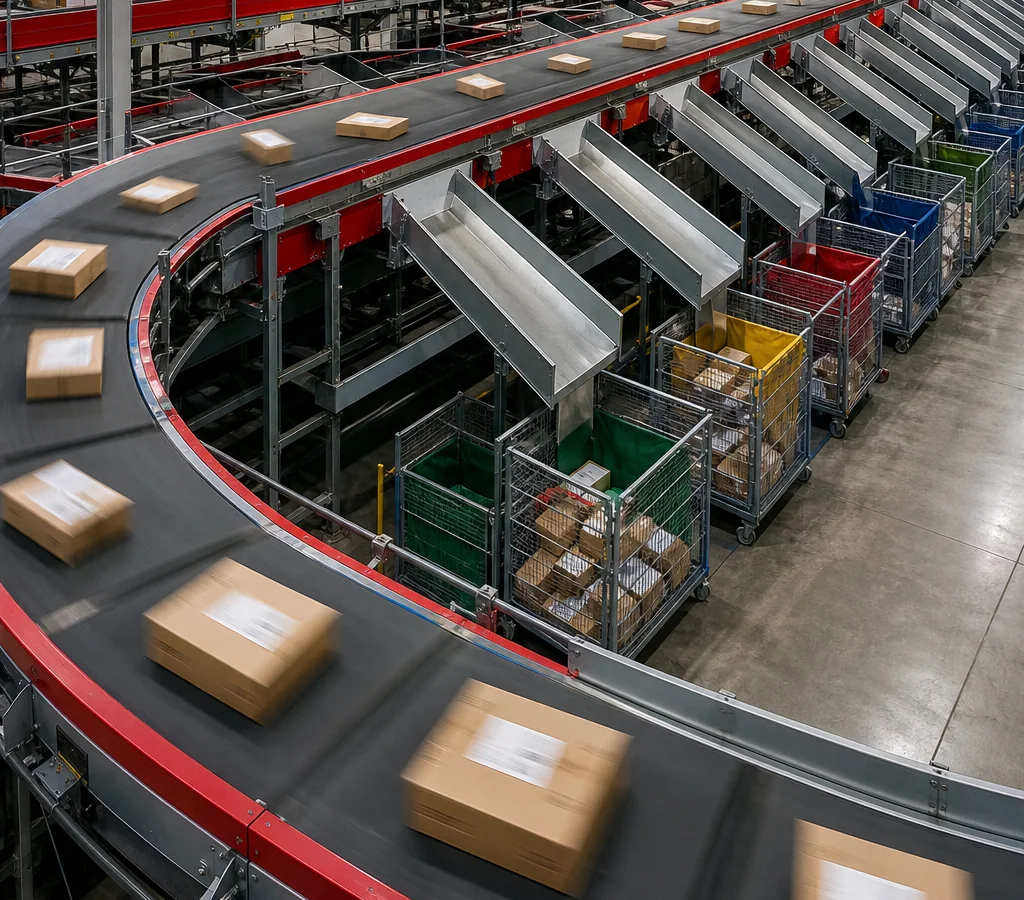
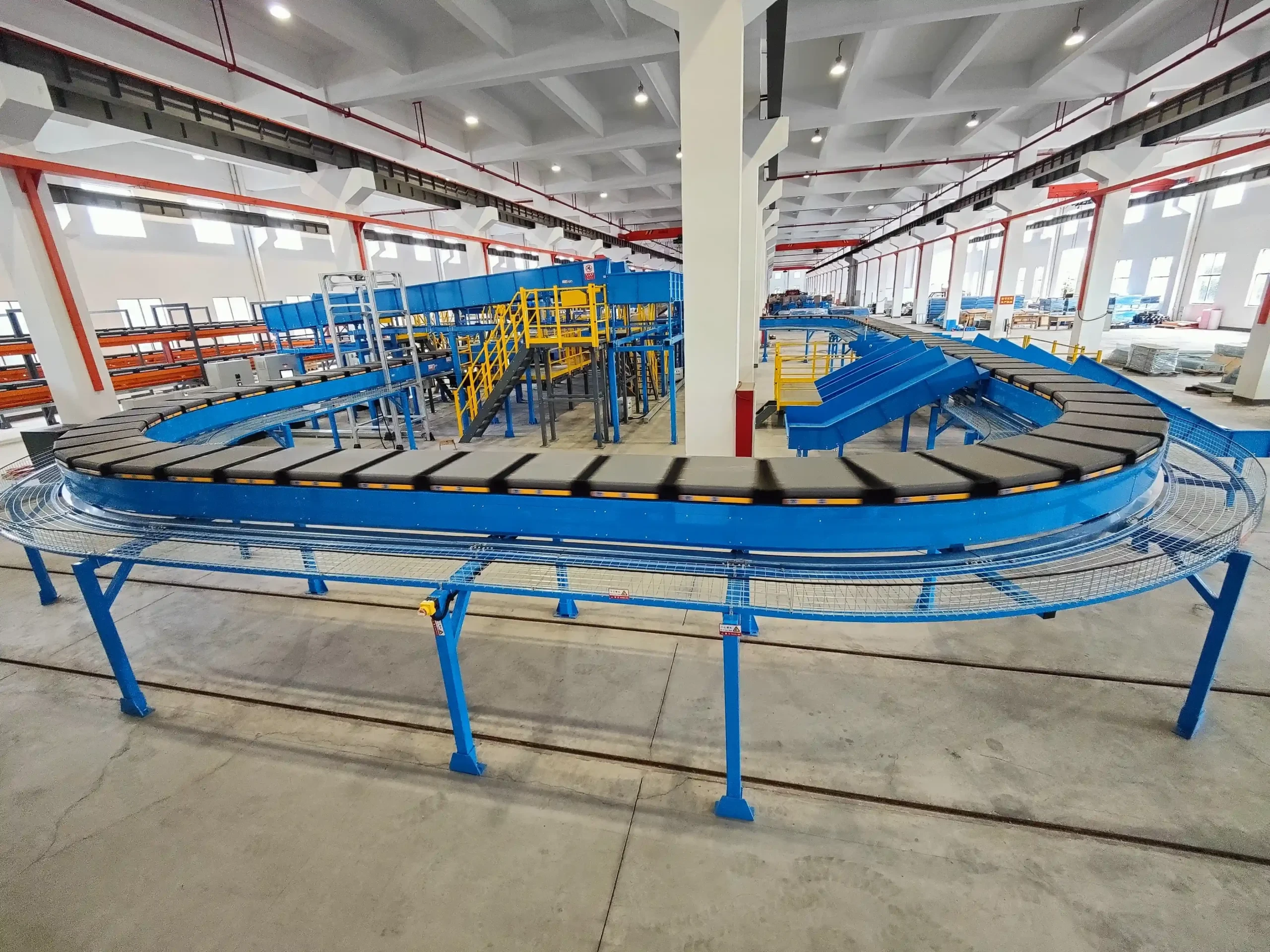
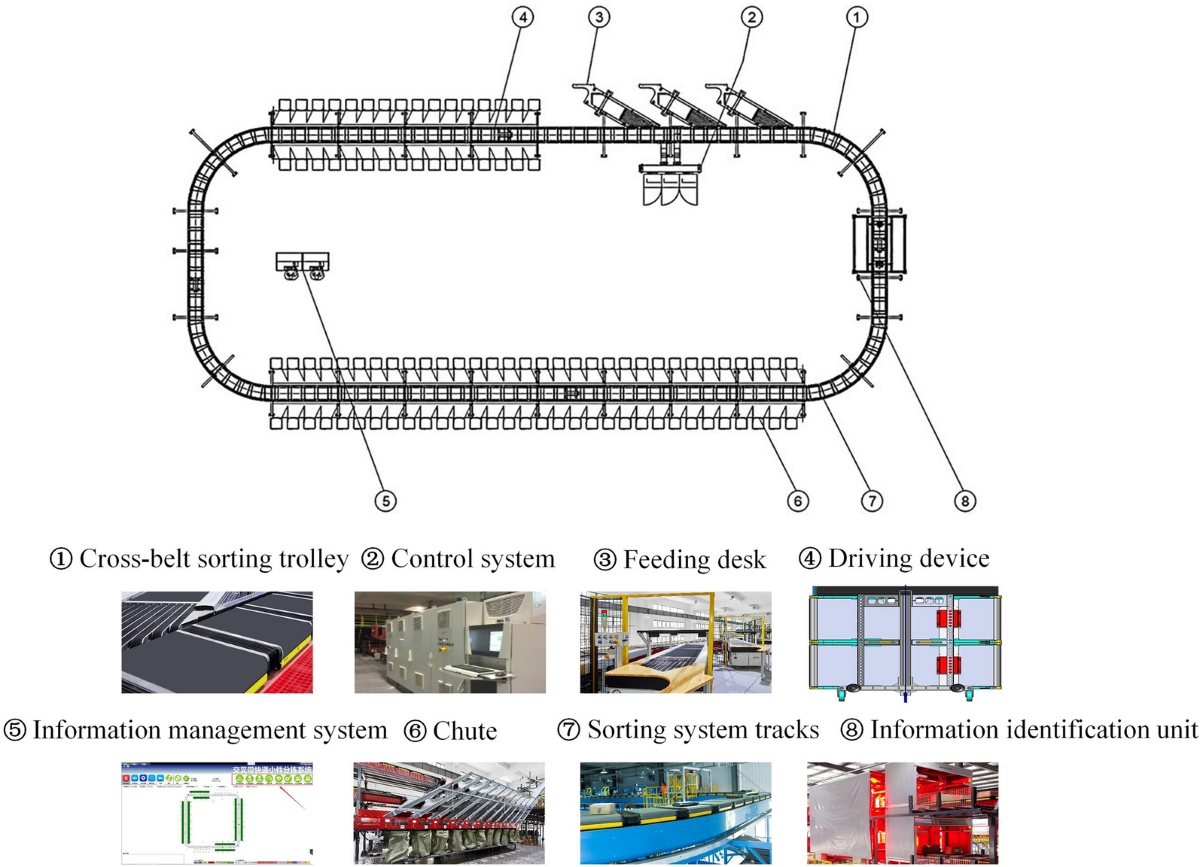
A cross-belt sorter is an automated sorting system used in distribution centers to route items to specific destinations.
Key characteristics include:
- A continuous loop of carriers
- Each carrier equipped with a small belt (the “cross-belt”)
- Items are placed on the carriers and discharged at designated points
These systems are known for:
- High throughput (thousands of items per hour)
- Gentle handling (ideal for fragile goods)
- Flexibility in sorting destinations
What Is AI Visual Recognition?
AI visual recognition refers to computer systems that can:
- Identify objects
- Read barcodes or labels
- Detect shapes, sizes, and colors
- Interpret complex visual data
Using technologies like deep learning and neural networks, these systems continuously improve their accuracy over time.
Why Traditional Sorting Systems Fall Short
Historically, sortation systems have relied on:
- Barcode scanning
- Manual input
- Predefined rules
While effective, these methods have limitations:
1. Dependence on Perfect Labels
If a barcode is damaged, missing, or poorly placed, the system may fail.
2. Limited Flexibility
Traditional systems struggle with irregular items, mixed packaging, or non-standard formats.
3. High Manual Intervention
Workers often need to:
- Re-label items
- Correct errors
- Handle exceptions
The Power of Integration
When AI vision is integrated into cross-belt sorters, these limitations begin to disappear.
Real-Time Intelligent Identification
Instead of relying solely on barcodes, AI systems can:
- Recognize items based on visual features
- Identify products even without labels
- Detect anomalies instantly
Adaptive Decision-Making
AI enables systems to:
- Adjust sorting logic dynamically
- Learn from past errors
- Improve routing accuracy over time
Reduced Human Dependency
Automation handles more edge cases, allowing human workers to focus on higher-value tasks.
How the System Works: A Step-by-Step Breakdown
Let’s walk through a typical workflow in an AI-enhanced cross-belt sorting system.
Step 1: Item Induction
Items enter the system via conveyors or manual loading stations.
Step 2: Image Capture
High-speed cameras capture multiple images of each item from different angles.
Step 3: AI Processing
The AI system analyzes:
- Shape and dimensions
- Surface features
- Text and symbols
- Barcode or QR codes (if present)
Step 4: Data Matching
The system matches the item to:
- Order data
- Destination information
- Sorting rules
Step 5: Carrier Assignment
The item is placed on a cross-belt carrier.
Step 6: Intelligent Discharge
At the correct location, the cross-belt activates and transfers the item to its destination chute.
Key Benefits of AI + Cross-Belt Integration
1. Higher Accuracy Rates
AI reduces mis-sorts by:
- Identifying items beyond barcodes
- Detecting inconsistencies
- Correcting errors in real time
2. Increased Throughput
With fewer interruptions and manual corrections, systems can operate at higher speeds.
3. Enhanced Flexibility
The system can handle:
- Irregular shapes
- Mixed packaging types
- Diverse product categories
4. Lower Labor Costs
Automation reduces the need for manual sorting and exception handling.
5. Better Data Visibility
AI systems generate rich data insights, including:
- Sorting performance metrics
- Error patterns
- Operational bottlenecks
Real-World Applications
E-Commerce Fulfillment Centers
Handling thousands of SKUs and rapid order turnover, these facilities benefit greatly from intelligent sorting.
Parcel and Courier Services
High-volume operations require speed and accuracy—AI helps manage both.
Retail Distribution
From apparel to electronics, mixed product types demand flexible sorting solutions.
Manufacturing Logistics
Components and parts can be identified and routed without relying solely on labels.
Challenges and Considerations
While the benefits are clear, implementation comes with challenges.
1. Initial Investment
AI systems and advanced sorters require significant upfront costs.
2. Data Training Requirements
AI models need large datasets to achieve high accuracy.
3. System Integration
Integrating with existing warehouse management systems can be complex.
4. Maintenance and Updates
Both hardware and software require ongoing support.
Overcoming Implementation Barriers
Start with Pilot Projects
Test the system in a controlled environment before full deployment.
Invest in Data Quality
Better data leads to better AI performance.
Partner with Experienced Providers
Working with established technology providers reduces risk.
Train Your Workforce
Employees should understand how to interact with and support the system.
The Role of Machine Learning in Continuous Improvement
One of the most powerful aspects of AI is its ability to learn.
Over time, the system can:
- Recognize new product types
- Adapt to packaging changes
- Improve sorting accuracy
This creates a feedback loop where performance continually improves.
Future Trends to Watch
1. 3D Vision Systems
Advanced sensors will enable more precise object recognition.
2. Edge Computing
Processing data closer to the source reduces latency and increases speed.
3. Autonomous Warehouses
AI-driven systems will coordinate sorting, storage, and retrieval with minimal human input.
4. Integration with Robotics
Robotic arms and mobile robots will work alongside sortation systems for end-to-end automation.
Strategic Advantages for Businesses
Companies that adopt AI-enhanced sorting gain:
- Faster order fulfillment
- Higher customer satisfaction
- Reduced operational costs
- Greater scalability
In a competitive market, these advantages can be decisive.
Environmental Impact
Automation can also contribute to sustainability.
Reduced Waste
Fewer errors mean fewer returns and less packaging waste.
Energy Efficiency
Optimized operations reduce energy consumption.
Smarter Resource Use
Data-driven insights help minimize inefficiencies.
Common Misconceptions
“AI Replaces Humans Entirely”
In reality, AI complements human work rather than eliminating it.
“Only Large Enterprises Can Benefit”
Scalable solutions are making this technology accessible to mid-sized operations.
“It’s Too Complex to Implement”
With the right partners and planning, implementation is manageable.
Building a Roadmap for Adoption
Step 1: Assess Current Operations
Identify pain points and inefficiencies.
Step 2: Define Objectives
Set clear goals for accuracy, speed, and cost reduction.
Step 3: Choose the Right Technology
Select systems that align with your needs.
Step 4: Plan Integration
Ensure compatibility with existing infrastructure.
Step 5: Monitor and Optimize
Continuously evaluate performance and make improvements.
Final Thoughts
The integration of AI visual recognition with cross-belt sortation systems represents a major leap forward in logistics automation. It transforms sorting from a rigid, rule-based process into a dynamic, intelligent system capable of adapting to real-world complexity.
As supply chains continue to evolve, businesses that embrace this technology will be better equipped to handle growth, meet customer expectations, and stay competitive in an increasingly demanding market.
This isn’t just about faster sorting—it’s about smarter operations. And in today’s logistics environment, intelligence is the ultimate advantage.