
Cross-belt sorters are the backbone of modern logistics, e-commerce fulfillment, and automated distribution centers. From parcel hubs handling millions of packages per day to retail distribution networks supporting same-day delivery, these systems are expected to run continuously—often 24 hours a day, 7 days a week, with minimal downtime.
But behind this seamless flow of parcels lies a complex reality: a cross-belt sorter is a highly synchronized system of mechanical, electrical, and software components. When even one element fails, the entire operation can slow down or stop.
This is why maintenance is not just a support function—it is a core operational philosophy.
In this guide, we will explore the maintenance philosophy behind cross-belt sorters and how organizations can ensure consistent, high-efficiency, round-the-clock performance.
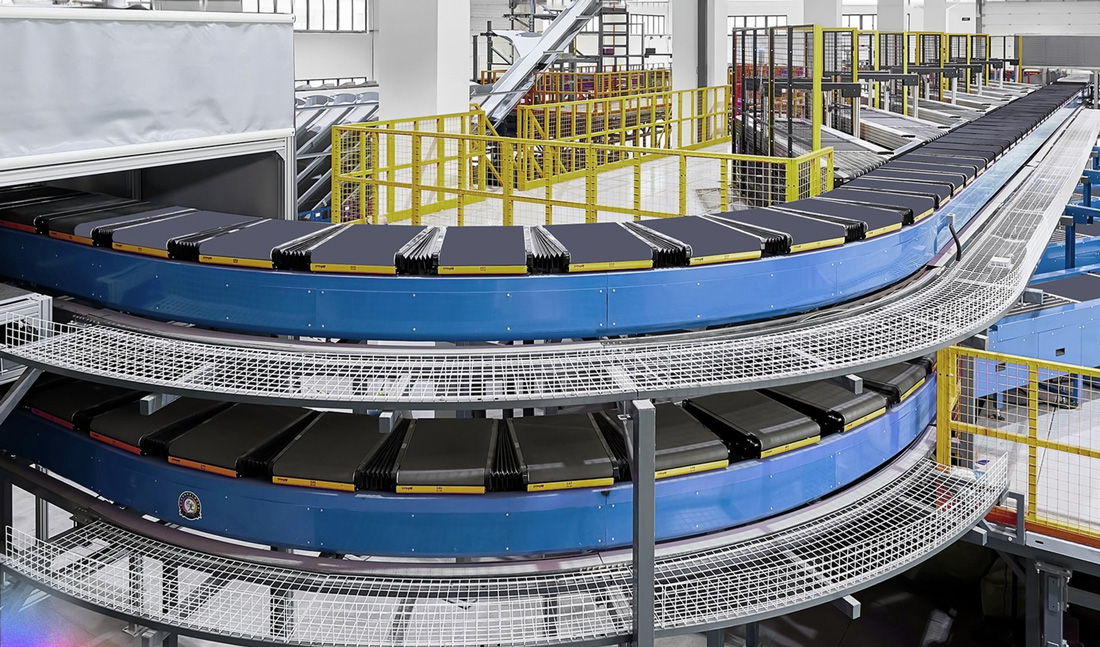
1. Understanding the Cross-Belt Sorter as a Living System
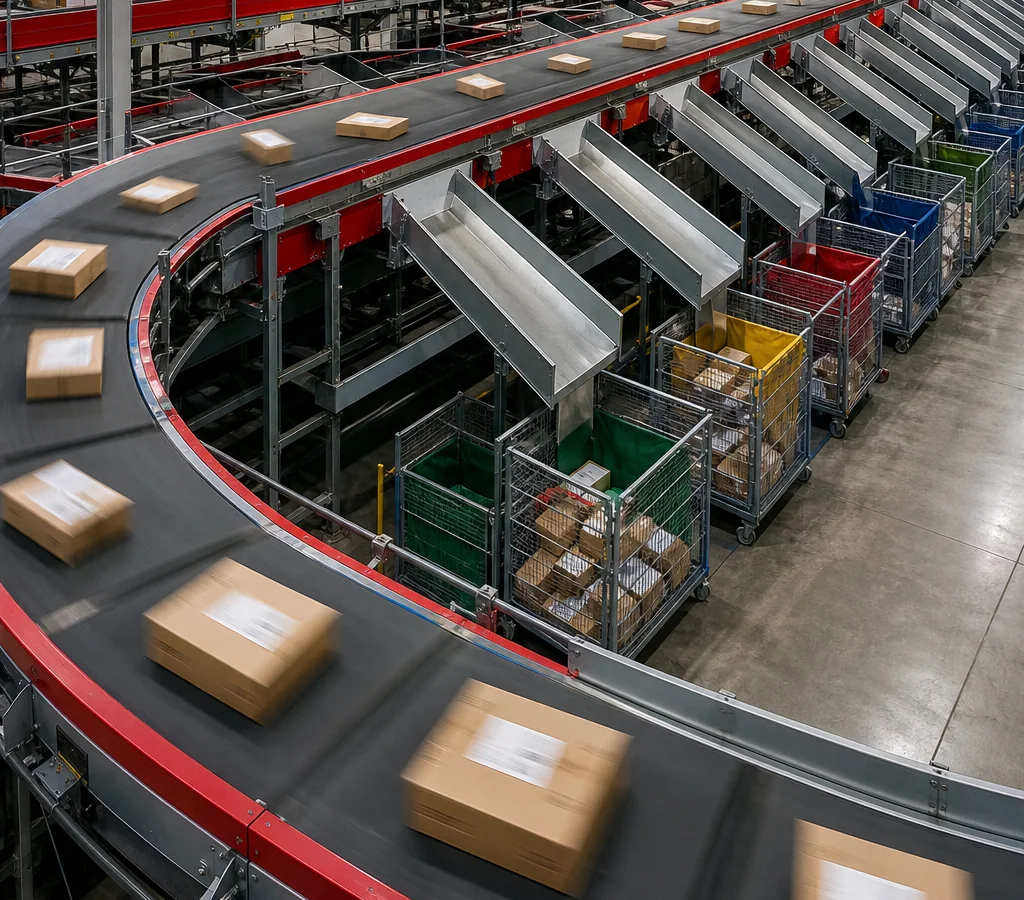
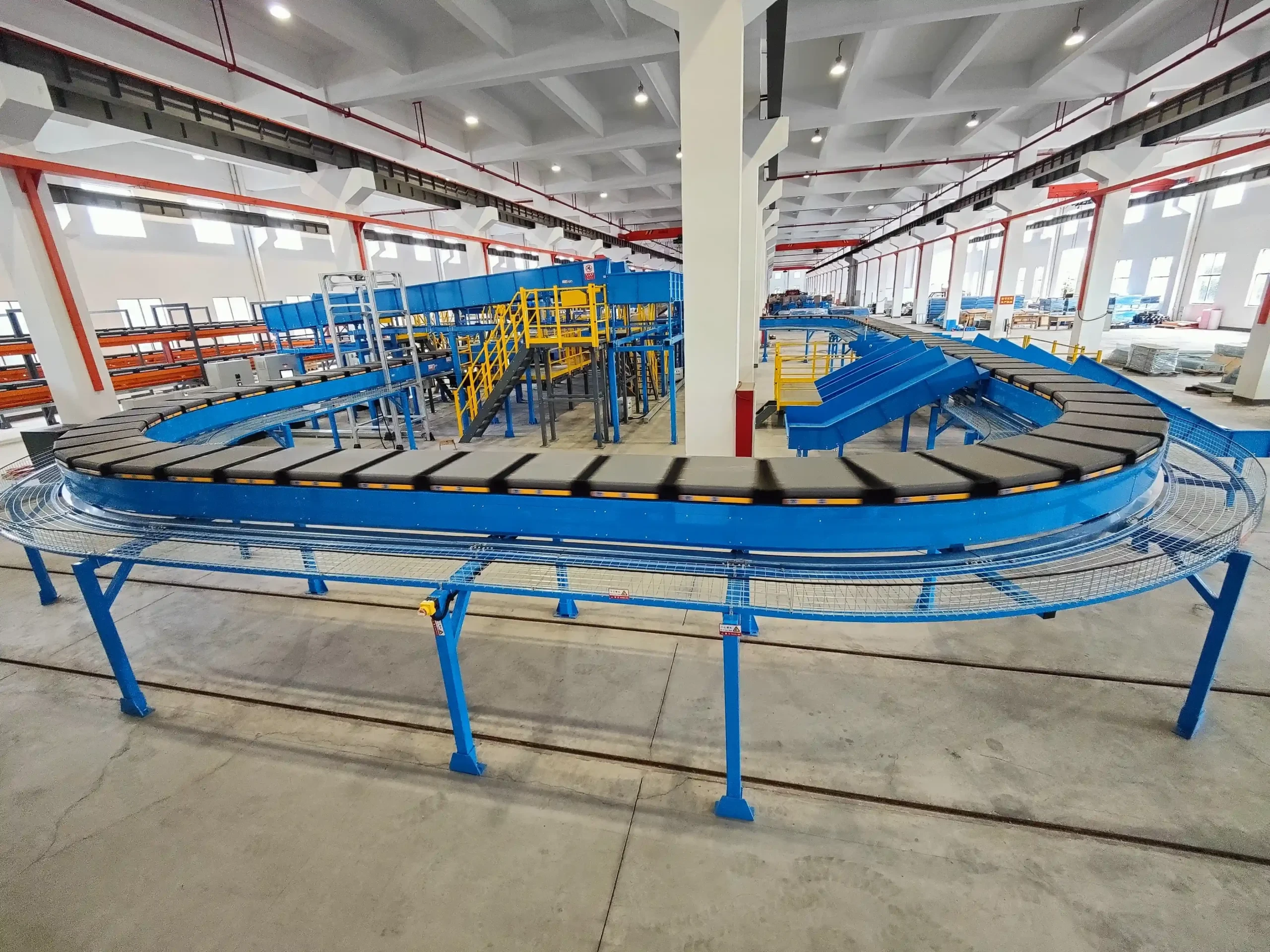
A cross-belt sorter is not just a machine. It is a dynamic ecosystem composed of:
- Conveyor belts
- Small independent cross-belt carriers
- Drive motors
- Sensors and scanners
- Control systems (PLC + WCS software)
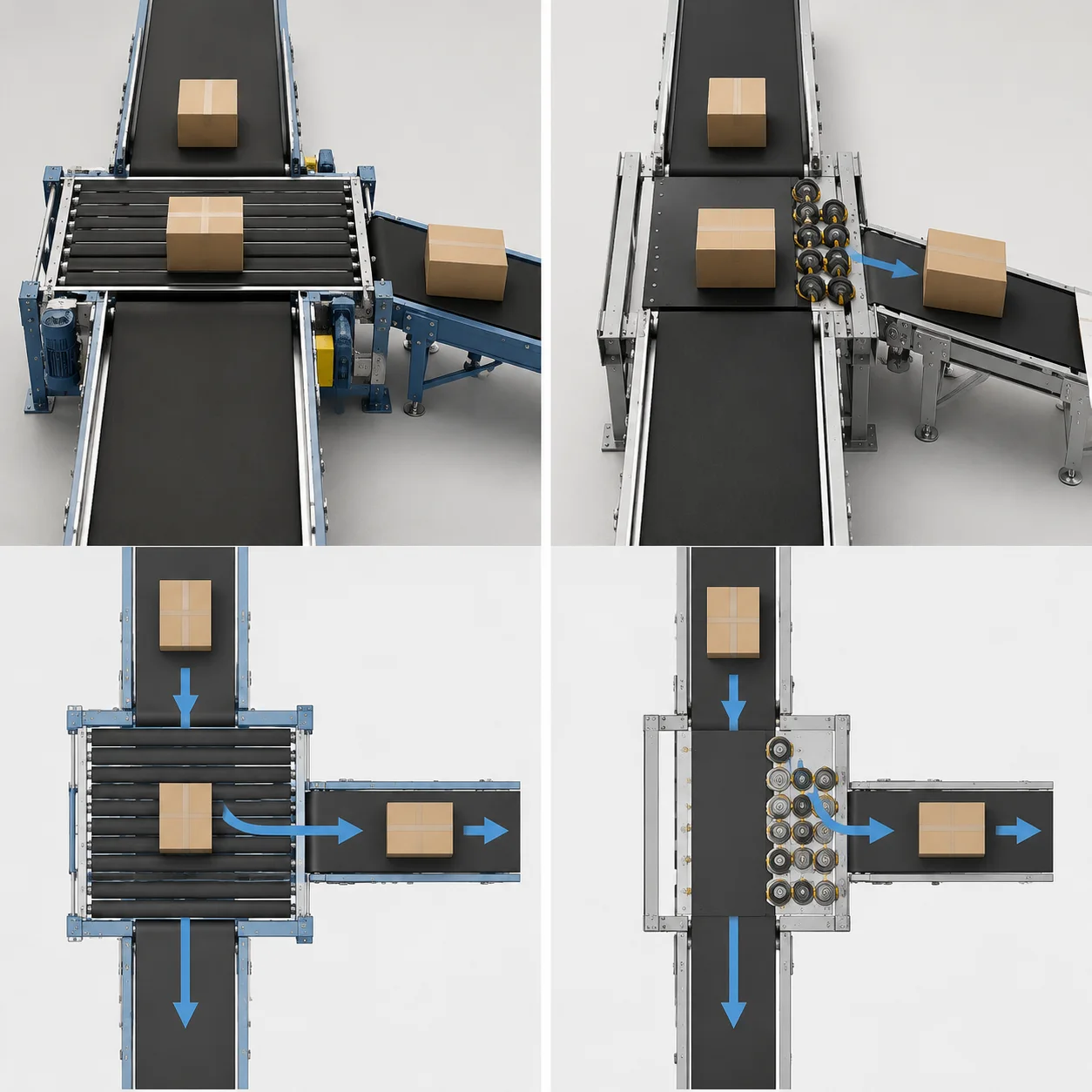
- Diverters and chutes
- Power and communication infrastructure
Each component interacts in real time. A failure in one area can cascade across the entire system.
Key Insight: Interdependence Defines Risk
Unlike standalone machines, cross-belt sorters behave like a network. This means:
- Mechanical issues affect software logic
- Sensor misalignment affects sorting accuracy
- Motor degradation affects throughput
- Software delays amplify physical bottlenecks
Therefore, maintenance must be systemic, not isolated.
2. The Core Philosophy: Maintenance Is Not Repair—It Is Prevention
Traditional maintenance models focus on fixing problems after they occur. In high-speed logistics environments, this approach is unacceptable.
Modern cross-belt sorter maintenance is built on three principles:
2.1 Predictive Over Reactive
Instead of waiting for breakdowns:
- Monitor performance trends
- Detect early warning signals
- Replace components before failure
2.2 System Awareness Over Component Isolation
Technicians must understand:
- How belt tension affects scanning accuracy
- How motor temperature affects sorting timing
- How sensor drift impacts routing logic
2.3 Continuous Optimization Over Static Maintenance
Maintenance is not just about keeping the system running—it is about improving performance over time.
3. The Three Layers of Maintenance in Cross-Belt Sorters
A robust maintenance strategy operates across three layers:
Layer 1: Mechanical Maintenance
This is the physical foundation of the system.
Key Focus Areas:
3.1 Belt Integrity
Cross-belt carriers rely on small belts that rotate items into the correct chute.
Maintenance tasks include:
- Checking belt tension
- Monitoring wear and tear
- Replacing damaged belts
- Cleaning debris buildup
Even minor belt slippage can cause mis-sorts.
3.2 Roller and Bearing Health
Rollers and bearings are subject to:
- Continuous friction
- High-speed rotation
- Load variations
Preventive actions:
- Lubrication schedules
- Vibration analysis
- Early replacement cycles
3.3 Structural Alignment
Misalignment leads to:
- Increased wear
- Sorting inaccuracies
- Energy inefficiency
Technicians must routinely inspect:
- Rail straightness
- Carrier alignment
- Chute positioning
Layer 2: Electrical and Sensor Maintenance
Electrical systems are the nervous system of the sorter.
3.4 Motor Performance Monitoring
Each cross-belt carrier often has individual motor control or zone-based motor systems.
Key indicators:
- Temperature fluctuations
- Current draw anomalies
- Speed inconsistencies
Early detection prevents catastrophic failure.
3.5 Sensor Calibration
Sensors include:
- Barcode scanners
- Photoelectric sensors
- Position encoders
Common issues:
- Dust interference
- Misalignment
- Signal degradation
Regular calibration ensures accurate parcel identification and routing.
3.6 Cable and Connection Integrity
In high-vibration environments:
- Loose connectors
- Frayed cables
- EMI interference
can all disrupt system stability.
Layer 3: Software and Control System Maintenance
Modern cross-belt sorters depend heavily on software intelligence.
3.7 PLC System Health
The Programmable Logic Controller (PLC) ensures real-time decision-making.
Maintenance includes:
- Logic validation
- Firmware updates
- Fault log analysis
3.8 Warehouse Control System (WCS)
The WCS coordinates:
- Sorting logic
- Parcel routing
- Throughput balancing
Key maintenance tasks:
- Performance monitoring
- Load balancing optimization
- Error handling improvements
3.9 Data-Driven Diagnostics
Modern systems generate massive amounts of operational data.
Maintenance teams analyze:
- Throughput rates
- Jam frequency
- Conveyor speed variance
- Sorting accuracy trends
4. Predictive Maintenance: The Heart of 24/7 Operation
Predictive maintenance is the most critical advancement in modern sorter operations.
4.1 What Predictive Maintenance Means
Instead of waiting for failure signals, systems use:
- Sensors
- Machine learning models
- Historical performance data
to predict failures before they occur.
4.2 Key Predictive Indicators
Mechanical Indicators:
- Rising vibration levels
- Increased friction noise
- Temperature spikes
Electrical Indicators:
- Current draw anomalies
- Voltage instability
- Motor lag patterns
System Indicators:
- Increased mis-sorts
- Delayed parcel routing
- Repeated error logs
4.3 Benefits of Predictive Maintenance
- Reduced unplanned downtime
- Lower repair costs
- Extended equipment lifespan
- Improved throughput stability
5. Preventive Maintenance Scheduling Strategy
Even with predictive systems, scheduled maintenance remains essential.
5.1 Daily Maintenance Tasks
- Visual inspection of carriers
- Sensor cleanliness check
- Jam clearance verification
- System health dashboard review
5.2 Weekly Maintenance Tasks
- Belt tension adjustments
- Lubrication of moving parts
- Electrical connection checks
- Error log analysis
5.3 Monthly Maintenance Tasks
- Full sensor recalibration
- Motor performance testing
- Software performance review
- Structural alignment inspection
5.4 Annual Maintenance Tasks
- Deep system overhaul
- Bearing replacements
- Firmware upgrades
- Full system audit
6. The Role of Redundancy in 24/7 Systems
No system can achieve perfect reliability. That is why redundancy is essential.
6.1 Mechanical Redundancy
- Parallel conveyor paths
- Spare cross-belt carriers
- Backup sorting lanes
6.2 Electrical Redundancy
- Dual power supplies
- Backup control circuits
- Redundant communication networks
6.3 Software Redundancy
- Failover servers
- Backup control logic
- Distributed processing systems
Key Insight: Downtime Is Designed Out, Not Fixed Later
7. Environmental Factors That Affect Maintenance
Cross-belt sorters operate in demanding environments.
7.1 Dust and Debris
Dust can:
- Block sensors
- Increase friction
- Interfere with scanning accuracy
7.2 Temperature Fluctuations
High heat:
- Degrades lubrication
- Overheats motors
Low temperature:
- Increases mechanical resistance
- Affects belt flexibility
7.3 Humidity
Moisture causes:
- Electrical corrosion
- Sensor malfunction
- Belt degradation
8. Human Factor: The Role of Skilled Technicians
Even the most advanced systems depend on human expertise.
8.1 Skill Requirements
Technicians must understand:
- Mechanical engineering principles
- Electrical diagnostics
- Software control logic
- System-level behavior
8.2 Decision-Making Under Pressure
In 24/7 environments:
- Downtime decisions must be fast
- Root cause analysis must be accurate
- Repairs must minimize disruption
8.3 Continuous Training
Best practices include:
- Simulation training
- Fault scenario drills
- Cross-disciplinary learning
9. Common Failure Points in Cross-Belt Sorters
Understanding weak points helps prioritize maintenance.
9.1 Belt Wear and Slippage
Most common mechanical failure.
9.2 Sensor Misalignment
Leads to mis-sorts and routing errors.
9.3 Motor Overheating
Caused by excessive load or poor ventilation.
9.4 Software Queue Bottlenecks
Occurs when sorting logic cannot keep up with inbound flow.
9.5 Jam Accumulation
Small jams escalate into system-wide stoppages if not cleared quickly.
10. Key Performance Indicators (KPIs) for Maintenance Success
A well-maintained cross-belt sorter is measured by:
- System uptime percentage (target: 99%+)
- Sorting accuracy rate
- Mean time between failures (MTBF)
- Mean time to repair (MTTR)
- Throughput stability
- Energy efficiency per parcel
11. Building a Culture of Maintenance Excellence
Maintenance is not just a department—it is a culture.
11.1 Shift from Reactive to Proactive Thinking
Everyone in operations should:
- Report anomalies early
- Treat small issues as important
- Understand system-wide impact
11.2 Data Transparency
Operators and engineers should share:
- Real-time dashboards
- Fault logs
- Performance trends
11.3 Continuous Improvement Loop
A strong system evolves through:
- Observation
- Analysis
- Adjustment
- Validation
12. Future Trends in Cross-Belt Sorter Maintenance
The future of maintenance is becoming more intelligent.
12.1 AI-Driven Predictive Maintenance
Machine learning models will:
- Predict failures earlier
- Optimize maintenance schedules
- Reduce human intervention
12.2 Digital Twins
Virtual replicas of systems will:
- Simulate failures
- Test upgrades
- Optimize performance strategies
12.3 Autonomous Maintenance Systems
Future systems may:
- Self-diagnose issues
- Auto-adjust performance
- Trigger maintenance workflows automatically
13. Final Thoughts: Maintenance as a Competitive Advantage
In high-speed logistics environments, uptime is everything. A cross-belt sorter is only as strong as its weakest maintenance strategy.
The organizations that achieve 24/7 efficiency are not the ones with the newest machines—they are the ones with the strongest maintenance philosophy.
True excellence comes from:
- Preventing failures before they happen
- Understanding the system as a whole
- Investing in people, data, and processes equally
- Treating maintenance as a continuous discipline, not a task
When maintenance becomes a philosophy rather than a reaction, cross-belt sorters stop being fragile machines and become reliable engines of modern logistics.