
As global commerce continues to evolve, logistics infrastructure has become one of the most important competitive advantages for growing businesses. Companies expanding into international markets face mounting pressure to process higher order volumes, reduce labor dependence, improve delivery speed, and maintain operational flexibility across multiple regions.
Traditional warehouse systems that once handled moderate order volumes are now struggling to keep up with the realities of modern fulfillment. E-commerce growth, same-day delivery expectations, labor shortages, and increasingly complex SKU management have pushed distribution centers to rethink their automation strategies.
Among the many automation technologies available today, modular cross-belt sorting systems have emerged as one of the most effective and scalable solutions for enterprises pursuing international growth.
From large e-commerce fulfillment centers to postal hubs, third-party logistics providers, apparel warehouses, pharmaceutical distribution facilities, and airport cargo operations, cross-belt sorting technology is rapidly becoming the preferred solution for businesses seeking long-term operational flexibility.
But what exactly makes modular cross-belt sorting systems so attractive?
Why are more companies investing in scalable sorting architecture instead of traditional fixed automation lines?
And how does modular design help businesses reduce risk while supporting rapid global expansion?
This comprehensive guide explores the role of modular cross-belt systems in modern logistics, including their design principles, scalability advantages, operational benefits, maintenance strategies, industry applications, and future impact on smart warehouse automation.
Understanding Cross-Belt Sorting Systems
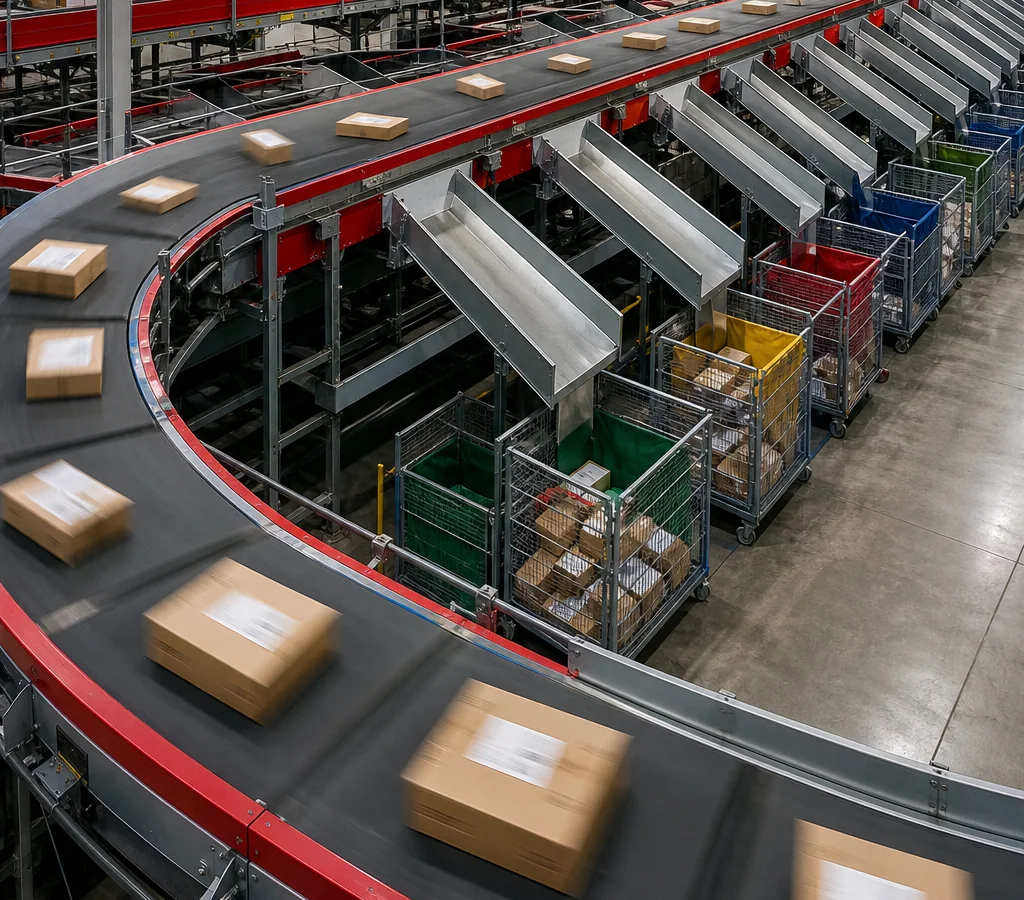
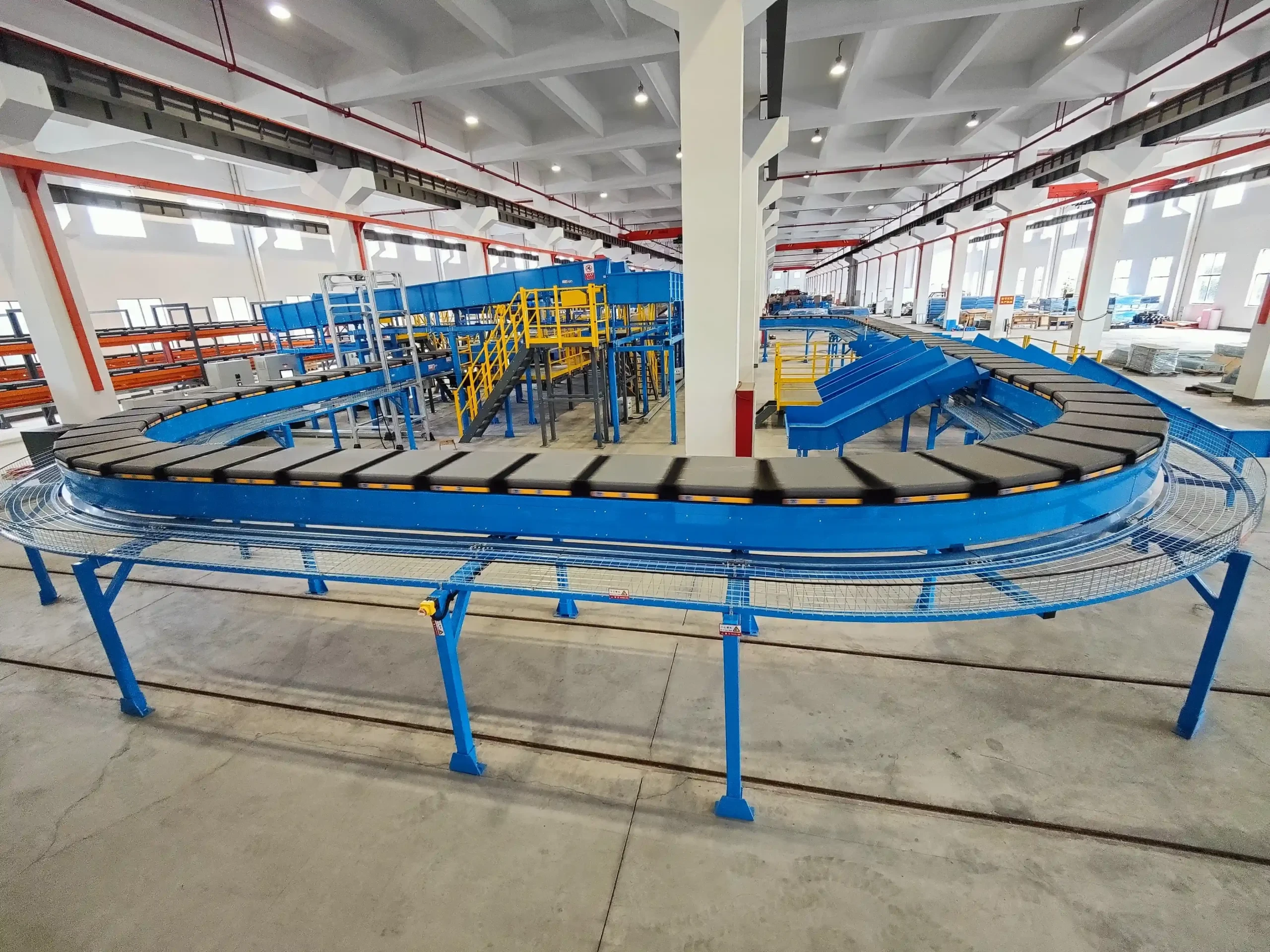
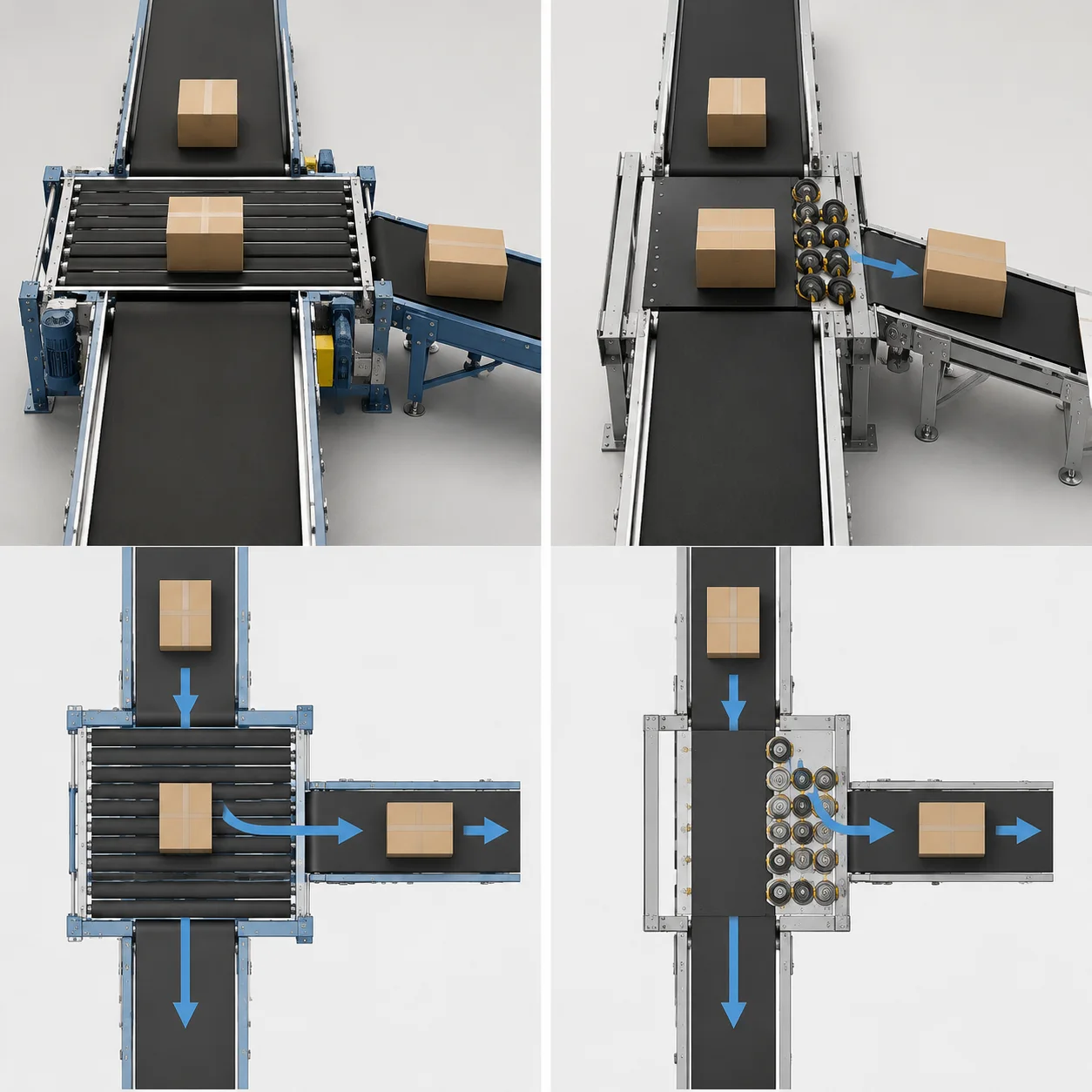
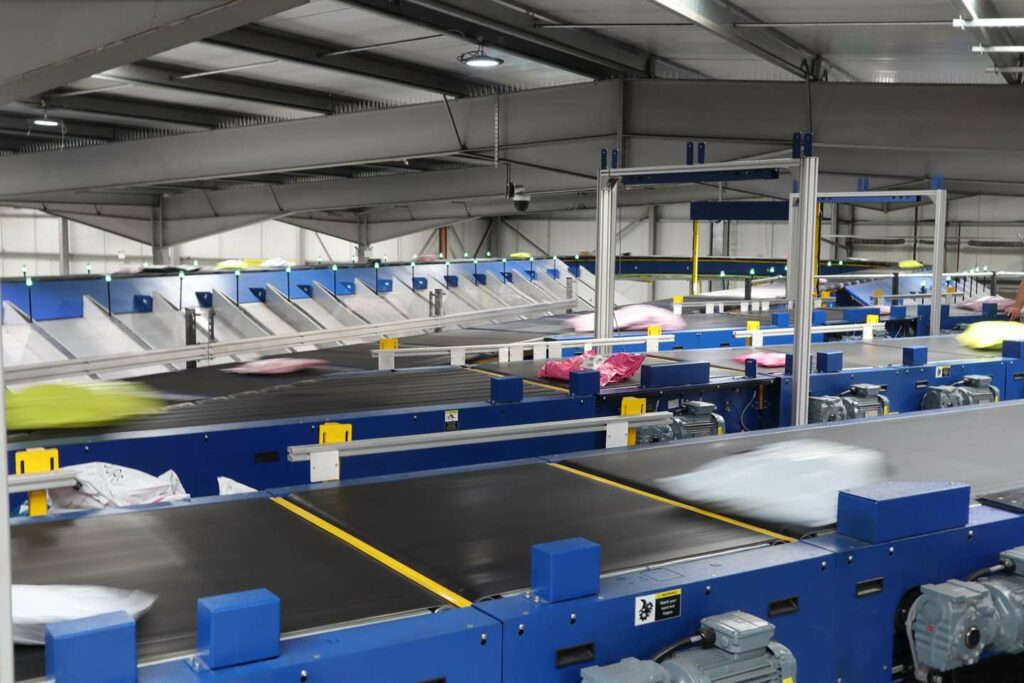
A cross-belt sorting system is a high-speed automated sorting solution designed to transport and divert parcels, cartons, bags, apparel, and other products to designated destinations.
The system typically consists of:
- A continuous loop conveyor
- Carrier carts equipped with small belts
- Automatic induction stations
- Barcode or vision scanning systems
- Intelligent routing software
- Destination chutes or containers
Unlike conventional conveyor sorting systems, each carrier in a cross-belt system contains its own small conveyor belt. This allows products to be discharged smoothly and accurately to either side of the sorter.
Cross-belt sorters are widely recognized for:
- High throughput
- Gentle product handling
- Accurate sorting
- Flexible routing
- Scalability
- Compact layout efficiency
These characteristics make them especially valuable in modern distribution environments.
What Is Modular Design in Logistics Automation?
Modular design refers to building automation systems using standardized components that can be expanded, replaced, upgraded, or reconfigured without redesigning the entire system.
Instead of constructing rigid infrastructure with limited adaptability, modular systems allow businesses to scale operations incrementally.
In cross-belt sorting systems, modular architecture may include:
- Expandable sorter loops
- Additional induction stations
- Modular conveyor sections
- Plug-and-play control cabinets
- Scalable software platforms
- Flexible discharge lanes
- Interchangeable carrier components
This approach provides significantly greater flexibility compared to traditional fixed automation systems.
Why Global Expansion Requires Flexible Logistics Infrastructure
International business expansion introduces operational uncertainty.
Companies entering overseas markets often experience:
- Rapid order growth
- Seasonal volume fluctuations
- Regional demand shifts
- Labor variability
- SKU expansion
- Regulatory differences
- Diverse packaging requirements
- Multi-channel fulfillment complexity
Fixed logistics systems can become major limitations under these conditions.
Businesses that overbuild infrastructure early may waste capital.
Businesses that underbuild risk operational bottlenecks.
Modular cross-belt sorting systems help solve this problem by allowing facilities to scale gradually based on actual demand.
The Scalability Advantage of Modular Cross-Belt Systems
One of the biggest reasons enterprises choose modular cross-belt technology is scalability.
Scalability allows businesses to expand capacity without replacing entire systems.
Incremental Expansion
Traditional sorting systems often require major redesigns when capacity increases.
Modular cross-belt systems can typically be expanded by:
- Adding carriers
- Extending sorter length
- Increasing induction points
- Adding discharge destinations
- Upgrading software modules
This reduces disruption during growth phases.
Reduced Capital Risk
Global expansion involves uncertainty.
A modular approach allows companies to:
- Invest gradually
- Match infrastructure with demand
- Preserve cash flow
- Avoid overinvestment
This is especially valuable for fast-growing e-commerce brands and third-party logistics providers.
Future-Proofing Operations
Consumer behavior changes rapidly.
Scalable systems allow companies to adapt to:
- Omnichannel retail
- Direct-to-consumer shipping
- Marketplace fulfillment
- Reverse logistics growth
- Cross-border shipping expansion
Future flexibility has become a major strategic advantage.
High Throughput for Modern Fulfillment Demands
Global logistics increasingly depends on speed.
Cross-belt sorting systems are designed for high throughput environments.
Many systems can process thousands of items per hour with exceptional accuracy.
This capability is critical for:
- E-commerce warehouses
- Courier hubs
- Parcel distribution centers
- Retail fulfillment operations
- Airport cargo facilities
As businesses scale internationally, order volumes often increase dramatically.
Manual sorting quickly becomes inefficient and labor-intensive.
Automated cross-belt systems help maintain consistent performance during peak periods.
Superior Sorting Accuracy
Sorting errors create serious operational problems.
Incorrect sorting may lead to:
- Delayed shipments
- Customer complaints
- Higher labor costs
- Reverse logistics expenses
- Brand reputation damage
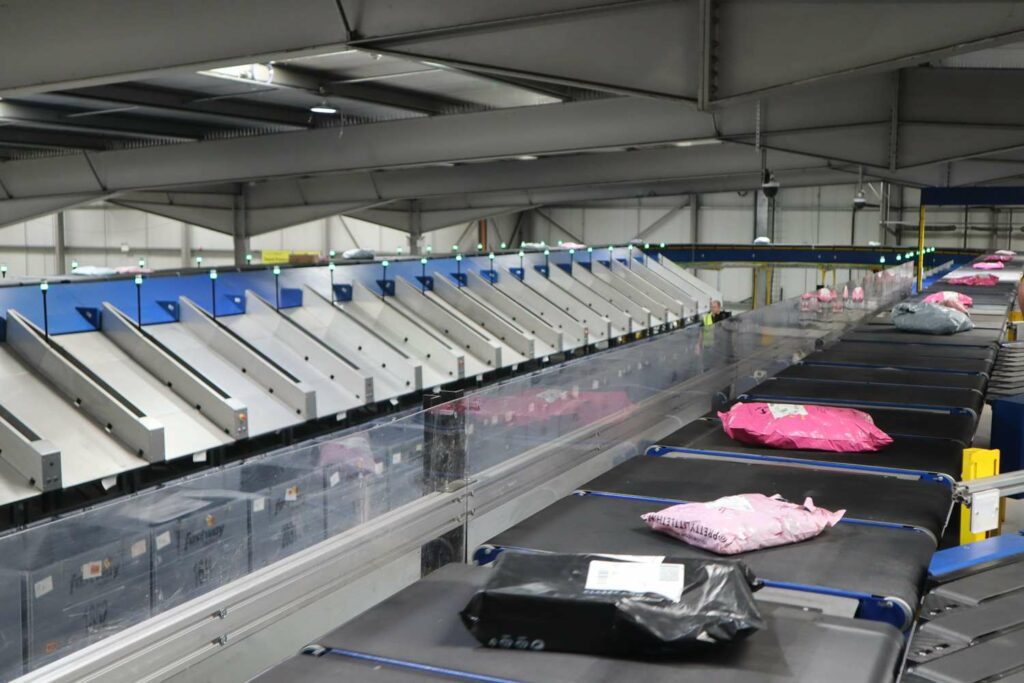
Cross-belt sorters are known for their high accuracy rates.
Advanced systems integrate:
- Barcode scanning
- RFID tracking
- Vision recognition
- AI-assisted routing
- Real-time monitoring
This helps reduce human error while improving shipment reliability.
For enterprises operating across multiple countries, consistency becomes even more important.
Gentle Handling for Diverse Product Categories
Modern fulfillment centers handle a wide variety of products.
These may include:
- Apparel
- Cosmetics
- Electronics
- Pharmaceuticals
- Food products
- Small parcels
- Fragile goods
- Polybags
Traditional tilt-tray or push-sort systems may damage delicate items.
Cross-belt sorting technology provides smoother product discharge.
The small belt carriers transfer products gently and precisely.
This makes modular cross-belt systems highly suitable for industries requiring careful handling.
Labor Optimization and Workforce Challenges
Labor shortages have become a major issue across global logistics markets.
Warehouses in many countries face:
- Rising labor costs
- Difficulty hiring workers
- High turnover rates
- Seasonal staffing instability
Automation helps reduce dependence on manual sorting labor.
Cross-belt systems improve operational efficiency by:
- Reducing repetitive tasks
- Increasing productivity
- Improving workplace safety
- Supporting 24/7 operations
Rather than replacing workers entirely, many facilities redeploy labor toward higher-value tasks such as:
- Quality control
- Exception handling
- Inventory management
- Equipment supervision
Faster International Fulfillment Operations
Global customers increasingly expect rapid shipping.
Cross-border e-commerce has accelerated demand for:
- Faster order processing
- Same-day fulfillment
- Next-day delivery
- Accurate package routing
Slow sorting systems create bottlenecks.
Cross-belt automation improves:
- Order cycle times
- Parcel routing efficiency
- Carrier loading speed
- Dock throughput
This allows companies to maintain service quality even during international expansion.
Modular Systems Support Multi-Site Deployment
Companies expanding internationally often build multiple fulfillment centers.
A modular automation strategy allows standardized deployment across regions.
Benefits include:
- Easier training
- Shared spare parts
- Consistent maintenance procedures
- Faster installation
- Unified software management
Standardization simplifies global operations.
It also helps multinational companies maintain operational consistency across warehouses in different countries.
Easier Maintenance and Lower Downtime
Downtime is one of the biggest risks in automated logistics.
A failed sorting system can disrupt thousands of shipments.
Modular design improves maintenance efficiency.
Replaceable Components
Modular systems often allow:
- Fast carrier replacement
- Independent module servicing
- Simplified diagnostics
- Faster repairs
This minimizes operational interruptions.
Predictive Maintenance Integration
Modern cross-belt systems increasingly use:
- Sensors
- IoT monitoring
- Data analytics
- AI diagnostics
These technologies help identify wear before failures occur.
Predictive maintenance reduces:
- Unexpected breakdowns
- Emergency repairs
- Long-term maintenance costs
Software Flexibility in Modern Sorting Systems
Hardware alone is no longer enough.
Modern sorting efficiency depends heavily on intelligent software.
Modular cross-belt systems often integrate with:
- Warehouse management systems (WMS)
- Warehouse control systems (WCS)
- Enterprise resource planning (ERP)
- Transportation management systems (TMS)
- Robotics platforms
Software flexibility allows businesses to:
- Adjust routing logic
- Manage SKU changes
- Support multiple carriers
- Handle international shipping rules
- Improve data visibility
This adaptability becomes essential during rapid expansion.
Cross-Belt Systems and E-Commerce Growth
E-commerce is one of the biggest drivers behind sorting automation demand.
Online retail creates highly fragmented order profiles.
Unlike pallet-based wholesale logistics, e-commerce fulfillment requires:
- Small parcel handling
- High SKU diversity
- Rapid order processing
- Frequent returns management
Cross-belt sorters are ideal for these conditions.
Their ability to handle diverse package sizes with high accuracy makes them particularly effective for online retail operations.
Reverse Logistics and Returns Processing
Product returns have become a major operational challenge.
Returns management is especially important in:
- Fashion retail
- Consumer electronics
- Cross-border e-commerce
Modular sorting systems help streamline reverse logistics workflows.
They can efficiently route returned items toward:
- Inspection stations
- Refurbishment areas
- Restocking zones
- Disposal channels
As international return volumes increase, automation becomes increasingly valuable.
Space Efficiency in Urban Warehousing
Urban logistics space is expensive.
Many companies expanding internationally must operate within limited warehouse footprints.
Cross-belt systems offer strong space efficiency because they:
- Support compact layouts
- Use vertical integration options
- Optimize sorting density
- Reduce manual staging areas
This makes them attractive for:
- Urban fulfillment centers
- Airport logistics hubs
- High-density distribution facilities
Adaptability for Multiple Industries
One reason modular cross-belt systems are widely adopted is their versatility.
E-Commerce
Supports rapid parcel sorting and omnichannel fulfillment.
Fashion and Apparel
Handles hanging garments, polybags, and boxed items.
Pharmaceuticals
Supports traceability and careful product handling.
Postal Services
Processes massive parcel volumes efficiently.
Electronics
Provides gentle handling for sensitive products.
Airport Cargo
Improves baggage and cargo sorting operations.
Third-Party Logistics Providers
Supports diverse customer requirements within shared facilities.
This industry flexibility increases long-term investment value.
Supporting Omnichannel Retail Strategies
Modern retailers operate across multiple channels.
These include:
- Physical stores
- Online marketplaces
- Direct-to-consumer websites
- Mobile commerce
- Social commerce
Omnichannel fulfillment creates complex sorting demands.
Products may need to be routed toward:
- Store replenishment
- Individual parcel shipping
- Click-and-collect staging
- International export lanes
Modular cross-belt systems support dynamic routing requirements more effectively than rigid legacy systems.
Sustainability and Energy Efficiency
Sustainability has become an important consideration in logistics infrastructure.
Many modern cross-belt systems are designed for:
- Lower energy consumption
- Smarter motor control
- Reduced material waste
- Optimized conveyor operation
Automation can also improve packaging efficiency and reduce transportation errors.
These improvements support environmental goals while lowering operational costs.
Why Traditional Sorting Systems Are Losing Favor
Traditional fixed sorting systems still exist in many facilities.
However, they often struggle with modern operational demands.
Common limitations include:
- Low flexibility
- Difficult expansion
- High retrofit costs
- Larger labor requirements
- Reduced handling versatility
As supply chains become more dynamic, businesses increasingly prioritize adaptability.
Modular cross-belt systems align more effectively with changing logistics environments.
The Role of AI and Smart Automation
Artificial intelligence is becoming increasingly important in warehouse operations.
Modern cross-belt sorting systems may integrate AI for:
- Traffic balancing
- Predictive maintenance
- Routing optimization
- Demand forecasting
- Vision inspection
- Real-time operational analysis
AI-enhanced automation improves both efficiency and decision-making.
As international operations grow more complex, intelligent automation becomes even more valuable.
Scalability for Peak Season Demand
Seasonal demand spikes create enormous pressure on logistics systems.
Peak periods may include:
- Black Friday
- Holiday shopping seasons
- Regional sales events
- Promotional campaigns
Manual systems often struggle during these surges.
Scalable cross-belt systems help businesses:
- Increase throughput rapidly
- Reduce shipment delays
- Maintain order accuracy
- Handle temporary volume increases
This operational resilience is critical for customer satisfaction.
Risk Reduction During International Expansion
Global expansion always carries uncertainty.
Businesses entering new markets may face:
- Demand forecasting challenges
- Infrastructure variability
- Different labor regulations
- Currency fluctuations
- Import/export complexities
Modular automation helps reduce investment risk because companies can expand infrastructure progressively.
Instead of committing to oversized systems immediately, businesses can scale based on verified market growth.
Faster Installation and Deployment
Time-to-market matters in competitive industries.
Modular cross-belt systems often allow faster deployment compared to fully custom-built systems.
Benefits include:
- Standardized components
- Simplified installation
- Reduced engineering time
- Faster commissioning
This allows businesses to launch new fulfillment operations more quickly.
Integration With Robotics and Autonomous Systems
Modern warehouses increasingly combine multiple automation technologies.
Cross-belt systems can integrate with:
- Autonomous mobile robots (AMRs)
- Automated guided vehicles (AGVs)
- Robotic picking systems
- Automated storage systems
- Vision-guided robotics
This creates highly connected smart logistics ecosystems.
The modular nature of cross-belt systems makes future integration easier.
Data Visibility and Operational Intelligence
Modern logistics depends heavily on real-time data.
Advanced sorting systems provide valuable insights into:
- Throughput performance
- Error rates
- Carrier utilization
- Maintenance status
- Parcel tracking
- Workflow bottlenecks
This data supports better decision-making and continuous optimization.
Global enterprises especially benefit from centralized operational visibility.
Common Concerns About Cross-Belt Systems
Despite their advantages, businesses often evaluate several concerns before investing.
Initial Investment Costs
Cross-belt systems require significant upfront capital.
However, many companies view the long-term operational benefits as outweighing initial costs.
Technical Complexity
Automation systems require skilled maintenance and software support.
Training and vendor partnerships are important.
Facility Planning Requirements
Successful implementation depends on careful layout design and workflow analysis.
Poor planning can reduce efficiency gains.
Choosing the Right Cross-Belt System Supplier
Selecting the right automation partner is critical.
Important evaluation factors include:
Industry Experience
Suppliers with strong logistics automation experience often provide better long-term support.
Scalability Options
The system should support future expansion.
Software Capabilities
Flexible control systems improve adaptability.
Maintenance Support
Reliable technical support minimizes downtime risk.
Spare Parts Availability
Global operations require dependable parts supply.
Integration Expertise
Modern facilities depend on interconnected technologies.
The Future of Modular Sorting Automation
The future of warehouse automation is increasingly centered around flexibility.
Businesses no longer want rigid infrastructure that becomes obsolete within a few years.
Future trends likely include:
- AI-driven optimization
- Fully connected smart warehouses
- Greater robotics integration
- Autonomous logistics ecosystems
- Cloud-based operational control
- Enhanced sustainability initiatives
- More adaptive fulfillment networks
Modular cross-belt systems are well-positioned to support these developments.
Their scalability and adaptability make them ideal for evolving supply chain environments.
Why Enterprises Expanding Globally Prefer Modular Cross-Belt Systems
When businesses expand internationally, they need logistics infrastructure that can grow with them.
Modular cross-belt sorting systems provide a powerful combination of:
- Scalability
- Accuracy
- Speed
- Flexibility
- Gentle handling
- Software integration
- Operational resilience
Unlike rigid legacy systems, modular architectures allow companies to respond dynamically to changing market conditions.
This flexibility reduces long-term risk while supporting sustainable growth.
Whether serving e-commerce consumers, retail networks, pharmaceutical supply chains, or international parcel operations, scalable sorting technology has become a cornerstone of modern fulfillment strategy.
Final Thoughts
Global logistics is becoming faster, more complex, and increasingly data-driven.
Businesses that rely on outdated infrastructure may struggle to meet rising customer expectations and operational demands.
Modular cross-belt sorting systems offer a future-ready solution for companies seeking scalable automation.
Their ability to combine high throughput, flexible expansion, intelligent routing, and efficient maintenance makes them especially valuable for enterprises entering international markets.
As supply chains continue evolving, adaptability is no longer optional.
It has become one of the most important competitive advantages in modern logistics.
For companies planning long-term growth, investing in scalable and modular sorting infrastructure is not simply an operational upgrade.
It is a strategic decision that shapes how effectively the business can compete in the global marketplace for years to come.