
In modern logistics and warehouse automation, speed is everything.
As e-commerce, retail distribution, parcel delivery, and manufacturing supply chains continue accelerating, sorting systems have become the beating heart of high-throughput operations. Among all automated sorting technologies, the cross-belt sorter stands out as one of the most efficient and versatile solutions for handling large volumes of parcels, cartons, polybags, and products with exceptional accuracy.
But even the most advanced cross-belt sorting system can quickly become a costly bottleneck without proper maintenance.
A single belt jam, tracking issue, sensor failure, or motor malfunction can trigger:
- Conveyor downtime
- Sorting errors
- Throughput loss
- Labor inefficiencies
- Emergency repairs
- Delayed shipments
- Customer complaints
That is why experienced logistics operators understand a critical truth:
Cross-belt sorter performance depends just as much on maintenance strategy as it does on machine quality.
This comprehensive guide explores how to maintain cross-belt sorters effectively, prevent belt jams, reduce downtime, extend equipment lifespan, and keep automated sorting systems operating at peak efficiency.
Whether you manage a distribution center, e-commerce warehouse, parcel hub, airport logistics operation, or industrial automation facility, this guide will help you build a smarter and more reliable sorter maintenance program.
What Is a Cross-Belt Sorter?
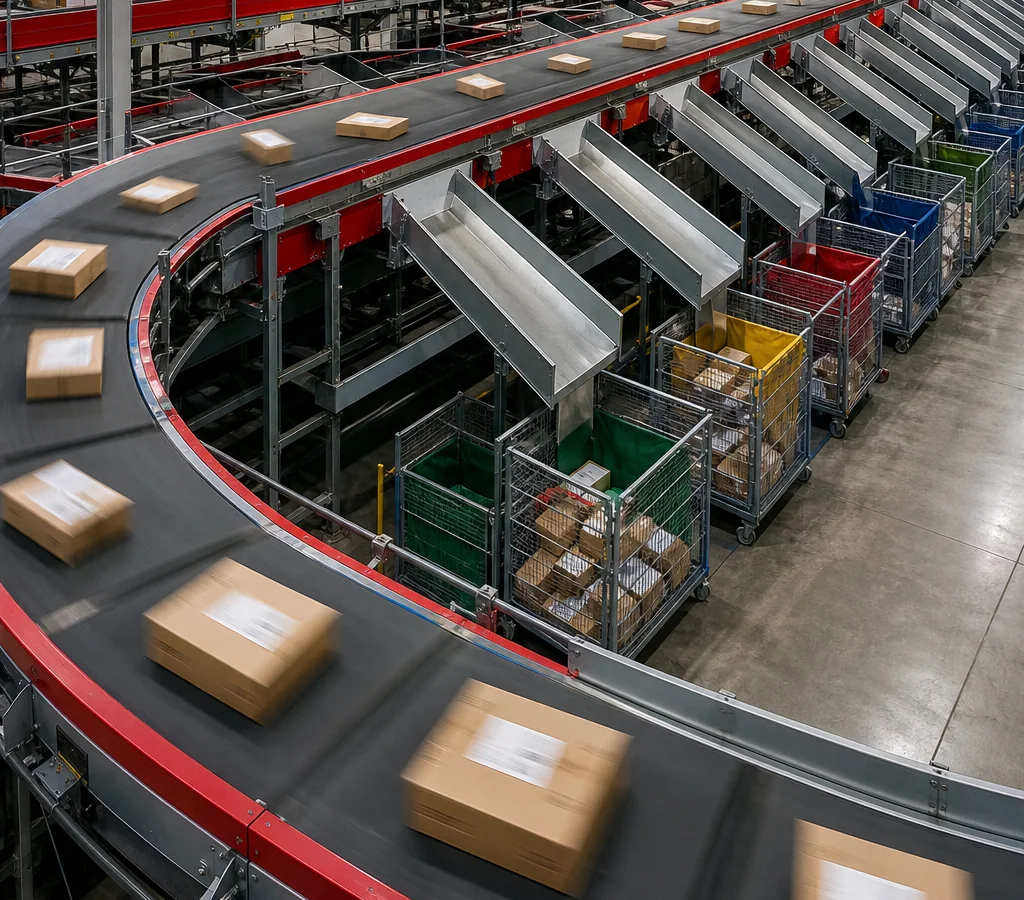
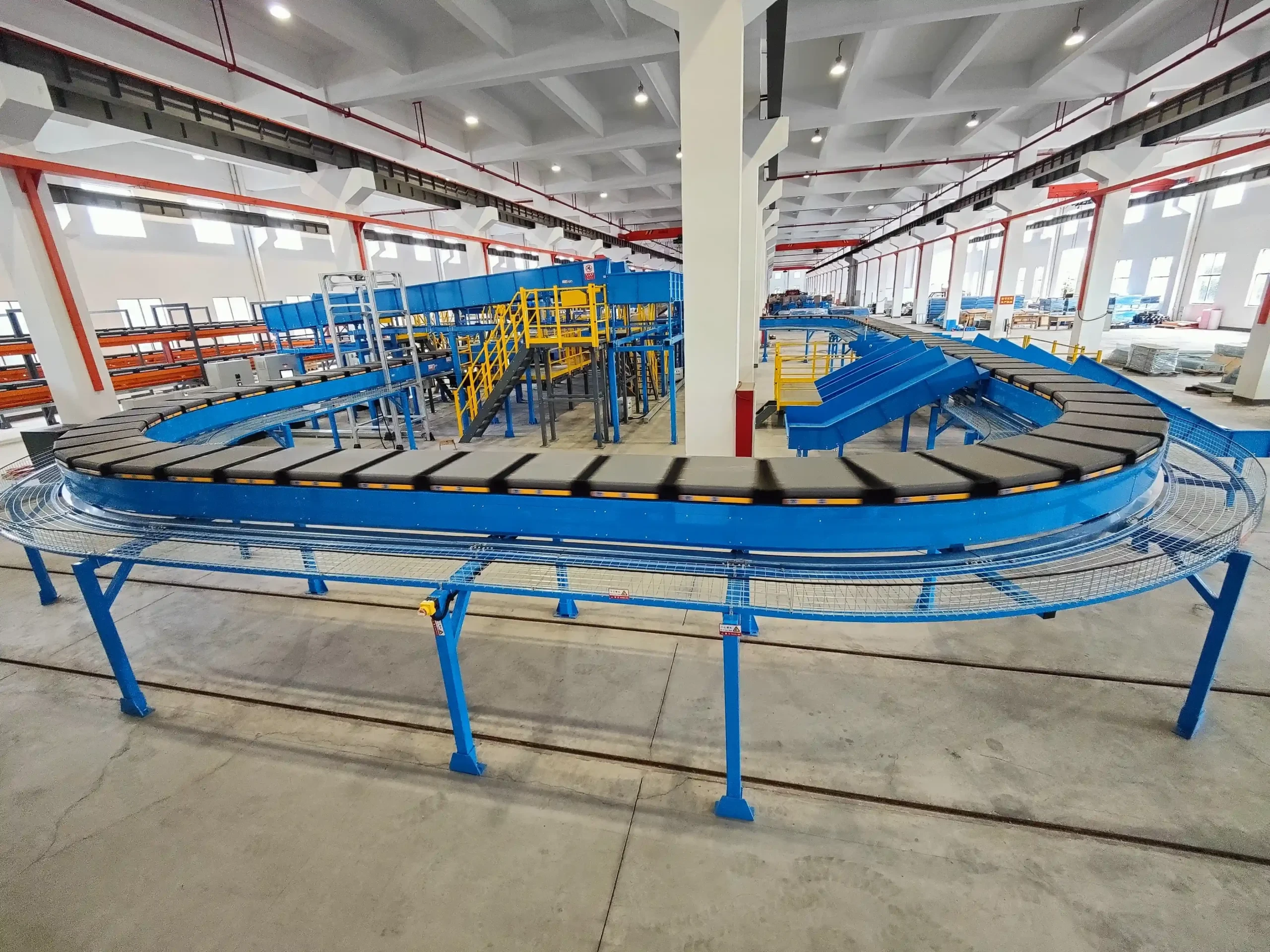
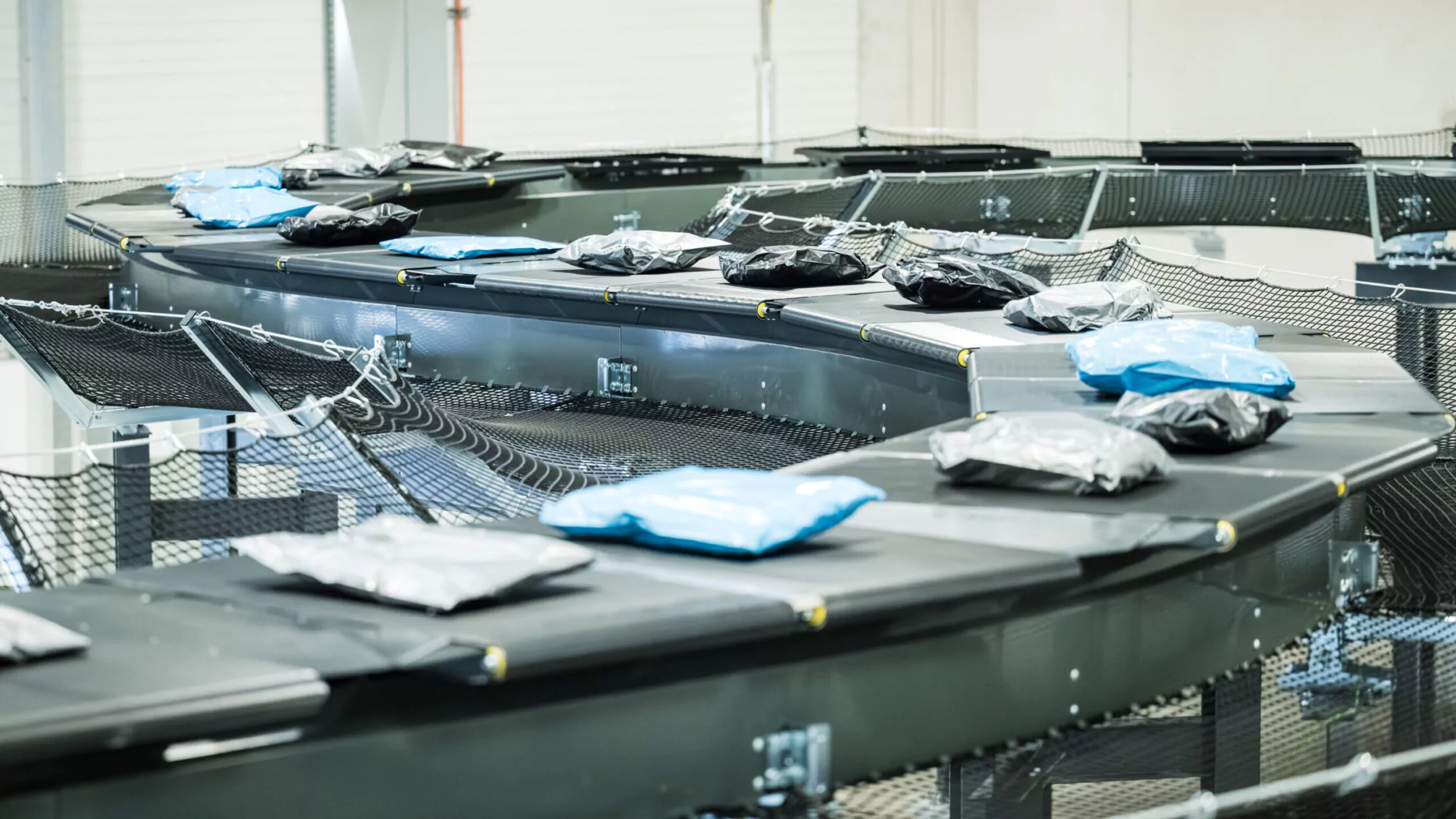
A cross-belt sorter is an automated material handling system designed to sort products rapidly and accurately.
The system typically consists of:
- Carrier carts
- Small conveyor belts mounted on each carrier
- Main loop conveyor
- Sensors
- Motors
- Control systems
- Discharge chutes
As items travel through the system, the cross-belts move laterally to discharge products into designated destinations.
Cross-belt sorters are widely used because they offer:
- High sorting accuracy
- Gentle product handling
- High throughput capacity
- Flexible item compatibility
- Reduced labor dependency
They are especially common in:
- E-commerce fulfillment centers
- Courier and parcel hubs
- Retail distribution centers
- Pharmaceutical logistics
- Airport baggage handling
- Manufacturing warehouses
Why Preventive Maintenance Matters
Many facilities still rely too heavily on reactive maintenance.
In reactive maintenance models, teams only repair equipment after problems occur.
This creates major risks:
- Unexpected downtime
- Emergency repair costs
- Production interruptions
- Missed delivery windows
- Accelerated wear
- Reduced equipment lifespan
Preventive maintenance shifts the strategy from reacting to failures toward preventing failures before they happen.
For cross-belt sorters, preventive maintenance helps:
- Reduce unplanned downtime
- Improve sorting accuracy
- Extend component lifespan
- Lower repair costs
- Improve worker safety
- Stabilize operational throughput
In high-volume logistics operations, even small reductions in downtime can produce massive operational savings.
The Most Common Cross-Belt Sorter Problems
Understanding failure points is essential for effective maintenance planning.
Belt Jams
Belt jams are among the most common sorter problems.
Typical causes include:
- Debris accumulation
- Misaligned products
- Damaged belts
- Foreign objects
- Overloaded carriers
- Worn rollers
Even minor jams can halt entire sorting loops.
Belt Tracking Issues
Improper belt tracking causes:
- Uneven wear
- Reduced sorting precision
- Increased friction
- Premature component failure
Tracking problems often develop gradually and worsen over time.
Motor Failures
Cross-belt systems rely heavily on motors for both main conveyor movement and individual carrier belt operation.
Motor issues may result from:
- Overheating
- Dust contamination
- Electrical instability
- Excessive load stress
- Poor lubrication
Sensor Malfunctions
Sensors are critical for:
- Item detection
- Position tracking
- Sorting accuracy
- System synchronization
Dirty or damaged sensors often cause:
- Missorts
- Product collisions
- Operational slowdowns
Bearing Wear
Bearings operate continuously under high-speed conditions.
Without proper lubrication and inspection, bearing failures can trigger:
- Noise
- Friction
- Vibration
- Heat buildup
- Mechanical instability
Control System Errors
Modern sorters depend heavily on software and automation controls.
Potential issues include:
- Communication failures
- PLC errors
- Software synchronization problems
- Network interruptions
Maintenance teams increasingly require both mechanical and technical troubleshooting skills.
Why Belt Jams Happen So Frequently
Belt jams rarely occur randomly.
Most jams develop from preventable operational issues.
Poor Housekeeping
Dust, packaging debris, labels, plastic wrap, and loose materials accumulate over time.
This buildup interferes with:
- Belt movement
- Sensors
- Rollers
- Tracking systems
Cleanliness directly affects reliability.
Inconsistent Product Flow
Irregular item spacing increases jam risks.
Overlapping products or unstable loading patterns stress the sorting system.
Worn Components
Aging belts, rollers, bearings, and guides increase the likelihood of product misalignment and mechanical failure.
Improper Operator Practices
Human error remains a major factor.
Common issues include:
- Overloading belts
- Ignoring warning signs
- Delayed inspections
- Poor startup procedures
Training matters significantly.
Building an Effective Preventive Maintenance Program
Strong maintenance systems follow structured schedules rather than random inspections.
Daily Maintenance Tasks
Daily inspections should include:
- Visual belt inspection
- Debris removal
- Sensor cleaning
- Noise monitoring
- Emergency stop testing
- Basic tracking checks
Daily attention prevents small issues from escalating.
Weekly Maintenance Tasks
Weekly procedures may include:
- Roller inspections
- Lubrication checks
- Fastener tightening
- Motor temperature monitoring
- Belt tension inspection
- Conveyor alignment verification
Monthly Maintenance Tasks
Monthly maintenance often involves:
- Full system cleaning
- Bearing inspection
- Detailed electrical checks
- PLC diagnostics
- Wear pattern analysis
- Calibration testing
Quarterly and Annual Maintenance
Long-term maintenance may require:
- Belt replacement
- Bearing replacement
- Motor servicing
- Software updates
- Structural inspections
- Conveyor re-leveling
Major servicing should occur during planned downtime whenever possible.
Belt Inspection Best Practices
Belts are among the most critical components in cross-belt systems.
Watch for Surface Damage
Inspect for:
- Cracks
- Fraying
- Uneven wear
- Surface glazing
- Material separation
Early detection reduces failure risks.
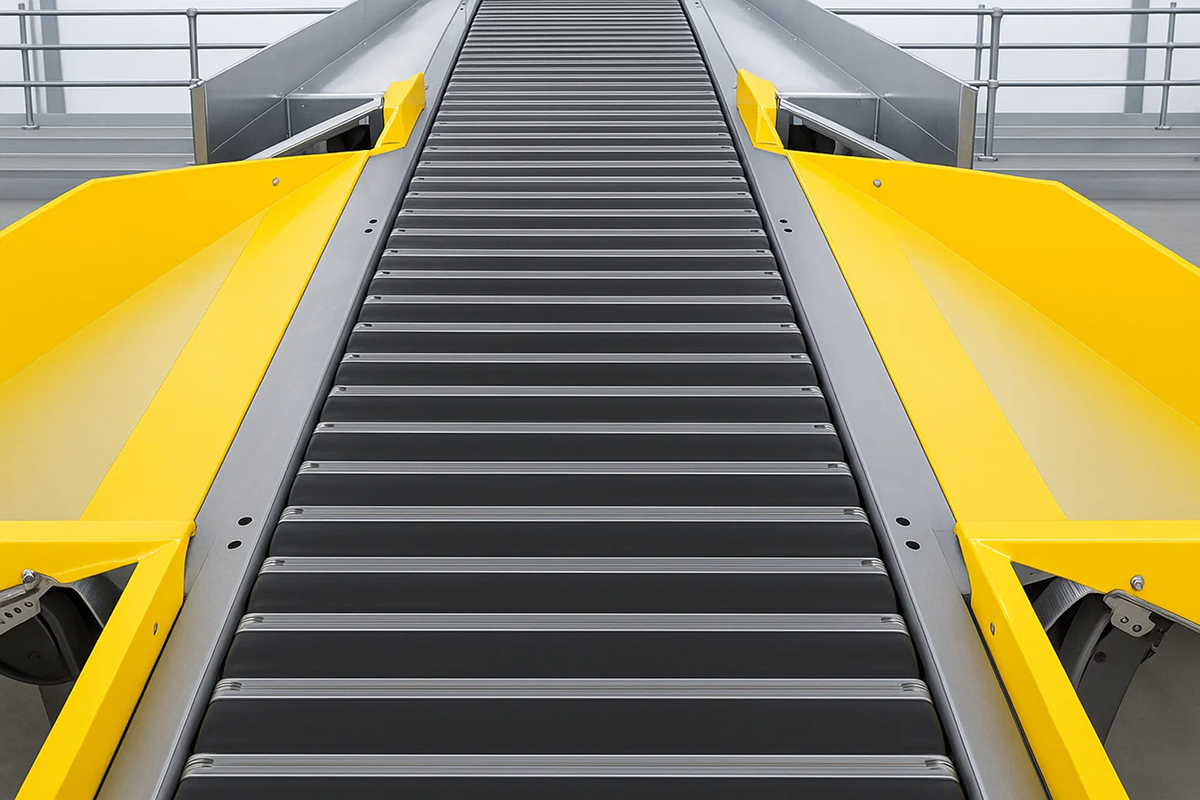
Monitor Belt Tension
Incorrect tension creates problems.
Overtight belts increase strain on motors and bearings.
Loose belts reduce tracking stability.
Check Belt Alignment
Misalignment accelerates wear and increases jam potential.
Small tracking deviations become major problems over time.
Sensor Maintenance: The Overlooked Priority
Many sorter issues originate from dirty or poorly calibrated sensors.
Keep Sensors Clean
Dust and debris reduce detection accuracy.
Cleaning schedules are essential in high-volume environments.
Inspect Sensor Positioning
Even slight movement can affect:
- Product detection
- Timing accuracy
- Discharge precision
Test Sensor Response Times
Delayed sensor response creates synchronization issues throughout the sorting loop.
Lubrication: Preventing Friction and Wear
Proper lubrication is one of the simplest yet most important maintenance practices.
Over-Lubrication Can Be Dangerous
Too much lubricant attracts dust and debris.
This creates contamination risks.
Under-Lubrication Causes Excessive Wear
Insufficient lubrication increases:
- Friction
- Heat
- Noise
- Bearing damage
Follow manufacturer specifications carefully.
Use Proper Lubricants
Different components require different lubricant types.
Using incorrect products can damage equipment.
Cleaning Protocols for Cross-Belt Sorters
Cleanliness directly impacts performance.
Focus on High-Debris Zones
Key accumulation areas include:
- Transfer points
- Under-belt regions
- Sensor areas
- Rollers
- Carrier gaps
Avoid Aggressive Cleaning Methods
Improper cleaning may damage:
- Sensors
- Wiring
- Electronic systems
Use approved cleaning methods only.
Create Standardized Cleaning Schedules
Consistent routines improve reliability dramatically.
Predictive Maintenance: The Future of Sorter Reliability
Modern facilities increasingly use predictive maintenance technologies.
Instead of relying only on schedules, predictive systems monitor equipment condition in real time.
Vibration Monitoring
Abnormal vibration often signals:
- Bearing wear
- Misalignment
- Motor issues
Thermal Imaging
Heat patterns help identify:
- Motor overheating
- Electrical resistance
- Friction hotspots
IoT Sensors and Smart Monitoring
Advanced systems collect operational data continuously.
This enables earlier problem detection and more accurate maintenance planning.
AI-Based Failure Prediction
Some facilities now use AI systems to predict failures before symptoms become obvious.
This reduces emergency downtime significantly.
Training Operators to Prevent Downtime
Maintenance is not only the responsibility of technicians.
Operators play a major role in equipment reliability.
Teach Early Warning Signs
Operators should recognize:
- Unusual noise
- Vibration changes
- Tracking irregularities
- Sorting delays
- Product instability
Encourage Immediate Reporting
Minor problems become expensive failures when ignored.
Standardize Startup and Shutdown Procedures
Improper procedures accelerate wear.
Consistency matters.
Spare Parts Management
Downtime often increases because facilities lack replacement parts.
Critical spare components may include:
- Belts
- Bearings
- Rollers
- Sensors
- Motors
- Drive components
Strategic inventory planning reduces repair delays.
Why Documentation Matters
Strong maintenance programs rely on data.
Maintenance records help teams track:
- Failure trends
- Wear patterns
- Replacement cycles
- Downtime causes
- Component lifespan
Good documentation supports smarter long-term decisions.
Reducing Emergency Repairs
Emergency maintenance is expensive because it often involves:
- Overtime labor
- Production delays
- Rush shipping
- Secondary equipment damage
Preventive strategies reduce emergency situations significantly.
Common Maintenance Mistakes
Many facilities unintentionally shorten equipment lifespan.
Ignoring Minor Noise Changes
Small noises often indicate early mechanical issues.
Delaying Belt Replacement
Waiting too long increases catastrophic failure risks.
Inconsistent Cleaning
Irregular cleaning allows debris accumulation.
Overlooking Software Diagnostics
Modern sorters require digital maintenance alongside mechanical inspections.
Poor Communication Between Teams
Maintenance, operations, and management must coordinate effectively.
Energy Efficiency and Maintenance
Well-maintained sorters also consume less energy.
Problems like:
- Misalignment
- Excess friction
- Overloaded motors
increase power consumption.
Maintenance improves both reliability and operational efficiency.
Safety Considerations During Maintenance
Cross-belt sorters involve moving mechanical systems and electrical components.
Safety protocols are critical.
Lockout/Tagout Procedures
Always isolate power before servicing equipment.
Use Proper PPE
Technicians should wear:
- Gloves
- Safety glasses
- Hearing protection
- Appropriate footwear
Prevent Accidental Restart
Unexpected startup incidents are extremely dangerous.
The Cost of Downtime in Modern Logistics
Downtime impacts far more than repair expenses.
Operational consequences include:
- Delayed deliveries
- Customer dissatisfaction
- Labor inefficiency
- Throughput reduction
- Contract penalties
- Inventory disruption
In high-volume fulfillment centers, even short interruptions can create major financial losses.
The Future of Cross-Belt Sorter Maintenance
Maintenance strategies continue evolving rapidly.
Emerging trends include:
- AI-assisted diagnostics
- Remote monitoring
- Automated inspections
- Smart lubrication systems
- Predictive analytics
- Digital twin simulations
The future of sorter maintenance is becoming increasingly data-driven and proactive.
Final Thoughts
Cross-belt sorters are among the most valuable assets in modern logistics and automated warehousing operations.
But high-speed sorting performance depends heavily on one critical factor:
Consistent, intelligent maintenance.
Facilities that prioritize preventive maintenance gain major advantages:
- Lower downtime
- Higher throughput
- Better sorting accuracy
- Longer equipment lifespan
- Reduced repair costs
- Improved operational stability
The goal is not simply fixing problems after they appear.
The goal is building a maintenance culture that prevents failures before they disrupt operations.
When belts stay aligned, sensors remain clean, motors operate smoothly, and inspections happen consistently, cross-belt sorting systems can deliver exceptional reliability even under demanding workloads.
In today’s fast-moving logistics industry, smooth belt performance is not just a maintenance objective.
It is a competitive advantage.