
Every sorting operation eventually faces the same decision point: keep feeding parcels by hand, or install a singulator to do it automatically. The right answer is a volume question, and it has a real number attached. This guide runs the throughput math for manual infeed versus a parcel singulator, adds the labor cost layer, and identifies the crossover point where automation stops being a luxury.
What a Singulator Actually Does
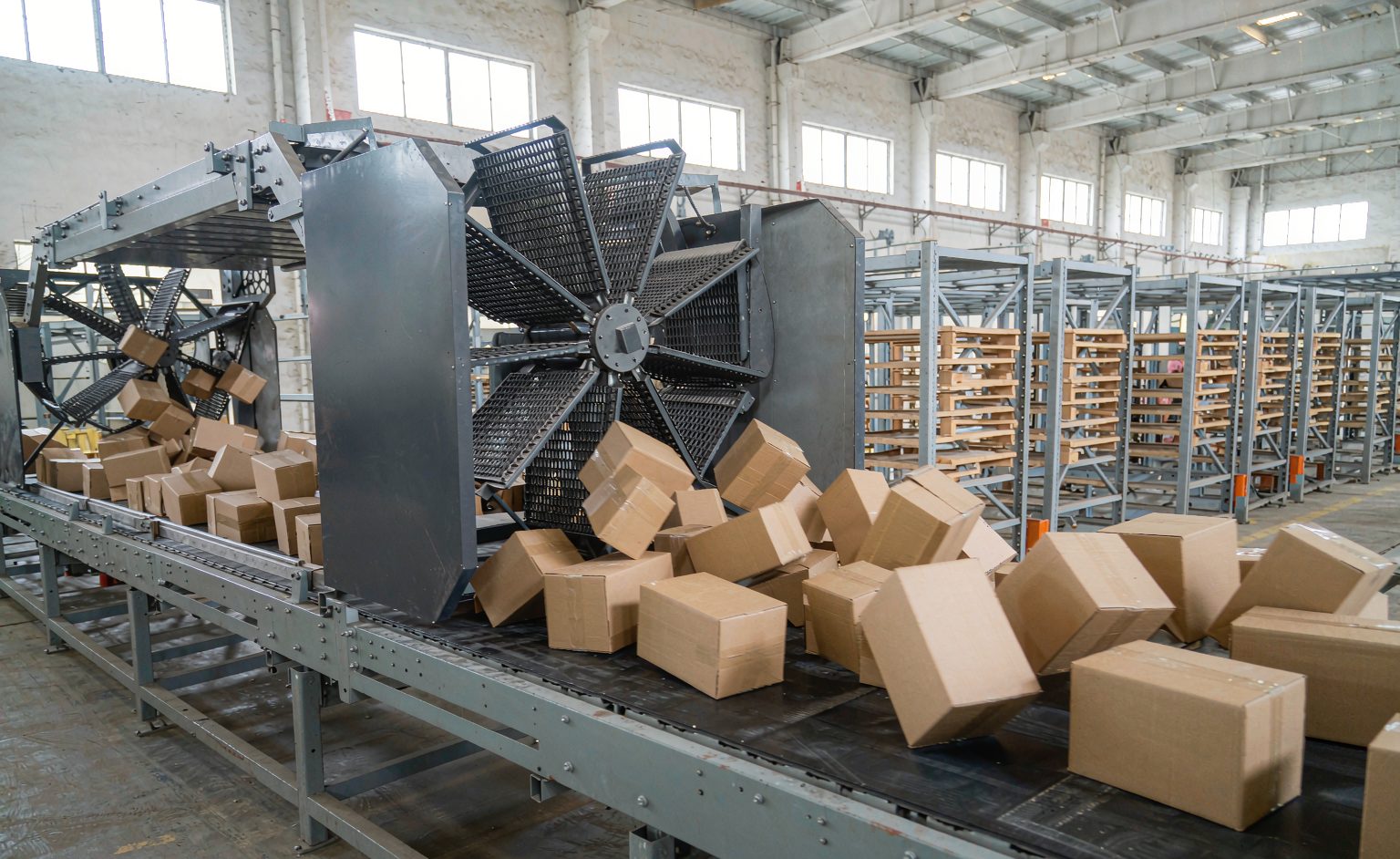
A singulator takes a jumbled induct of parcels and releases them onto a sorter gapped and spaced — one at a time, at a controlled rate. It replaces the human judgment that manual infeed operators apply when they pull boxes off a pallet and place them label-up on a belt. Machine singulation methods include timed belt releases, cleated conveyors, and tilt-tray style separation, each tuned to a parcel size range.
Manual Infeed: The Real Packages Per Hour
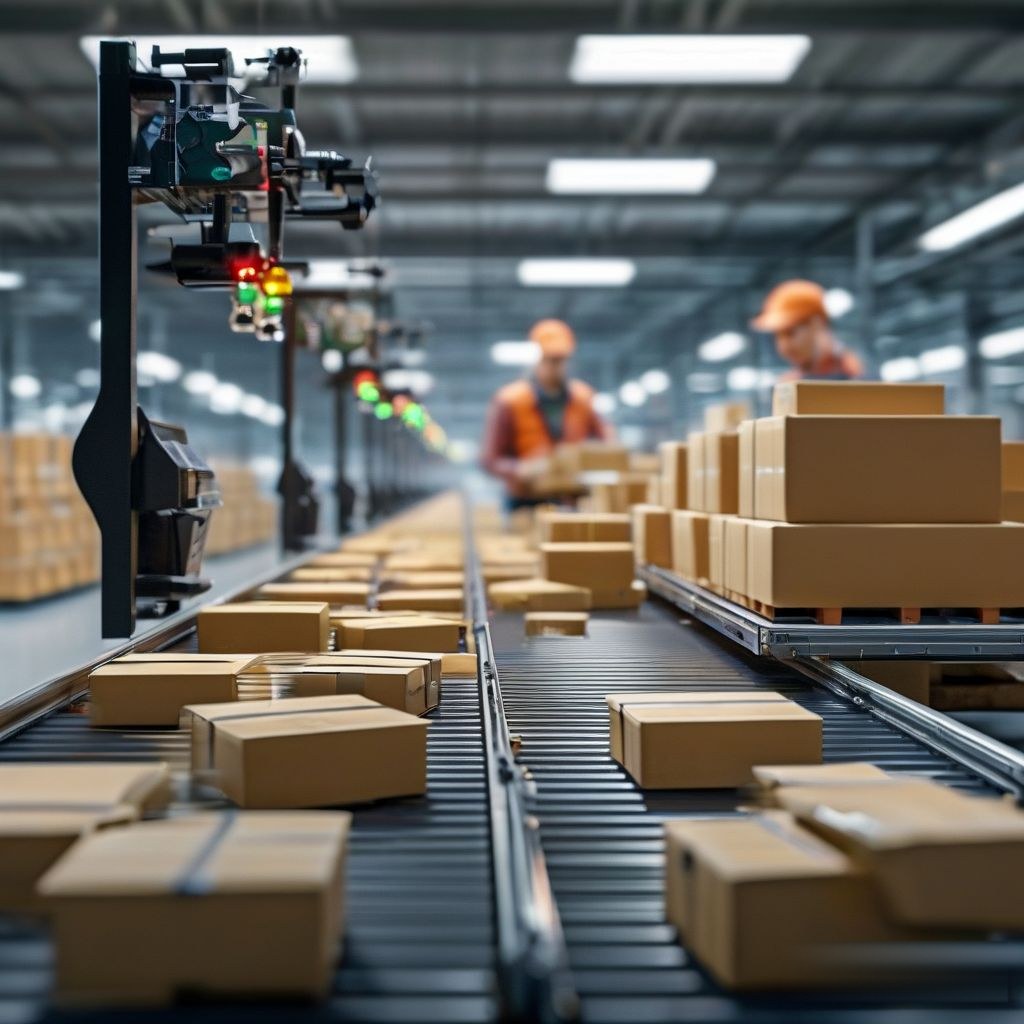
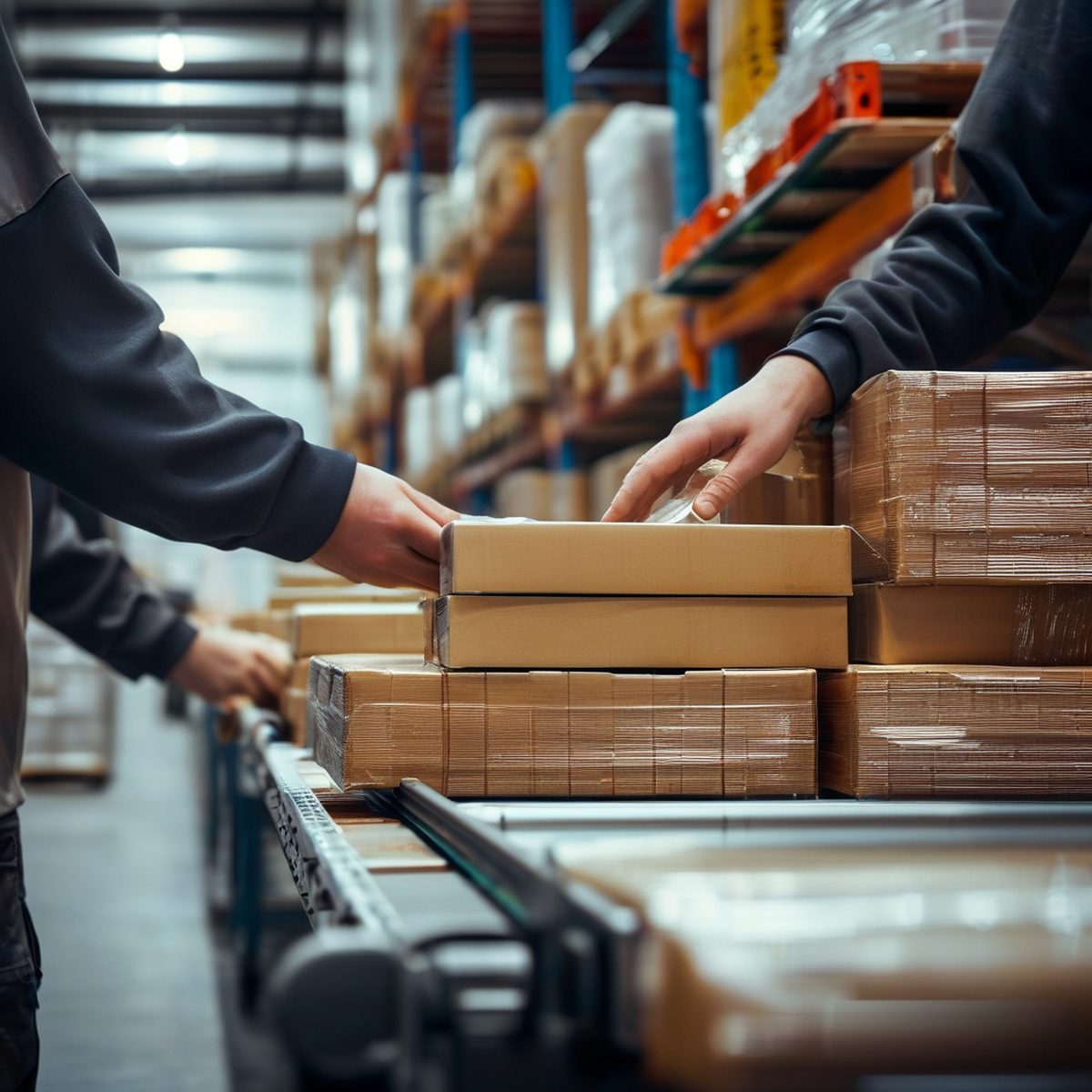
Manual infeed throughput is limited by reach, place, and label orientation. A trained operator on a comfortable induct station sustains roughly 600–900 packages per hour for mixed e-commerce parcels; exceptional setups with pre-staged, uniformly oriented cartons touch 1,200. Throughput scales linearly with stations: three operators means roughly 2,400 PPH at best, plus the floor space, supervisory overhead, and schedule fragility of three humans.
| Infeed method | Typical PPH | Staff | Floor space |
|---|---|---|---|
| Manual, 1 station | 600–900 | 1 | ~12 m² |
| Manual, 3 stations | 1,800–2,700 | 3 | ~36 m² |
| Semi-automatic singulation | 2,500–4,000 | 1–2 | ~25 m² |
| Full singulator line | 6,000–12,000+ | 1–2 (feed + monitor) | 40–80 m² |
Automated Infeed: Throughput and Floor Space
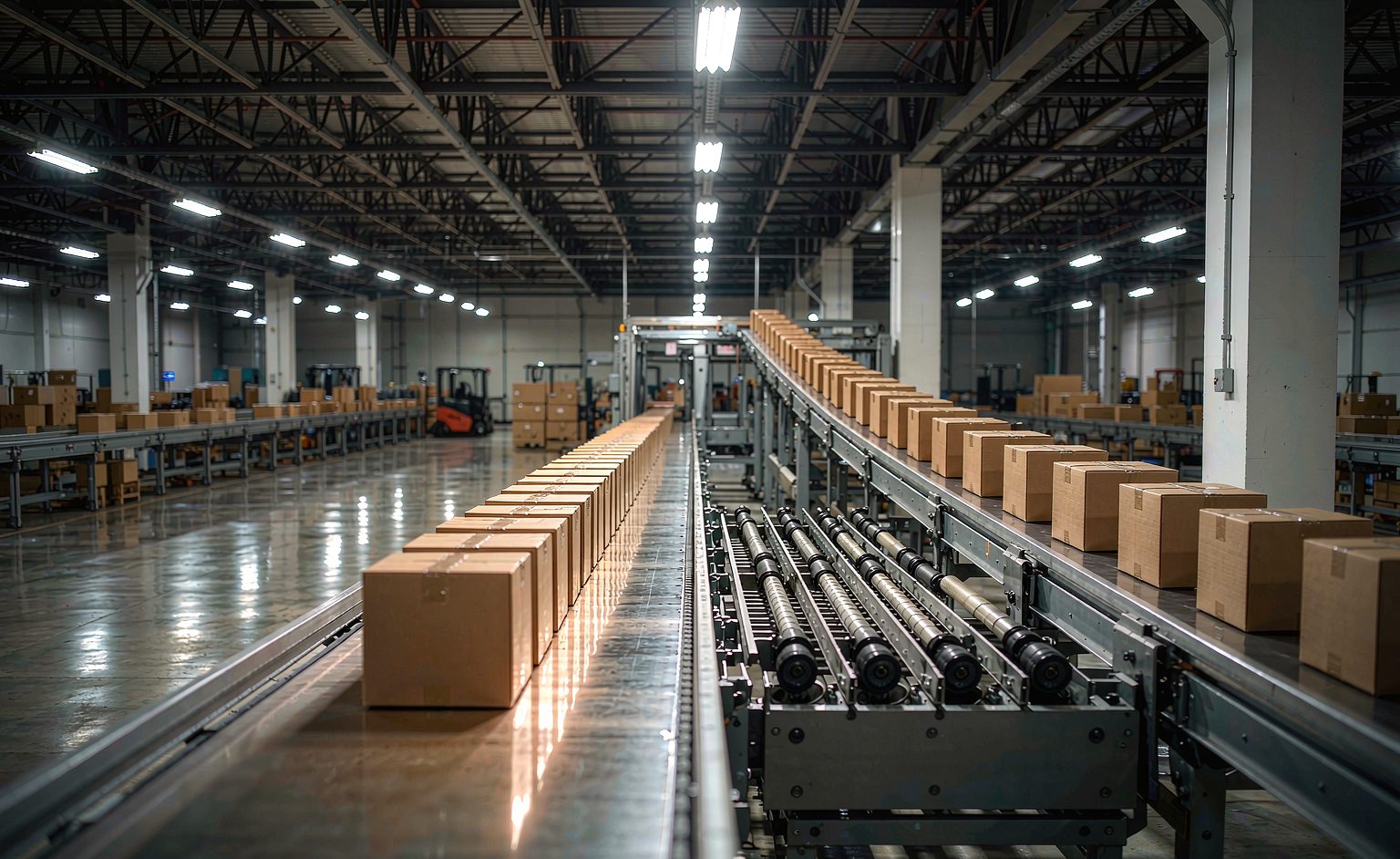
A singulator converts labor hours into capital and square metres. It buys throughput that does not scale with headcount, does not fatigue at hour six, and holds a gap profile the downstream sorter can actually process. The trade-offs are the capital cost, a maintenance schedule, and a genuine floor-space requirement that grows with the gap logic — our comparison of semi-automatic singulation versus full singulator lines covers the middle ground in detail.
The Labor Cost Math
Run the comparison in cost per thousand parcels. If a fully loaded operator costs $22/hour and processes 750 PPH, manual infeed costs about $29.30 per thousand parcels. A singulator line at 8,000 PPH with one $26/hour attendant costs about $3.25 per thousand in direct labor — before depreciation and maintenance. Amortising the machine over five years and a realistic parcel volume is what turns that gap into a decision.
| Cost component | Manual (3 stations, 2,400 PPH) | Singulator (8,000 PPH) |
|---|---|---|
| Direct labor per 1,000 parcels | ~$29.30 | ~$3.25 |
| Shift pattern flexibility | Limited by roster | Volume-bound, not roster-bound |
| Error profile | Placement fatigue, missed labels | Mechanical jams, sensor faults |
| Scaling a peak | Hire and train | Run longer, same crew |
Crossover Volume and Layout Constraints
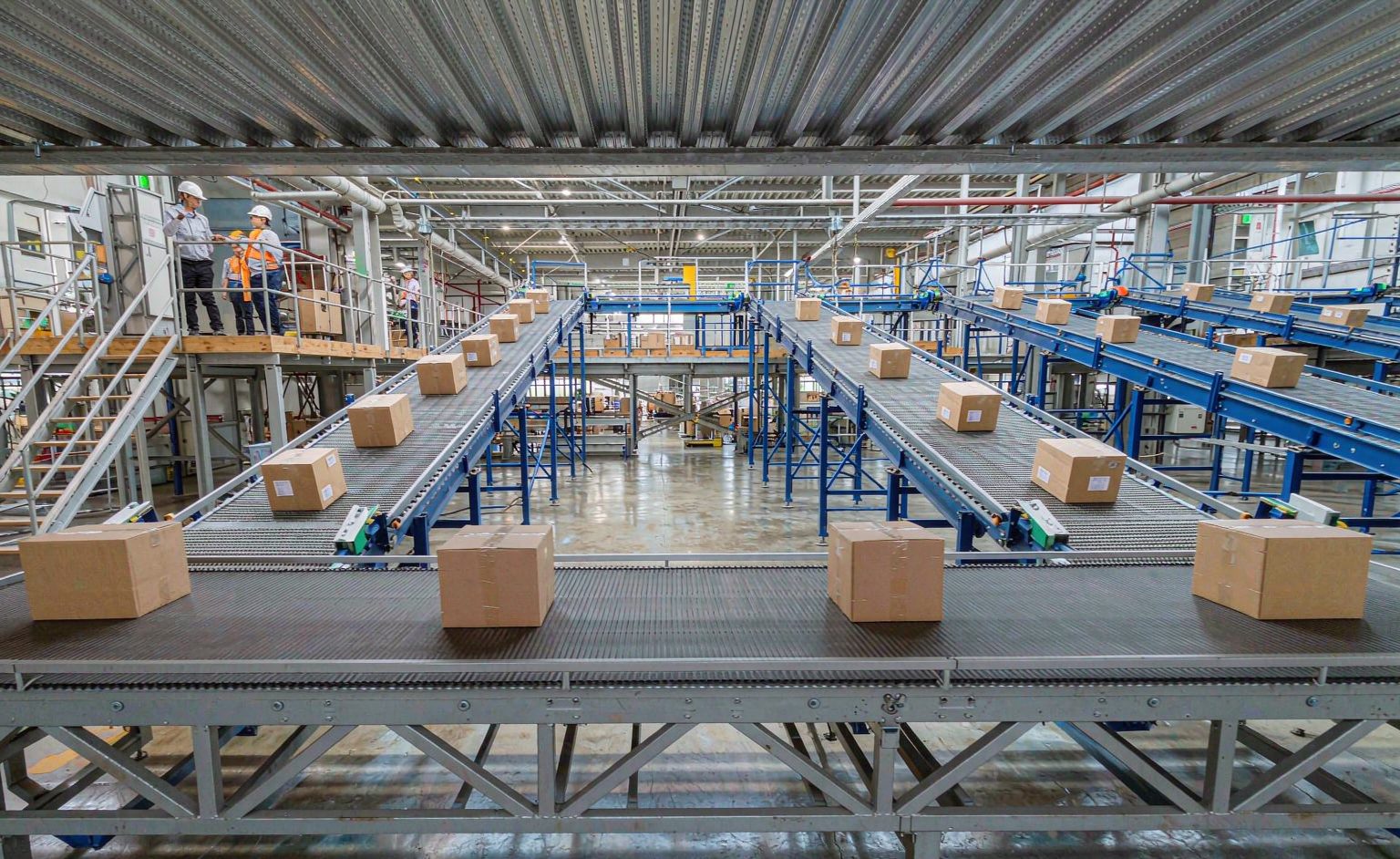
The crossover sits where annual labor savings equal amortised machine cost. As a planning heuristic, operations consistently processing above roughly 8,000–10,000 parcels per day, or peaking above 2,500 PPH for multiple hours daily, find the math works in their favour within two to three years. Below that, semi-automatic approaches usually win. Two layout realities temper the arithmetic: the singulator needs infeed conveyor length for gap formation, and ceiling height or mezzanine space for the discharge side must exist before the machine is quoted.
Frequently Asked Questions
How many parcels per hour can a manual induct station handle?
Plan on 600–900 PPH for mixed parcels per trained operator, with 1,200 achievable only in pre-oriented, uniform-carton setups. Design your sorter capacity around the conservative number.
What parcel sizes can a singulator handle?
Most handle a defined envelope — commonly 10×10×2 cm up to 60×50×50 cm — and polybags, soft packs, and extremely light items may need dedicated handling. Check the envelope against your actual parcel histogram, not your average.
Does a singulator eliminate induct labor entirely?
No. Someone loads the hopper and monitors jams and sensors. The realistic target is one attendant per line regardless of throughput, which is precisely why the labor cost curve flattens with volume.
Can I start with semi-automatic singulation?
Yes, and for volumes in the 2,500–4,000 PPH range it is often the better economic fit. It preserves the option to extend toward full automation without discarding the induct layout.