
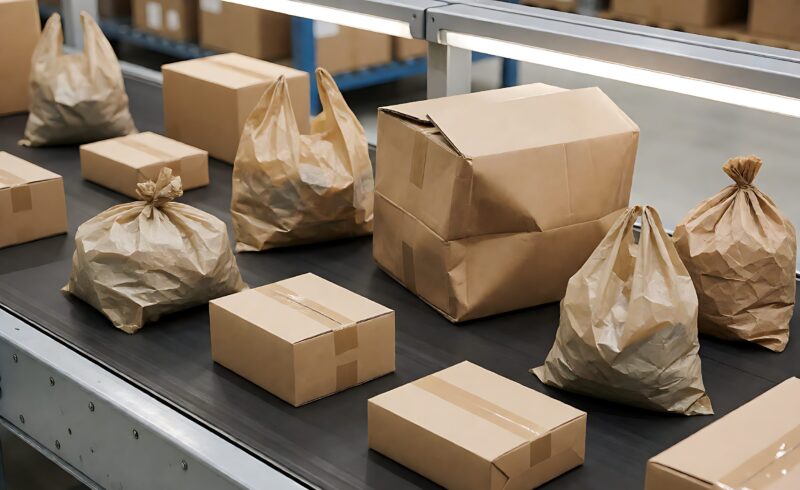
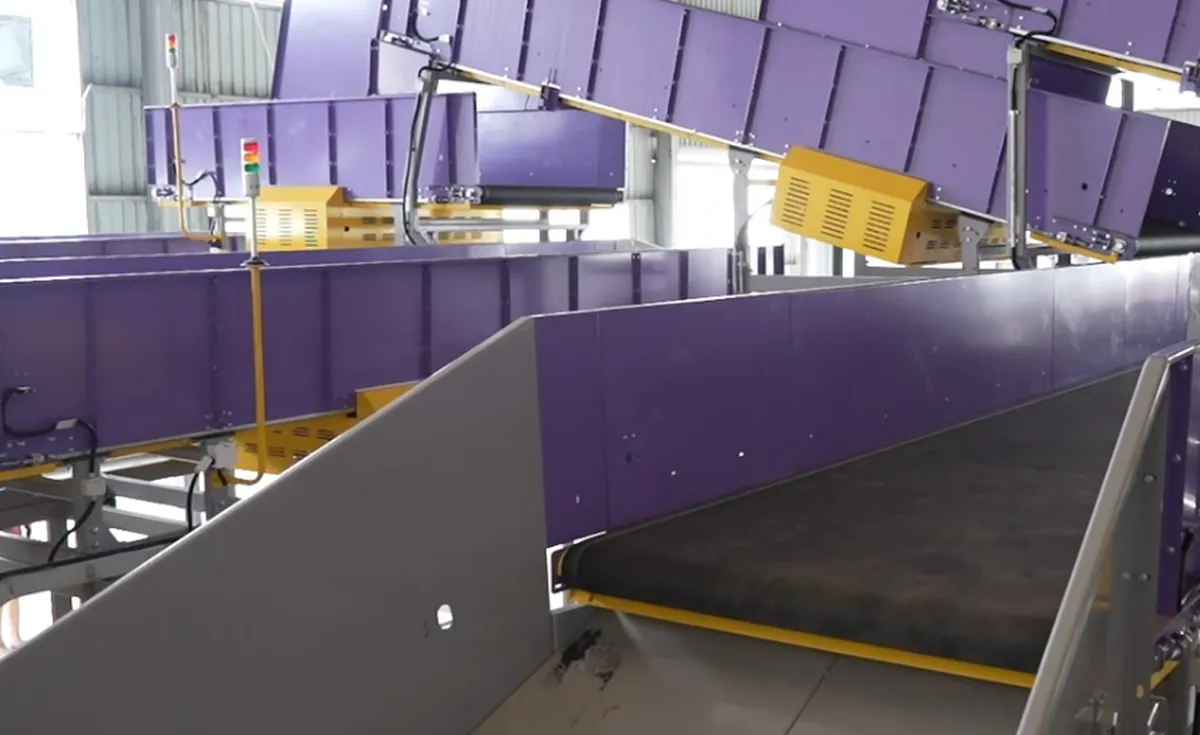
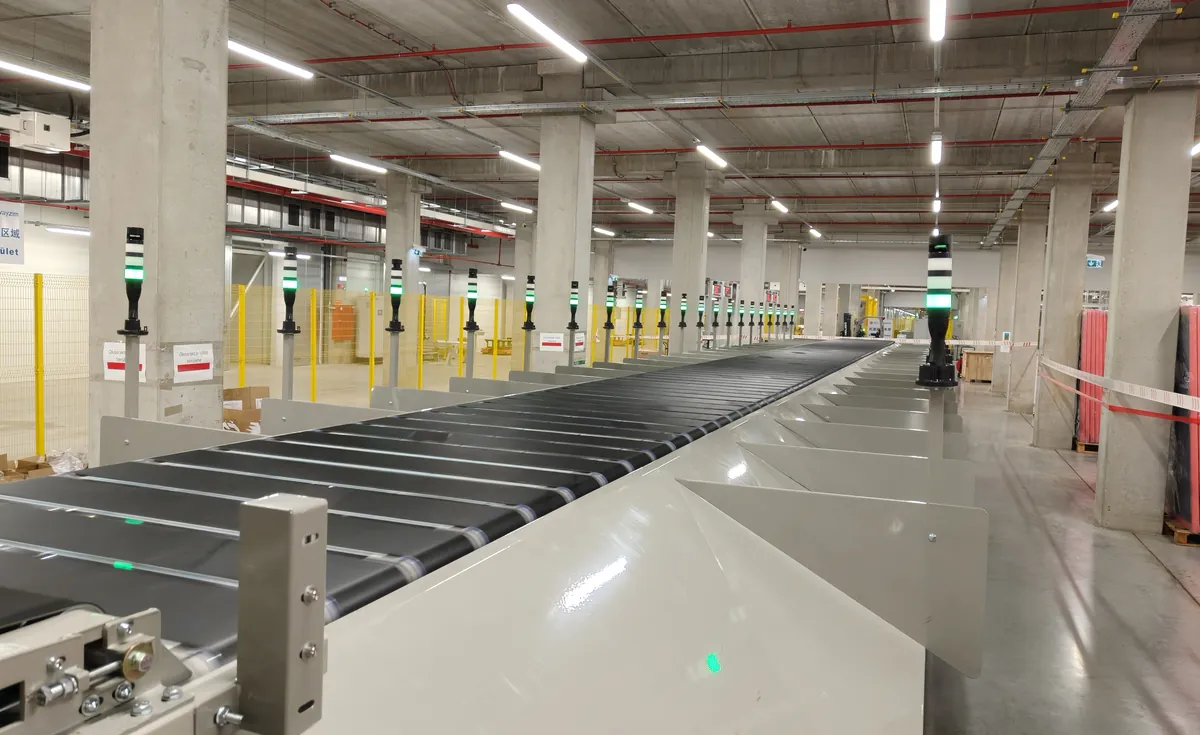
As e-commerce grows, the demand for faster and more accurate parcel handling is reshaping the logistics industry.
Automated sorting systems, such as narrow belt sorters, DWS (Dimension Weigh Scan) machines, and intelligent cross-belt sorters, are now essential for modern warehouses.
These technologies streamline operations by reducing manual labor, increasing sorting speed, and ensuring precise order
fulfillment. With data-driven algorithms and scalable designs, automated systems help businesses adapt to changing
volumes while improving efficiency and sustainability.
TRUELISORT provides customized sorting solutions** designed for global logistics needs. For project inquiries, contact us at truelilogistics@163.com
Efficiency Is Measured, Not Claimed
“Efficient logistics” is a testable claim. Four KPIs, agreed before commissioning, turn it into a number:
| KPI | Definition | Healthy range |
|---|---|---|
| Throughput | Parcels per hour, sustained (not peak) | Named in contract, profile-dependent |
| Mis-sort rate | Wrong-destination events per 10,000 | Single digits with tuned vision |
| Dock-to-stock time | Arrival to sortable location | Minutes in automated hubs |
| Recirculation rate | Parcels passing the sorter twice | Below a few percent |
What makes these four useful is that they interact honestly: a vendor optimizing one at the expense of another gets caught. High speed with a rising recirculation rate is a slow system wearing a fast one’s clothes; high throughput with growing mis-sorts buys re-work downstream. The financial translation of all four lives in the ROI calculation guide, and the mechanical reasons behind accuracy in how automated sorting improves throughput and accuracy. Methodology: key performance indicators and throughput.
Baselines First: Measure Before You Buy
Every efficiency claim needs a “before” number to be meaningful — and most operations discover they never recorded one. A one-week baseline audit fixes that:
- Count the real flow — parcels per hour by hour, including the boring Tuesday morning, not just the memorable Friday.
- Track the error rate — mis-sorts found downstream, returns traced to sorting, for two honest weeks.
- Time the bottlenecks — where parcels wait, in minutes; waiting is capacity in disguise.
- Cost the current state — sorting labor hours per thousand parcels; this is the number automation replaces.
The audit changes the purchase conversation from adjectives to arithmetic: a vendor’s “3× throughput” meets your 1,400-parcel Tuesday and produces a real forecast; the ROI spreadsheet gets a denominator it can defend to the finance team. Baselines also protect against oversizing — the most expensive way to buy a sorter is against your best day instead of your average one. Operations that measure first buy right-sized, verify claims at acceptance, and keep the audit sheet as the ground truth for every future upgrade debate.
Making the KPIs Belong to Everyone
Four KPIs on a manager’s dashboard change nothing; the same four on the floor change everything. Print the daily throughput, mis-sort count and recirculation rate where the induct operators can see them, review them in a five-minute stand-up, and the numbers start managing themselves: operators spot the patterns first — the wet-label hours, the outlet that fills too fast, the Tuesday induct gap — and fixes arrive before the weekly report would have noticed. The role of management is to close the loop quickly: small tools, small permissions, and public credit for the operator whose suggestion moved the number. Measurement builds trust only when the measured can see the measurement and act on it.