
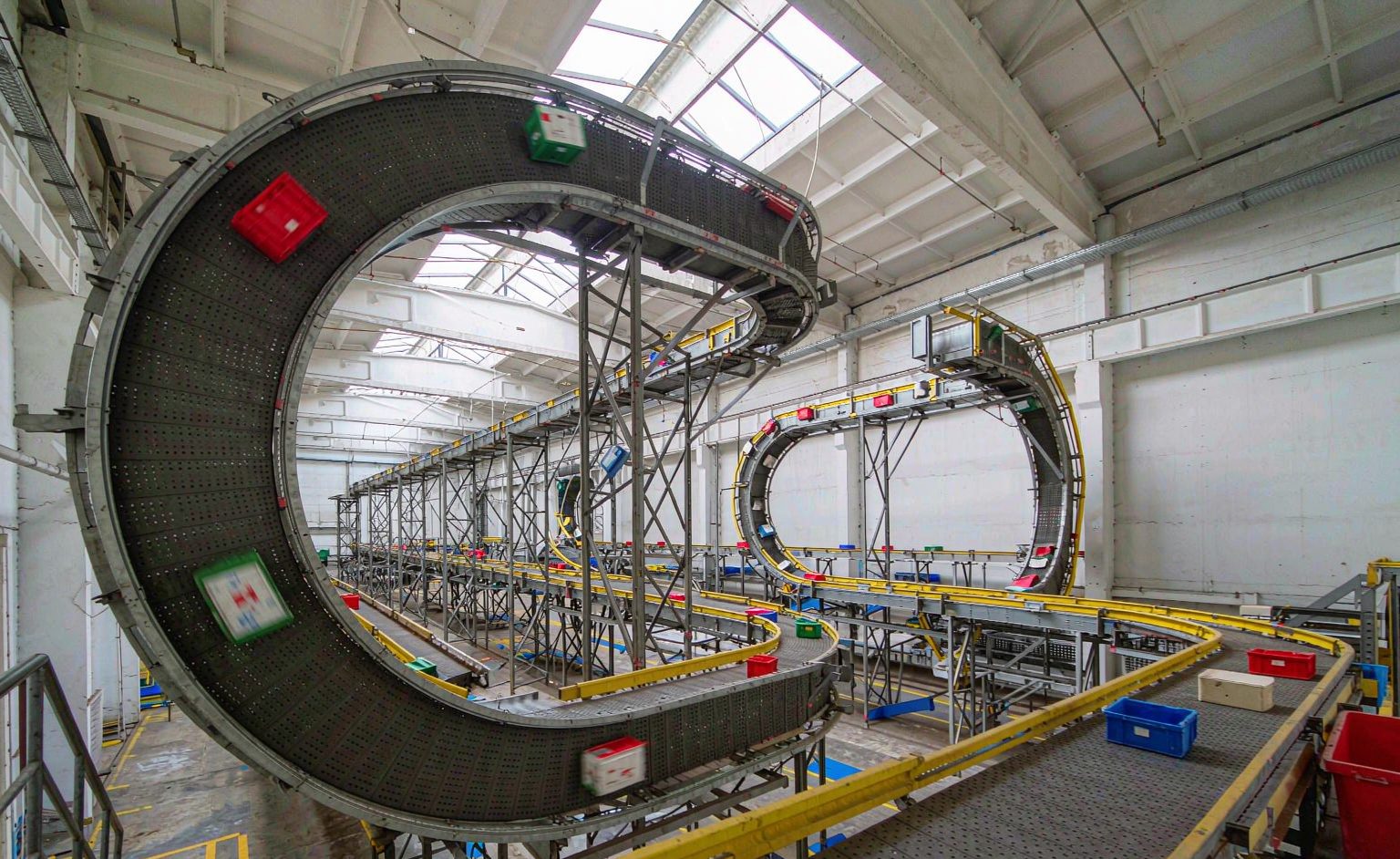
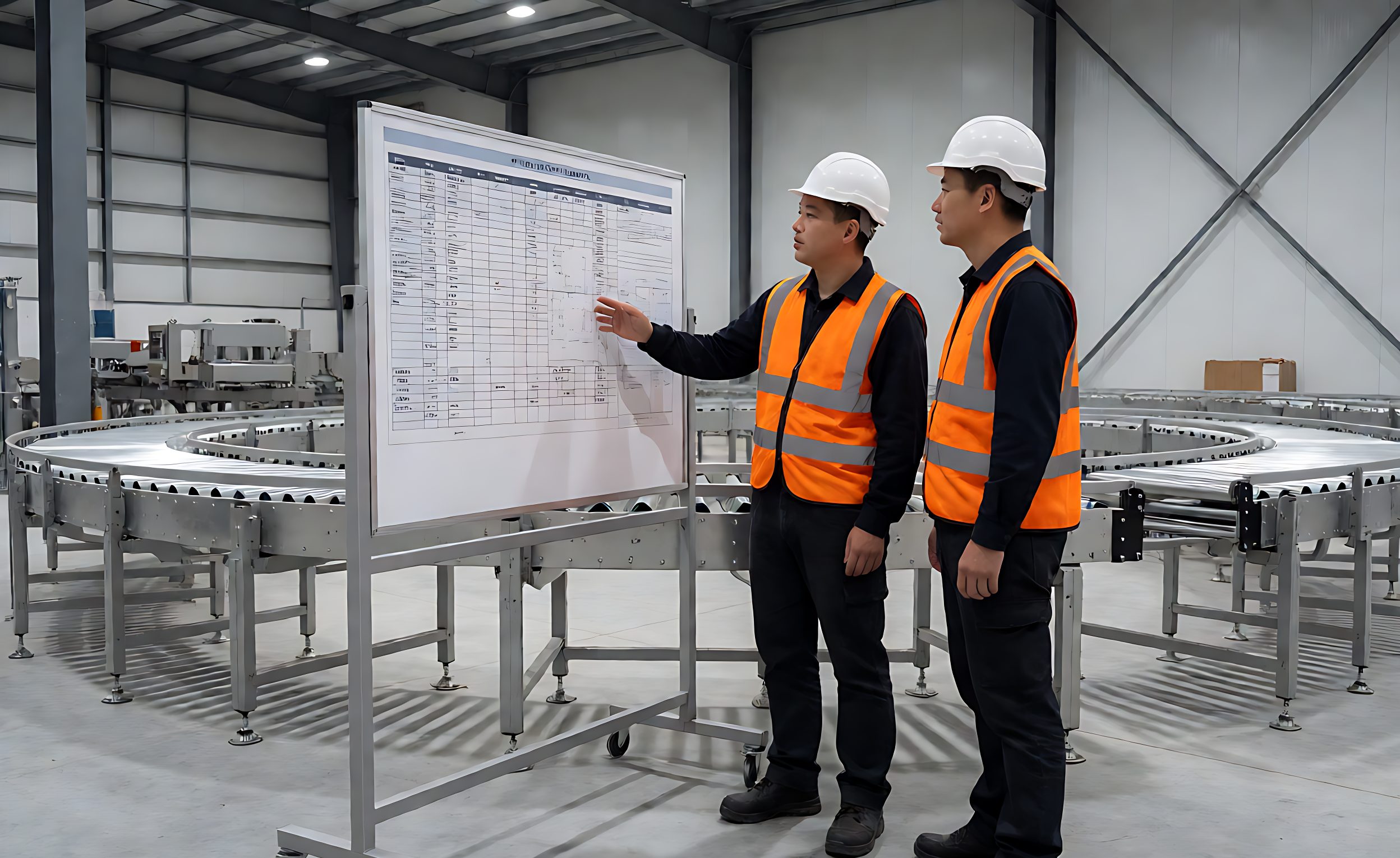
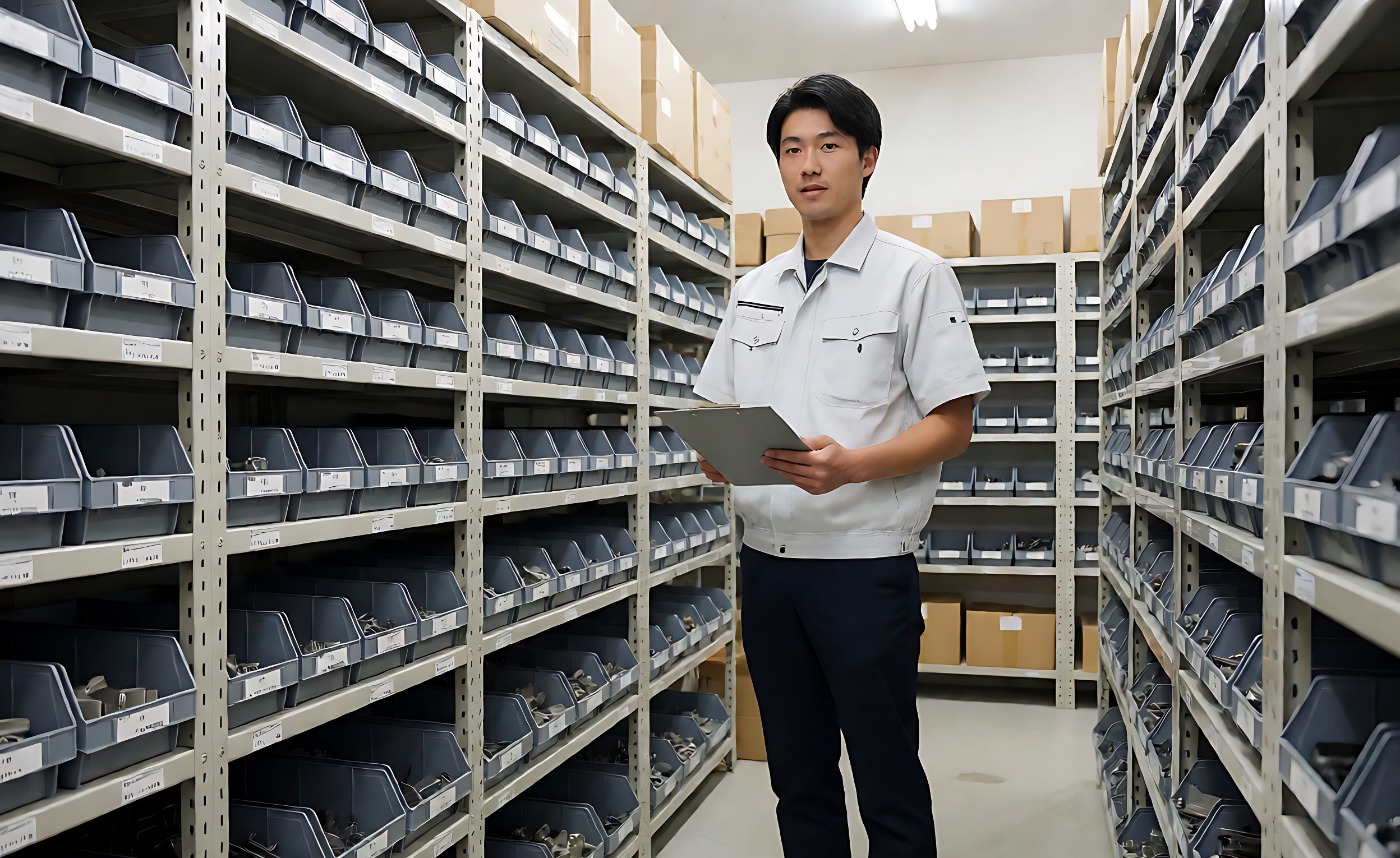

Automation does not remove the staffing question; it changes it. A sortation line replaces a room of manual sorters with a smaller, more specific crew: induction operators, a control-room operator, maintenance cover and supervision. Get that crew wrong in either direction and the machine underperforms – overstaffed, the operating cost erodes the business case; understaffed, chutes back up, jams go unattended and throughput quietly settles below the number in the proposal.
Sizing the crew is therefore a design task with numbers behind it, not a headcount guess made when the roster is written. This article sets out the roles, the shift models and the seasonal adjustments that keep a sorter line staffed to match its volume.
The Roles Around a Running Line
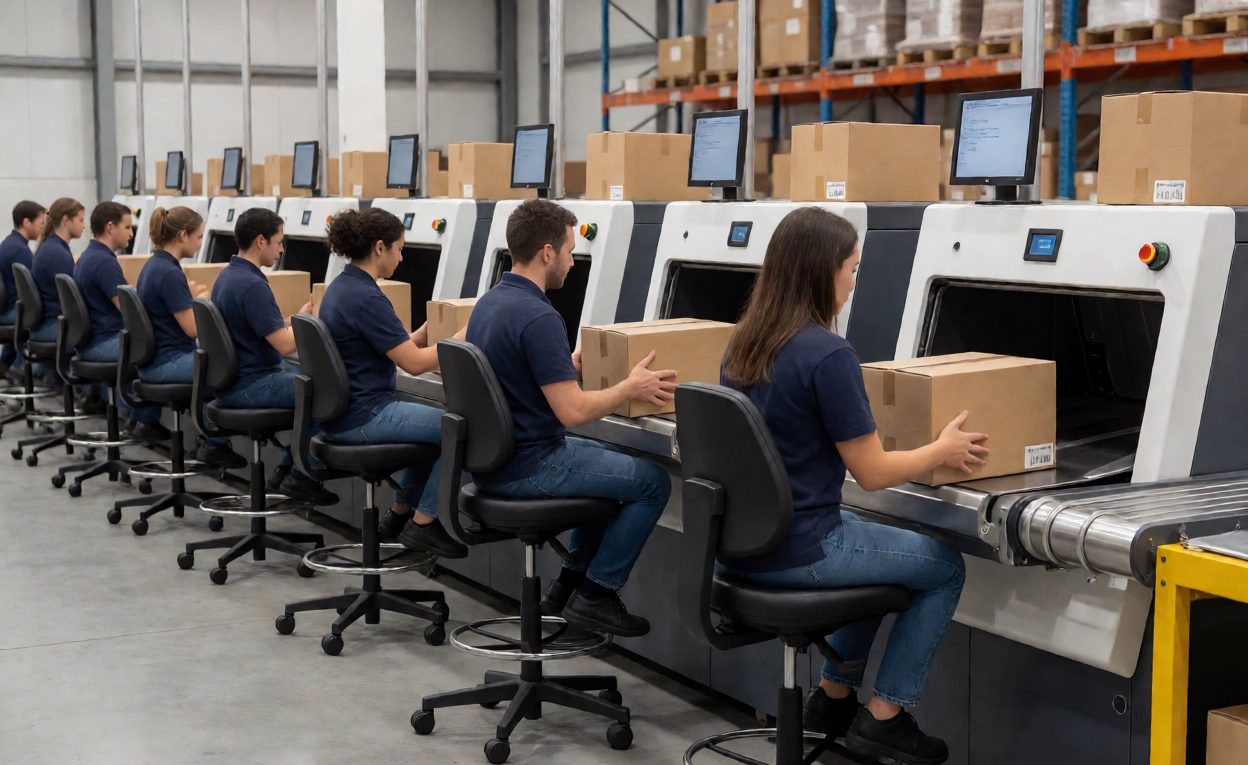
Most sortation operations need five role types per shift, though headcount varies enormously with volume:
- Induction operators, who feed the line. This is usually the largest group and scales directly with parcels per hour and with how many parcels each operator can realistically singulate and feed.
- Chute and takeaway staff, who keep destinations clear, containerise outflow and clearExceptions. On highly automated sites this shrinks to one rover; on others it is a person per zone.
- Control-room operator, who watches flow, responds to faults and coordinates with maintenance. One per running shift in almost every operation.
- Maintenance cover, whose size depends on whether the model is reactive, planned or contracted out – a choice examined in its own right.
- Supervision, typically one shift lead with a span of control that stays workable as the line grows.
The mistake to avoid is budgeting only induction labour because it is the visible one. The supporting roles are smaller but fixed, and they dominate the cost per parcel at low volume.
Choosing a Shift Model
Shift structure follows the demand curve, not the other way round. Three patterns cover most cases. A single-shift operation suits stable daytime volumes and keeps a permanent crew that knows the machine well. A two-shift pattern suits sustained volume across the day and doubles the fixed roles, which is why cost per parcel rises less than headcount does. A flex model – core crew plus a trained temporary pool for peaks – fits strongly seasonal operations, provided the pool is genuinely trained in advance rather than introduced on the peak morning.
What matters most is the transition between shifts. Handover is where jams accumulate and faults go unreported, so the roster should include a short overlap and a written handover routine: line state, open faults, and anything the next shift should watch. A fifteen-minute overlap costs little and removes the single most common source of unlogged downtime.

Peak Season and Temporary Labour
Peak planning is a staffing exercise as much as a machine one. The sorter may have capacity in reserve, but induction labour is the usual constraint: throughput falls to whatever the feeding rate supports, whatever the loop could theoretically do. Sites that treat peak as a recruitment lead time – hiring and training weeks ahead, certifying induction operators against a defined parcels-per-hour standard – hold throughput far better than sites that hire reactively.
- Train before the peak: a temporary operator reaches useful productivity after a structured week, not after a morning walkthrough.
- Certify to a rate: define the feeding rate each operator must sustain and check it, because one slow station caps the whole line.
- Protect the core: keep experienced operators on maintenance, control and supervision roles where their knowledge matters most, and put trained temporary staff on induction.

Technical Background
The structure of rosters is the domain of the shift plan, which allocates coverage across a working week while respecting rest rules. The health and regulatory context of non-standard hours is covered under shift work, which matters when night operation is on the table. Building a flexible pool that can cover multiple roles relies on cross-training – deliberately developing staff to perform more than one function, which is what turns a fixed crew into a resilient one.
Staffing is also a cost-model input rather than a separate exercise. The way crew size enters the operating case is covered in the five-year total cost of ownership model, and the seasonal logic connects to expansion planning for peak season. The wider hiring context – why automation and workforce strategy have to be planned together – is in solving the labor shortage with supply chain automation. Induction-side productivity, where most of the crew is deployed, is designed in induction station design and labour planning.
Absence, Attrition and the Resilient Crew
A roster that works only when everyone attends is not a roster; it is a hope. Real operations need deliberate slack. Two mechanisms do the work. The first is cross-training: when chute staff can cover induction and the control operator can cover supervision, short absences stop becoming line events. The second is a small standing overflow arrangement – a couple of trained part-timers or an agreement with a staffing partner – that absorbs the longer gaps without emergency hiring.
Attrition deserves the same planning. Induction work is repetitive, and sites that rotate tasks, set measurable standards and give operators a visible progression path hold staff longer. Every experienced operator who stays is training capacity for the next peak, which is why retention belongs in the staffing plan alongside recruitment rather than in a separate HR conversation. The crews that run best through peak are built quietly in the quiet months – and the shift model that fits your volume profile is documented alongside the throughput assumptions in how to verify CPH claims, so the roster and the machine are always sized against the same number.
Frequently Asked Questions
How many staff does a sorter line need per shift?
It depends on volume and automation depth, but the pattern is consistent: a large induction group, a small fixed set of control, maintenance and supervision roles, and chute staffing that varies with how automated the takeaway is.
Which roles are fixed regardless of volume?
Control-room operation, maintenance cover and supervision. They scale with the number of running shifts, not with parcels per hour.
How do I staff for peak season?
Hire and train weeks ahead against a defined feeding-rate standard, and keep experienced staff on control and maintenance while temporary operators take induction.
What is the most common staffing mistake?
Budgeting only induction labour. The fixed supporting roles dominate cost per parcel at lower volumes and are forgotten until the roster is built.
Is a shift overlap really necessary?
Yes. Handover without overlap is where jams accumulate and faults go unlogged, and a fifteen-minute overlap removes most of that risk.
How do I handle absence without downtime?
Cross-train so adjacent roles can cover each other, and keep a small standing overflow arrangement for longer gaps.
Should night shifts be staffed differently?
Crew size stays similar, but night operation needs stronger maintenance cover or a clear escalation path, since fewer support functions are available off-hours.