
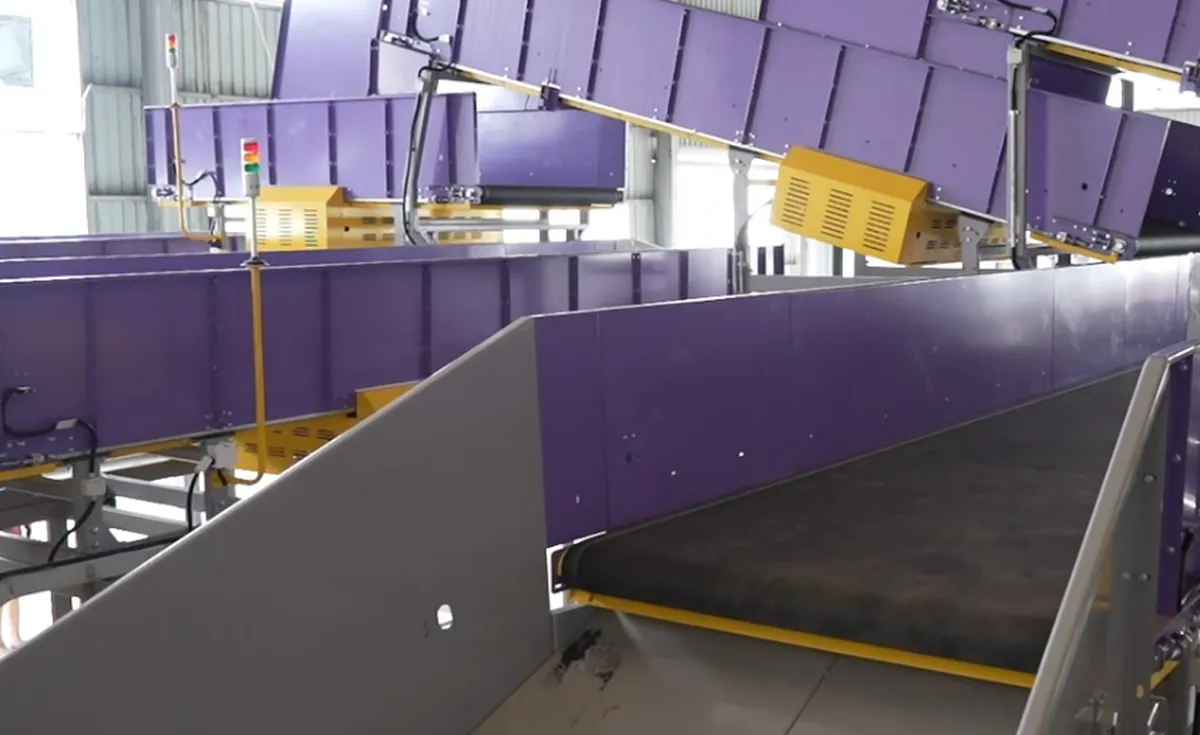
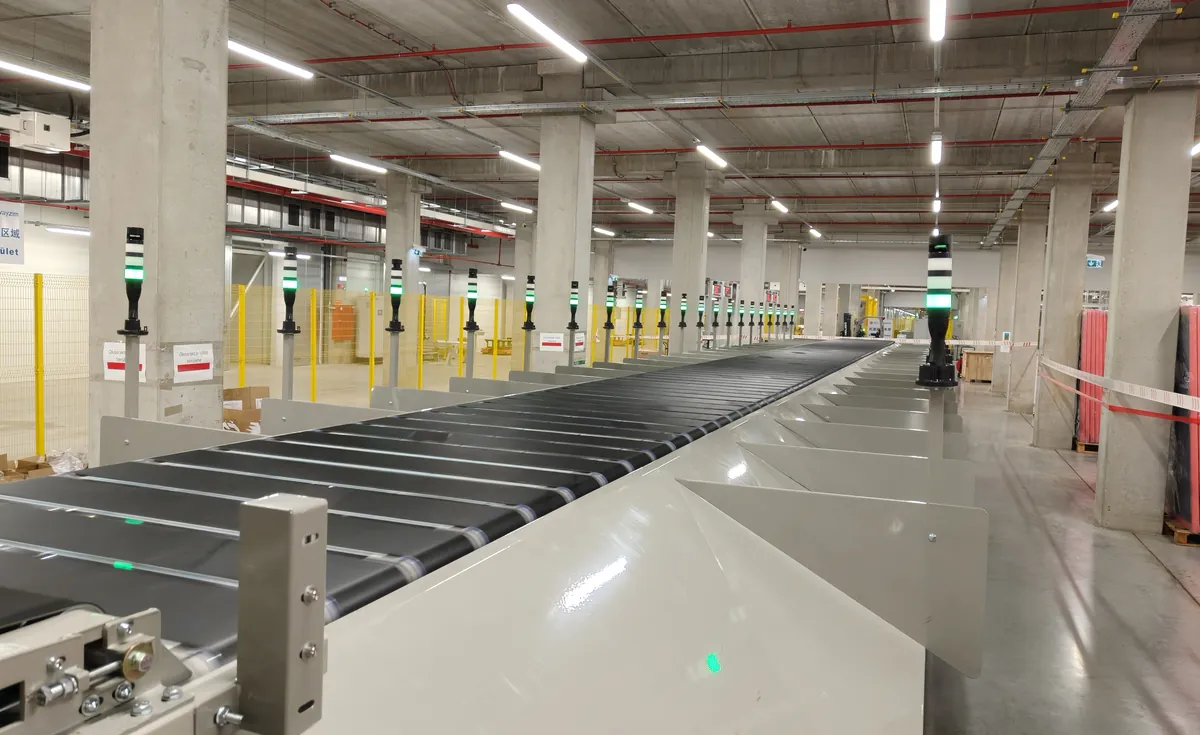
Automated sorting technology, as global e-commerce and supply chain demands continue to grow, logistics companies face increasing pressure to enhance speed, accuracy, and cost-efficiency in their operations. TRUELISORT represents the next generation of automated sorting technology, designed to meet these evolving industry challenges.
With intelligent sorting solutions capable of handling parcels of varying shapes, sizes, and weights, TRUELISORT systems enable logistics hubs to process higher volumes with fewer manual interventions. This not only reduces operational costs but also significantly improves throughput and order accuracy. As the logistics industry shifts towards smart automation, TRUELISORT’s flexible, modular solutions offer scalability for businesses aiming to future-proof their sorting facilities.
The Technology Families Behind Automated Sorting
“Automated sorting technology” is a family of machines, each with a territory:
| Family | Best at | Watch out for |
|---|---|---|
| Cross-belt sorter | High speed, gentle handling, wide parcel mix | Footprint of loop layouts |
| Narrow-belt sorter | Cost-effective mid-rate sortation | Product size limits |
| Sliding shoe sorter | Long parcels, apparel flats | Small-item minimums |
| Tilt-tray sorter | High destination counts, loops | Gentleness on fragile goods |
| Put wall | Order consolidation, e-commerce wave picking | Throughput per wall is finite |
| Unit sorter | Small-parcel, high-count sortation | Parcel weight ceiling |
Most real facilities run two families together — a sorter for destination routing plus put walls for order-level consolidation. Choosing among them starts with your parcel physics (size, weight, fragility) and ends with destination counts; the side-by-side comparison is in sorting technologies compared, and the small-parcel specialist in unit sorter guide. Reference: conveyor systems and sortation.
Induction and Discharge: The Forgotten Ends
Technology debates fixate on the sorter’s middle — cross-belt versus tilt-tray — while throughput is usually won or lost at the two ends.
Induction. Parcels must arrive singulated, gapped and face-up at a rate the sorter can digest. A 12,000-parcels-per-hour sorter behind manual induction is a 4,000-parcel sorter with an expensive hobby. Options scale accordingly: manual induct for low rates, semi-automatic singulation for the middle, and fully automated DWS-fed induct — with automatic address reading — when the rate justifies the engineering.
Discharge. Outlets decide what happens after a perfect sort: chute versus container, cart versus cage, and whether dispatch staging smooths or multiplies the peaks. Recirculation happens twice as often at the discharge side — full outlets force parcels to loop — and it is cheaper to add staging space than sorter speed.
| End | Cheapest upgrade | Typical gain |
|---|---|---|
| Induct | Operator training + singulation aids | +10–20% effective rate |
| Discharge | Staging discipline, outlet scheduling | -30–50% recirculation |
Budget the ends honestly and the middle machine finally performs like its nameplate.
Choosing by Parcel Physics, Not by Catalog
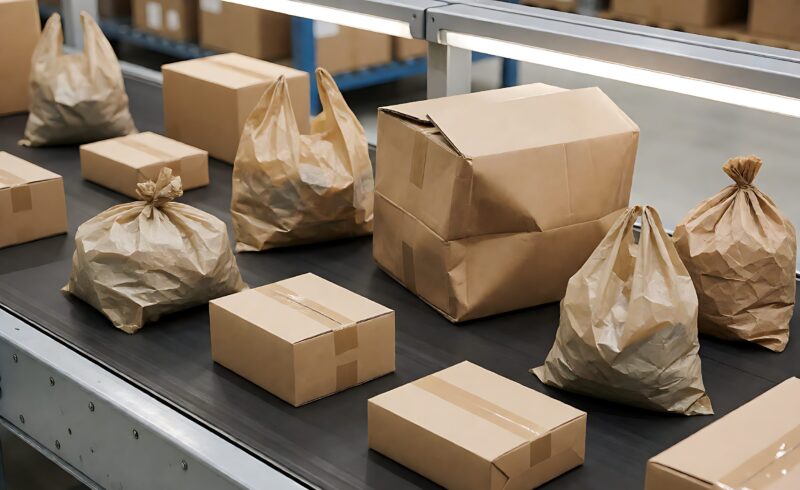
The technology family picks itself once the parcel physics are written down. Weigh and measure a representative sample — minimum, maximum, and the awkward middle: poly bags that read badly, boxes with soft corners, tubes that roll. Cross-belt tolerates variety and protects fragile goods; sliding shoe likes long flats; tilt-tray handles volume at destination counts that challenge others; put walls win at order level, not parcel level. Then run the awkward samples at the vendor’s test track on your visit day — the demo parcels there are always cooperative, and yours will not be. Ten minutes with your worst parcel tells you more than a catalog afternoon; the vendor’s reaction to it tells you the rest.