
Modern warehouses are under enormous pressure.
As e-commerce expands, customer delivery expectations accelerate, and supply chains become increasingly complex, distribution centers are expected to process more orders, store more inventory, and ship faster than ever before.
However, while operational demands continue growing, warehouse space remains expensive and limited.
For many businesses, simply expanding to larger facilities is no longer the most practical or cost-effective solution.
Instead, companies are searching for smarter ways to maximize the efficiency of existing warehouse footprints.
This growing need for operational efficiency has made warehouse automation one of the most important investments in logistics and supply chain management.
Among the most advanced solutions available today, loop cross-belt sorting systems have emerged as powerful tools for improving throughput while optimizing warehouse space utilization.
These automated sorting systems are transforming how warehouses manage parcel flow, inventory movement, order consolidation, and fulfillment efficiency.
More importantly, loop cross-belt sorters allow facilities to process large order volumes within increasingly compact environments.
This guide explores how loop cross-belt sorting systems improve warehouse space optimization, increase operational efficiency, support scalability, and help modern fulfillment centers maximize every square foot of available space.
Why Warehouse Space Optimization Matters More Than Ever
Warehouse real estate costs continue rising globally.
At the same time, businesses face mounting pressure to:
- Increase order throughput
- Accelerate delivery times
- Handle SKU expansion
- Improve inventory accessibility
- Reduce labor costs
- Support omnichannel fulfillment
- Improve operational flexibility
Traditional warehouse layouts often struggle to keep pace with modern logistics demands.
Manual sorting areas consume large amounts of floor space, require extensive labor movement, and create bottlenecks during peak seasons.
As order volumes grow, inefficient layouts can quickly reduce productivity.
Space optimization is no longer simply about fitting more inventory into a building.
It is about improving flow efficiency, reducing wasted movement, increasing automation density, and creating scalable infrastructure for long-term growth.
What Is a Loop Cross-Belt Sorter?
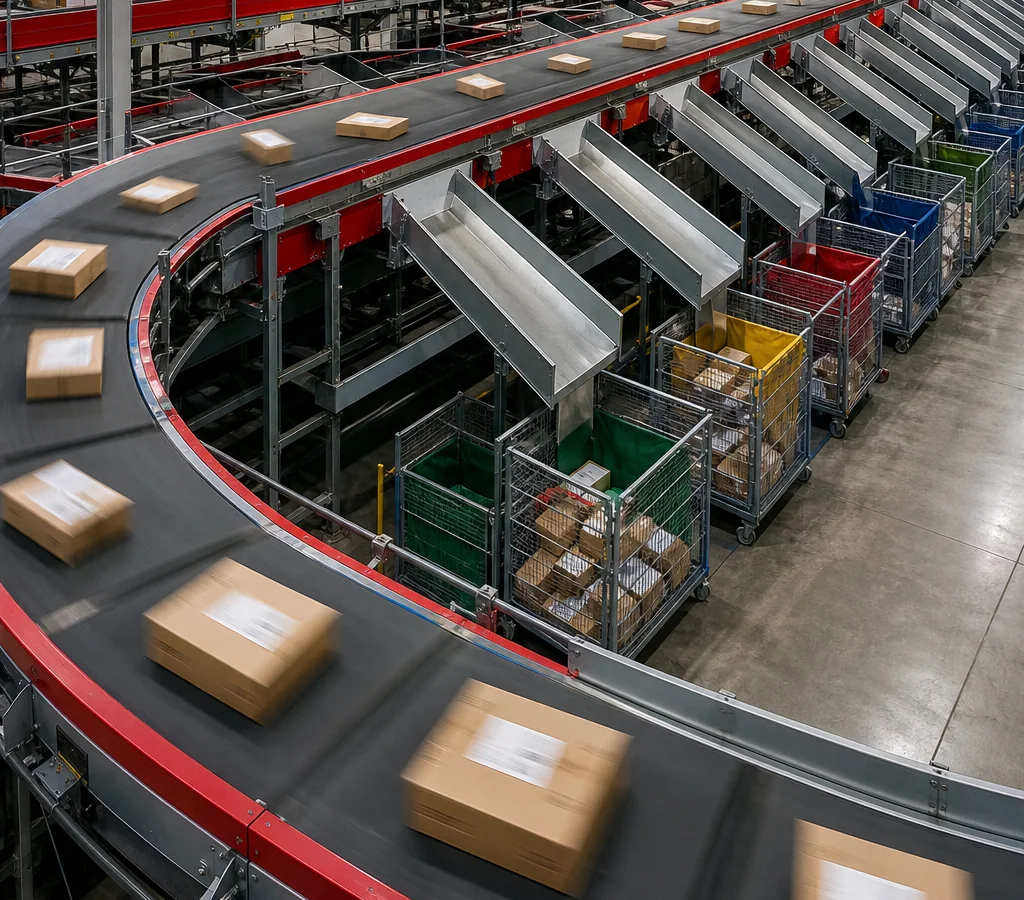
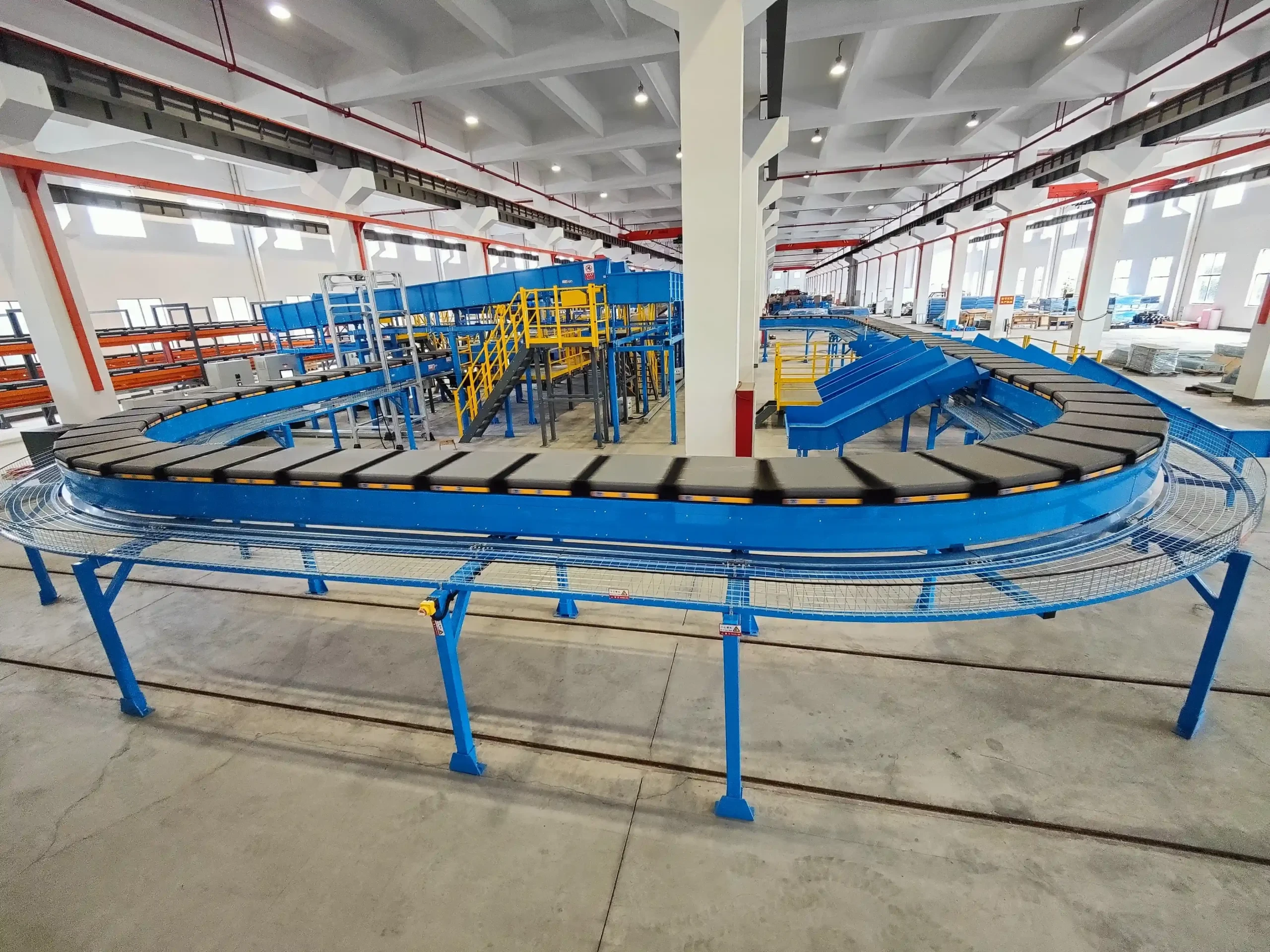
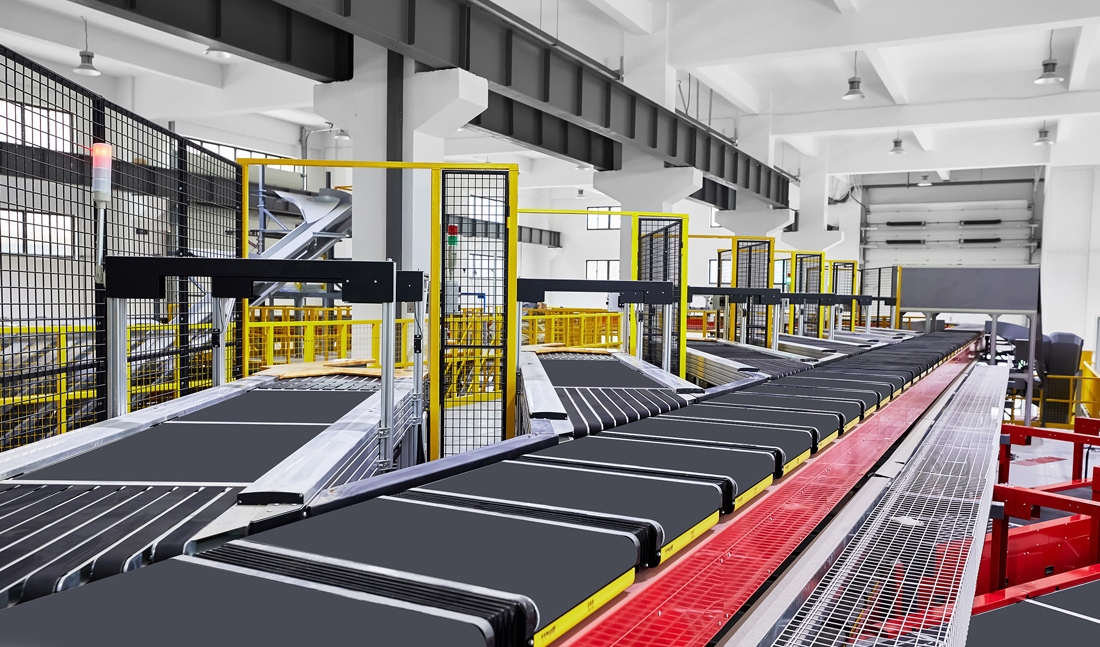
A loop cross-belt sorter is an automated material handling system designed to sort products, parcels, cartons, polybags, and packages rapidly and accurately.
The system consists of:
- A continuous loop conveyor track
- Carrier units equipped with small conveyor belts
- Automated scanning systems
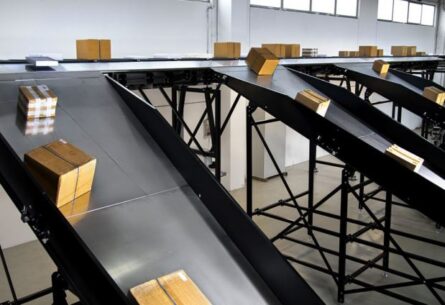
- Destination chutes or lanes
- Centralized control software
Each carrier moves independently along the loop.
When an item reaches its assigned destination, the cross-belt mechanism transfers it sideways into the appropriate chute or outbound lane.
This allows fast, precise sorting across high-volume warehouse operations.
Loop cross-belt systems are widely used in:
- E-commerce fulfillment centers
- Parcel distribution hubs
- Retail logistics facilities
- Airport baggage systems
- Third-party logistics operations
- Pharmaceutical distribution centers
- Apparel fulfillment warehouses
How Loop Cross-Belt Sorters Improve Warehouse Space Efficiency
One of the greatest advantages of loop cross-belt systems is their ability to maximize operational density.
Unlike traditional linear sorting systems, loop configurations use space more intelligently.
Several design characteristics contribute to this efficiency.
Compact Circular and Oval Layouts Reduce Dead Space
Traditional straight conveyor systems often require long linear footprints.
These layouts create inefficient unused areas around corners and transfer zones.
Loop cross-belt sorters use circular, oval, or racetrack-shaped layouts that optimize floor geometry.
This design reduces wasted space by:
- Improving conveyor density
- Reducing excessive aisle requirements
- Centralizing sorting zones
- Allowing multiple induction points
- Minimizing unnecessary transport paths
By concentrating sorting operations into tighter footprints, warehouses can allocate more space to inventory storage or additional automation systems.
Vertical Integration Maximizes Cubic Space Utilization
Warehouse optimization is not limited to floor area.
Modern facilities increasingly focus on maximizing cubic space.
Loop cross-belt systems integrate well with multi-level automation designs.
These systems can operate:
- Above picking zones
- Over mezzanines
- Across elevated conveyor bridges
- Between upper-level workstations
- Within vertical fulfillment structures
This vertical flexibility helps facilities use overhead airspace more efficiently.
Instead of expanding outward, warehouses can expand upward.
Reduced Manual Sorting Areas Free Up Valuable Floor Space
Manual sorting operations consume significant warehouse real estate.
Traditional sorting requires:
- Large staging zones
- Wide walkways
- Labor movement space
- Temporary accumulation areas
- Manual transfer stations
Loop cross-belt sorters automate much of this process.
As automation increases, warehouses can:
- Shrink manual work areas
- Reduce congestion
- Improve flow consistency
- Eliminate redundant staging zones
- Reallocate space for higher-value operations
The result is a cleaner, more organized warehouse layout.
High-Speed Sorting Reduces Inventory Congestion
Slow fulfillment creates operational backups.
When products remain in sorting zones too long, congestion increases rapidly.
Loop cross-belt systems process large order volumes quickly.
Higher sorting speed helps:
- Reduce accumulation delays
- Minimize package dwell time
- Improve outbound flow
- Prevent bottlenecks
- Increase dock efficiency
Faster throughput means warehouses require less temporary holding space.
This directly improves floor utilization.
Flexible Sorting Destinations Improve Layout Efficiency
Cross-belt systems support numerous sorting destinations within compact areas.
A single loop sorter may connect to:
- Shipping lanes
n- Packing stations - Regional distribution zones
- Carrier-specific outputs
- Returns processing areas
- Order consolidation stations
This flexibility reduces the need for multiple separate sorting systems.
Consolidating operations into one integrated platform saves valuable space.
Multi-Point Induction Increases Workflow Flexibility
Traditional conveyor systems often rely on limited entry points.
Loop cross-belt sorters support multiple induction stations throughout the system.
This improves operational flexibility by:
- Reducing travel distances
- Supporting decentralized picking
- Balancing workloads
- Improving labor efficiency
- Minimizing congestion
Strategically positioned induction zones help optimize warehouse layouts.
How Automation Density Supports Space Optimization
Automation density refers to the amount of operational capability packed into a specific footprint.
Loop cross-belt systems offer exceptionally high automation density.
Within relatively compact areas, these systems can:
- Process thousands of items per hour
- Handle multiple SKU categories
- Support simultaneous destinations
- Operate continuously
- Integrate with robotics and WMS platforms
Integrating Loop Cross-Belt Sorters with Goods-to-Person Systems
Modern fulfillment centers increasingly combine technologies.
Loop cross-belt sorters integrate effectively with:
- Autonomous mobile robots
- Shuttle systems
- AS/RS systems
- Robotic picking stations
- Automated storage solutions
Integrated automation ecosystems reduce unnecessary movement throughout the facility.
This creates more compact workflows.
Instead of long manual transport paths, products move directly between systems.
Why E-Commerce Warehouses Benefit Most from Cross-Belt Sorters
E-commerce fulfillment creates unique space challenges.
Facilities must process:
- High SKU diversity
- Frequent small orders
- Rapid order fluctuations
- Peak-season surges
- Fast delivery requirements
Traditional warehouse layouts struggle with these demands.
Loop cross-belt sorters help e-commerce operations by:
- Increasing order processing density
- Supporting rapid SKU movement
- Improving order accuracy
- Reducing labor congestion
- Accelerating outbound fulfillment
This allows warehouses to scale operations without proportional space expansion.
Space Optimization Through Improved Flow Design
Warehouse efficiency depends heavily on flow.
Poorly designed workflows waste space through:
- Excessive walking
- Product backtracking
- Congestion points
- Idle staging zones
- Long transfer routes
Loop cross-belt systems improve flow by centralizing and automating movement.
Products move continuously and predictably.
This reduces chaotic traffic patterns and improves layout organization.
Dynamic Routing Reduces Operational Bottlenecks
Advanced cross-belt systems use intelligent software to optimize routing dynamically.
The system can:
- Balance workloads
- Redirect parcels automatically
- Avoid congested lanes
- Prioritize urgent shipments
- Adjust to real-time demand changes
Smarter routing reduces operational inefficiencies that typically consume extra space.
Supporting Omnichannel Fulfillment Within Limited Space
Modern warehouses often fulfill multiple channels simultaneously.
Operations may include:
- Direct-to-consumer orders
- Retail replenishment
- B2B shipments
- Store pickup orders
- Returns processing
Managing all these workflows manually requires enormous space.
Loop cross-belt sorters simplify omnichannel operations by consolidating sorting functions into unified systems.
This improves both efficiency and flexibility.
Reducing Labor Movement Improves Space Utilization
Human movement consumes considerable warehouse space.
Wide aisles, walking paths, staging zones, and manual transfer areas reduce storage density.
Automation reduces unnecessary labor travel.
Loop cross-belt systems:
- Minimize walking distances
- Reduce manual transport
- Centralize sorting activities
- Improve workstation efficiency
Less movement means more usable space for productive operations.
Scalability Without Facility Expansion
One major advantage of loop cross-belt systems is scalability.
As order volume grows, businesses can often expand system capacity without relocating.
Possible upgrades include:
- Additional induction stations
- More destination chutes
- Software optimization
- Increased carrier density
- Expanded conveyor loops
This scalability protects long-term warehouse investments.
Improving Dock Space Efficiency
Shipping docks are among the most valuable warehouse zones.
Congestion near outbound docks creates operational slowdowns.
Cross-belt sorters improve dock utilization by:
- Organizing outbound flow
- Synchronizing shipments
- Reducing staging clutter
- Accelerating trailer loading
- Improving carrier coordination
Efficient dock operations reduce the need for oversized staging areas.
Returns Processing Optimization
Returns management is becoming increasingly important in e-commerce logistics.
Manual returns processing often creates space-intensive bottlenecks.
Loop cross-belt systems streamline returns handling by:
- Sorting returned items automatically
- Redirecting products efficiently
- Reducing manual handling
- Improving inspection workflows
This helps warehouses manage reverse logistics within existing footprints.
Seasonal Peak Management Without Temporary Expansion
Peak seasons create enormous pressure on warehouse capacity.
Retail surges, holiday demand, and promotional events often overwhelm manual operations.
Loop cross-belt sorters help facilities absorb temporary demand spikes by:
- Increasing throughput capacity
- Reducing congestion
- Supporting faster processing
- Maintaining operational flow
This reduces dependence on temporary overflow spaces.
How Real-Time Data Improves Space Utilization
Modern cross-belt systems generate valuable operational data.
Analytics help managers identify:
- Congestion zones
- Underutilized areas
- Workflow inefficiencies
- Bottleneck patterns
- Labor allocation issues
Data-driven optimization enables continuous layout improvements.
Warehouses become more adaptive and efficient over time.
Safety Benefits of Organized Automated Layouts
Crowded warehouses create safety risks.
Manual sorting areas often involve:
- Forklift congestion
- Trip hazards
- Product pileups
- Traffic conflicts
- Emergency access limitations
Loop cross-belt systems improve organization and reduce clutter.
More structured layouts enhance safety while improving usable space.
Supporting Smaller Urban Fulfillment Centers
Urban fulfillment centers face especially severe space limitations.
Real estate costs in cities continue rising.
Compact automation systems are critical for:
- Micro-fulfillment centers
- Last-mile distribution hubs
- Same-day delivery facilities
- Dense urban logistics operations
Loop cross-belt systems support high throughput within smaller footprints.
This makes them ideal for urban logistics environments.
Energy Efficiency and Operational Density
Modern warehouse optimization also considers energy usage.
Efficient automation layouts reduce:
- Excess lighting requirements
- HVAC demand
- unnecessary transport energy
- Idle equipment zones
Compact operations often consume fewer resources overall.
This contributes to sustainability goals.
Common Warehouse Space Problems Solved by Cross-Belt Sorters
Loop cross-belt systems address many traditional warehouse inefficiencies.
Problem: Excessive Staging Areas
Solution: Faster automated flow reduces temporary storage needs.
Problem: Congested Picking Paths
Solution: Centralized sorting improves movement organization.
Problem: Limited Expansion Capacity
Solution: High automation density supports growth.
Problem: Labor-Heavy Sorting Operations
Solution: Automated sorting reduces manual workload.
Problem: Poor Workflow Visibility
Solution: Integrated software improves operational transparency.
Challenges and Planning Considerations
Despite their advantages, loop cross-belt systems require careful planning.
Important considerations include:
- Facility ceiling height
- Structural support requirements
- Throughput forecasting
- Software integration
- Maintenance accessibility
- Future scalability
- Initial investment costs
Successful implementation depends on detailed operational analysis.
Why Warehouse Layout Design Matters Before Automation
Automation alone cannot fix poor warehouse design.
Facilities should evaluate:
- Product flow patterns
- SKU velocity
- Picking methods
- Shipping requirements
- Labor movement
- Dock positioning
Cross-belt systems perform best within optimized layouts.
Strategic planning maximizes long-term efficiency.
Future Trends in Warehouse Space Optimization
Warehouse automation continues evolving rapidly.
Future developments may include:
- AI-driven routing optimization
- Adaptive robotic sorting
- Modular automation systems
- Predictive congestion management
- Autonomous material movement
- Compact high-density fulfillment architectures
Loop cross-belt systems will likely remain central components in next-generation fulfillment environments.
The Growing Role of Smart Warehousing
Modern warehouses increasingly operate as intelligent ecosystems.
Cross-belt sorters integrate with:
- Warehouse management systems
- Robotics platforms
- IoT sensors
- Predictive analytics software
- Inventory tracking systems
Connected automation improves coordination and space utilization simultaneously.
Long-Term Financial Benefits of Space Optimization
Warehouse expansion is expensive.
Real estate acquisition, construction, utilities, and labor costs continue rising.
Optimizing existing facilities often provides better long-term ROI.
Loop cross-belt systems help businesses:
- Delay facility expansion
- Increase throughput per square foot
- Reduce labor costs
- Improve operational efficiency
- Support scalable growth
These benefits compound over time.
Building a Flexible Warehouse for Future Growth
Supply chain demands continue changing rapidly.
Flexible infrastructure is essential.
Loop cross-belt systems support adaptability by allowing warehouses to:
- Add new destinations
- Handle changing product mixes
- Scale fulfillment capacity
- Integrate emerging technologies
- Support evolving customer expectations
Future-ready facilities require both efficiency and flexibility.
Final Thoughts
Warehouse space optimization has become one of the most important priorities in modern logistics.
As fulfillment demands increase and real estate costs continue rising, businesses must find smarter ways to maximize operational efficiency within limited footprints.
Loop cross-belt sorting systems offer powerful advantages by combining high-speed automation, compact layouts, intelligent routing, and scalable infrastructure into highly efficient warehouse environments.
By reducing manual sorting areas, improving flow organization, supporting vertical integration, and increasing automation density, these systems help facilities process more orders without requiring proportional expansion.
For e-commerce operations, omnichannel fulfillment centers, parcel distribution hubs, and high-volume logistics facilities, loop cross-belt sorters represent far more than simple automation equipment.
They are strategic tools for long-term warehouse optimization.
Companies that successfully integrate intelligent sorting systems into well-designed warehouse layouts are better positioned to improve throughput, reduce operational costs, increase flexibility, and maximize the value of every square foot.
In today’s competitive logistics landscape, efficient space utilization is no longer optional.
It is a critical foundation for scalable, high-performance supply chain operations.