

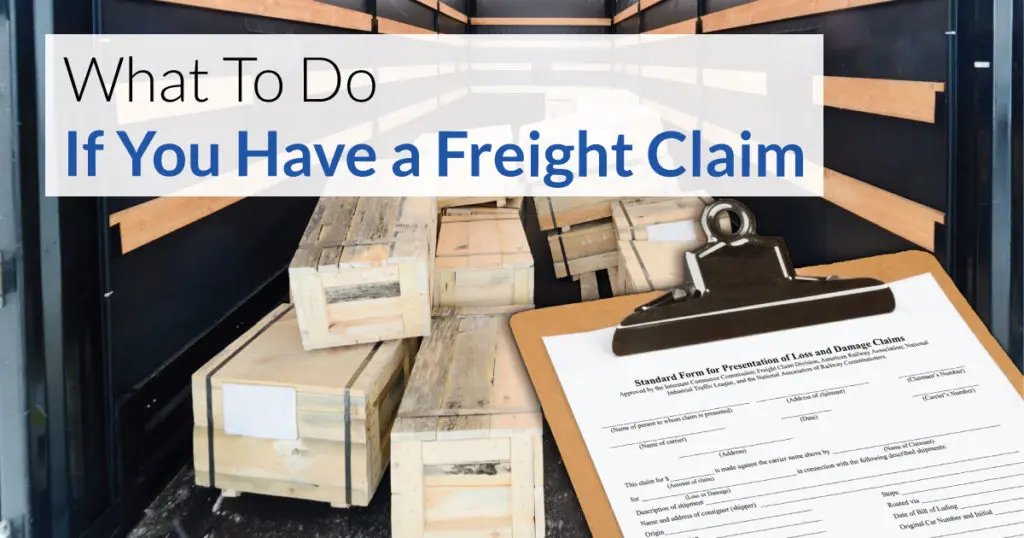
No matter how carefully goods are packed or how reliable a shipping partner may seem, damage during transit is an unavoidable reality in logistics. From crushed packaging and water exposure to internal product failure caused by impact, these issues can disrupt operations, erode customer trust, and lead to financial losses.
If you’re a business owner, e-commerce seller, or even an individual shipping valuable items, knowing exactly what to do when goods arrive damaged—and how to navigate the claims process effectively—can make a significant difference in outcomes.
This comprehensive guide walks you through every step: from immediate actions upon discovering damage to filing claims, negotiating compensation, and preventing future incidents.
Why Shipping Damage Happens
Before diving into solutions, it’s helpful to understand the root causes of transit damage.
1. Handling Errors
Packages often pass through multiple hands and facilities. Improper lifting, stacking, or sorting can lead to:
- Crushed boxes
- Dropped items
- Internal breakage
2. Poor Packaging
Even minor mishandling can cause damage if packaging isn’t adequate. Common issues include:
- Insufficient cushioning
- Weak outer cartons
- Improper sealing
3. Environmental Factors
During transit, goods may be exposed to:
- Moisture and rain
- Extreme temperatures
- Dust and contaminants
4. Transportation Conditions
Vibration, sudden stops, and long-distance travel can gradually weaken packaging and contents.
Step 1: Inspect the Shipment Immediately
The moment your goods arrive, inspection should be your top priority.
What to Check
- External packaging condition
- Signs of crushing, tearing, or punctures
- Water stains or unusual odors
- Loose or rattling contents
Why Timing Matters
Most carriers have strict deadlines for reporting damage. Waiting too long can invalidate your claim.
Step 2: Document Everything Thoroughly
Proper documentation is the foundation of a successful claim.
Take Clear Photos
Capture:
- Outer packaging (all sides)
- Close-ups of visible damage
- Internal packaging materials
- Damaged items themselves
Record Key Details
- Tracking number
- Delivery date and time
- Carrier name
- Condition upon arrival
Keep All Packaging
Do not discard boxes or packing materials. Carriers may require inspection before approving claims.
Step 3: Note Damage on Delivery Receipt
If you notice damage at the time of delivery, make sure it is recorded.
What to Do
- Write a detailed note on the delivery receipt
- Use terms like “damaged,” “crushed,” or “wet”
- Avoid signing as “received in good condition”
Why This Is Critical
A clean signature without notes can be used by carriers to deny responsibility.
Step 4: Notify the Carrier Immediately
Once damage is confirmed, contact the shipping carrier as soon as possible.
Typical Time Limits
- Visible damage: usually within 24–48 hours
- Concealed damage: often within 3–7 days
(Check your carrier’s specific policy.)
Information to Provide
- Tracking number
- Description of damage
- Photos and documentation
- Estimated value of loss
Step 5: File a Formal Claim
After initial notification, you’ll need to submit a formal claim.
Required Documents
- Proof of shipment (receipt or invoice)
- Proof of value (purchase invoice or sales record)
- Photos of damage
- Description of goods and issue
- Packaging details
Who Files the Claim?
This depends on shipping terms:
- Sender (shipper)
- Receiver (consignee)
- Third-party logistics provider
Clarify responsibility before filing.
Step 6: Understand Liability and Coverage
Not all damage is automatically covered.
Standard Carrier Liability
Most carriers offer limited liability based on:
- Weight of the shipment
- Declared value
- Shipping terms
Common Limitations
Claims may be denied if:
- Packaging was deemed inadequate
- Prohibited items were shipped
- Damage resulted from inherent product defects
Step 7: Consider Shipping Insurance
If you regularly ship high-value goods, insurance is essential.
Benefits
- Higher compensation limits
- Broader coverage
- Faster claims processing
When It’s Worth It
- Fragile items
- Expensive products
- International shipments
Step 8: Cooperate with Inspection Requests
Carriers may request an inspection before approving your claim.
What to Expect
- On-site inspection
- Pickup of damaged goods
- Review of packaging materials
Important Tip
Do not dispose of anything until the claim is resolved.
Step 9: Track and Follow Up on Your Claim
Claims processing can take time, and follow-up is often necessary.
Best Practices
- Keep records of all communications
- Set reminders for follow-ups
- Respond promptly to additional requests
Typical Timeline
- Initial review: a few days
- Full resolution: 2–6 weeks (or longer for complex cases)
Step 10: Negotiate If Necessary
If the compensation offered is lower than expected, you may have room to negotiate.
How to Strengthen Your Case
- Provide additional evidence
- Clarify product value
- Reference carrier policies
Stay Professional
Clear, factual communication increases your chances of a favorable outcome.
Common Reasons Claims Get Denied
Understanding these can help you avoid costly mistakes.
1. Insufficient Documentation
Missing photos or incomplete records weaken your claim.
2. Late Reporting
Failing to meet deadlines is one of the most common reasons for denial.
3. Poor Packaging
If the carrier determines packaging was inadequate, liability may be rejected.
4. Lack of Proof of Value
Without invoices or receipts, compensation may be reduced or denied.
Preventing Future Shipping Damage
While claims help recover losses, prevention is always better.
Improve Packaging
- Use double-walled boxes
- Add sufficient cushioning
- Secure items to prevent movement
Label Clearly
- “Fragile” stickers
- Orientation arrows
- Handling instructions
Choose Reliable Carriers
Not all carriers perform equally. Evaluate based on:
- Damage rates
- Customer reviews
- Claims responsiveness
Use Protective Materials
- Bubble wrap
- Foam inserts
- Corner protectors
Test Packaging
Simulate drops and pressure to ensure durability.
Special Considerations for E-Commerce Sellers
If you run an online store, shipping damage affects more than just logistics.
Customer Experience
A damaged product can lead to:
- Refund requests
- Negative reviews
- Lost repeat business
Best Practices
- Offer clear return and replacement policies
- Communicate proactively with customers
- Resolve issues quickly
International Shipping: Additional Challenges
Cross-border shipments add complexity.
Potential Issues
- Customs inspections
- Longer transit times
- Multiple handling points
Extra Precautions
- Use stronger packaging
- Ensure accurate documentation
- Consider comprehensive insurance
When to Refund or Replace Instead of Claiming
Sometimes, filing a claim may not be the best immediate action.
Consider Direct Resolution If:
- The item value is low
- Customer satisfaction is at risk
- Claim processing time is too long
You can still file a claim afterward while resolving the customer issue quickly.
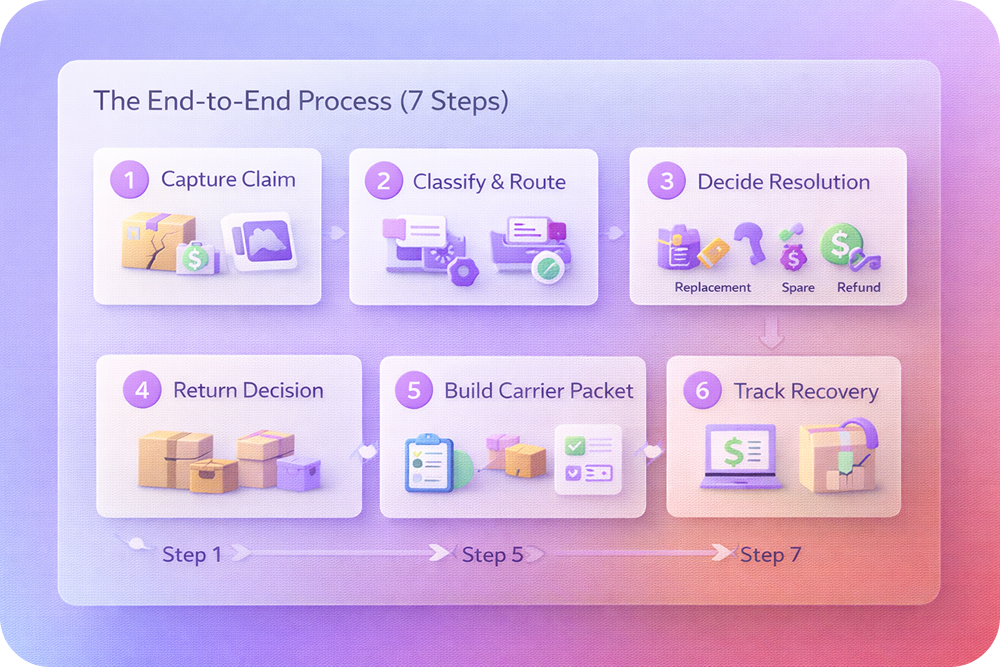
Building a Damage Response System
For businesses, having a structured process is crucial.
Create a Checklist
- Inspection protocol
- Documentation steps
- Claim submission guidelines
Train Your Team
Ensure everyone knows how to handle damaged shipments efficiently.
Track Data
Monitor:
- Damage frequency
- Carrier performance
- Packaging effectiveness
This helps you improve over time.
Final Thoughts
Shipping damage is frustrating—but it doesn’t have to be overwhelming.
By acting quickly, documenting thoroughly, and understanding the claims process, you can significantly improve your chances of recovering losses. More importantly, by investing in better packaging and proactive strategies, you can reduce the likelihood of damage happening in the first place.
The key is preparation. When you know exactly what to do, even unexpected problems become manageable.
Whether you’re shipping one package or managing a large operation, mastering the claims process is an essential skill that protects both your bottom line and your reputation.