

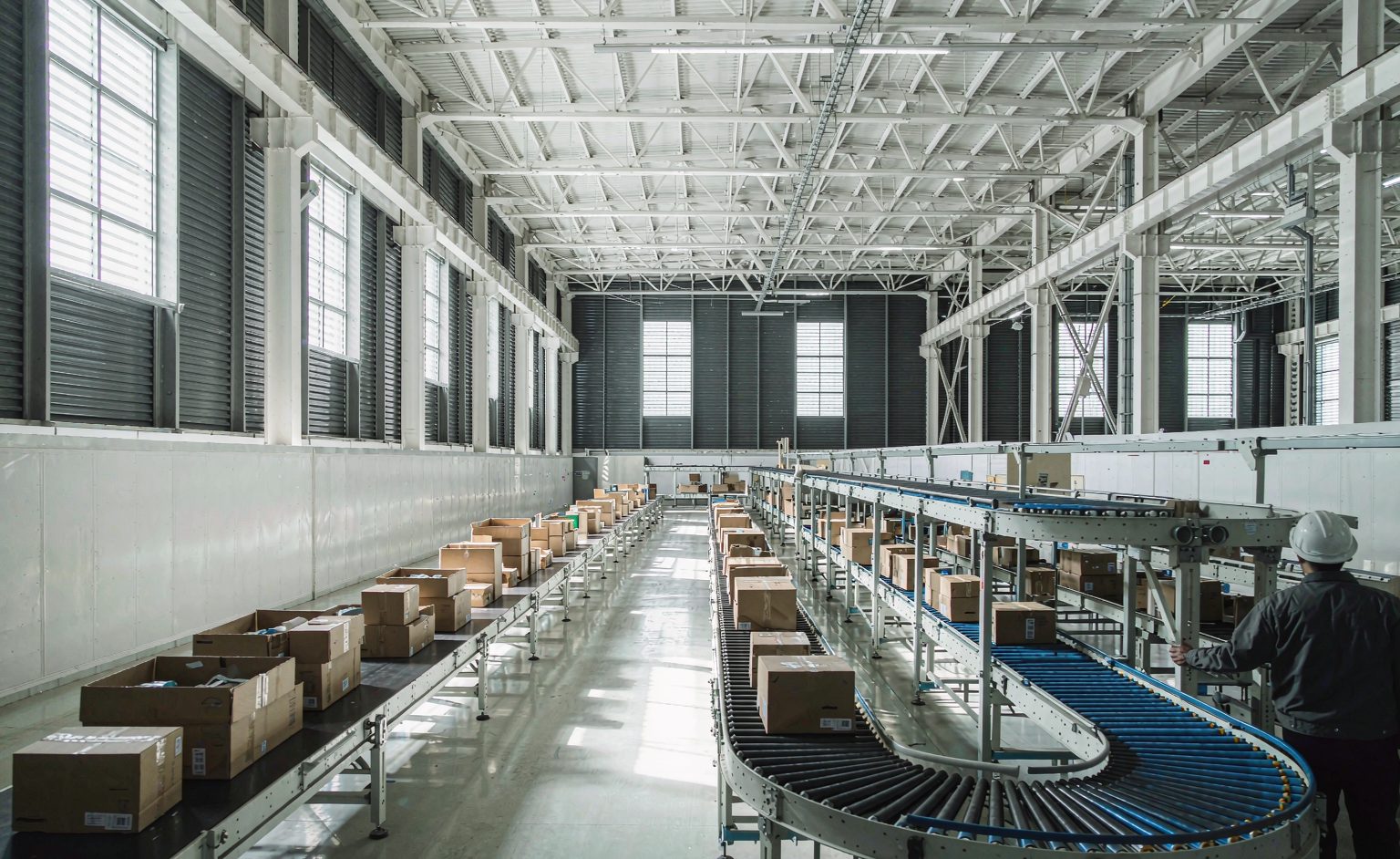
The logistics sector is rapidly transforming as automation becomes essential to meet the demands of e-commerce and global trade. Manual processes can no longer keep pace with rising parcel volumes and the need for faster, more accurate delivery.
Automated sorting systems, such as conveyors, DWS (dimensioning, weighing, scanning), and intelligent sorting walls, are helping warehouses boost efficiency while reducing labor costs and errors. These solutions enable higher throughput and real-time visibility, ensuring parcels move seamlessly through the supply chain.
At the same time, the integration of AI, IoT, and cloud-based platforms allows companies to optimize operations and improve customer experience. With sustainability in focus, automation also reduces waste and energy consumption, supporting greener logistics.
The future belongs to businesses that embrace automation—delivering smarter, faster, and more sustainable logistics services.
The Four Curves Automation Reshapes
“Automation reshapes the industry” is headline language; the reshaping happens on four specific curves, and each behaves differently:
| Curve | Manual baseline | Automated shift |
|---|---|---|
| Throughput per facility | Scales with headcount, caps out early | Scales with nameplate, steps up in modules |
| Cost per parcel | Rises with wage inflation | Falls with volume amortisation |
| Accuracy | Drifts with fatigue and turnover | Stable at 99.9%+ and auditable |
| Peak capacity | Hiring race every season | Designed headroom, rehearsed annually |
The fourth curve is the one that decides competitive position, because peaks are when customer promises are kept or broken. Capacity that exists only on paper is worse than no capacity at all — it raises expectations the operation then fails to meet, publicly. Mature operators publish their peak rehearsal: a full-rate test under production profile, with recovery plans for each failure mode, signed off before the season opens. That discipline, not the equipment badge, is what the reshaping looks like from the customer side. The equipment layers behind it are broken down in innovations in automated logistics equipment, and the structural demand behind the shift in why automated sorting demand keeps rising. Reference: logistics and material-handling equipment.
The Workforce Curve Nobody Charts
Beside the four curves sits a fifth that rarely makes the business case: the skill curve. Automation does not remove the workforce; it relocates it — fewer hands on induction, more eyes on dashboards, exceptions and maintenance. Facilities that plan the relocation keep their best people, because a sorter technician with a career path is exactly the induction veteran who already knows where the odd parcels come from. Facilities that do not plan it lose twice: the veterans leave with the tribal knowledge the software cannot capture, and the new roles get filled by strangers learning the building from scratch. The fix costs little and belongs in the original project plan: name the new roles early, train from within, and pay for the certification. Operations that do this report an unexpected dividend — their uptime improves, because the person who best understands the dirty corner of the parcel profile is now the one programming around it. Reshaping an industry, it turns out, includes reshaping its shift rosters.
The Global Lens
Read against the global landscape, this piece gains a second layer: the same automation logic is being adopted at three different speeds across regions, and the constraints that shape a European retrofit differ from a greenfield build. The regional adoption speeds puts those speeds side by side, and the direction they all point is the same one this article traces.