

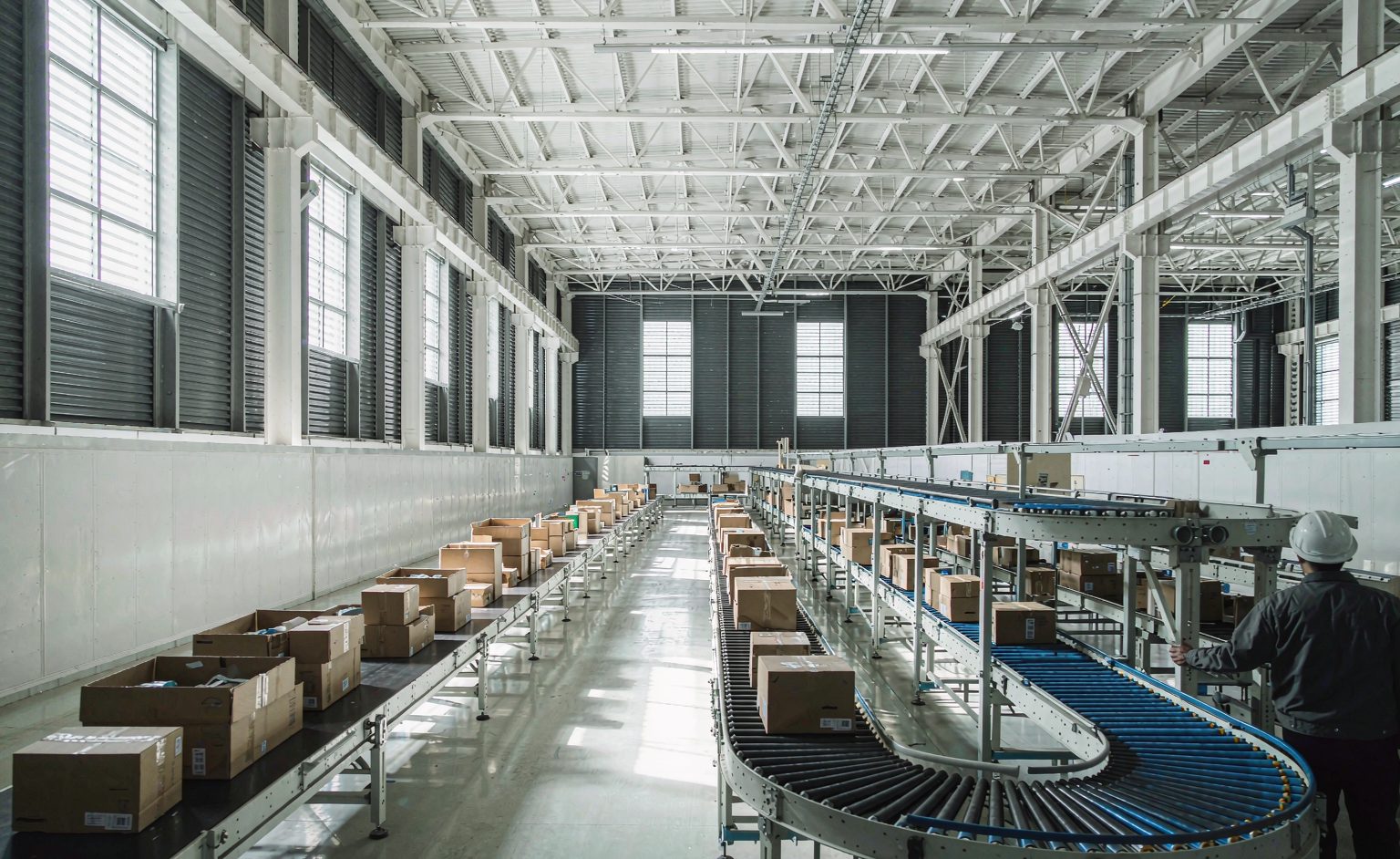
Innovations in automated logistics equipment are transforming the industry. Companies are adopting new technologies to optimize their operations, reduce costs, and meet the increasing expectations of speed and reliability.
advanced Sorting Systems
Electric sorting swivels are enhancing warehouse sorting precision. These advanced systems quickly and accurately direct packages and parcels to the correct destinations, reducing manual errors and increasing throughput.
Advanced Conveyor Solutions
Modern warehouses rely on sophisticated conveyor technologies like telescopic belt conveyors and spiral chutes. These systems enable efficient movement and sorting of goods, optimizing workflows and minimizing human intervention.
Customized Integration
One of the key trends is the integration of customized logistics systems. Solutions are increasingly tailored to meet specific operational requirements, ensuring smooth incorporation into existing infrastructure.
Four Layers Where Innovation Actually Lands
Equipment innovation arrives as marketing before it arrives as metal. Sorting buyers do better to ask which layer of the system changed, because the layers mature at very different speeds:
| Layer | Recent shift | Buyer-visible result |
|---|---|---|
| Sensing | Cheap depth cameras replace single-point photo-eyes | Fewer jams from untracked geometry |
| Drive | Direct drive and linear motors cut moving parts | Lower maintenance hours per thousand cycles |
| Control | Distributed intelligence per segment | One failed segment degrades, never stops, the loop |
| Software | Destinations and rules move into configuration | New lanes live in hours, not engineering days |
Software is the layer where innovation compounds fastest and is verified hardest. A vendor demo shows a new destination created in minutes — what the demo cannot show is whether that destination inherits the correct exception rules, label formats and carrier hand-off logic at 3 a.m. on a peak night. The practical test is to ask which changes require their engineers and which yours can make: the answer draws the real boundary of the innovation, and the service contract that follows should price that boundary honestly. The industry context is in how automation is reshaping logistics, and the demand drivers behind the investment wave in the rising demand for automated sorting. Reference: industrial automation and machine vision.
Reading a Roadmap Without Getting Lost in It
Vendor roadmaps bundle the four layers into one timeline, but the layers ship on different credibility. A safe reading order: trust the drive and sensing items that are already shipping — ask to see them running at a reference site, at your profile, in your climate. Treat control-layer items as contracts in progress — distributed segment intelligence is real, but the fallback behaviour varies between vendors, so test it live by pulling power to one segment during FAT. Discount software items until they have a version number and a changelog; roadmap software is a wish with a delivery quarter. The discipline costs a procurement afternoon and saves the classic disappointment: buying today’s box for tomorrow’s slide. It also reframes the vendor conversation — good suppliers answer layer-by-layer without flinching, because their roadmap is a plan, while the weak ones need the fog. Your equipment decisions deserve the same clarity your customers expect from your delivery promises.
Guide index: related reading
- Logistics Equipment Upgrade Guide: Why Choose a Cross-Belt Sorter Over Other Tec
- Enhancing Logistics Efficiency: Innovations in Sorting Technology and Future Tre
- Automated Sorting Technology: reshaping the Warehouse and Logistics Indust
- Advancing Logistics Efficiency with Automated Sorting Solutions
- How Automated Sorting Systems Are Transforming the Future of Logistics
- How Automated Sorting Solutions Are Transforming Global Logistics
- Automated sorting technology,The Future of Logistics
- How to Choose the Right Automated Sorting Equipment for Your Business?
- Future Trends and Technological Innovations in Automated Sorting Equipment for L
- How an Automated Sorting System Can Optimize Logistics Operations