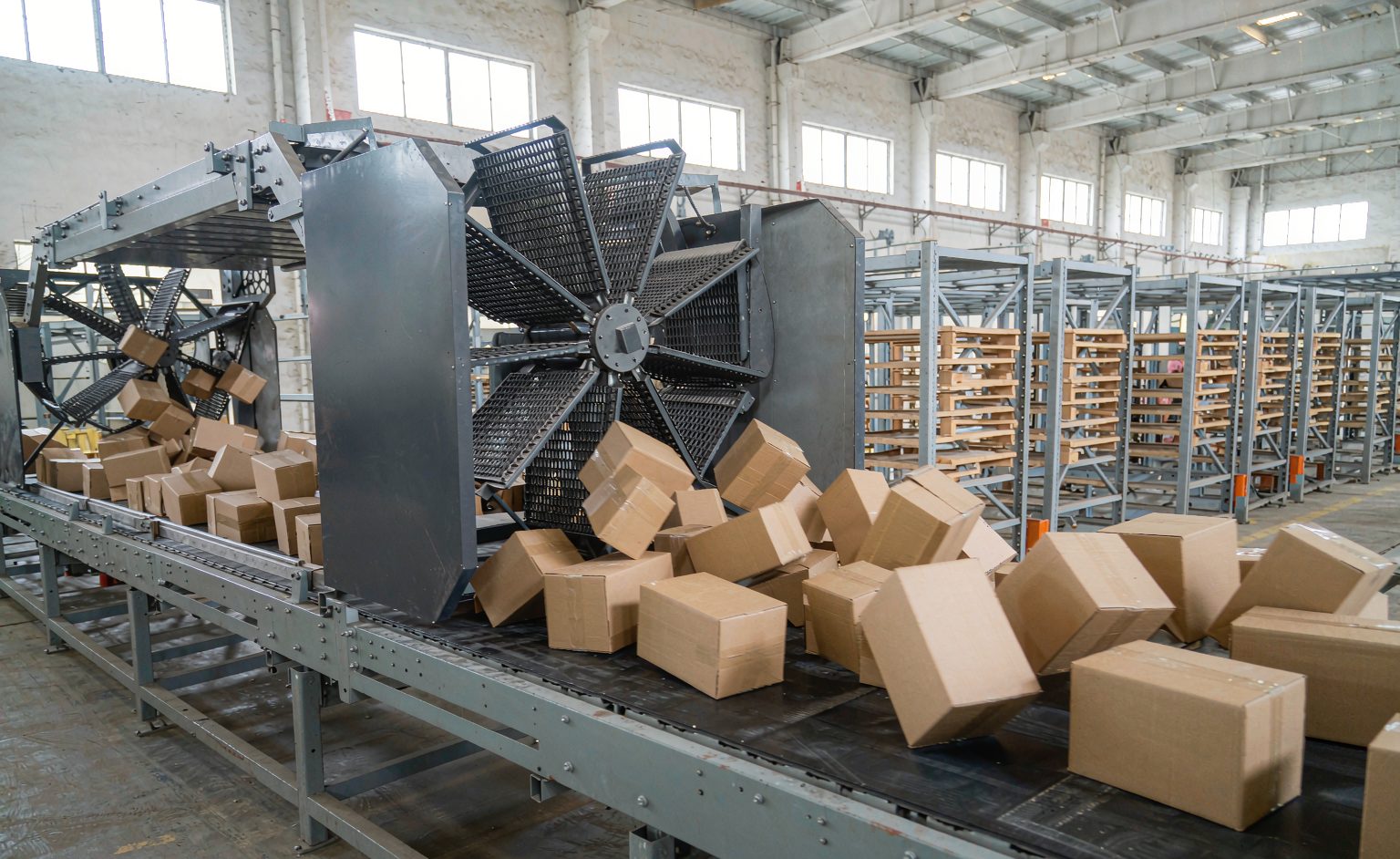


In high-speed logistics facilities and postal networks, an automated sortation line is the heart of the operation. When the main sorter goes down, the entire warehouse halts, quickly resulting in backlogs, missed carrier cut-offs, and delayed customer deliveries. During peak promotional seasons, an hour of unscheduled downtime can cost a facility thousands of dollars in lost throughput.
To protect your warehouse uptime, your facility must transition from a reactive “run-to-fail” strategy to a proactive, structured program. This guide provides a comprehensive, engineering-grade preventive maintenance checklist to help you understand how to maintain a cross belt sorter, manage your technical inventory of critical spare parts, and protect your long-term return on investment.
—
Section 1: Daily Maintenance Checklist (Visual and Auditory Audits)
Daily maintenance consists of non-invasive visual and auditory checks performed prior to or at the start of every operational shift. These tasks are designed to catch mechanical wear before it escalates into a component failure.
1. Auditory Track Sweep
Run the cross belt sorter loop at a slow “jog” speed (typically 0.2 to 0.5 m/s) and have a technician walk alongside the track. Listen for unusual squeaking, grinding, or rattling sounds. Squeaking typically indicates a worn wheel bearing, while metallic grinding suggests a loose carriage link or a misaligned component dragging against the steel frame.
2. Optical Sensor and Scanner Lens Inspections
A sorting line is only as fast as its data capture. Dust, cardboard lint, and adhesive residue can accumulate on the lenses of photoelectric sensors and barcode cameras, causing scan failures (“no-reads”).
- Clean the lenses of all scanning cameras and dimensioning sensors daily using a lint-free static-free cloth and an approved optical lens cleaner.
- Wipe the reflective faces of photo-eyes at the induction, divert, and recirculation points.
- Verify that the alignment lights on all photo-eyes are solid and green, indicating no beam drift.
3. Track Rail and Debris Sweeps
Debris (such as loose packing tape, plastic wrap, or cardboard scraps) can fall into the sorter track. If left uncleaned, this debris can wrap around carrier wheels or accumulate on the drive motors, causing increased friction, motor current draw anomalies, and eventual component failures.
—
Section 2: Weekly Maintenance Checklist (Mechanical and Electrical Systems)
Weekly tasks require shutting down the sorter and utilizing proper Lockout/Tagout (LOTO) safety procedures to physically inspect the electrical contacts and mechanical components.
1. Busbar and sliding contact inspections
Onboard carrier motors receive power through continuous copper busbars. Over time, friction from sliding carbon brushes creates carbon dust that can accumulate inside the busbar channel, causing electrical tracking, arcing, and intermittent power drops.
Electrical Contact Checklist:
- Inspect the copper busbars for carbon build-up, pitting, or surface corrosion. Clean the tracks using a dry, non-abrasive pad.
- Measure the length of the sliding carbon brushes on several test carriers. Replace the carbon brushes if they have worn down to 50% of their original length.
- Verify that the spring tension on the brush holder assemblies is sufficient to maintain steady physical contact with the copper rails.
2. Carrier Wheel and Guide Roller Audits
Inspect the polyurethane-coated wheels on several carriers. Look for flat spots, cracks, or signs of material separation (delamination). Flat spots typically occur when a wheel bearing freezes, forcing the wheel to slide along the rail instead of rolling. Replace any wheels that show signs of uneven wear or bearings that do not rotate smoothly.
—
Section 3: Monthly Maintenance Checklist (Tension and Calibration)
Monthly tasks focus on checking structural component tolerances, measuring electrical parameters, and verifying sensor calibration.
1. Carrier Belt Tension Adjustments
Each individual TR500-1100 cross belt sorter carrier conveyor belt must maintain correct physical tension. If a belt stretches and becomes loose, it will slip on the drive rollers during parcel discharge, causing mis-sorts. If a belt is too tight, it will place excessive load on the onboard 24V or 48V DC brushless motor, leading to motor burnout.
Check the belt deflection on each carrier using a tension gauge. If the deflection exceeds the manufacturer’s specified range, tighten the adjustment screws on the carrier frame to restore optimal tension.

2. Motor Current Draw and Temperature Audits
Use a thermal imaging camera or infrared thermometer to scan the stator blocks of the main Linear Synchronous Motors (LSM) and the onboard carrier motors while the system is operating under load. Abnormally high temperatures indicate mechanical binding, electrical shorting, or excessive friction in the carrier chain track.
3. Dynamic PLC Tracking Recalibration
Over time, mechanical stretch in the driving chains or slight variations in wheel tracking can cause small tracking deviations. Technicians should run a calibration batch of test packages through the sorter and analyze the exact microsecond trigger timing of the diverts in the PLC control software. If drift is detected, perform a dynamic recalibration to ensure the WCS aligns package discharge points precisely with target chutes.
—
Section 4: Quarterly & Annual Preventive Maintenance (Structural Integrity)
Quarterly and annual procedures focus on the structural integrity of the main frame, steel guide rails, and high-frequency communication systems.
1. Linear Synchronous Motor (LSM) Air-Gap Calibration
For systems utilizing Linear Synchronous Motors (LSM) for propulsion, the physical clearance gap between the stationary stator blocks on the track and the permanent magnets mounted on the carriers is extremely tight—typically between 1.5mm and 2.5mm.
Use a non-magnetic feeler gauge to measure this gap at multiple points along the track. If the gap has drifted beyond the specified tolerance (typically +/- 0.2mm), adjust the stator mounting brackets to prevent the carriers from physically scraping or colliding with the stators.
2. Structural Frame Torque Checks
High-speed sortation lines experience continuous vibrations. Once a year, use a calibrated torque wrench to verify that all structural bolts (especially those on rail joins, stator mounts, and support legs) are torqued to the manufacturer’s specified values.
Performance Note: Sorter throughput is highly dependent on system design and integration. While a structured preventive maintenance program is essential, actual system performance is heavily influenced by package profiles, scan rates, and the physical flow of goods through the facility.
—
Section 5: Essential Spare Parts Strategy for B2B Operations
To minimize downtime when a component fails, your facility must maintain an active on-site inventory of critical spare parts. Relying on emergency shipments from manufacturers during peak seasons is a high-risk strategy that can lead to days of operational downtime.
🛠️ Recommended On-Site Spare Parts Inventory
- Replacement Carrier Assembly: Keep 2 to 5 complete, pre-assembled carrier carriages in stock. If a carrier fails, technicians can swap the entire carriage in under 10 minutes and repair the failed unit in the workshop.
- polyurethane Wheels and Bearings: Keep a high volume of wheels and guide rollers in stock, as these are the primary wearing mechanical parts.
- Sliding Carbon Brushes: Maintain an inventory of replacement carbon brushes equivalent to at least 20% of the total number of brushes installed on the loop.
- Onboard Carrier Motors & Belts: Keep spare 24V/48V DC brushless motorized rollers and replacement carrier belts in stock.
- Optical Sensors & Cable Assemblies: Stock replacement photo-eyes, proximity sensors, and connector cables to quickly resolve communication errors.
Partnering with an experienced manufacturer that specializes in custom engineering—such as TrueliSort—ensures that you have access to a reliable supply of compatible replacement parts and professional technical support when you need it.
—
Section 6: Comprehensive Maintenance Troubleshooting & Intervals
The table below provides a structured troubleshooting guide to assist your facility’s maintenance technicians in identifying, diagnosing, and resolving common cross belt sorter issues.
| Symptom | Root Cause | Corrective Maintenance Action |
|---|---|---|
| Squeaking or chirping sound from the track loop | Worn or unlubricated carrier wheel bearing. | Isolate the affected carrier carriage; replace the worn polyurethane wheel and bearing assembly. |
| Intermittent power drops to specific carriers | Carbon build-up in the busbar; worn sliding carbon brush. | Clean the copper busbar track with a dry, non-abrasive pad; inspect and replace the carbon brush. |
| Carrier belt slips during parcel discharge | Insufficient carrier belt tension; worn belt surface. | Tighten the carrier belt adjustment screws to restore tension; replace the belt if the surface friction is lost. |
| Frequent “no-read” barcode errors | Dirty optical lenses; photo-eye beam misalignment. | Wipe all scanner and sensor lenses with an optical-grade static-free cloth; check and realign photo-eyes. |
When a maintenance schedule keeps flagging the same fault — belt tracking drift, missed discharges, or rising mis-sort rates — the root cause is often a belt architecture mismatch rather than a maintenance lapse. Before adding another inspection round to the checklist, confirm whether a cross belt or narrow belt sorter actually fits your package mix and throughput target: the cross belt vs narrow belt sorter comparison guide sets out the carrier design, parcel profile, and throughput differences side by side.
—
Frequently Asked Questions
Q1: How often should carrier belt tension be adjusted on a cross belt sorter?
Carrier belt tension should be inspected monthly. If a belt has stretched beyond its specified tolerance, causing slippage during parcel discharge, the adjustment screw on the carrier frame must be tightened to restore optimal tension.
Q2: What are the wear limits for carbon brushes in a busbar-powered sorter?
Carbon brushes should be replaced when they have worn down to 50% of their original length. Operating with overly worn brushes can cause electrical arcing, pitting on the copper busbar track, and intermittent power drops to the carrier motors.
Q3: What is the recommended air-gap tolerance for a Linear Synchronous Motor (LSM) drive?
The recommended clearance gap between the stationary stator blocks and the permanent magnets on the carriers is typically 2.0 mm, with an acceptable operational tolerance of +/- 0.2 mm. Checking this gap with a non-magnetic gauge is a critical quarterly maintenance task.
Q4: How does dynamic recalibration of the tracking sensors prevent mis-sorts?
Over time, mechanical stretch in the driving chains or slight variations in wheel tracking can cause small tracking deviations. Dynamic software recalibration allows the PLC to adjust the exact microsecond trigger timing of the diverts, compensating for these physical variances and maintaining high sorting accuracy.
—
Plan Your Parcel Sorting Automation Project
Ready to design an optimized, high-reliability automated sorting system or replace aging sorter components in your existing facility? Our experienced engineering team can help you analyze your operational requirements and select the right components for your system.
TrueliSort is a manufacturer and system solution provider specializing in customized parcel sorting systems, offering factory-direct design, manufacturing, and on-site support.
Contact our engineering team to plan your project or email us directly at business@truelisort.com to schedule a technical consultation.