

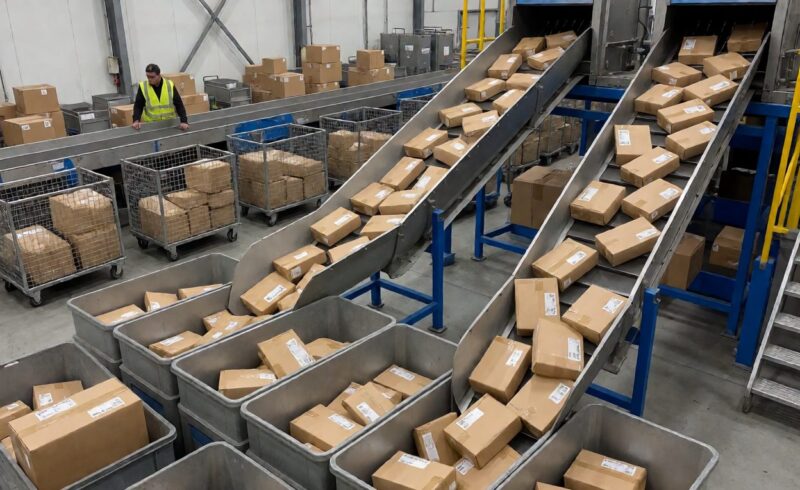
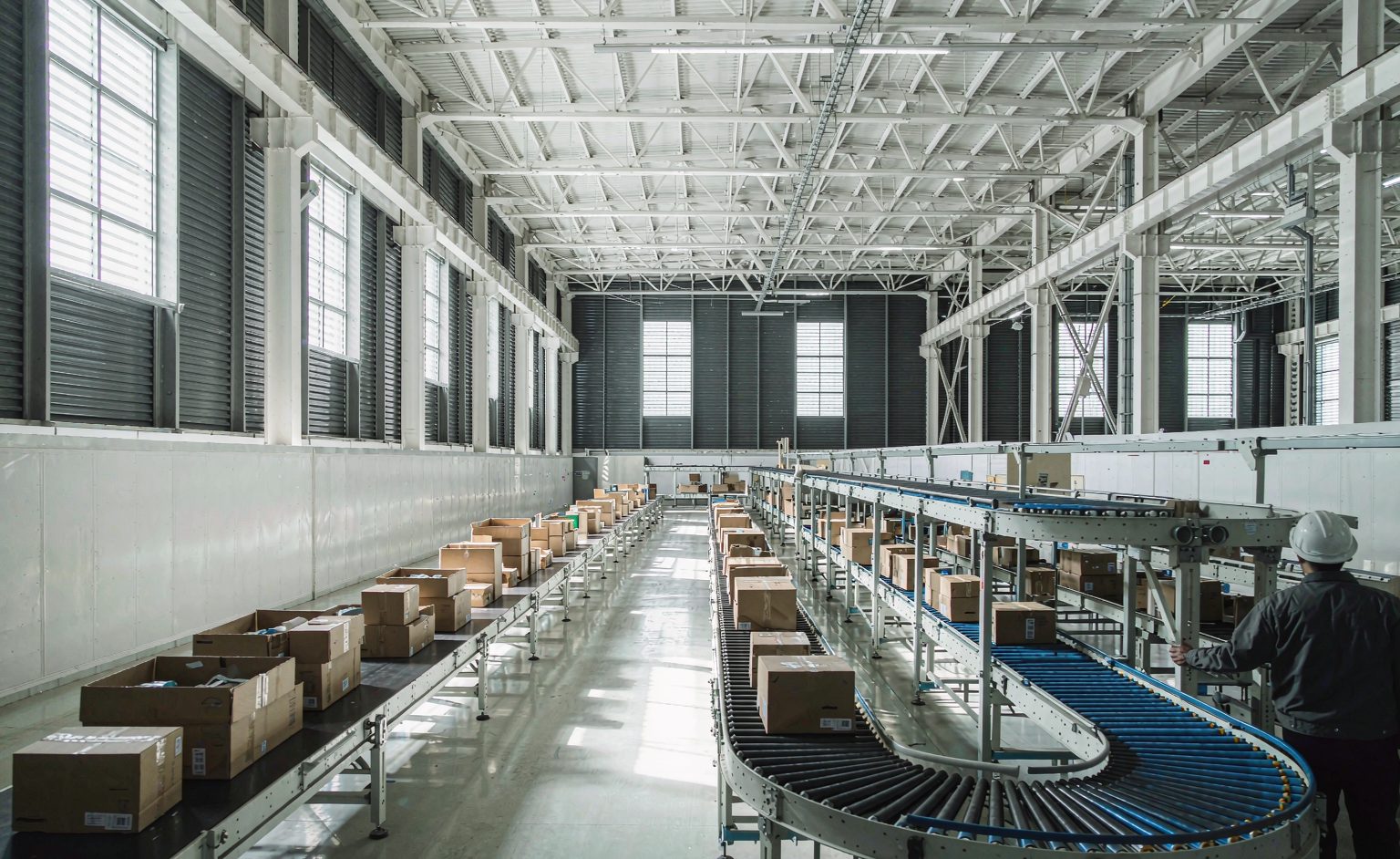
With the explosive growth of e-commerce and increasing consumer demands for fast delivery, the logistics industry is undergoing unprecedented transformation. Automated sorting equipment, as the core of modern logistics systems, is driving the sector toward greater efficiency and intelligence through continuous technological innovation.
1. Integration of Artificial Intelligence and Machine Vision
Modern automated sorting systems increasingly incorporate artificial intelligence (AI) and machine vision technologies to rapidly identify and accurately sort packages. Leveraging deep learning algorithms, these systems can automatically recognize various shapes, sizes, and barcode information, improving sorting accuracy and speed while reducing human errors.
2. Modular Design for Enhanced Flexibility
To meet diverse logistics demands, modular automated sorting equipment is becoming mainstream. Users can flexibly combine modules based on warehouse space and sorting volume, enabling quick expansion or reconfiguration while significantly lowering initial investment and future upgrade costs.
3. Green Energy Efficiency and Smart Control
Next-generation sorting equipment emphasizes energy conservation and environmental sustainability through intelligent control systems. By analyzing data and real-time monitoring, these systems optimize operating speed and power consumption, achieving low-carbon operation aligned with green logistics initiatives.
4. Multi-Channel Collaborative Sorting
The diversification of e-commerce channels has spurred the need for multi-channel collaborative sorting capabilities. Equipment now supports mixed handling of various package types, meeting the demands of express delivery, retail, and warehousing scenarios to boost overall order processing efficiency.
Conclusion
Automated sorting equipment in logistics is rapidly evolving toward intelligence, flexibility, and eco-friendliness. By leveraging new technologies, companies not only enhance operational efficiency but also significantly improve customer experience, ushering in a new era for the logistics industry.
Future Trends Worth Preparing For: The Building Blocks Already Here
Future-focused warehouse articles orbit distant technologies. The trends worth preparing for are built from blocks already shipping:
| Future narrative | Building block available now | Preparation that pays |
|---|---|---|
| “Lights-out warehouse” | Reliable divert hardware, remote telemetry | Buy systems whose health reports itself |
| “AI-run operations” | Exception analytics, rule recommendations | Keep clean event data from day one |
| “Fully flexible networks” | Software-defined destinations, API control | Insist on open interfaces now |
| “Sustainable logistics” | Load-optimising sort profiles | Track volume per vehicle from today |
The pattern across rows: each grand narrative descends to a procurement decision available this quarter, and the operations that make those decisions accumulate the future as a side effect. Insisting on open interfaces costs nothing when the vendor is confident and reveals much when they are not; keeping clean event data requires discipline rather than budget; buying self-reporting systems costs the same as mute ones and pays back in maintenance years. Technological futures arrive unevenly — by site, by market, by budget cycle — but they arrive built from these blocks, and the warehouses that own the blocks meet each wave partway. The inverse also holds: skipping the blocks does not defer the future, it merely charges full price for it later, as retrofits and migrations. The capability trajectory is charted in where sorter capability heads, and the equipment blocks in equipment innovations. Reference: emerging technologies and interoperability.
The building blocks also reward an inventory: score your current estate against the four blocks — open interfaces, clean events, self-reporting health, defined destinations — and the gap list is your actual future-readiness plan, cheaper than any trend report and specific to your site. Reference: gap analysis and standards readiness.