

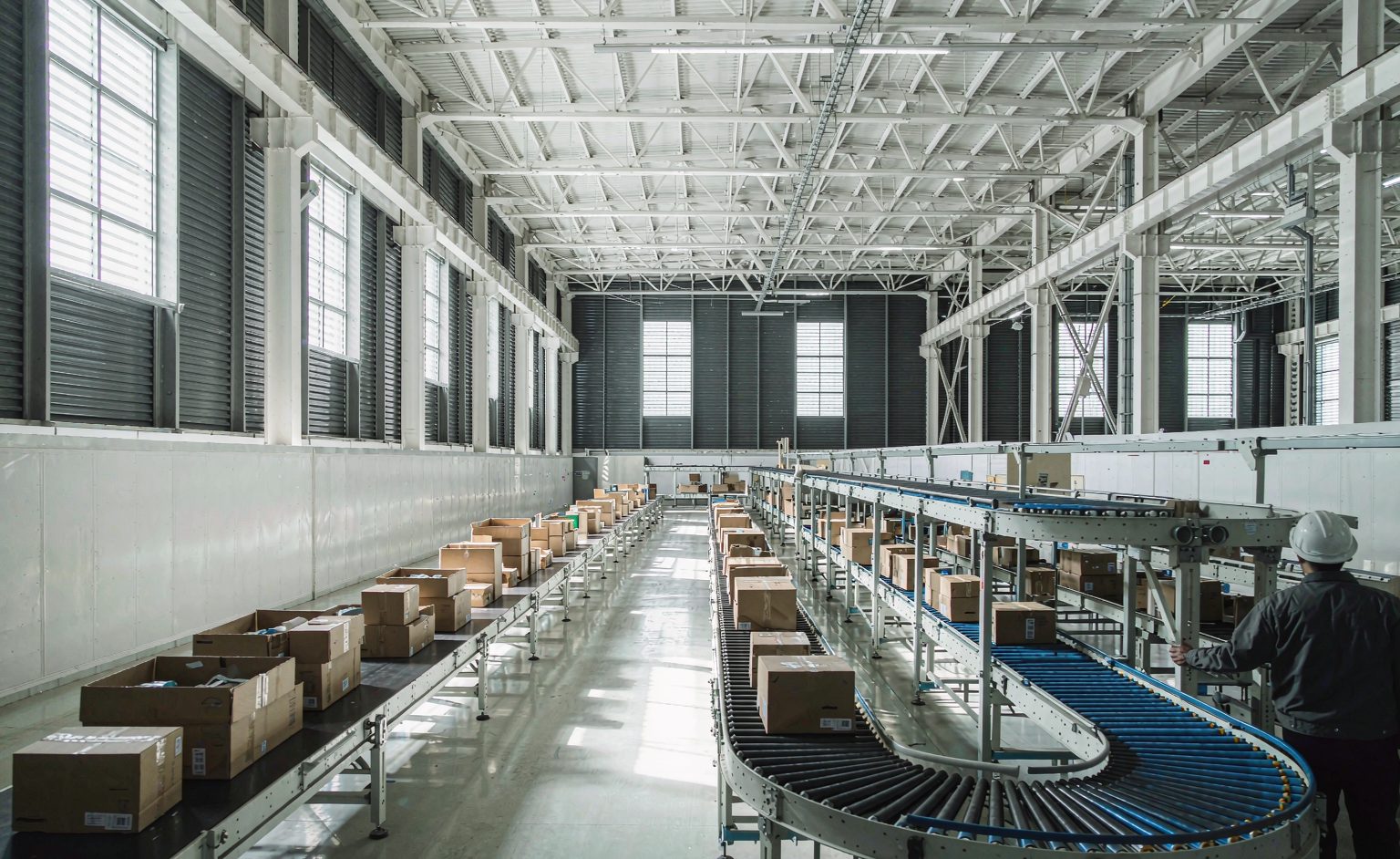
In today’s fast-paced logistics industry, efficiency is everything. With the rapid growth of global e-commerce and the increasing demand for quick and accurate order fulfillment, automated sorting systems have become a game-changer for warehouses and distribution centers around the world. Automated sorting technology helps companies handle thousands of parcels per hour with precision and reliability. Unlike manual sorting, which is time-consuming and error-prone, intelligent systems use sensors, scanners, and conveyors to identify, classify, and route packages automatically. This not only boosts productivity but also reduces labor costs and minimizes human error. At **TRUELISORT**, we design and manufacture advanced sorting equipment tailored for various logistics applications — from narrow-belt sorters and wheel sorters to fully automated sorting lines. Our solutions are built to ensure smooth operation, stable performance, and easy integration with warehouse management systems. Beyond efficiency, automation also brings flexibility. With modular designs and scalable layouts, sorting systems can easily adapt to changing business volumes and different package types. Whether it’s a local courier hub or a large e-commerce fulfillment center, automation helps businesses stay competitive and meet customer expectations for fast delivery. As logistics continues to evolve, the future will belong to those who embrace intelligent automation. Investing in the right sorting technology is not just about improving operations — it’s about building a smarter, more resilient supply chain. ? **TRUELISORT – Your Partner in Smart Sorting Solutions** ? [truelilogistics@163.com](mailto:truelilogistics@163.com) | ? [www.truelisort.com](#)
Transformation You Can Schedule: The Quiet Wins Before Go-Live
Transformation stories climax at go-live, but half the value is banked before the first parcel runs:
| Pre-go-live activity | Quiet win it banks | What skipping it costs |
|---|---|---|
| Profile data sampling | Design reflects your parcels, not averages | Rate claims fail at your mix |
| Procedure documentation | Training starts before the machine arrives | Slow ramp after install |
| Exception role design | Staff know their post-depart duties | Confusion at first jam |
| Rehearsal profiles | Peak behaviour tested, not hoped | Peak discovered at peak |
The documentation row is the cheapest and most neglected. Operations that write their standard procedures during design freeze — while decisions are fresh and reasons are known — start training weeks before hardware arrives, and their go-live looks like a rehearsal rather than a premiere. The exception-role row compounds it: a sorter’s value depends on how quickly humans resolve what it flags, and that resolution speed is designed, not improvised. Scheduling these quiet wins onto the project calendar converts transformation from an event into a sequence — and sequences can be scheduled, resourced and audited, which is precisely why the operations that treat them as deliverables report smoother first months than those that treat them as padding. The greener-faster endgame is in smarter, faster, greener, and the equipment behind it in equipment innovations. Reference: acceptance testing and production scheduling.
The quiet wins also need named owners — documentation, exception roles, rehearsal profiles — because deliverables without owners are wishes. A RACI line per pre-go-live activity, agreed at kickoff, is the difference between a checklist and a plan. Reference: RACI matrices and accountability structures.