

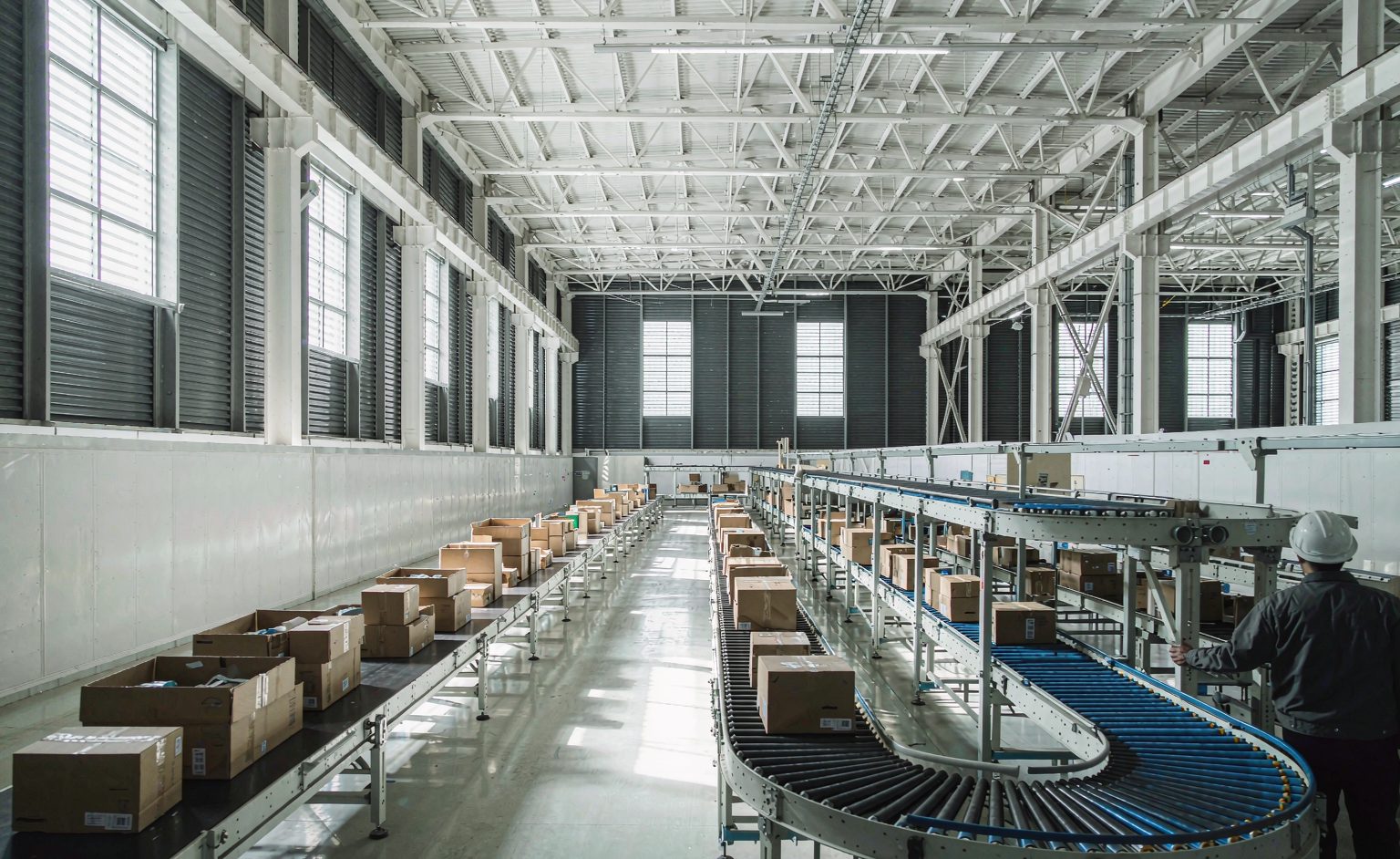
As logistics operations grow, automated sorting equipment becomes a critical investment to improve efficiency. Selecting the right sorting system can save labor costs and boost order processing speed and accuracy. Here are key factors businesses should consider when making a purchase.
1. Sorting Capacity and Speed
Businesses need to choose sorting equipment according to their scale and package volumes. High-speed systems suit large batch processing, while small to medium enterprises might prefer modular systems that offer flexibility for fluctuating demand.
2. Compatibility with Package Types
Sorting equipment should accommodate different package sizes, weights, and shapes typical to the business to avoid bottlenecks and inefficiencies caused by equipment limitations.
3. Level of Automation and Intelligence
Smart sorting equipment equipped with advanced software can enable automatic route planning, real-time monitoring, and fault alerts, reducing manual intervention and improving management efficiency and system stability.
4. Maintenance and After-Sales Service
Maintenance costs and after-sales support are vital considerations. Choose suppliers with strong technical support, timely spare parts availability, and quick service response to ensure long-term stable operation.
5. Return on Investment (ROI)
Evaluate the total cost of ownership including equipment cost, operational efficiency gains, and labor savings to ensure the automated sorting system delivers tangible economic benefits within a reasonable ROI period.
Choosing by Failure Mode: The Questions Buyers Forget to Ask
Equipment selection usually asks what a system can do. Asking how it fails predicts ownership better:
| Failure mode | How it presents | Question that surfaces it pre-purchase |
|---|---|---|
| Jam-prone geometries | Micro-stops clustered at one transfer | Where did your last three installations log most stops? |
| Software lock-in | Every change needs vendor labour | What can my team change without a ticket? |
| Profile brittleness | Accuracy drops when parcel mix shifts | Show accuracy at a mix unlike your demo |
| Parts dependence | Weeks of downtime on one failed board | Which spares ship same-day, which boat? |
The profile-brittleness row deserves emphasis because it hides inside every demonstration. Vendors naturally demo on a mix that flatters their design; the informative test is accuracy on a mix deliberately unlike it — heavier, softer, longer than the showcase parcels. Buyers who request this get one of two valuable answers: a confident yes with data, which builds trust, or a hesitation, which is worth more than any brochure. The failure-mode framing also changes warranty conversations: coverage that spells out response time per failure class is worth more than a longer headline period with vague terms. Selection built this way tends to be slower on the front end and uneventful afterward — which is the point. The value framing behind each question is in how sorters create business value, and the capability map in where sorter capability is heading. Reference: due diligence and total cost of acquisition.
The four failure-mode questions also convert directly into a reference-visit observation sheet: at each site visited, watch the transfer the vendor names, ask the operators what they may change without a ticket, and request the accuracy log at an atypical mix. Observation answers what brochures cannot. Reference: field research and audit practice.