
The pharmaceutical supply chain is one of the most sensitive and tightly regulated logistics systems in the world. Unlike standard parcel distribution, pharmaceutical products—especially vaccines, biologics, and temperature-sensitive medications—require strict environmental control throughout storage, handling, and transportation.
Within this highly demanding ecosystem, automation plays a critical role. Among the most widely adopted technologies in modern distribution centers is the cross belt sorter, known for its speed, accuracy, and flexibility in high-volume sorting environments.
However, when applied to pharmaceutical cold chain logistics, cross belt systems face a very different set of challenges compared to standard e-commerce or retail operations. Temperature control, contamination risk, system reliability, and regulatory compliance all introduce layers of complexity that demand specialized engineering solutions.
This article explores how cross belt sorting systems operate in cold chain pharmaceutical environments, the challenges they face, and the innovations required to ensure safety, compliance, and efficiency.

1. Understanding Pharmaceutical Cold Chain Logistics
Pharmaceutical cold chain logistics refers to the end-to-end temperature-controlled supply chain required to transport and store sensitive medical products.
Common cold chain products include:
- Vaccines
- Insulin and diabetes medications
- Biopharmaceuticals
- Blood plasma products
- Clinical trial materials
- Temperature-sensitive diagnostic reagents
These products typically require storage conditions such as:
- 2°C to 8°C (refrigerated range)
- -20°C (frozen range)
- -70°C or lower (ultra-cold chain, in some cases)
Even brief exposure to incorrect temperatures can:
- Reduce efficacy
- Cause irreversible degradation
- Lead to regulatory non-compliance
- Result in financial loss or patient safety risks
Because of this, every step in the logistics chain must be tightly controlled—including sorting operations.
2. The Role of Cross Belt Sorters in Pharmaceutical Distribution
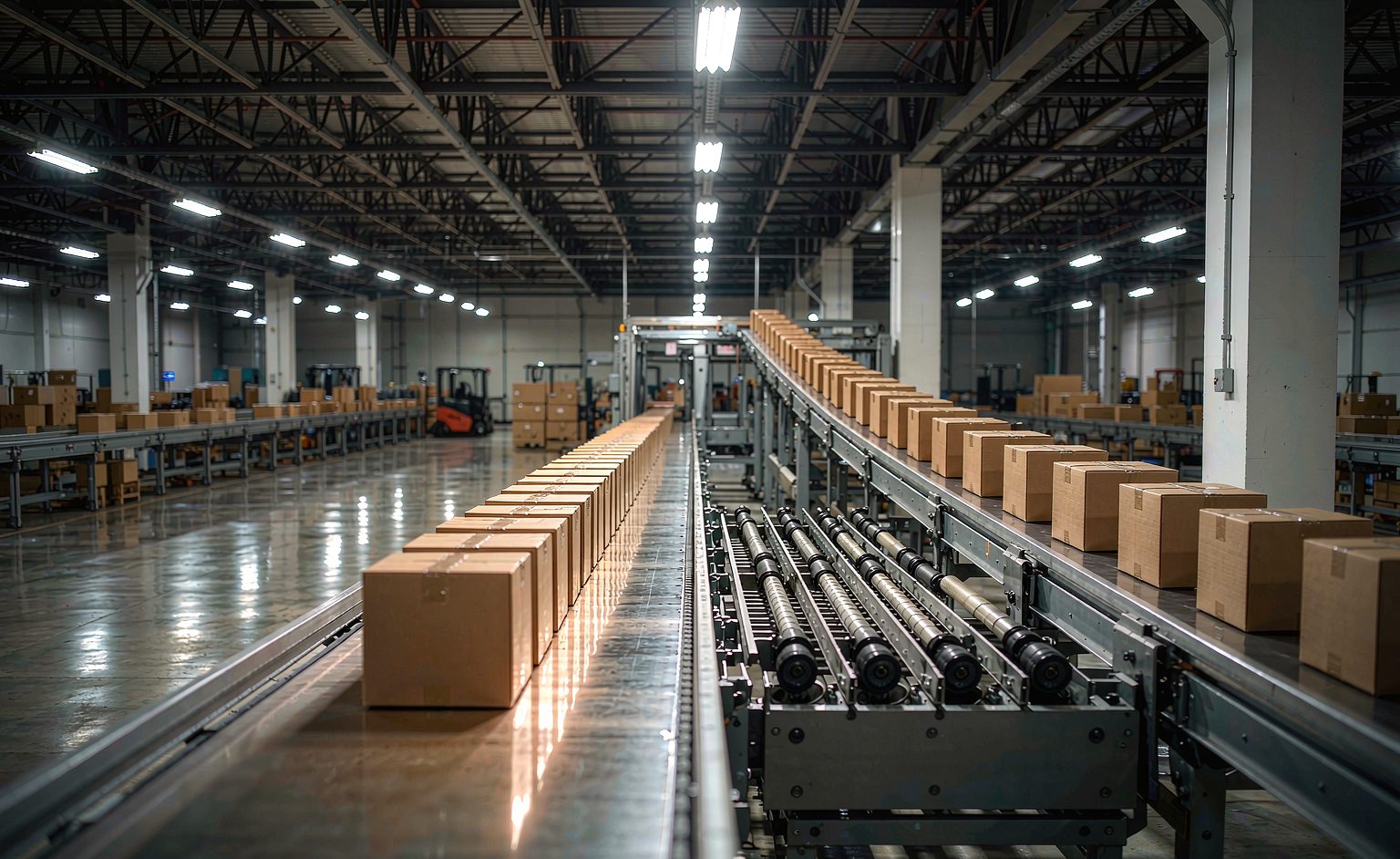
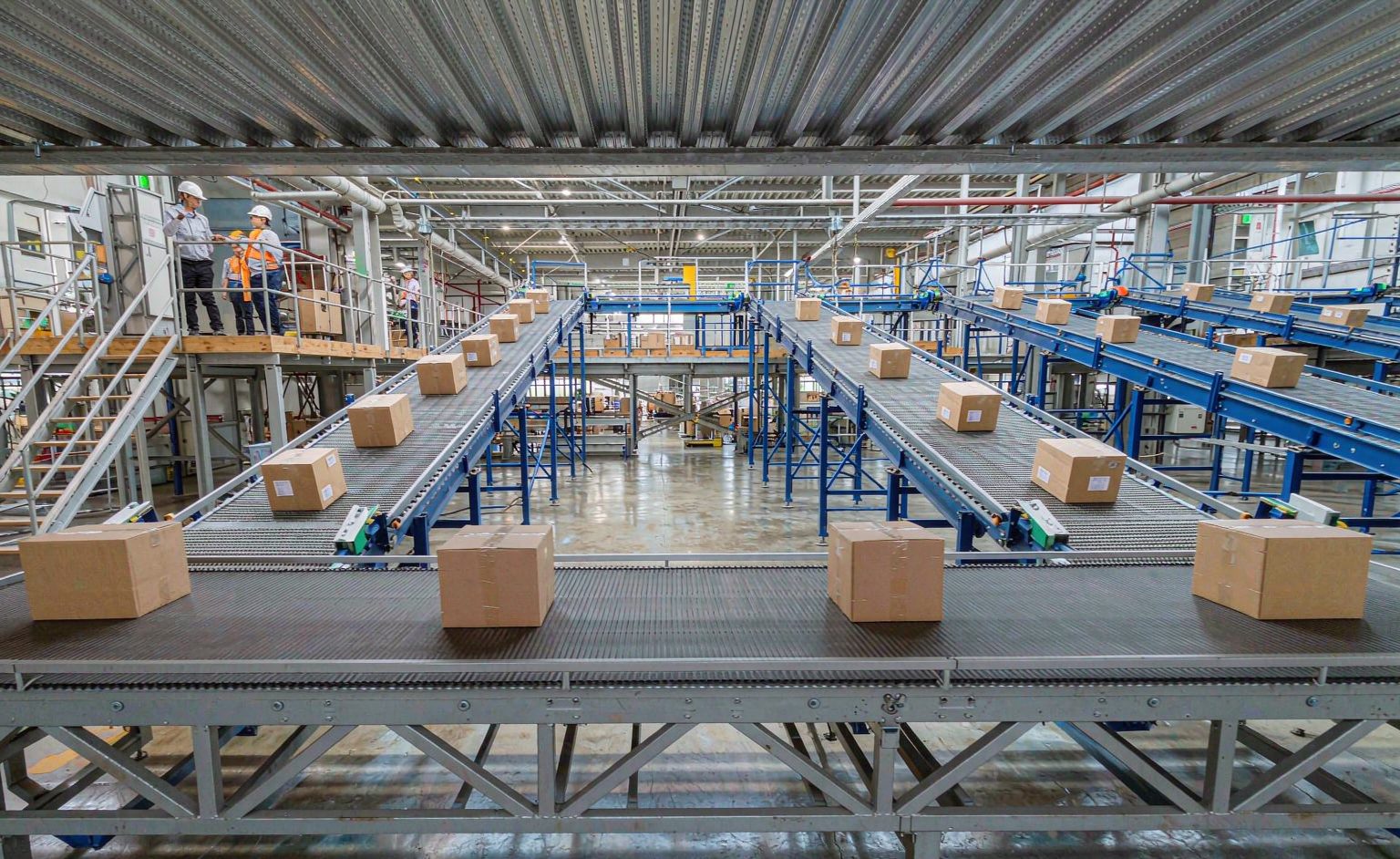
Cross belt sorters are automated systems where individual carriers move along a looped track, each equipped with a small conveyor belt that ejects items into designated chutes.
In pharmaceutical distribution centers, they are used for:
- Order consolidation
- Regional distribution sorting
- Hospital and pharmacy delivery routing
- High-throughput cold chain parcel handling
Their advantages include:
- High-speed sorting accuracy
- Gentle handling of packaged goods
- Scalable throughput capacity
- Integration with warehouse management systems (WMS)
However, applying this technology in cold chain environments introduces significant engineering constraints that do not exist in standard logistics operations.
3. The Core Challenge: Temperature Integrity vs Mechanical Operation
The most fundamental challenge in pharmaceutical cold chain sorting is maintaining temperature integrity during mechanical processing.
Cross belt systems are typically designed for ambient environments. Cold chain systems, however, must operate in controlled temperature zones.
This creates a conflict between:
- Mechanical efficiency
- Thermal stability
- Human accessibility
- Energy consumption
Even small temperature fluctuations can compromise product integrity.
Key risks include:
- Heat generated by motors and electronics
- Air exchange during loading/unloading
- Opening of insulated zones
- Friction-generated localized warming
Maintaining a stable environment while running high-speed mechanical systems is one of the most complex design problems in cold chain automation.
4. Condensation and Moisture Control Challenges
One of the most underestimated issues in cold chain cross belt systems is condensation.
When equipment operates in low-temperature environments, moisture can form on:
- Metal components
- Sensor surfaces
- Conveyor belts
- Electrical connectors
This leads to several operational risks:
1. Ice formation
Ice buildup can affect belt movement and mechanical precision.
2. Sensor interference
Moisture can disrupt optical scanning systems used for tracking.
3. Corrosion risk
Long-term exposure to condensation accelerates component degradation.
4. Slip and traction issues
Belt performance can be reduced under icy conditions.
To mitigate these issues, systems require:
- Dehumidification controls
- Thermal insulation layers
- Anti-condensation coatings
- Controlled airflow design
5. Material Handling in Sensitive Environments
Pharmaceutical products are often packaged in:
- Insulated boxes
- Gel-pack containers
- Temperature-stable cartons
- Multi-layer protective packaging
Cross belt systems must handle these without:
- Crushing insulation layers
- Disrupting thermal seals
- Causing vibration-induced damage
Unlike general parcel systems, pharmaceutical handling prioritizes:
Product integrity over throughput speed
This means mechanical acceleration, deceleration, and ejection forces must be carefully calibrated.
Even minor mechanical stress can compromise a product’s cold chain compliance.
6. Speed vs Temperature Exposure Tradeoff
In standard logistics, higher speed is always desirable.
In cold chain pharmaceutical sorting, speed introduces a paradox:
- Faster processing reduces total exposure time
- But faster mechanical motion increases heat generation
This creates a delicate balancing act between:
- System throughput
- Environmental stability
- Equipment heat output
Engineers must design systems that optimize:
- Short dwell time on ambient surfaces
- Minimal thermal leakage during sorting
- Efficient airflow management
7. HVAC Integration and Environmental Zoning
Cold chain cross belt systems are typically embedded within highly controlled HVAC environments.
These environments often include:
- Temperature-controlled sorting rooms
- Zoned cooling systems
- Airlock entry and exit points
- Pressure-controlled airflow systems
Key design objectives include:
1. Thermal zoning
Separating warm external zones from cold operational areas.
2. Airflow direction control
Preventing warm air infiltration into cold zones.
3. Humidity stabilization
Maintaining consistent relative humidity levels.
4. Energy-efficient cooling cycles
Balancing environmental control with operational cost.
Without precise HVAC integration, cold chain integrity cannot be guaranteed.
8. Regulatory Compliance Requirements
Pharmaceutical logistics is heavily regulated by agencies such as:
- FDA (United States)
- EMA (European Union)
- WHO guidelines
- GDP (Good Distribution Practice) standards
Cross belt systems used in cold chain environments must comply with requirements related to:
- Temperature monitoring
- Traceability of each package
- Audit-ready data logging
- Equipment validation protocols
- Cleaning and sanitation procedures
This means every movement within the system must be:
Fully traceable and auditable
Automation systems must integrate with compliance software platforms to ensure regulatory transparency.
9. Traceability and Data Integrity
In pharmaceutical logistics, traceability is not optional—it is mandatory.
Cross belt systems are increasingly integrated with:
- RFID tracking systems
- Barcode scanning networks
- Real-time WMS integration
- Cloud-based data logging platforms
Each parcel must have:
- A unique digital identity
- Temperature exposure history
- Movement path records
- Time-stamped processing data
This ensures that if a product is ever questioned, its entire journey can be reconstructed precisely.
10. Energy Consumption in Cold Environments
Cold chain systems are inherently energy-intensive due to continuous refrigeration requirements.
Cross belt systems add additional energy demands through:
- Motorized carriers
- Sensor networks
- Control systems
- Lighting and scanning equipment
Challenges include:
- Balancing cooling efficiency with mechanical load
- Preventing heat buildup from equipment operation
- Managing energy spikes during peak sorting periods
To address this, modern systems optimize:
- Motor efficiency
- Idle power reduction
- Smart load distribution
- Heat recovery from mechanical systems
11. Maintenance Complexity in Cold Chain Conditions
Maintenance in cold chain environments is significantly more complex than in standard warehouses.
Key challenges include:
- Limited human exposure time in cold zones
- Condensation-related wear
- Lubrication performance degradation at low temperatures
- Restricted maintenance windows due to product sensitivity
Maintenance strategies often include:
- Remote monitoring systems
- Predictive maintenance analytics
- Scheduled defrost cycles
- Specialized low-temperature lubricants
Unplanned downtime in cold chain environments is particularly costly due to product risk exposure.
12. System Reliability and Redundancy Design
Because pharmaceutical products are highly sensitive, system reliability must be extremely high.
Cross belt systems in cold chain environments often incorporate:
- Redundant power systems
- Backup control modules
- Parallel routing paths
- Emergency bypass conveyors
This ensures that even if one subsystem fails:
- Products continue moving
- Temperature exposure is minimized
- Operational continuity is preserved
Reliability is not just an efficiency goal—it is a safety requirement.
13. Handling High-Value and High-Risk Products
Pharmaceutical logistics often involves:
- High-cost biologics
- Time-sensitive vaccines
- Clinical trial samples
These products require:
- Extra handling precision
- Strict environmental stability
- Enhanced tracking accuracy
Cross belt systems reduce human handling, which minimizes:
- Contamination risk
- Physical damage
- Operational variability
This makes automation particularly valuable in high-risk logistics segments.
14. Human Factors in Cold Chain Operations
Despite automation, human operators remain essential.
However, cold environments introduce constraints:
- Limited working time due to temperature exposure
- Increased fatigue risk
- Reduced dexterity in cold conditions
Therefore, system design aims to:
- Minimize manual intervention
- Centralize control operations in warmer zones
- Automate exception handling wherever possible
Human roles shift from physical handling to system supervision.
15. Future Innovations in Cold Chain Cross Belt Systems
The next generation of systems is expected to include:
- AI-driven temperature optimization
- Fully enclosed robotic sorting environments
- Autonomous maintenance drones for inspection
- Digital twin simulation for cold chain modeling
- Advanced insulation-integrated conveyor designs
These innovations aim to reduce energy consumption while improving reliability and compliance.
Final Thoughts: Precision Engineering for Life-Critical Logistics
Pharmaceutical cold chain logistics is one of the most demanding environments in modern supply chain engineering. It requires a delicate balance between speed, accuracy, temperature control, and regulatory compliance.
Cross belt sorting systems play a vital role in this ecosystem, but their success depends on far more than mechanical performance alone. They must operate as part of a tightly controlled environmental, digital, and regulatory framework.
The challenges are significant:
- Temperature stability
- Moisture control
- Mechanical reliability
- Traceability requirements
- Energy efficiency constraints
Yet the benefits are equally significant.
When properly designed and integrated, cross belt systems enable pharmaceutical logistics networks to deliver critical medical products safely, efficiently, and at scale—helping ensure that life-saving treatments reach patients without compromise.
In this sense, these systems are not just part of logistics infrastructure—they are part of global healthcare reliability.
Key Takeaways
- Pharmaceutical Cold Chain in practice: the specifics above translate into checks you can run before the next purchase order or specification review.
- Where operations slip: most misses in this area come from skipped measurement rather than wrong intent — instrument the baseline and the priorities name themselves.
- One next step: pick the single recommendation above that costs least to test this week, and let its result sequence the rest.
For the broader context, see the trends shaping warehouse automation.