

A sorter is rarely the constraint in a sort hall. The constraint is the rate at which parcels arrive at it in a usable condition: singulated, spaced, oriented and identified. When a line underperforms its rating, the cause is usually upstream of the loop, in the infeed and induction arrangement feeding it. Getting that arrangement right is the single highest-leverage decision in the design, and it is a mix decision rather than a technology choice.
Most operating lines end up with both automated infeed and manual induction because each covers the other’s weakness. Automation sustains rate on a predictable, machine-readable parcel stream; people handle the irregular items that defeat machines. This article sets out how to size the split, what each side really costs, and where the break-even point sits.
What Automated Infeed Does Well
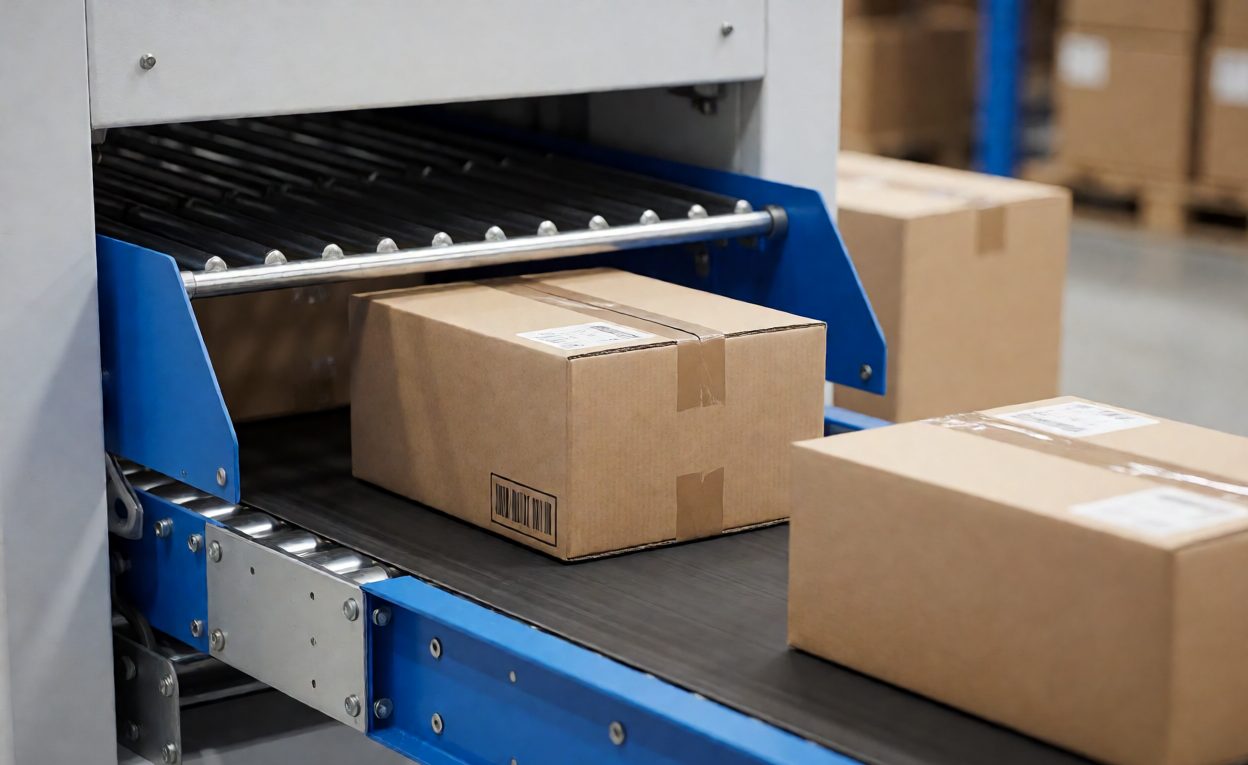
Automated infeed takes a bulk flow of parcels and delivers a singulated, spaced stream to the sorter at a rate the machine can consume. Three things make it worth the capital:
- Sustained rate: a machine does not slow in the last hour of a shift. An automated infeed holds its rate across a twelve-hour day where manual rates decay.
- Consistent spacing: the sorter receives parcels at predictable intervals, which raises effective throughput more than the headline rate suggests.
- Labour stability: the induction headcount that depends on the parcel volume curve becomes floor space and maintenance instead of recruitment.
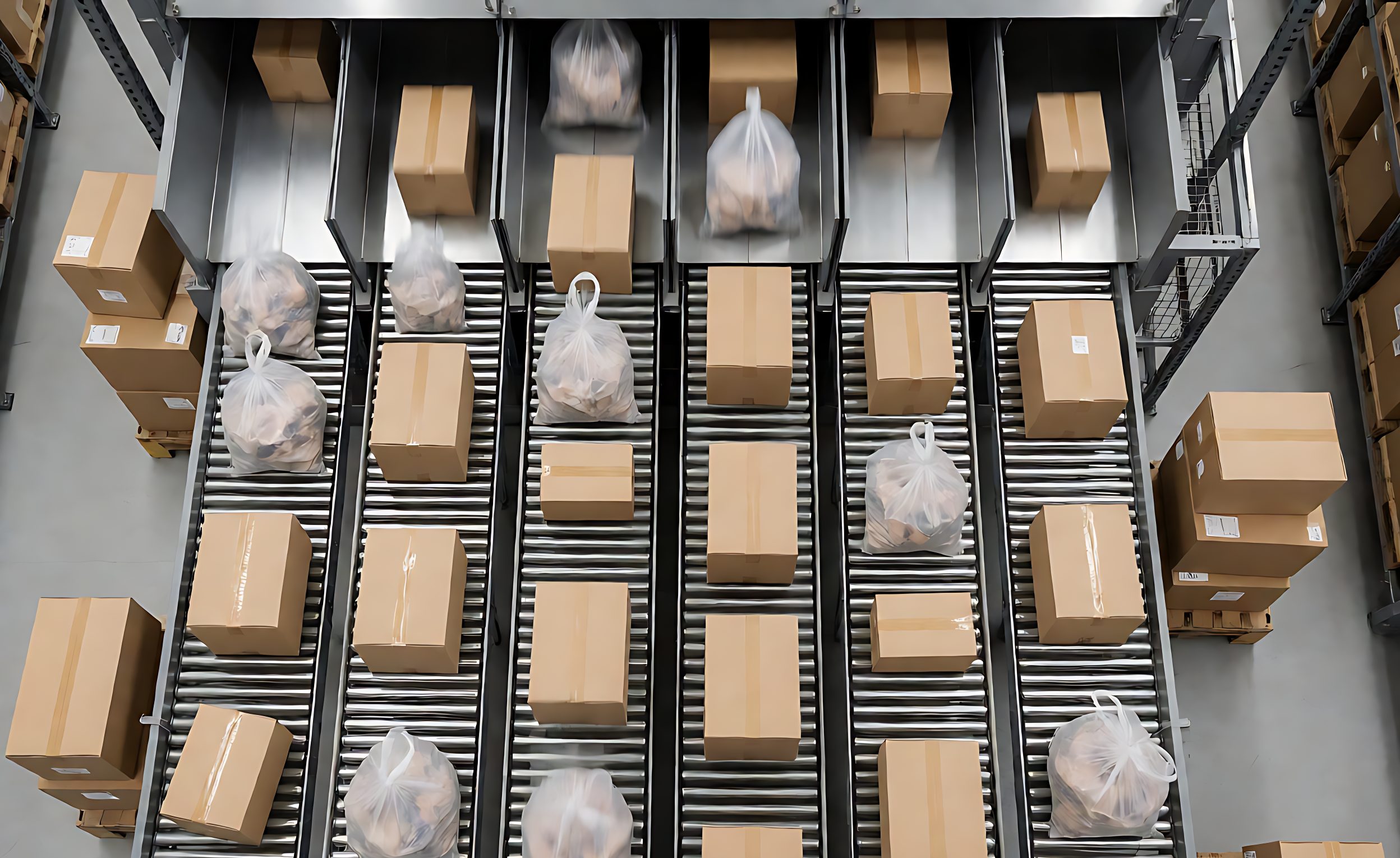
The limitation is the input. Automated infeed performs against a parcel profile it was designed for, and a stream full of poly bags, soft packaging and irregular shapes will jam it faster than it will jam a person. That is not an argument against automation; it is an argument for knowing your mix before specifying.
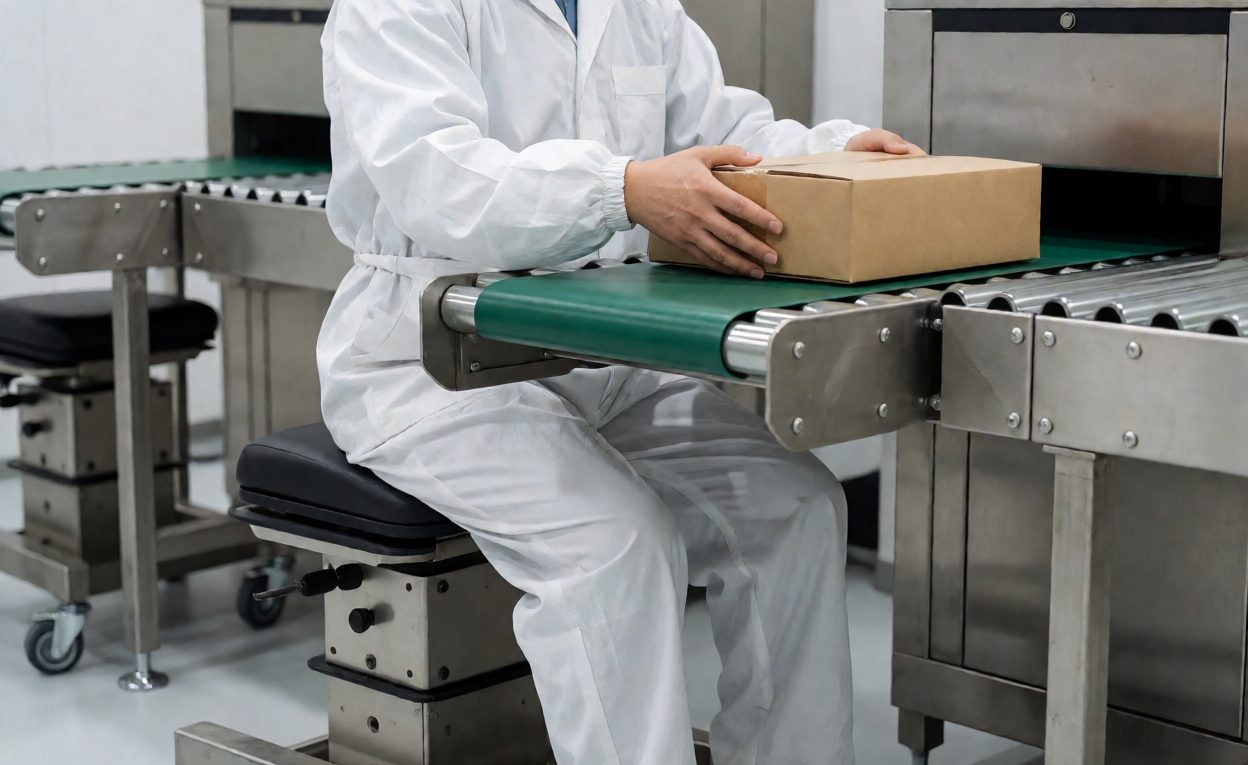
Where Manual Induction Still Wins
Manual induction remains the right answer for three categories, and most sites have all of them. First, irregular and non-conveyable items: soft bags, oddly shaped cartons, anything that will not behave on a belt. Second, exception handling: no-reads, damaged labels and returns, where a person makes a judgement a machine cannot. Third, volume flexibility: manual stations scale up and down in minutes.
Manual induction is also the cheaper first step. It converts capital into operating cost, which suits operations with uncertain volume, and it can be partially automated later as the profile becomes clearer. The trade is the human one: repetitive handling at a sustained pace, which is why the station design and the rotation of tasks decide whether the labour model holds through a peak.
Sizing the Split
Work from the required output rate backwards rather than from available floor space forwards. Establish the parcels per hour the operation must deliver, split the mix into machine-conveyable and people-conveyable fractions, and size each side to its own share. A useful working assumption for a trained operator at a well-designed station is a sustainable rate in the several-hundred-per-hour range; the automated side should be sized to its share of the remainder, with capacity for the peak rather than the average.
- Size automation to the conveyable fraction, not to total volume, or it will be bought to do a job it cannot start.
- Size manual stations to the irregular fraction plus surge, since manually fed stations are also where exception parcels re-enter the line.
- Keep a manual station adjacent to the automated infeed, so an exception can be inducted by hand within seconds of being rejected.

Technical Background
The physical presentation of parcels to the sorter is part of the wider field of conveyor system design, where spacing and accumulation determine what rate the downstream machine can actually absorb. The machine-side answer to turning a bulk flow into separated units is the industrial robot family of singulation and induction equipment, now widely applied to parcel streams. The human side is governed by ergonomics, which is what makes a station sustainable at rate across a full shift rather than only for the first hour.
The equipment options are compared in parcel singulator terms in the singulator guide at the parcel singulator guide, and the intermediate case – partial automation where full singulation is not justified – is set out in semi-automatic singulation. Station design and the labour consequences of the manual share are covered in induction station design and labour planning, with the roster consequences in operator staffing and shift model planning. The downstream half of the same flow is planned in induction and takeaway sorting, and the throughput you should verify the whole arrangement against is defined in how to verify CPH claims.
Phasing the Investment
The mix is not fixed at installation, and the smarter capital plan treats it as staged. A common and defensible sequence is to open with manual induction sized to the full irregular plus surge load, add automated infeed for the conveyable fraction once the profile is measured rather than assumed, and keep the manual stations in place afterwards as the exception path.
The one design error to avoid is building the automated infeed for a parcel profile that was never verified. Every project that measures its mix before it specifies saves money; every project that specifies from an assumption spends the difference later.
Frequently Asked Questions
Do I need automated infeed to hit my throughput target?
Not always. Whether it pays depends on the conveyable fraction of your mix and on whether the manual rate can be sustained across a full shift rather than a peak hour.
What parcels defeat automated infeed?
Soft poly bags, irregular shapes and anything that will not sit predictably on a belt. These are usually best routed to manual stations.
How many parcels can one operator induct per hour?
Depends on the station design and the parcel type, but a trained operator at a well-designed station sustains a rate in the several-hundred-per-hour range across a shift.
Should manual stations be kept after automation is installed?
Yes. They become the exception path for no-reads and irregular items, which is the same work they were always best at.
Is it better to automate first or induct manually first?
Manual first is usually the safer sequence, because it lets you measure the real parcel mix before you size the machine that has to handle it.
Where should manual stations be positioned?
Adjacent to the automated infeed and to the rejection loop, so exceptions re-enter the line within seconds rather than travelling back to a remote area.
How does the mix affect labour cost?
Directly. The manual share is operating cost that varies with volume, while the automated share is capital and maintenance that is largely fixed regardless of the day’s volume.