

A cross-belt sorter rarely fails to meet its rated throughput because of the loop. It fails because the infeed could not present parcels fast enough, evenly enough, and readable enough to keep the machine loaded. Induction is where the labour meets the machine, and it is where more sortation performance is quietly lost than anywhere else on the line.
Induction station design and crew planning are therefore one topic, not two. The station layout determines what one operator can realistically feed per hour; the crew plan determines whether that capability is available across the shift and across the season. This article covers both.
What an Induction Station Has to Achieve
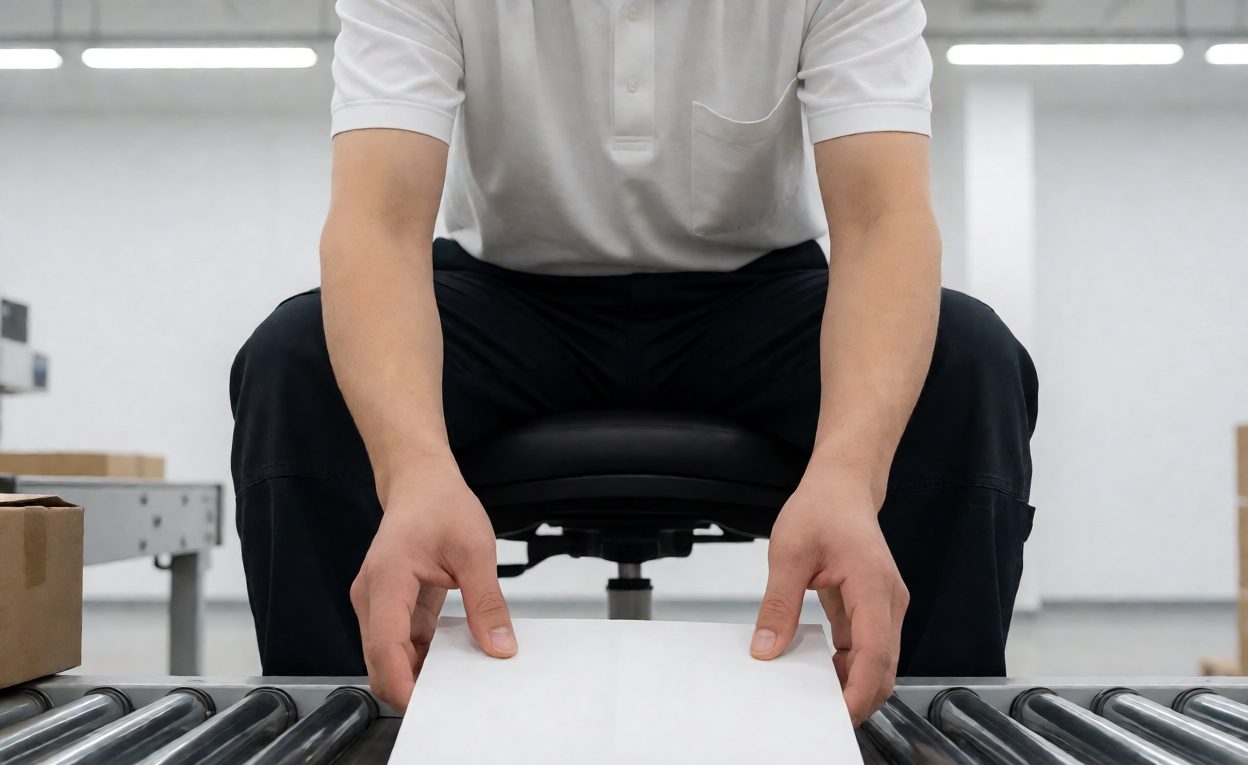
Every station on the line has to do the same four things, thousands of times a shift:
- Present parcels singly, with a gap the downstream scanner and sorter can resolve. Merged parcels are the root cause of a large share of no-reads and missorts.
- Present the label or code face-up at the scan point. Each parcel an operator has to flip or re-orient adds seconds, and seconds compound into a slower line.
- Maintain stable spacing regardless of parcel size, from padded envelopes to cartons, without the operator having to think about it.
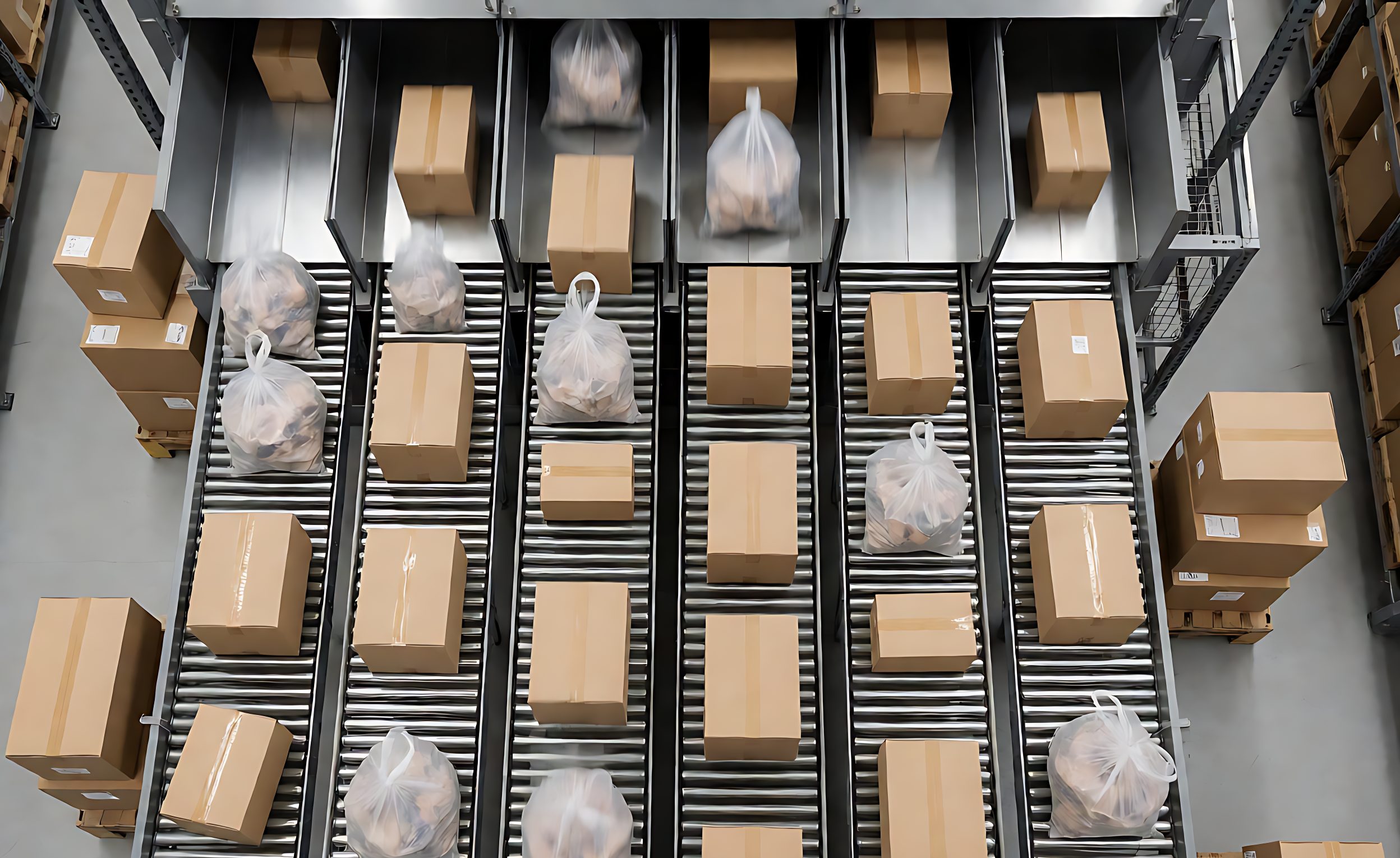
- Handle the full profile, including the soft, irregular and lightweight items that behave badly on belts and need a deliberate placement rather than a slide.
How much of this the station does mechanically, rather than leaving to the operator, is the central design decision. A full singulator with gap control transfers the work to the machine; a manual station leaves spacing and orientation to human hands. The trade-offs between the two are set out in the parcel singulator guide, and the middle option where a simple infeed does the spacing while operators only feed is covered in semi-automatic singulation.
Ergonomics Decide the Sustainable Rate
The number that matters at an induction station is not the peak rate a fresh operator can hit for ten minutes; it is the rate a crew can hold for a full shift, day after day. That sustainable rate is governed by physical design:
- Working height: bench and infeed surface at or slightly below elbow height, adjustable where the parcel mix spans a wide size range.
- Reach envelope: parcels lifted from a trolley or pallet, slid a short distance onto the infeed, never lifted above shoulder or below knee repeatedly.
- Body orientation: operators facing the direction of travel where possible, so placement is a push rather than a twist.
- Pacing: an infeed speed that sets a steady rhythm rather than forcing bursts and waits. Erratic pacing is more fatiguing than a constant slightly higher rate.
Stations designed without this attention produce a predictable pattern: strong rates in the first hour, a decline through the shift, and rising error and injury rates in peak weeks when overtime stacks. The design flaw shows up in the labour budget, not on the machine, which is why it is frequently misdiagnosed.

Sizing the Crew From Numbers
Induction staffing starts with one figure: parcels per operator per hour. A trained operator at a well-designed station typically sustains a few hundred parcels an hour on a mixed profile; the figure falls for large, heavy or irregular items and rises for small uniform ones. The planning arithmetic is then straightforward: rated line throughput divided by sustainable operator rate, divided by a utilisation factor that accounts for breaks, handovers and profile variation, equals the number of live stations needed at peak.
Two corrections keep that arithmetic honest. First, count all stations staffed, not only those running – a station paused for a trolley swap is not feeding. Second, apply the real parcel profile, not the average day: the polybag share, the oversize share and the smalls share each shift the rate, and peak profiles differ from the annual mean. Crew models built on averages under-provision precisely when it matters, which is the recurring pattern behind manual feeding limits discussed in solving the labour shortage with supply chain automation.
The crew plan should also state what happens when feeding falls behind. A line running faster than its infeed does not stop gracefully; it runs empty, the loop idles, and throughput lands somewhere between the two rates. Deciding in advance how to respond – slowing the loop, opening a second station, or accepting the shortfall – is a planning decision that belongs in the shift playbook, not an improvisation on the day.
Technical Background
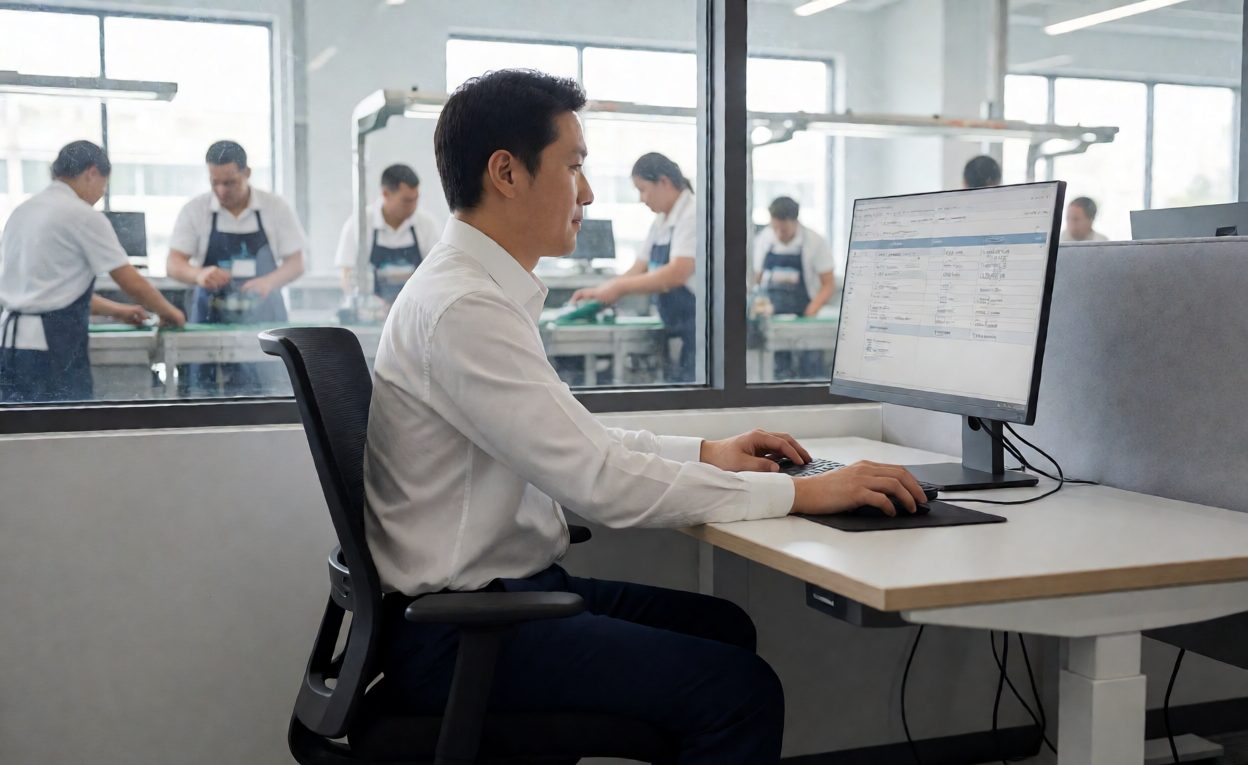
The discipline behind station layout is ergonomics, which fits the workstation to the operator rather than the reverse, and its practical payoff is a rate that holds across a shift. The pacing of work against machine rate follows the logic of takt time – the rhythm at which the line must be fed to meet demand. The cost of ignoring the fit is measured in repetitive strain injuries, which are among the most common and most preventable injuries in manual material handling.
Matching the Design to the Parcel Profile
No station design suits every profile, and the parcel data gathered during procurement should drive the layout rather than decorate it. Four profile effects deserve explicit design response:
- A heavy polybag share argues for shorter slides and more positive placement, because soft items do not slide predictably.
- A wide size range argues for adjustable benches and infeed widths, or for dedicating a station to oversize items.
- A long smalls tail argues for infeed media that grips small items rather than dropping or skating them.
- A significant no-read expectation argues for a recirculation path sized to the real rate, covered in no-read and missort reduction.
Where the profile is genuinely mixed, measure rather than assume. A short trial with the real parcels, timed at a mock station, produces a sustainable rate figure that converts directly into crew numbers and station counts. That measured figure also sharpens the throughput claims a buyer should verify independently, as set out in verifying CPH claims.
Layout, Flow and Growth
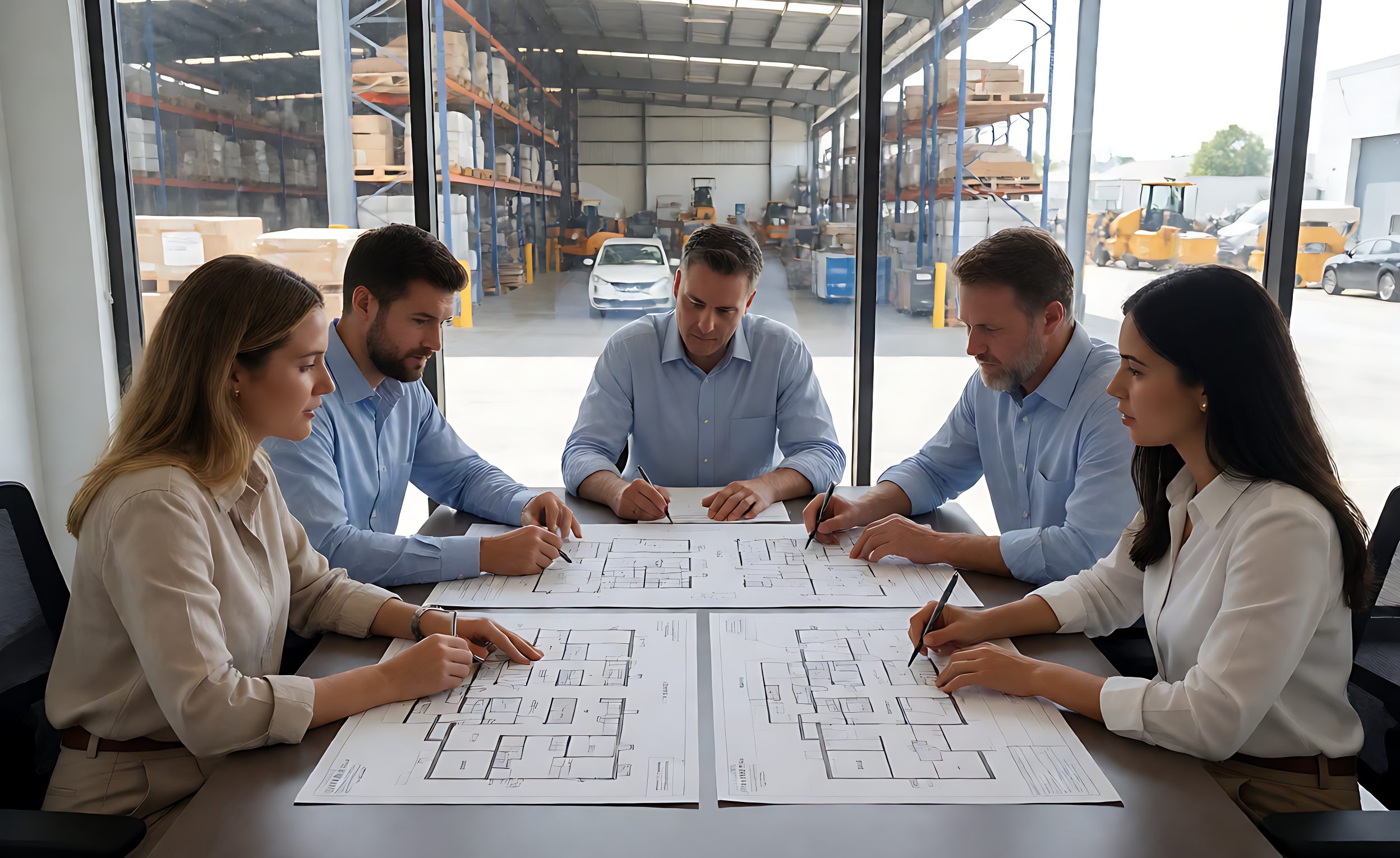
Station design does not end at the bench. Operators need somewhere to put full and empty containers without walking across the feed path, trolleys need a one-way flow that avoids queuing at the station, and the whole infeed area needs space to expand when volume grows. Fitting the infeed into the building follows the principles in the sorting system layout design guide, and the upstream capture of dimensions, weight and barcode data at the infeed is explained in DWS systems in parcel sorting.
Plan the expansion case now, even if it is only drawn. Adding stations to a line whose infeed area was designed full usually means reworking conveyors and walkways; leaving a marked bay and a spare drop today costs almost nothing. A site that trains a pool of induction operators against a defined rate standard, and can open stations on demand, converts the machine’s rated throughput into a dependable daily number – which is, in the end, the only throughput the business actually buys.
Frequently Asked Questions
How many parcels can one induction operator feed per hour?
A trained operator at a well-designed station typically sustains a few hundred per hour on a mixed profile, with the rate falling for large, heavy or soft items.
Why does label orientation matter so much?
Every parcel an operator flips or re-orients adds seconds, and the seconds compound into a slower line; label-up placement is one of the cheapest throughput gains available.
Should we use a full singulator or manual induction?
It depends on volume and profile. High volumes favour machine singulation; mixed or variable profiles often suit a semi-automatic arrangement where operators only feed.
What station design features sustain the rate across a shift?
Elbow-height work surfaces, short reach, placement in the direction of travel, and steady infeed pacing rather than bursts.
How do I calculate how many stations to staff?
Divide rated throughput by the sustainable operator rate and a utilisation factor covering breaks, handovers and profile variation.
Why do peak profiles break crew plans?
Because plans built on the average day under-provision for the polybag, oversize and smalls shares that peak actually brings.
What happens when the infeed falls behind the sorter?
The loop runs empty and throughput settles at the infeed rate; decide in advance whether to slow the line, open stations, or accept the shortfall.