
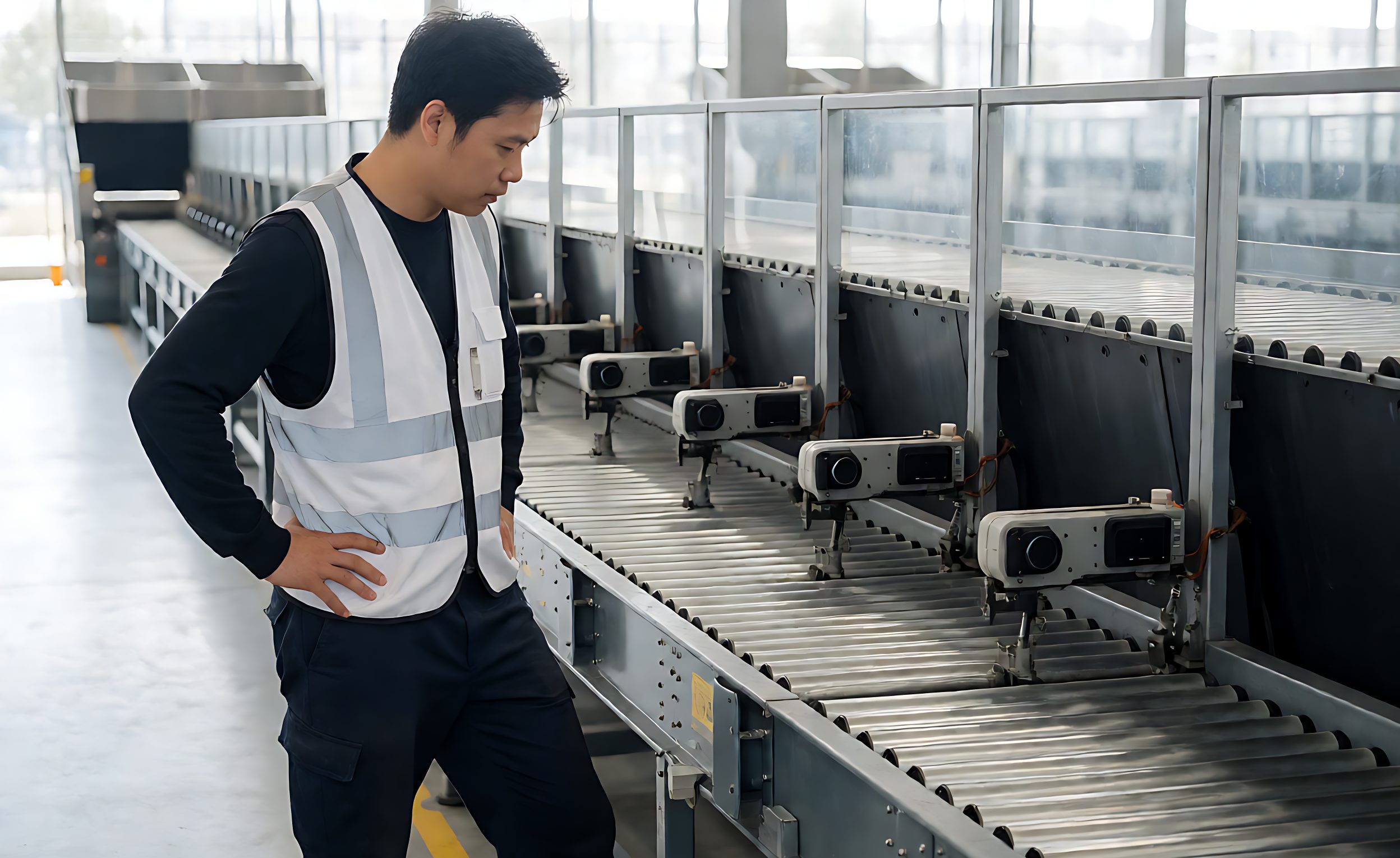
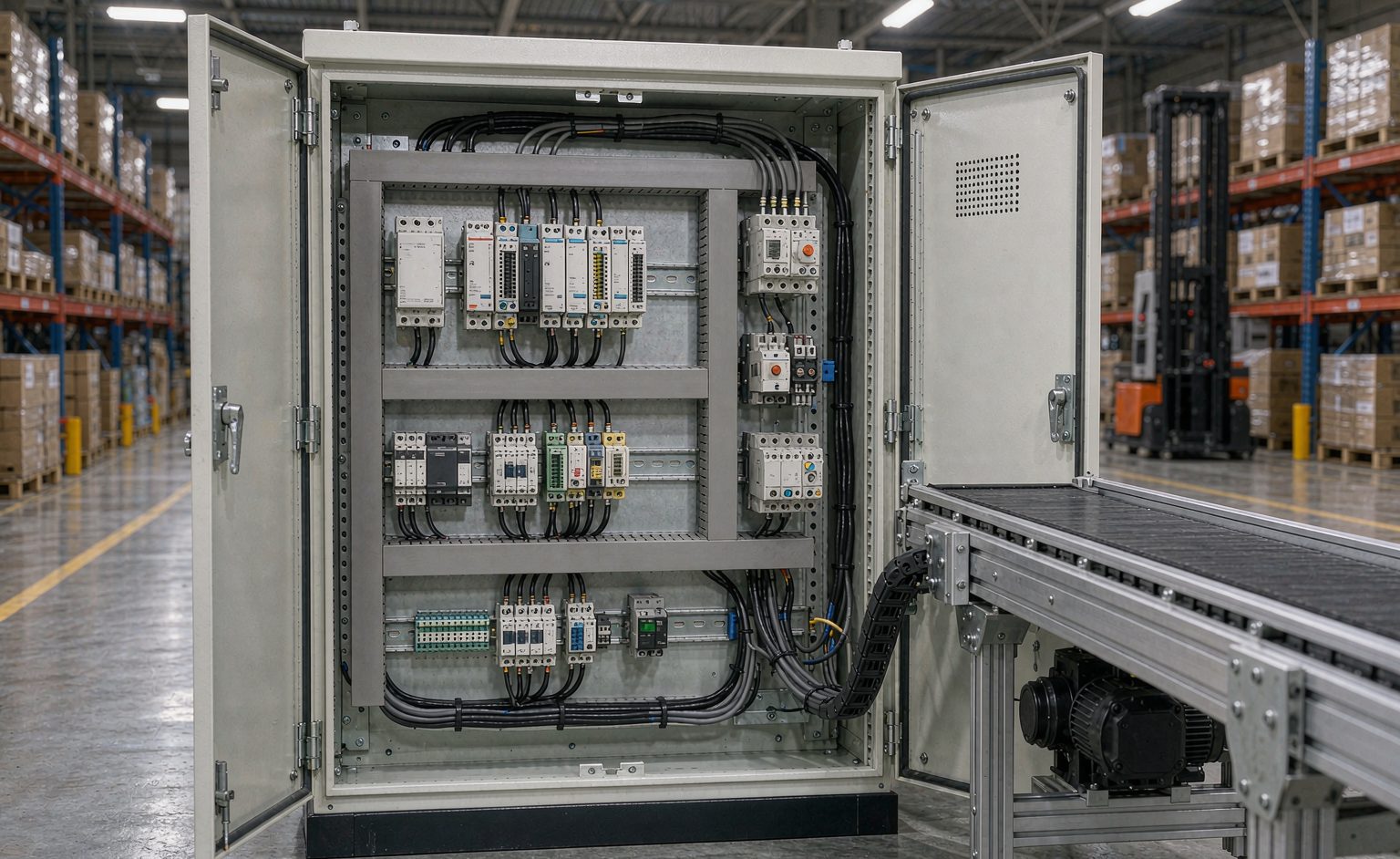
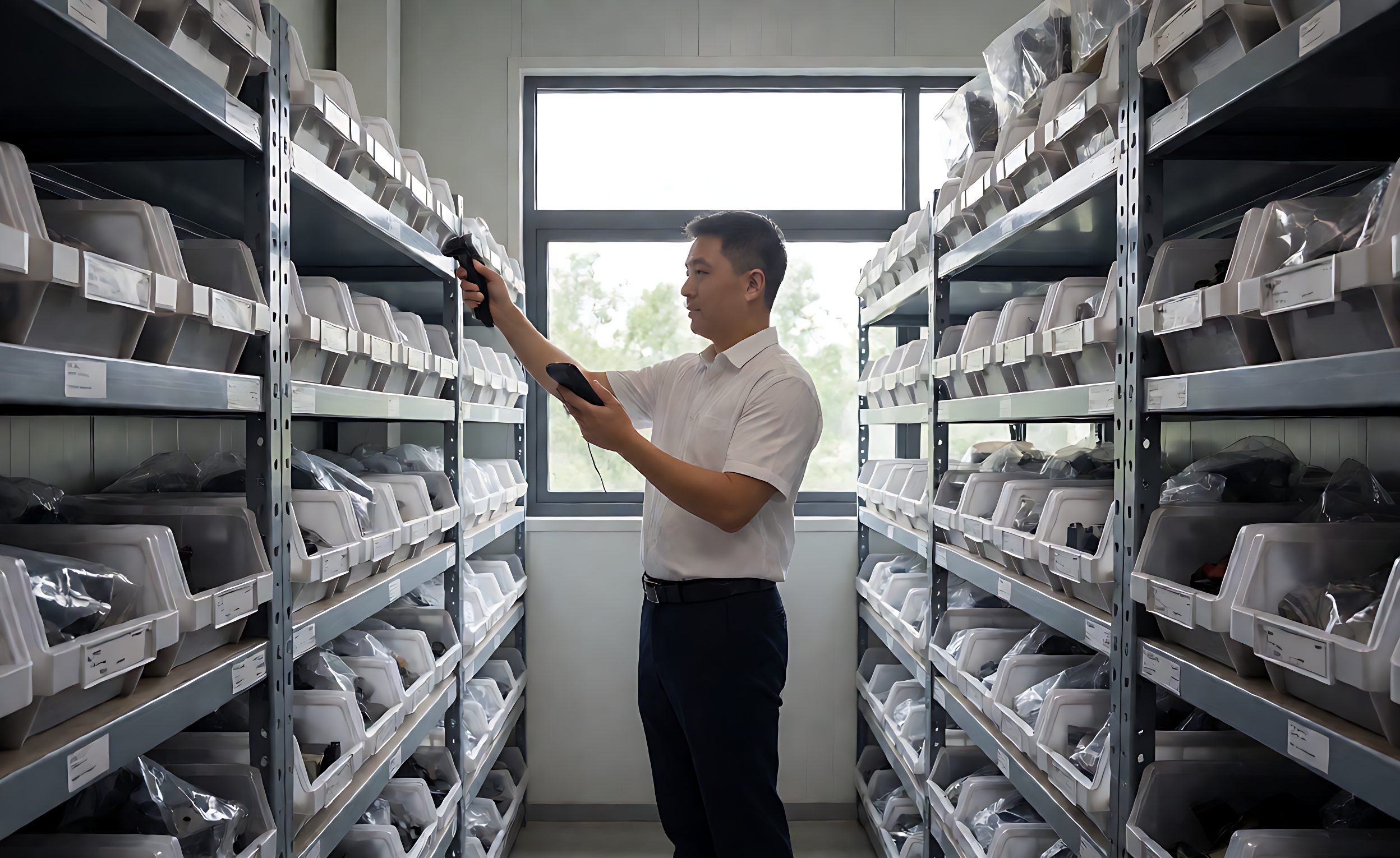
After a sorter is commissioned, the maintenance question becomes the largest recurring decision the machine generates. Outsourced to the supplier or a service company, it arrives as a predictable contract fee with defined response times and a queue you do not control. Built in-house, it arrives as salaries, tooling, training and a capability that belongs to you – including at two in the morning. Both models work; both fail when chosen for the wrong reason.
The wrong reasons are easy to recognise. Choosing outsourcing because the quote is lower than a salary ignores what happens between a fault and a technician’s arrival. Choosing in-house because control feels safer ignores how deep the skill requirement really is on a modern control system. This article sets out the variables that actually decide the question.

What the Two Models Actually Cost
The comparison is not fee versus salary. A full comparison looks like this:
- Outsourced: contract fee, plus spares at contract rates, plus the cost of any call-outs outside scope, plus the operational cost of waiting for the technician to arrive.
- In-house: salaries and on-costs, plus training and certification, plus tooling and diagnostics equipment, plus spares at list price unless separately negotiated, plus the management attention a team needs.
The in-house model has hidden economies too: a resident team spots developing problems earlier, performs the preventive routines in the cross-belt sorter maintenance checklist more consistently, and eliminates travel time entirely. The outsourced model has hidden costs that appear in downtime statistics rather than in invoices. Whichever way the arithmetic lands for a specific site, it lands on response time more than on any other variable.
Response Time Is the Real Variable
A fault that stops the line costs the same per minute regardless of who fixes it. What differs is the interval between fault and fix. An in-house technician is on site within minutes. A contracted technician is on site within the response window you purchased – and the window that is affordable at contract rates is usually measured in hours, not minutes.
That makes two site characteristics decisive. Distance: how far is the nearest qualified technician, and what does the contract say about arrival versus diagnosis versus fix? Volume: what does one hour of downtime cost this operation? A single-shift operation with slack in its schedule can carry a four-hour response window easily. A 24/7 parcel hub at peak cannot, and no contract price compensates for that – the response commitment in the warranty and service response SLA has to match the operation’s tolerance, or the operation has to carry its own cover.
Skill Depth Versus Skill Breadth
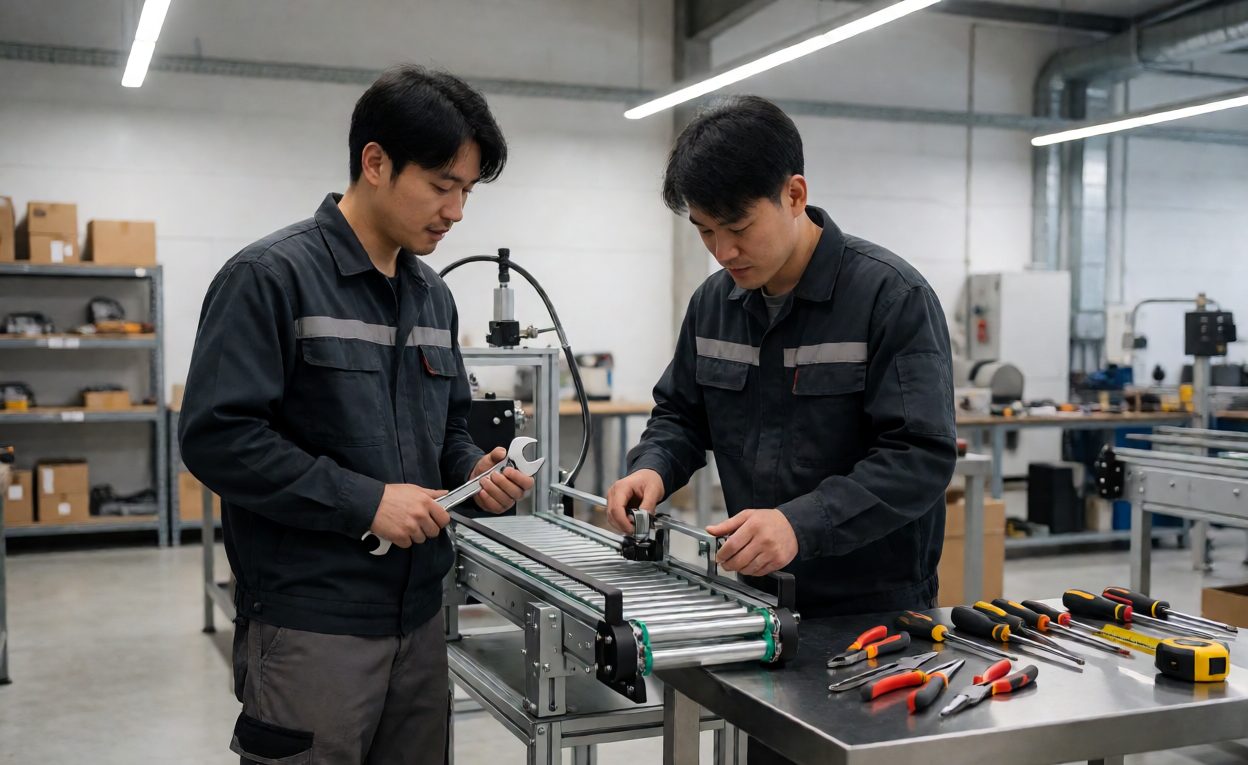
Modern sortation systems concentrate their hard problems in two places: the control system – PLC logic, drives, vision and tracking – and the electro-mechanical layer of belts, carriers and chains. In-house teams typically become strong on the mechanical layer quickly, because it is visible, frequent and learnable from the supplier’s training. Control-level diagnosis is harder: it needs deeper training, vendor-level access and experience across machines that a single site cannot accumulate.
An outsourced contract buys that depth on demand. What it cannot buy is breadth – the attendant who notices a bearing sounding wrong during a routine walk, the operator-turned-technician who knows this specific machine’s habits. Depth on call versus breadth on site is the essential trade, and the hybrid model exists because most sites want some of each.
The Hybrid Model Most Sites Land On
The commonest outcome is a resident team for first-line response and preventive work, backed by a supplier contract for control-level support, major overhauls and annual inspections. Structured well, each side covers the other’s weakness:
- In-house: daily checks, cleaning, adjustments, consumable replacement, first diagnosis and containment of faults, minor repairs.
- Contracted: control-system faults beyond first-line capability, planned overhauls, firmware and software support, annual condition assessment, and surge cover during peak.
The contract terms that make the hybrid work are scope clarity and escalation definition – what the resident team is expected to attempt before calling, and what response the supplier owes once called. Where the spares side is also shared, the arrangement connects naturally to the stock models in consignment and vendor-managed inventory.

Technical Background
Contracting work out to a specialist is outsourcing, and the service-level mechanics – what is promised, measured and penalised – determine whether the contract is a capability or just a discount on responsiveness. The routine layer that any model must deliver is preventive maintenance, planned intervention before failure. And the philosophy of treating equipment care as an operator-level responsibility rather than a specialist silo is total productive maintenance, which is why well-run sites train operators into first-line care whatever the contract says.
The economics also belong in the wider machine-cost picture rather than in isolation. Maintenance choices are one of the levers in the five-year total cost of ownership model, the preventive routines any team or contractor executes are listed in the preventive maintenance checklist for 24/7 running, and the daily discipline that keeps the mechanical layer healthy is summarised in maintenance planning and spares strategy.
Frequently Asked Questions
Is outsourcing always cheaper?
No. It avoids salaries and tooling, but adds call-out economics and downtime while waiting. The answer depends on volume, distance and how often the line actually needs intervention.
When does in-house clearly win?
At high-volume, multi-shift operations where downtime cost per hour is high and a resident team can respond in minutes rather than hours.
What can an in-house team realistically handle?
Preventive routines, consumables, mechanical adjustments and first-line fault containment. Control-system diagnosis usually needs supplier-level support.
What should a hybrid contract specify?
Clear scope split, escalation definition – what in-house attempts first – and supplier response commitments once escalated.
Does outsourcing include spare parts?
Not automatically. Spares can sit inside the contract or be managed separately; the rates and stock arrangements should be stated either way.
How long does it take to build an in-house team?
Months, not weeks. Mechanical competence comes quickly with training; control-level depth takes years or access to vendor-level support.
Should the decision be revisited later?
Yes. As failure history accumulates, the real intervention rate becomes known, and the right model often changes between year one and year three.