
In modern logistics and warehouse automation, speed alone is no longer enough. Today’s distribution centers, e-commerce fulfillment hubs, courier facilities, and manufacturing warehouses require systems that are not only fast, but also stable, predictable, and highly reliable.
At the center of many of these facilities is the cross-belt sorter.
Cross-belt sorting systems have become one of the most important technologies in automated material handling because they offer:
- High sorting accuracy
- Fast throughput
- Gentle product handling
- Flexible destination routing
- Scalability for large operations
However, even the most advanced sorter system can quickly become inefficient if maintenance is handled improperly.
Many facilities still rely on outdated maintenance approaches such as:
- Reactive repairs
- Generic maintenance intervals
- Experience-only decision making
- Inconsistent inspection routines
The result is often:
- Unexpected downtime
- Belt failures
- Motor overheating
- Sorting inaccuracies
- Reduced throughput
- Higher operational costs
This is why scientific maintenance scheduling has become increasingly critical.
A properly designed maintenance cycle helps facilities maximize uptime, reduce failure risk, improve equipment lifespan, and maintain operational consistency under growing logistics pressure.
This guide explains how to scientifically establish maintenance cycles for cross-belt sorters, which factors influence maintenance frequency, how predictive maintenance is changing the industry, and how companies can build smarter, data-driven maintenance systems for long-term operational success.
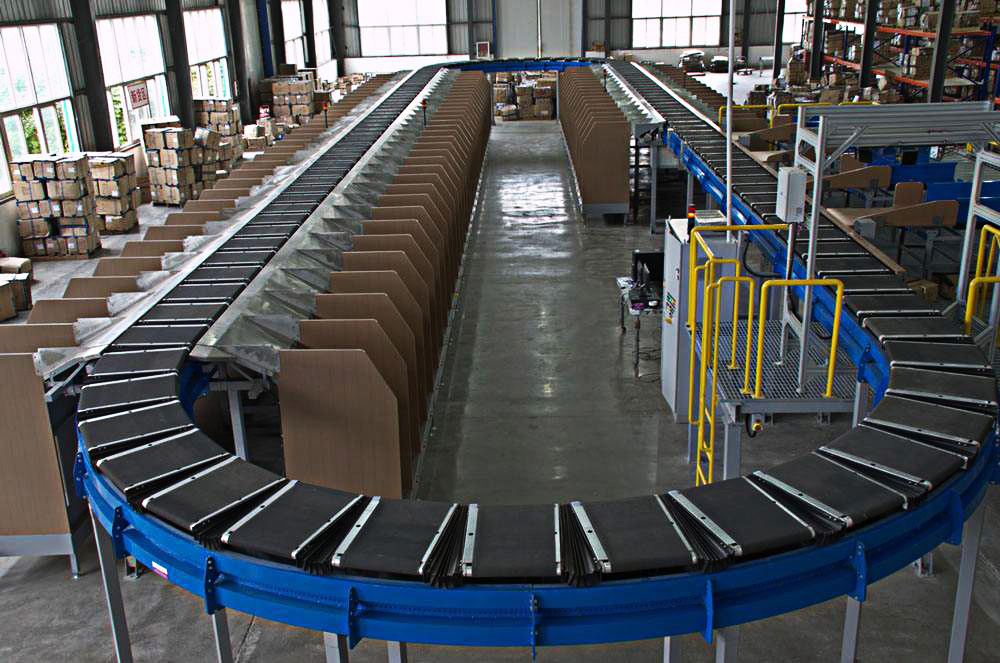
What Is a Cross-Belt Sorter?
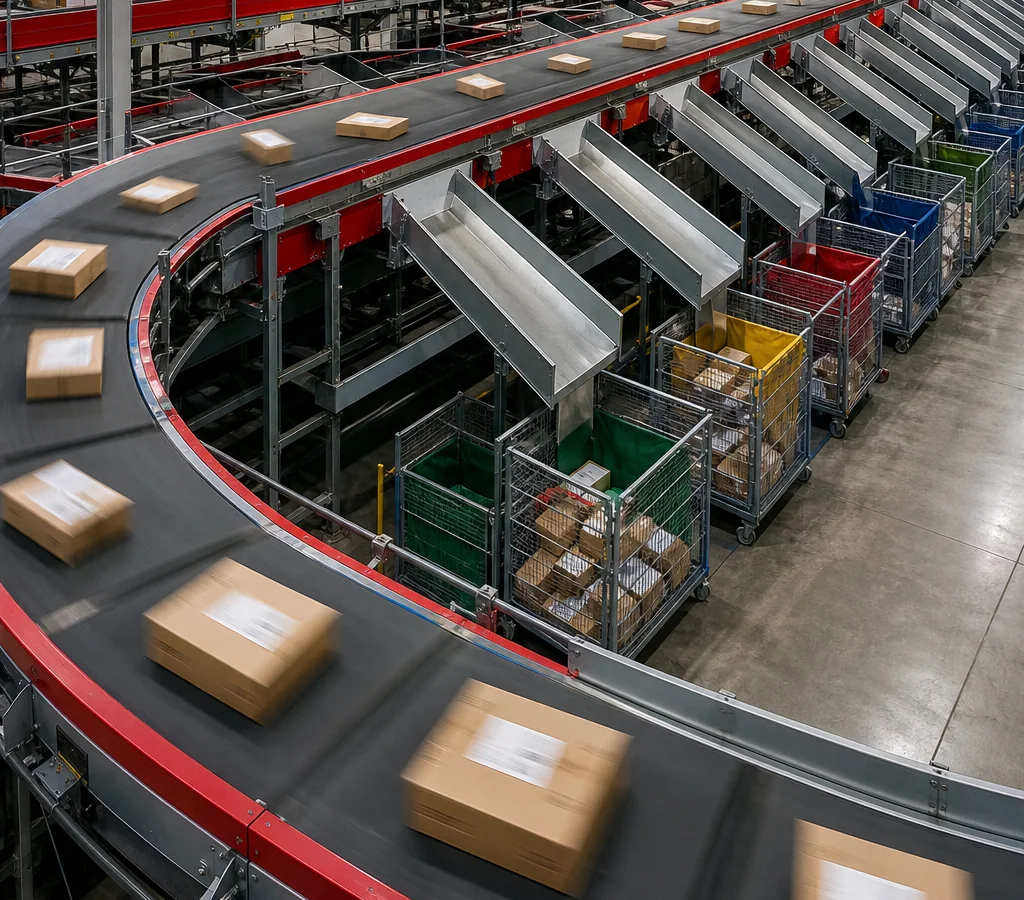
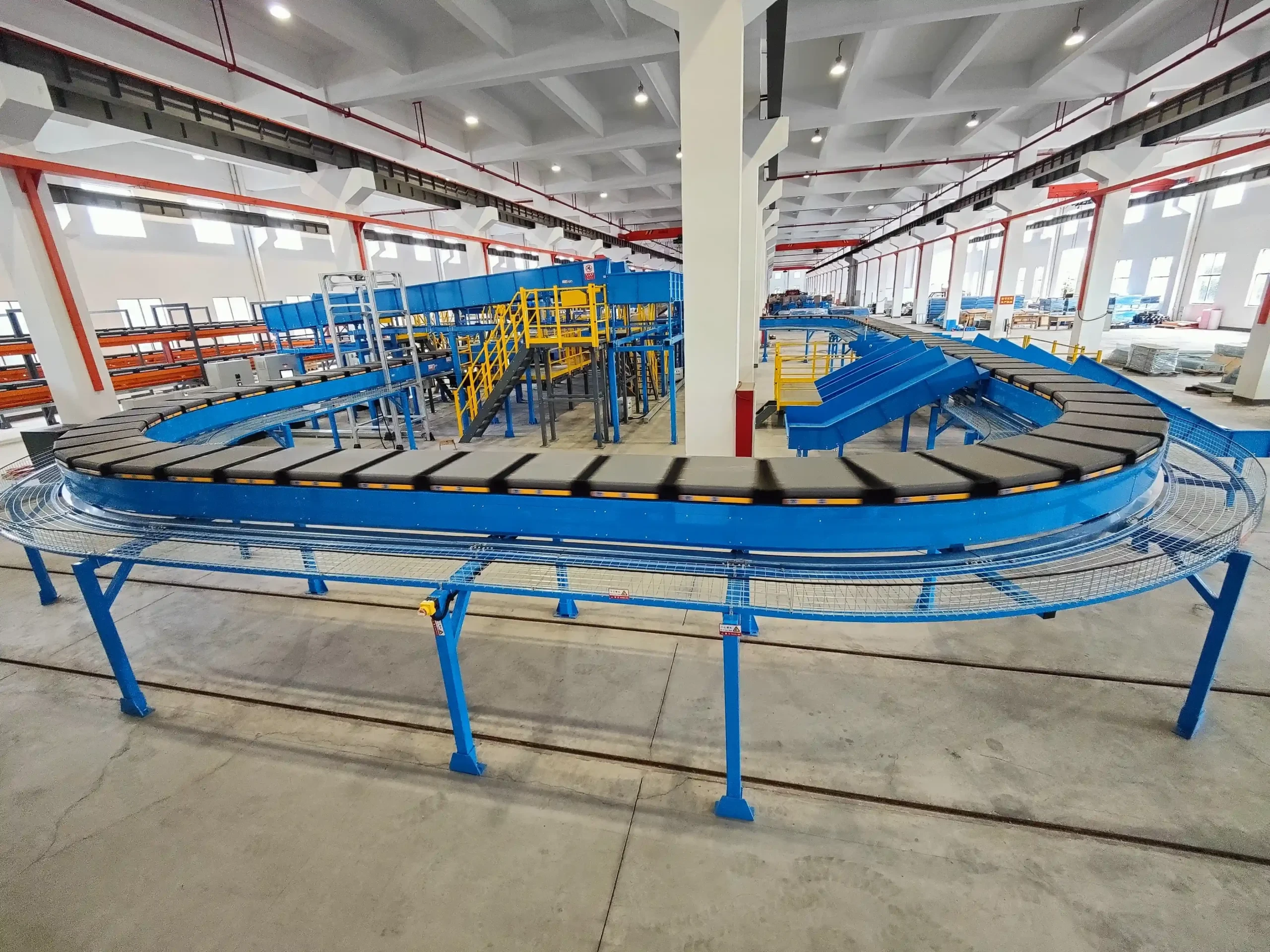
A cross-belt sorter is an automated sorting system that uses independently moving carriers equipped with small conveyor belts.
Each carrier transports items and discharges them sideways into designated chutes, bins, or conveyors.
These systems are widely used in:
- E-commerce fulfillment centers
- Parcel logistics hubs
- Airport baggage handling
- Retail distribution centers
- Pharmaceutical warehouses
- Manufacturing facilities
Why Cross-Belt Sorters Require Careful Maintenance
Cross-belt sorters are highly dynamic systems with many continuously moving components.
Unlike simpler conveyor systems, they involve:
- High-speed carrier movement
- Multiple motors
- Sensors
- Electrical systems
- Bearings
- Belts
- Rollers
- Communication systems
Continuous operation creates cumulative mechanical stress.
Without proper maintenance planning, small issues can escalate rapidly.
The Real Cost of Poor Maintenance
Some facilities underestimate how expensive unplanned downtime truly is.
A sorter failure may lead to:
- Delayed shipments
- Labor inefficiency
- Missed delivery windows
- Customer dissatisfaction
- Overtime costs
- Emergency repairs
- Lost operational capacity
In high-volume fulfillment environments, even short downtime periods can create major disruptions.
Reactive Maintenance vs Scientific Maintenance
Understanding the difference between maintenance strategies is essential.
Reactive Maintenance
Reactive maintenance means fixing equipment only after failure occurs.
This approach often results in:
- Emergency downtime
- Higher repair costs
- Shortened equipment lifespan
- Operational instability
Preventive Maintenance
Preventive maintenance involves scheduled inspections and servicing based on time or usage intervals.
This improves reliability but may still include unnecessary maintenance.
Predictive Maintenance
Predictive maintenance uses operational data and condition monitoring to anticipate failures before they happen.
This allows maintenance teams to intervene at the optimal time.
Why Scientific Maintenance Scheduling Matters
A scientific maintenance schedule is not based on guesswork.
It uses measurable operational factors such as:
- Runtime hours
- Load intensity
- Failure history
- Environmental conditions
- Component wear patterns
- Sensor data
- Throughput levels
to determine appropriate service intervals.
Key Components of a Cross-Belt Sorter That Require Maintenance
Understanding major system components helps define maintenance priorities.
1. Cross Belts
The belts themselves are among the most critical wear components.
Common Belt Problems
Belts may experience:
- Wear
- Stretching
- Misalignment
- Cracking
- Surface damage
Why Belt Health Matters
Damaged belts reduce:
- Sorting accuracy
- Product stability
- System efficiency
2. Bearings
Bearings support continuous carrier movement and rotational systems.
Bearing Failure Risks
Poor bearing condition may cause:
- Noise
- Heat buildup
- Vibration
- Motor overload
- Carrier instability
3. Motors and Drives
Cross-belt sorters rely heavily on electric motors.
Motor Maintenance Concerns
Key risks include:
- Overheating
- Electrical imbalance
- Lubrication issues
- Wear from continuous operation
4. Sensors and Scanners
Sensors are essential for:
- Item tracking
- Position detection
- Routing accuracy
- System synchronization
Sensor Failure Consequences
Dirty or malfunctioning sensors may cause:
- Missorts
- Traffic congestion
- System stoppages
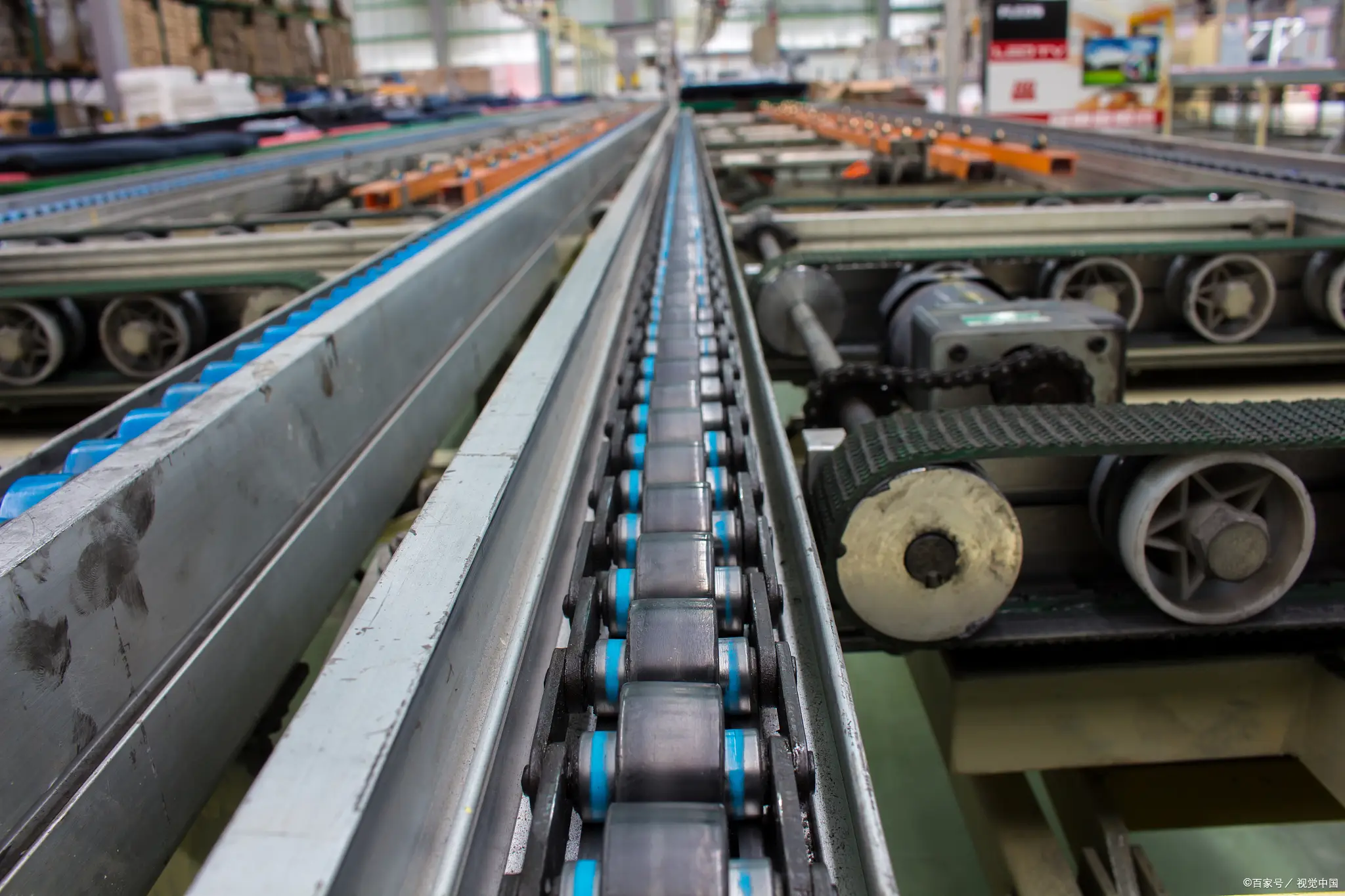
5. Rollers and Wheels
Carrier wheels and rollers experience constant mechanical stress.
Common Wear Issues
Problems may include:
- Flat spots
- Surface degradation
- Misalignment
- Friction increase
6. Electrical and Communication Systems
Modern sorters depend heavily on integrated control systems.
Electrical Risks
Potential issues include:
- Loose wiring
- Signal interruption
- PLC failures
- Communication delays
Why Maintenance Intervals Should Not Be Generic
Many facilities make the mistake of applying universal maintenance intervals regardless of operational differences.
This is inefficient.
Every Facility Operates Differently
Maintenance schedules should reflect factors such as:
- Operating hours
- Daily throughput
- Product weight
- Environmental conditions
- Seasonal demand spikes
A sorter running 24/7 in a major e-commerce hub experiences vastly different stress levels than one operating in a lower-volume facility.
The Core Factors That Influence Maintenance Cycles
1. Operating Time
Runtime hours remain one of the most important variables.
More operating hours generally increase wear rates.
2. Throughput Volume
High parcel volume accelerates stress on:
- Belts
- Bearings
- Rollers
- Motors
3. Product Characteristics
Different products affect systems differently.
Heavy Items
Heavy loads increase mechanical strain.
Irregular Shapes
Oddly shaped products may increase impact stress.
Dust-Producing Products
Dust can contaminate sensors and moving components.
4. Environmental Conditions
Environmental factors strongly influence maintenance needs.
High Humidity
Humidity may increase:
- Corrosion
- Electrical risks
- Belt degradation
Dusty Environments
Dust accelerates wear and sensor contamination.
Temperature Extremes
Heat and cold affect lubrication and material stability.
Why Data Collection Is Essential
Scientific maintenance depends on reliable operational data.
Facilities should monitor:
- Runtime hours
- Failure frequency
- Repair history
- Temperature trends
- Vibration levels
- Energy consumption
Without data, maintenance becomes reactive guesswork.
The Rise of Condition-Based Maintenance
Condition-based maintenance adjusts schedules based on actual equipment condition rather than fixed calendars.
Why This Approach Is More Efficient
Some components wear faster than expected while others last longer.
Condition-based systems reduce:
- Unnecessary servicing
- Premature part replacement
- Unexpected failures
Vibration Monitoring
Vibration analysis helps identify:
- Bearing damage
- Imbalance
- Misalignment
- Mechanical instability
before visible failure occurs.
Thermal Monitoring
Heat monitoring helps detect:
- Motor overload
- Friction increases
- Electrical resistance
- Lubrication failure
Predictive Analytics and Smart Warehousing
Advanced logistics facilities increasingly use AI and predictive analytics for maintenance planning.
What Predictive Systems Analyze
Modern systems may evaluate:
- Historical failures
- Real-time sensor data
- Throughput patterns
- Environmental conditions
- Component aging
to forecast maintenance needs.
Benefits of Predictive Maintenance
Predictive strategies can improve:
- Uptime
- Spare parts planning
- Labor efficiency
- Equipment lifespan
- Repair scheduling
Building a Maintenance Hierarchy
Not all components require equal inspection frequency.
Facilities should prioritize based on:
- Failure criticality
- Replacement cost
- Operational impact
Critical Components
Components that can stop the entire sorter require closer monitoring.
Examples include:
- Main drives
- Control systems
- Primary conveyors
Secondary Components
Some components may affect efficiency without causing total shutdown.
These can follow longer maintenance cycles.
Daily Maintenance Tasks
Daily inspections help identify small problems early.
Typical Daily Checks
Operators may inspect:
- Belt condition
- Sensor cleanliness
- Unusual noises
- Emergency stops
- Carrier movement
Daily routines prevent small issues from escalating.
Weekly Maintenance Tasks
Weekly maintenance may include:
- Lubrication checks
- Fastener inspection
- Roller cleaning
- Alignment observation
Monthly Maintenance Tasks
More detailed inspections often occur monthly.
These may involve:
- Electrical testing
- Motor diagnostics
- Bearing analysis
- Belt tension adjustment
Quarterly and Annual Overhauls
Long-term maintenance cycles may include:
- Major component replacement
- System recalibration
- Software updates
- Structural inspection
Why Documentation Is Critical
Maintenance records are essential for scientific scheduling.
Good documentation helps teams identify:
- Recurring failures
- Wear patterns
- Seasonal trends
- Weak components
Maintenance KPIs Facilities Should Track
Key performance indicators may include:
- Mean time between failures (MTBF)
- Mean time to repair (MTTR)
- Downtime duration
- Maintenance cost per operating hour
- Spare part consumption
- System availability
Why Spare Parts Planning Matters
Maintenance scheduling and spare parts management are closely connected.
Poor spare inventory planning can extend downtime significantly.
Critical Spare Parts Often Include
- Bearings
- Belts
- Sensors
- Motors
- Rollers
- Drive components
Human Factors in Maintenance Success
Even advanced systems depend on skilled personnel.
Technician training remains essential.
Why Technician Consistency Matters
Inconsistent inspection methods create unreliable maintenance data.
Standardized procedures improve:
- Accuracy
- Predictability
- Operational stability
The Role of Automation in Maintenance
Modern maintenance systems increasingly include automation tools.
Examples include:
- Automated alerts
- Sensor networks
- Remote diagnostics
- AI-generated maintenance recommendations
Remote Monitoring Is Becoming Standard
Large logistics companies increasingly monitor sorter performance remotely across multiple facilities.
This allows:
- Faster troubleshooting
- Centralized analysis
- Predictive maintenance coordination
Common Maintenance Scheduling Mistakes
Overmaintaining Equipment
Excessive servicing wastes labor and may introduce unnecessary downtime.
Ignoring Minor Warning Signs
Small vibrations or unusual sounds often indicate larger developing problems.
Using Only Calendar-Based Scheduling
Time-based maintenance alone may ignore actual operating conditions.
Failing to Adapt During Peak Seasons
Holiday peaks often accelerate wear dramatically.
Maintenance cycles may require temporary adjustments during high-volume periods.
Why Peak Season Preparation Matters
E-commerce and parcel facilities often experience massive seasonal spikes.
Preparing beforehand reduces breakdown risk during critical periods.
Peak Season Maintenance Strategies
Facilities may:
- Increase inspection frequency
- Replace aging components proactively
- Expand spare inventory
- Add temporary monitoring systems
Cross-Belt Sorters and Industry 4.0
Industry 4.0 technologies are transforming maintenance philosophy.
Modern facilities increasingly integrate:
- IoT sensors
- Machine learning
- Cloud analytics
- Digital twins
into maintenance systems.
What Digital Twins Offer
Digital twins create virtual models of physical equipment.
These systems help simulate:
- Wear patterns
- Failure scenarios
- Maintenance outcomes
before real-world problems occur.
Sustainability and Maintenance Efficiency
Efficient maintenance also supports sustainability goals.
Well-maintained systems often consume:
- Less energy
- Fewer spare parts
- Fewer emergency resources
while extending equipment lifespan.
Why Scientific Scheduling Improves ROI
Cross-belt sorters represent major capital investments.
Scientific maintenance protects that investment by improving:
- Equipment longevity
- Operational stability
- Throughput reliability
- Labor utilization
Building a Long-Term Maintenance Culture
Successful maintenance is not just a schedule.
It is an operational mindset.
Facilities with strong maintenance cultures prioritize:
- Data-driven decisions
- Preventive thinking
- Continuous improvement
- Staff accountability
The Future of Cross-Belt Sorter Maintenance
Maintenance systems will continue evolving toward:
- Fully predictive maintenance
- Autonomous diagnostics
- AI-assisted repair planning
- Real-time digital monitoring
- Self-optimizing maintenance intervals
The goal is increasingly shifting from “repairing failures” to “preventing disruption entirely.”
Final Thoughts
Cross-belt sorters are among the most important technologies powering modern logistics and automated distribution. But high-speed automation only delivers long-term value when supported by intelligent maintenance systems.
Scientific maintenance scheduling allows facilities to move beyond reactive repairs and outdated fixed schedules toward smarter, data-driven strategies based on actual operational conditions.
By considering factors such as runtime, throughput, environmental conditions, wear patterns, predictive analytics, and component criticality, companies can dramatically improve sorter reliability while reducing downtime and operational costs.
In today’s competitive logistics environment, maintenance is no longer simply a technical necessity. It has become a strategic advantage.
The facilities that master scientific maintenance planning will be better positioned to achieve stable operations, scalable growth, and long-term automation success in an increasingly demanding global supply chain landscape.