
Every year, major online shopping festivals push global logistics networks to their limits. Massive promotional events generate extraordinary order volumes within just a few hours, forcing warehouses and distribution centers to process millions of parcels at incredible speed. During large-scale sales events similar to China’s Double 11 shopping festival, logistics operators face one critical challenge: how to move, identify, sort, and dispatch enormous quantities of packages without delays, bottlenecks, or costly errors.
Traditional manual sorting systems simply cannot keep up with this level of demand. Even older automated conveyor setups often struggle when package volumes spike dramatically. That is why cross-belt sorters have become one of the most important technologies in modern e-commerce logistics.
Fast, intelligent, scalable, and highly accurate, cross-belt sorting systems now serve as the backbone of high-volume fulfillment centers around the world. These machines are designed specifically to handle massive parcel flows while maintaining operational efficiency during peak shopping seasons.
This article explores how cross-belt sorters work, why they are essential for large e-commerce operations, and how they help logistics companies survive “Double 11”-level parcel surges without collapsing under pressure.
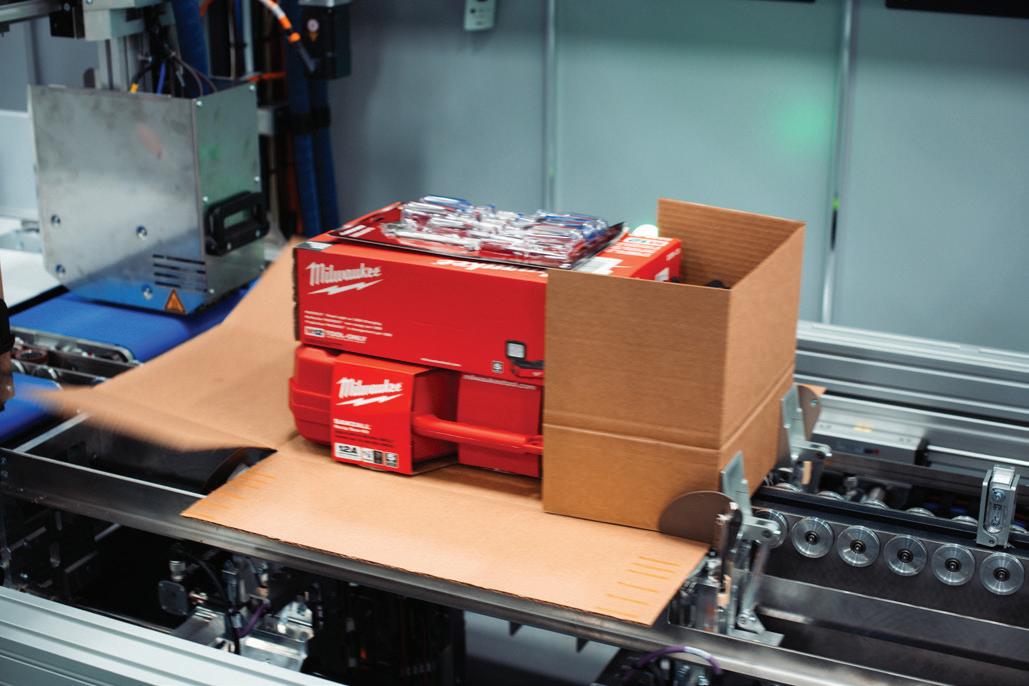
The Growing Pressure of E-Commerce Logistics
Global e-commerce continues to expand rapidly. Consumers now expect:
- Same-day shipping
- Next-day delivery
- Real-time tracking
- Accurate order fulfillment
- Fast returns processing
- Minimal shipping delays
During major promotional events, order volumes can increase several hundred percent compared to normal daily operations.
For logistics companies, these surges create enormous operational pressure.
Warehouses must handle:
- Explosive package intake
- Continuous inbound scanning
- High-speed parcel routing
- Destination classification
- Carrier coordination
- Vehicle loading
- Return package handling
A single delay inside the sorting process can create chain reactions throughout the entire supply network.
That is why automated sorting technology has become essential rather than optional.
What Is a Cross-Belt Sorter?
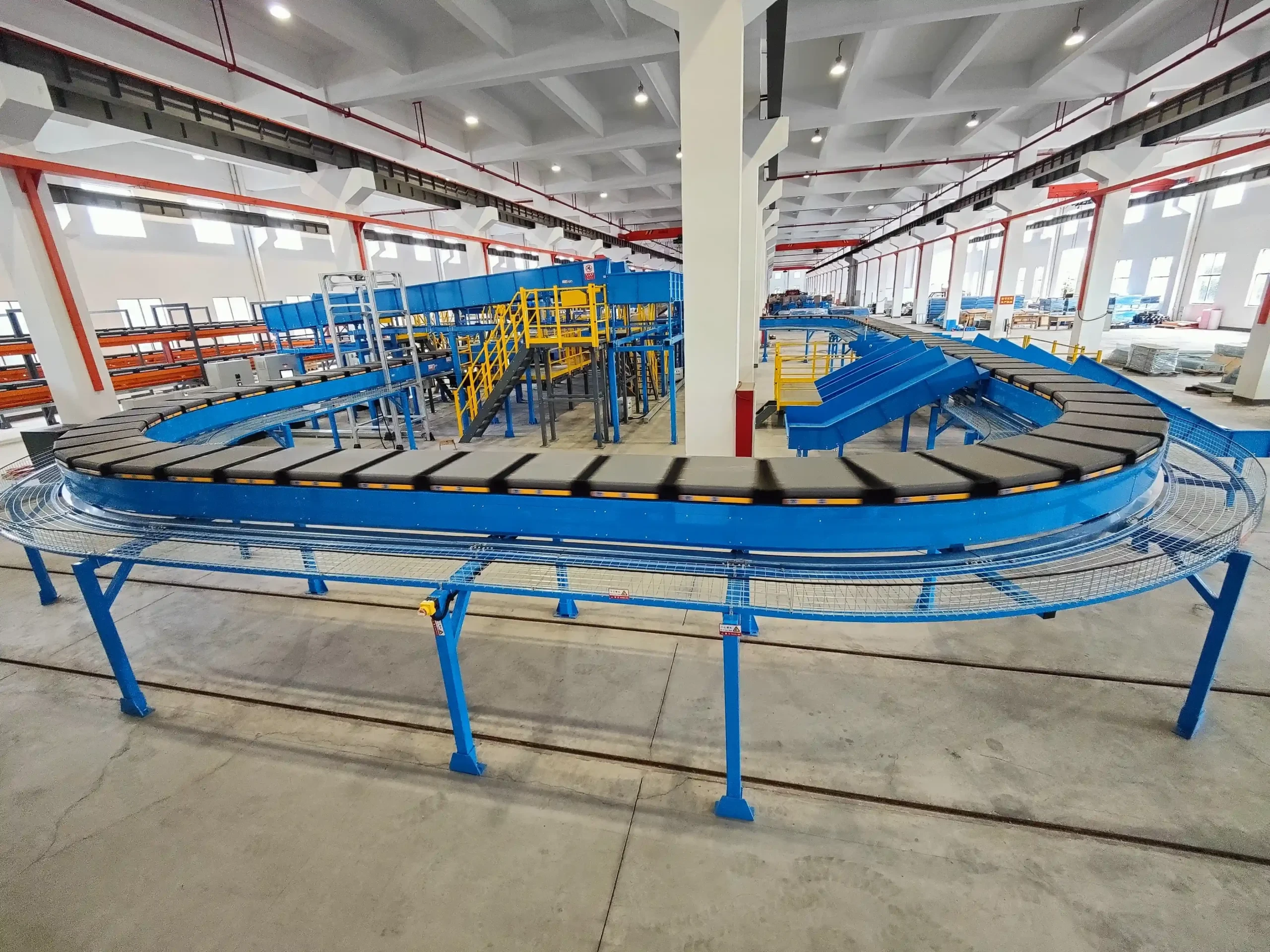
A cross-belt sorter is a high-speed automated sorting system used in logistics centers, warehouses, airports, and parcel hubs.
The system consists of:
- A circulating track
- Multiple small conveyor carriers
- Automated scanning systems
- Intelligent routing software
- Discharge chutes or destination lanes
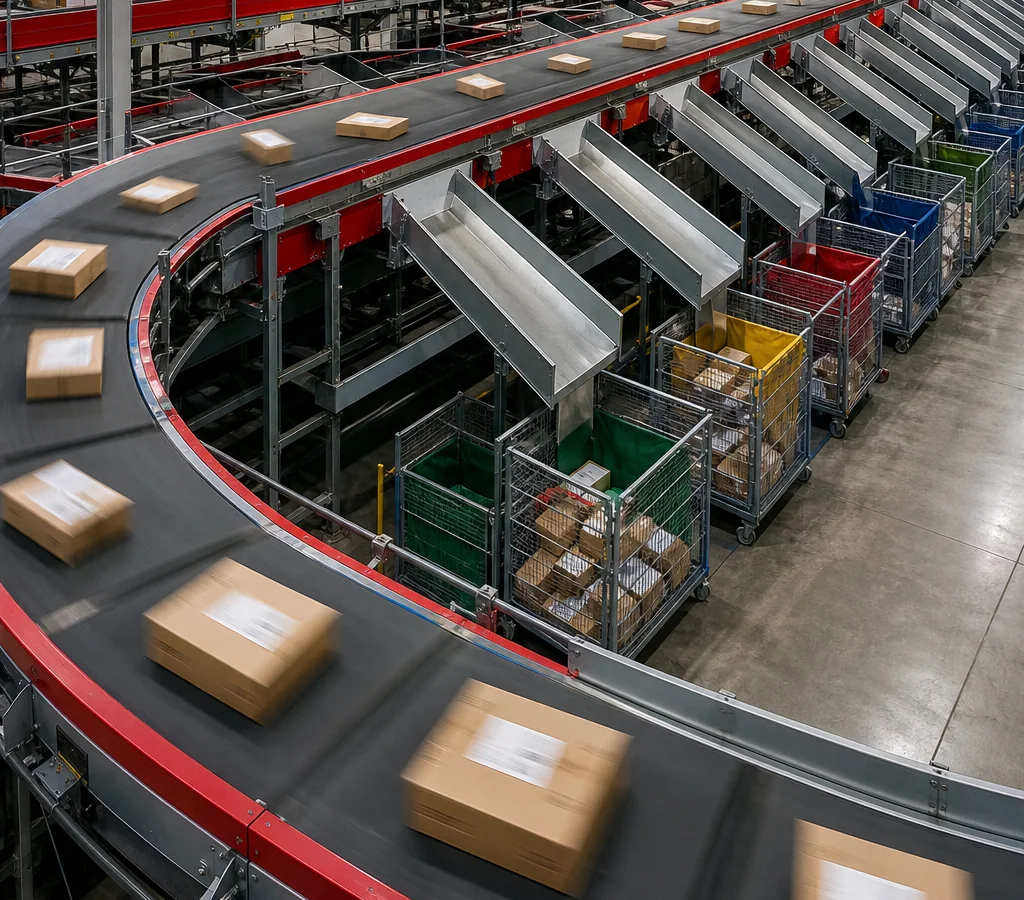
Each carrier includes a short conveyor belt mounted perpendicular to the main track. When a package reaches its assigned destination, the belt moves sideways to discharge the parcel into the correct chute or conveyor line.
This design allows cross-belt sorters to process parcels quickly and accurately across many destinations simultaneously.
Why Cross-Belt Sorting Became Critical for E-Commerce
E-commerce parcels are extremely diverse.
Unlike traditional retail logistics, online shopping orders include:
- Small packages
- Soft bags
- Poly mailers
- Irregular shapes
- Lightweight items
- Fragile goods
- Multi-item shipments
Sorting systems must handle all these package types continuously and at high speed.
Cross-belt sorters excel because they offer:
- Gentle handling
- High throughput
- Excellent accuracy
- Flexible routing
- Stable operation
- Scalability
These features make them ideal for modern fulfillment environments.
The Scale of Double 11-Level Parcel Surges
Massive online sales events generate astonishing package volumes.
During major shopping festivals, logistics companies may process:
- Tens of millions of orders daily
- Hundreds of thousands of parcels per hour
- Continuous 24/7 warehouse operations
- Simultaneous nationwide distribution
In these scenarios, manual sorting becomes impossible.
Even a small sorting delay can create:
- Delivery backlogs
- Missed shipping deadlines
- Customer complaints
- Higher labor costs
- Inventory congestion
Cross-belt sorting systems help prevent these operational disasters.
How Cross-Belt Sorters Work
To understand their value, it helps to examine the sorting process step by step.
Step 1: Parcel Induction
Packages first enter the sorting system through induction stations.
Workers or robotic systems place parcels onto the sorter in a controlled orientation.
Modern induction systems may include:
- Automatic barcode positioning
- Dimension scanning
- Weight measurement
- AI-based parcel recognition
Proper induction ensures smooth downstream processing.
Step 2: Barcode and Data Scanning
Once parcels enter the system, scanners capture information such as:
- Shipping labels
- Tracking numbers
- Destination codes
- Carrier assignments
- Delivery zones
Warehouse management software instantly determines the correct routing path.
High-speed scanning accuracy is essential during peak volume events.
Step 3: Dynamic Routing
The central control system assigns each parcel to a specific discharge destination.
Advanced software continuously optimizes:
- Carrier traffic
- Lane balancing
- Destination allocation
- Throughput efficiency
Real-time routing adjustments help prevent congestion.
Step 4: High-Speed Transportation
Parcels ride on individual cross-belt carriers along the circulating track.
The system maintains:
- Stable spacing
- Controlled movement
- High-speed circulation
- Continuous flow
Because each parcel rides independently, the system can handle mixed package types efficiently.
Step 5: Precision Discharge
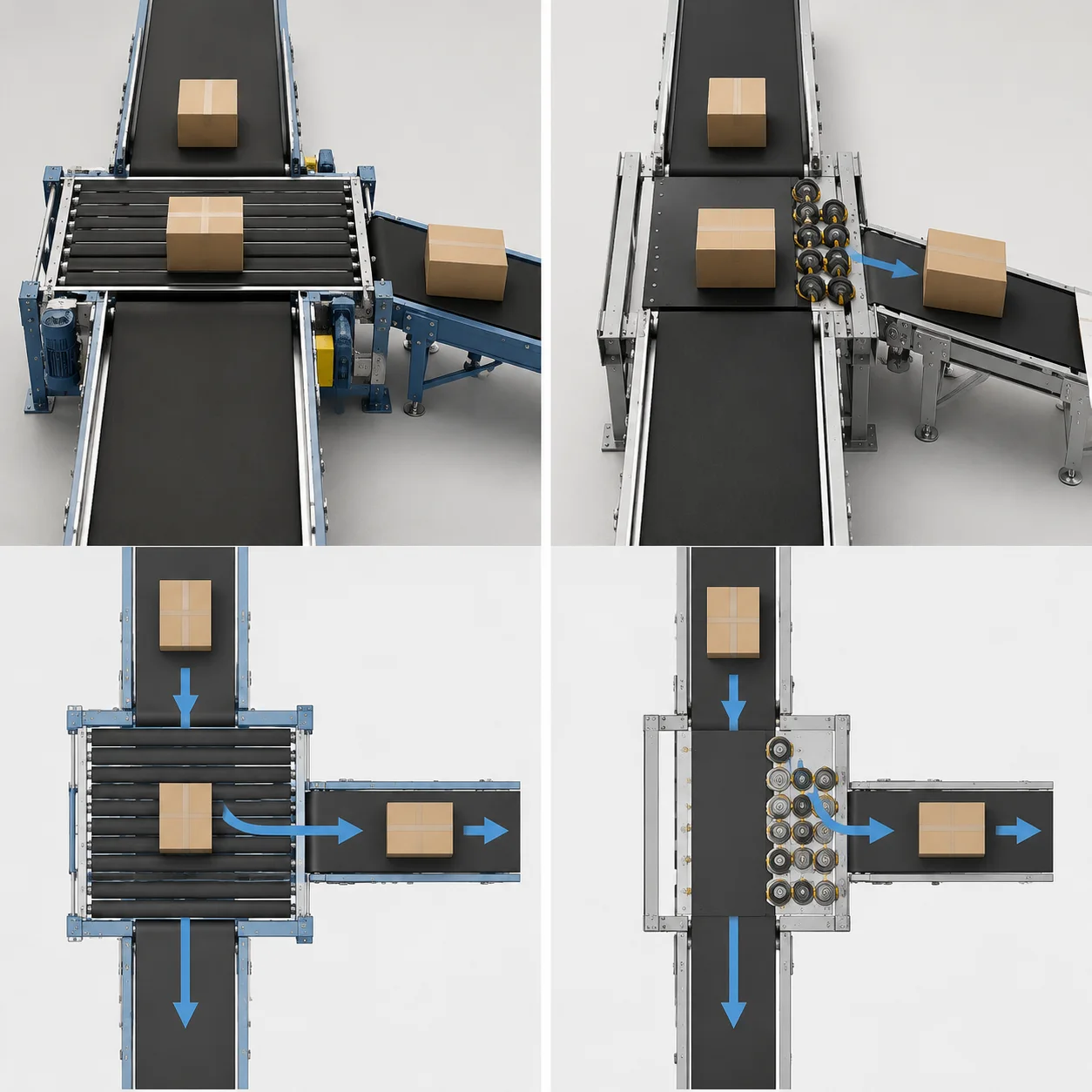
When the parcel reaches its assigned destination, the cross belt activates and transfers the package sideways into the proper chute or conveyor.
This process happens in fractions of a second.
Modern systems achieve extremely high sorting accuracy rates, even during intense operational peaks.
Why Cross-Belt Sorters Outperform Traditional Systems
Older sorting technologies often struggle with modern e-commerce demands.
Common limitations include:
- Limited package compatibility
- Higher jam rates
- Reduced speed
- Poor flexibility
- Increased package damage
Cross-belt systems solve many of these problems.
Superior Handling of Irregular Packages
E-commerce orders rarely arrive in uniform boxes.
Many parcels include:
- Flexible packaging
- Lightweight envelopes
- Fragile products
- Odd-shaped items
Cross-belt carriers provide stable transport and gentle discharge, reducing package damage significantly.
Extremely High Sorting Speed
One of the biggest advantages of cross-belt systems is throughput capacity.
Advanced systems may process:
- Thousands of parcels per hour
- Tens of thousands of items hourly
- Continuous high-volume operations
This speed is critical during major shopping festivals.
Exceptional Sorting Accuracy
Misrouted packages create major operational costs.
Cross-belt sorters use:
- Multi-angle barcode scanning
- Intelligent software
- Real-time verification
- Automated tracking systems
This helps maintain highly accurate parcel routing even under heavy loads.
Reduced Labor Dependency
Labor shortages are a growing challenge in logistics.
During peak shopping seasons, hiring temporary workers becomes expensive and difficult.
Cross-belt systems reduce reliance on manual sorting by automating repetitive tasks.
Benefits include:
- Lower labor costs
- Reduced human error
- Consistent performance
- Faster processing
- Easier scalability
Automation also allows workers to focus on higher-value operational tasks.
How Cross-Belt Sorters Prevent Warehouse Bottlenecks
In high-volume fulfillment centers, congestion can spread quickly.
Sorting bottlenecks often affect:
- Receiving docks
- Storage systems
- Packing stations
- Outbound loading
- Delivery schedules
Cross-belt sorters help maintain smooth operational flow through continuous movement and balanced routing.
Real-Time Data and Intelligent Control Systems
Modern cross-belt systems rely heavily on intelligent software.
These systems monitor:
- Parcel volume
- Conveyor speed
- Lane occupancy
- Equipment status
- Throughput performance
AI-driven analytics can also predict congestion before it occurs.
Real-time visibility helps warehouse managers make rapid operational adjustments during peak periods.
Integration With Smart Warehouses
Cross-belt sorters are often integrated into broader warehouse automation ecosystems.
Connected technologies may include:
- Robotic picking systems
- Automated storage systems
- Autonomous mobile robots
- AI scheduling software
- Warehouse execution systems
- Digital twins
- IoT monitoring platforms
This integration creates highly synchronized logistics operations.
The Role of Artificial Intelligence in Modern Sorting
Artificial intelligence is becoming increasingly important in automated logistics.
AI helps optimize:
- Package flow prediction
- Dynamic routing
- Maintenance scheduling
- Labor allocation
- Traffic balancing
- Error detection
Machine learning systems continuously improve efficiency by analyzing operational data.
Handling Returns During Massive Shopping Events
E-commerce logistics is not only about outbound shipping.
Returns processing also creates enormous operational pressure after major sales events.
Cross-belt sorters assist reverse logistics by rapidly classifying returned items based on:
- Product type
- Inspection requirements
- Resale eligibility
- Repair routing
- Warehouse destination
Efficient returns management is critical for customer satisfaction.
Why Scalability Matters in Peak Logistics Seasons
Package volumes fluctuate dramatically throughout the year.
Logistics operators need systems that can scale quickly during high-demand periods.
Cross-belt sorting systems offer scalability through:
- Modular expansion
- Additional discharge lanes
- Software upgrades
- Flexible routing logic
- Multi-shift operations
This adaptability makes them ideal for rapidly growing e-commerce businesses.
Energy Efficiency and Sustainability Advantages
Modern logistics companies are also under pressure to improve sustainability.
New-generation cross-belt systems focus on:
- Energy-efficient motors
- Intelligent power management
- Reduced package damage
- Optimized transportation flow
- Lower operational waste
Efficient sorting systems help reduce unnecessary transportation delays and repeated handling.
Common Industries Using Cross-Belt Sorters
Although e-commerce drives much of the demand, cross-belt sorters are widely used across many industries.
These include:
- Parcel delivery companies
- Postal services
- Fashion retail
- Electronics fulfillment
- Pharmaceutical distribution
- Airport baggage handling
- Grocery logistics
- Third-party logistics providers
Their flexibility makes them valuable in nearly any high-volume sorting environment.
Challenges of Implementing Cross-Belt Sorting Systems
Despite their advantages, implementation requires careful planning.
Common challenges include:
- High initial investment
- Facility redesign requirements
- Software integration complexity
- Staff training
- Maintenance planning
- Operational transition management
However, many companies view these investments as essential for long-term competitiveness.
Maintenance and Reliability During Peak Seasons
Reliability is critical during major sales events.
A sorter failure during peak order periods can create severe operational disruption.
To minimize downtime, logistics companies implement:
- Predictive maintenance
- Sensor monitoring
- Spare parts management
- Preventive inspections
- Real-time diagnostics
Modern systems are designed for continuous high-load operation.
Cross-Belt Sorters vs. Tilt-Tray Sorters
Cross-belt sorters are often compared with tilt-tray systems.
While both are automated sorting technologies, cross-belt systems generally offer better performance for e-commerce applications.
Advantages include:
- Better handling of irregular parcels
- Higher sorting precision
- Reduced product damage
- Greater flexibility
- Improved small-package compatibility
This makes cross-belt systems particularly suitable for online retail fulfillment.
The Importance of Throughput During Peak Events
Throughput refers to the number of parcels processed within a given timeframe.
During major shopping festivals, throughput capacity directly determines whether operations remain stable.
High-throughput systems help companies:
- Meet shipping deadlines
- Reduce warehouse congestion
- Improve customer satisfaction
- Maintain carrier schedules
- Prevent order backlogs
Cross-belt systems are specifically engineered for these high-demand environments.
How Automation Improves Customer Experience
Consumers may never see a cross-belt sorter, but they experience its impact indirectly.
Efficient sorting contributes to:
- Faster shipping
- Accurate deliveries
- Better tracking updates
- Fewer lost packages
- Reduced delays
- Smoother returns processing
In modern e-commerce, logistics speed strongly influences brand reputation.
Future Trends in Automated Parcel Sorting
The future of logistics automation continues evolving rapidly.
Emerging innovations include:
- AI-powered adaptive routing
- Vision-based parcel recognition
- Autonomous warehouse coordination
- Robotic induction systems
- Cloud-based warehouse management
- Predictive flow optimization
- Fully digital logistics networks
Cross-belt sorters will likely remain central components of these advanced systems.
Why E-Commerce Giants Invest Heavily in Sorting Automation
Major online retailers understand that logistics efficiency directly affects profitability.
Automated sorting helps reduce:
- Labor expenses
- Shipping delays
- Misrouted parcels
- Warehouse congestion
- Operational inefficiencies
Fast and accurate fulfillment has become a major competitive advantage in e-commerce.
As online order volumes continue rising, automation investments become increasingly necessary.
The Human Role in Automated Logistics Centers
Even highly automated facilities still rely on skilled workers.
Human teams remain essential for:
- Equipment supervision
- Maintenance
- Exception handling
- System optimization
- Quality control
- Operational planning
Automation changes the nature of warehouse labor rather than eliminating it entirely.
Building Resilient Logistics Networks
Global supply chains face increasing complexity due to:
- Rapid order growth
- Consumer expectations
- Labor shortages
- Seasonal volatility
- International shipping pressures
Cross-belt sorting technology helps create more resilient and responsive logistics systems capable of adapting to sudden demand spikes.
The Competitive Advantage of Faster Fulfillment
Speed has become one of the most important factors in e-commerce competition.
Retailers that process and ship orders faster often gain advantages in:
- Customer loyalty
- Repeat purchases
- Brand trust
- Marketplace rankings
- Operational efficiency
High-performance sorting systems support these goals by accelerating package movement throughout the warehouse.
Final Thoughts
Massive shopping festivals create extraordinary pressure on global logistics systems. Without advanced automation, modern e-commerce fulfillment at “Double 11” scale would be nearly impossible.
Cross-belt sorters have emerged as one of the most effective solutions for handling enormous parcel surges while maintaining speed, accuracy, and operational stability. Their ability to process diverse package types at high throughput levels makes them indispensable in today’s fast-moving logistics industry.
As e-commerce continues expanding worldwide, fulfillment centers must evolve to meet rising consumer expectations. Intelligent sorting technology, real-time data systems, AI-driven optimization, and scalable warehouse automation will continue shaping the future of logistics.
For companies seeking to survive peak shopping seasons without operational collapse, cross-belt sorters are no longer just an upgrade—they are a core component of modern supply chain infrastructure.