
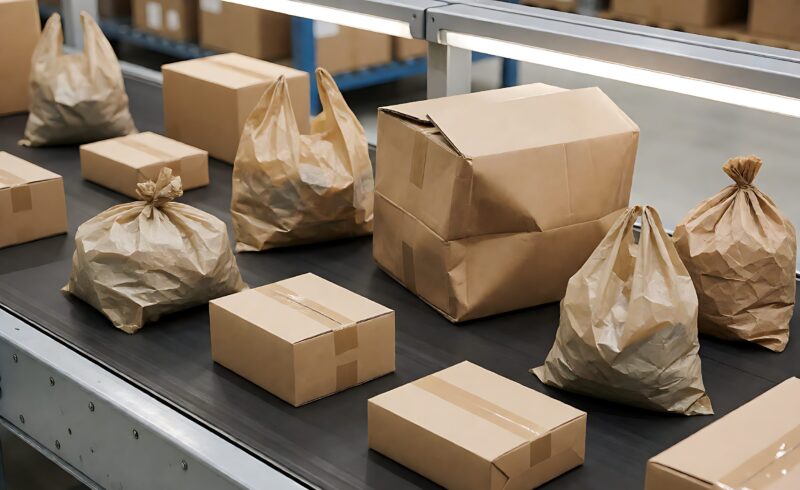
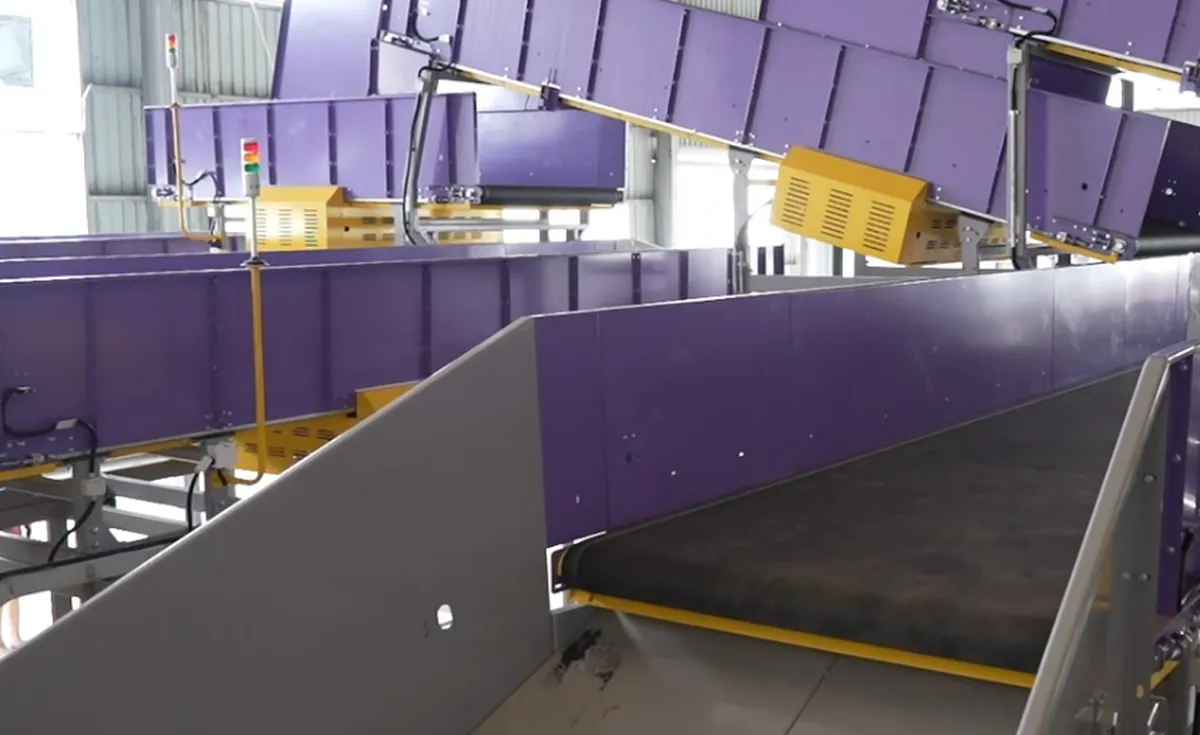
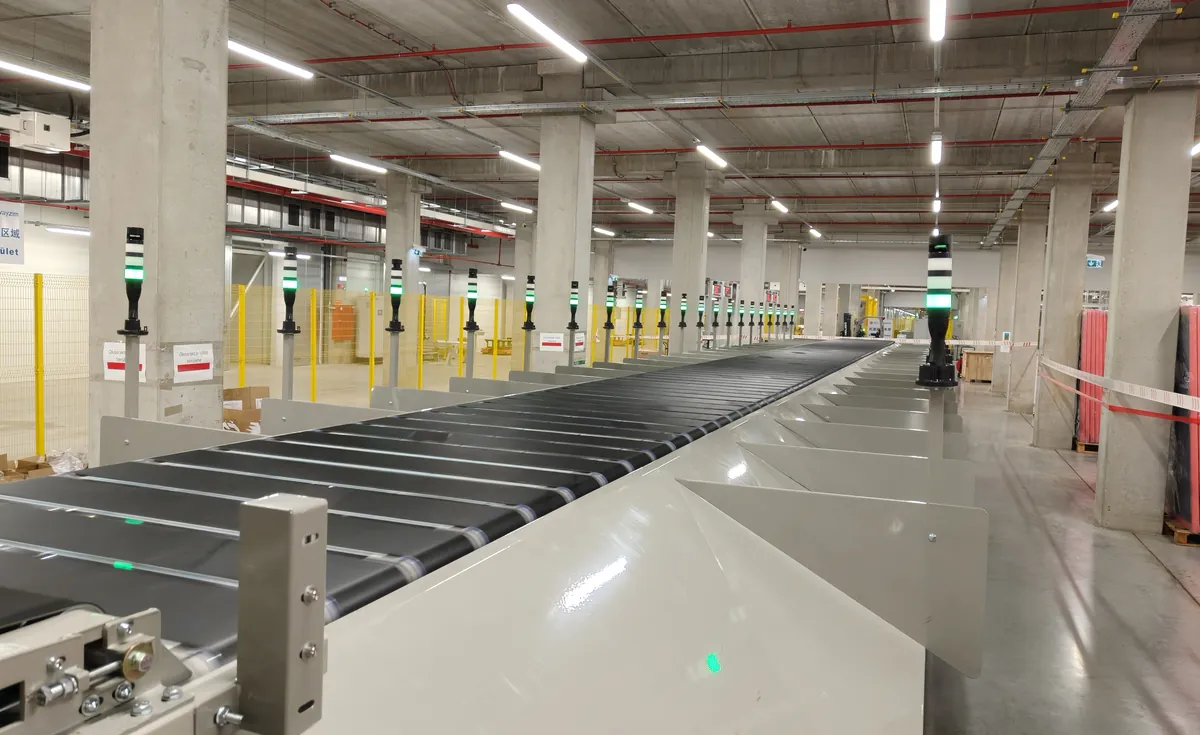
As global supply chains continue to evolve, the logistics and warehousing industry is experiencing an unprecedented wave of digital transformation. From traditional manual operations to intelligent and data-driven automation systems, digitalization has become the key to improving efficiency, reducing costs, and enhancing competitiveness.
In the past, warehouse operations often suffered from low visibility, inefficient management, and limited accuracy in inbound and outbound handling. Today, with the adoption of **automated sorting systems**, **intelligent conveyor lines**, **DWS (Dimensioning, Weighing, Scanning) systems**, and **WMS (Warehouse Management Systems)**, companies can achieve real-time monitoring, precise tracking, and efficient coordination — making the concept of the “smart warehouse” a reality.
Digitalization not only transforms how work is done but also revolutionizes how decisions are made. By analyzing logistics data, companies can better forecast order trends, optimize resource allocation, and proactively respond to market fluctuations. This data-driven approach turns warehousing from a cost center into a strategic advantage.
Among the leaders in this transformation, **TRUELISORT** provides advanced automated sorting and conveying solutions to help global clients achieve intelligent warehouse upgrades. From electric wheel sorters to spiral chutes, and from dimensioning and weighing systems to full automatic sorting lines — digital technology is making logistics faster, smarter, and more accurate.
Looking ahead, as artificial intelligence, IoT, and robotics technologies continue to integrate, the future of warehousing will enter a new era of intelligent collaboration. This is not just a technological evolution — it is the foundation for sustainable and high-quality growth across the logistics industry.
A New Era of Expectations: The Customer Behind the Warehouse KPI
Warehouse KPIs look inward, but each one traces to a customer expectation. Tracing the lines changes priorities:
| Warehouse KPI | Customer expectation behind it | What breaks when it slips |
|---|---|---|
| Order-to-ship hours | “It ships when they said” | First repeat-purchase hesitation |
| Sort accuracy | “It arrives right” | Service tickets, trust discount |
| Peak availability | “Holiday orders behave like always” | Brand damage at highest stakes |
| Return processing speed | “Refunds don’t take weeks” | Cart hesitation at purchase |
The return-speed row is the newest expectation and the least staffed. Customers now read refund turnaround as part of the product’s price, and their purchase hesitation — visible in every abandoned cart study — prices the warehouse’s reverse-logistics speed directly into revenue. Tracing KPIs to expectations also disciplines internal arguments: a stalled accuracy investment looks different when stated as “our sort errors become somebody’s disappointing evening,” and the service-team data confirms it daily. E-commerce compressed these expectations from weeks to days; automated sorting is how warehouses answered, and the next compression — hours — is already standard in some categories. Operations that keep the customer visible behind every KPI find their investment cases write themselves, because the numbers stop being internal vanity and become promises with names attached. The e-commerce sorting engine behind this is in e-commerce parcel sorting, and the digital-age context in sorting in the digital age. Reference: customer service and e-commerce.
Customer voice also needs a standing seat in warehouse reviews: the week’s service complaints traced to their sorting causes, read aloud in the operations meeting. Three minutes weekly keeps the KPI-to-expectation map honest and gives the floor crew the “why” behind the accuracy standard. Reference: voice of the customer and satisfaction measurement.