

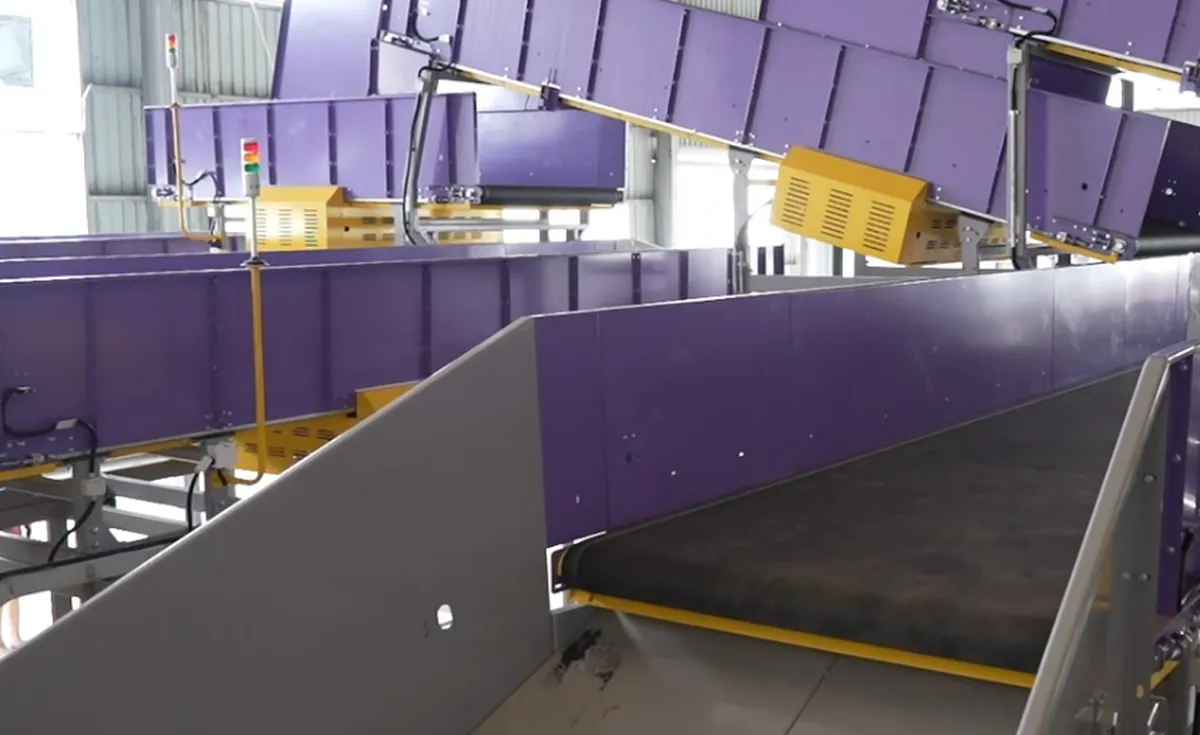
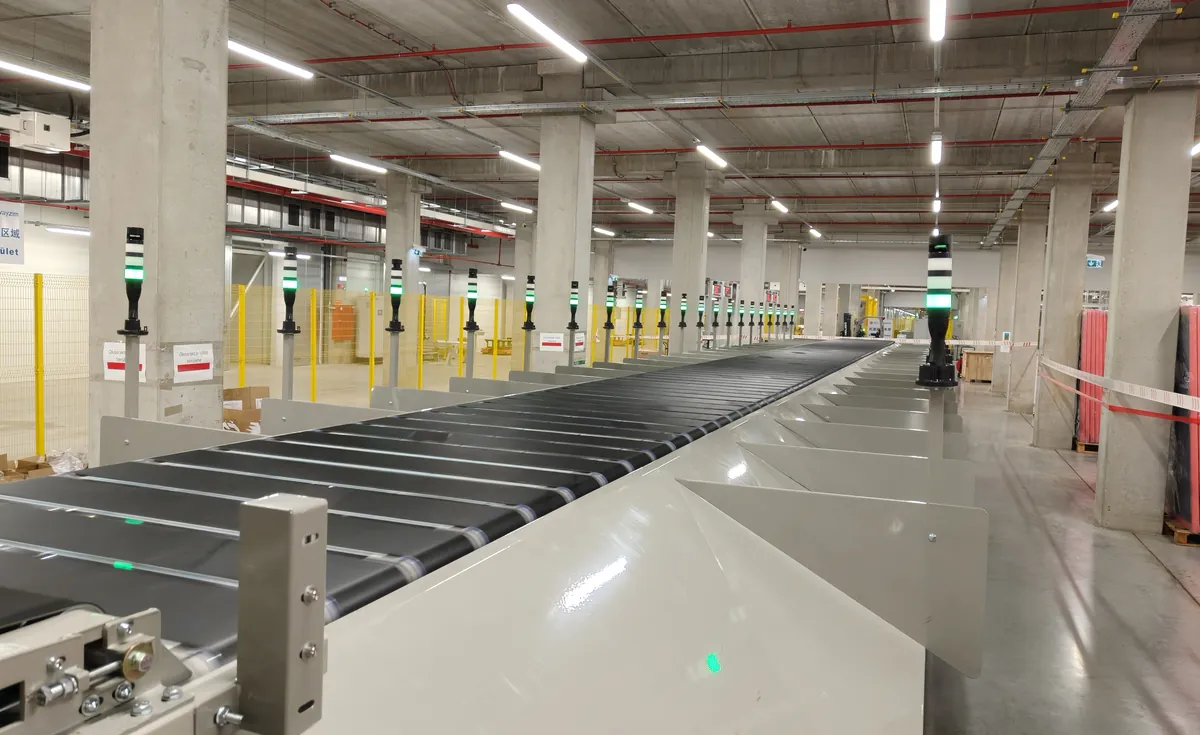
Smart logistics, driven by IoT, AI, and Big Data, is reshaping traditional supply chain models. Real-time tracking of goods, predictive maintenance of equipment, and AI-powered demand forecasting are enhancing visibility and control across logistics networks.
One of the major advancements is the adoption of Automated Guided Vehicles (AGVs) and Autonomous Mobile Robots (AMRs) in warehouses. These intelligent machines can navigate complex environments, work collaboratively with human operators, and adjust workflows dynamically based on real-time data.
Additionally, sustainability is becoming a core focus in logistics operations. Smart routing algorithms are helping reduce fuel consumption and carbon emissions, while green packaging solutions and energy-efficient sorting systems are being implemented across facilities.
As global trade complexities increase, smart logistics will be essential for businesses to remain agile, reduce costs, and meet evolving customer expectations. The integration of smart technologies will not only streamline operations but also pave the way for a more resilient and sustainable logistics ecosystem.
Supply Chain Operations: Three Questions a Smart Sorter Answers
Supply chain operations run on questions asked hourly. A smart sorting system quietly answers three of them better than any manual process:
| Question | Manual answer | Sorted operation answer |
|---|---|---|
| “Where is it?” | Best guess between scan events | Every parcel positioned by divert, timestamped |
| “Will it leave today?” | Known only at the loading dock | Predictable from induction rate and lane fill |
| “Can we take more?” | Asked with crossed fingers | Answered from nameplate minus current load |
The second question is where smart sorting quietly rebuilds trust across the whole chain. Customer service teams that can see lane fill and loop rate stop making promises in the dark — they quote departure confidence from live data, and their estimates start landing. Upstream, the same visibility flows back as planning discipline: if the sorter will miss a cut-off at current rate, knowing it at 2 p.m. leaves options that 6 p.m. does not. That shift — from discovering failure at the dock to predicting it at induction — is the operational difference between automation that moves parcels and automation that runs a network. The data plumbing behind this is in the data ladder, and the resilience payoff in sorting as shock absorber. Reference: supply chain visibility and track and trace.
Answer frequency is the practical test that sorts the three questions. One is answered hourly by the dashboard, one weekly by the planning meeting, one quarterly by the board — and when a warehouse cannot say which is which, its reporting grows until everything answers nothing. Reporting designed around answer frequency stays thin, trusted, and actually read. Reference: operational dashboards and KPI discipline.
Sensing, Deciding, Acting
The intelligence described here runs in three layers — sensing at induction, deciding in software, acting at the divert — and the layers are separable: shops can upgrade decision logic before hardware, capturing gains without capex. The layer-by-layer mechanics are in the intelligence layers guide.