

The logistics sector is at the heart of global commerce, enabling businesses to deliver products efficiently across borders and markets. With rapid advances in technology, the industry is moving beyond traditional practices to embrace smarter, faster, and more sustainable solutions.
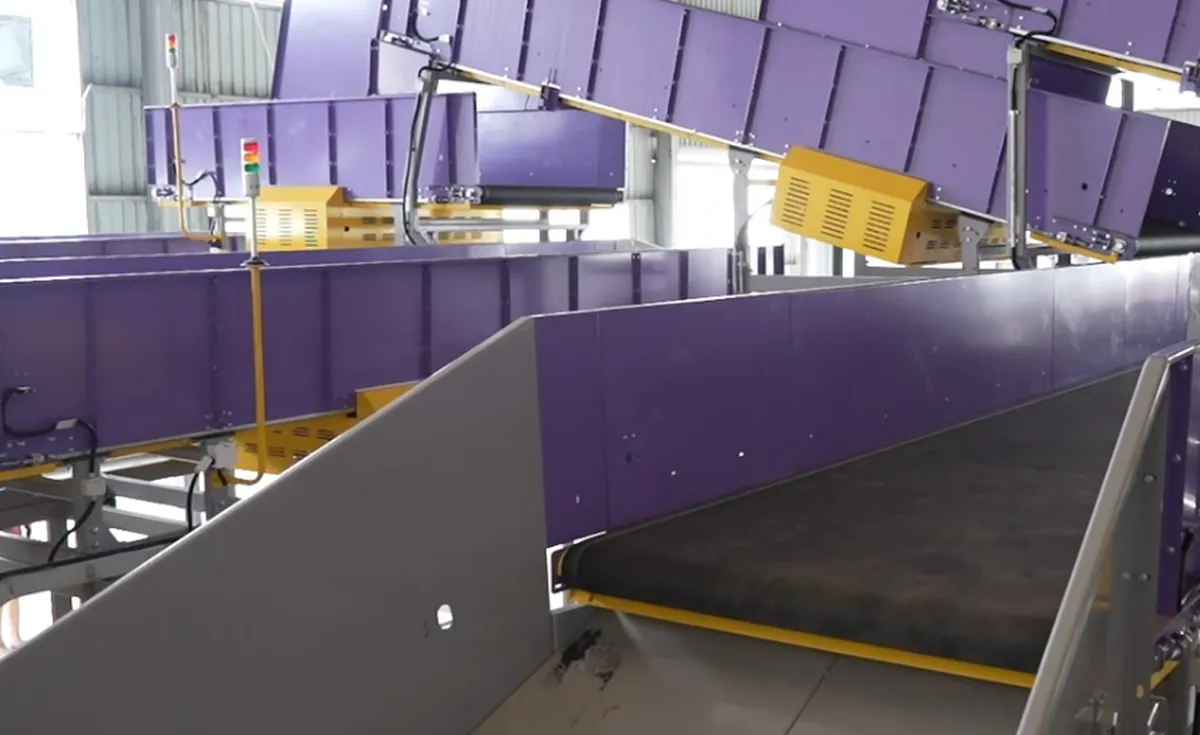
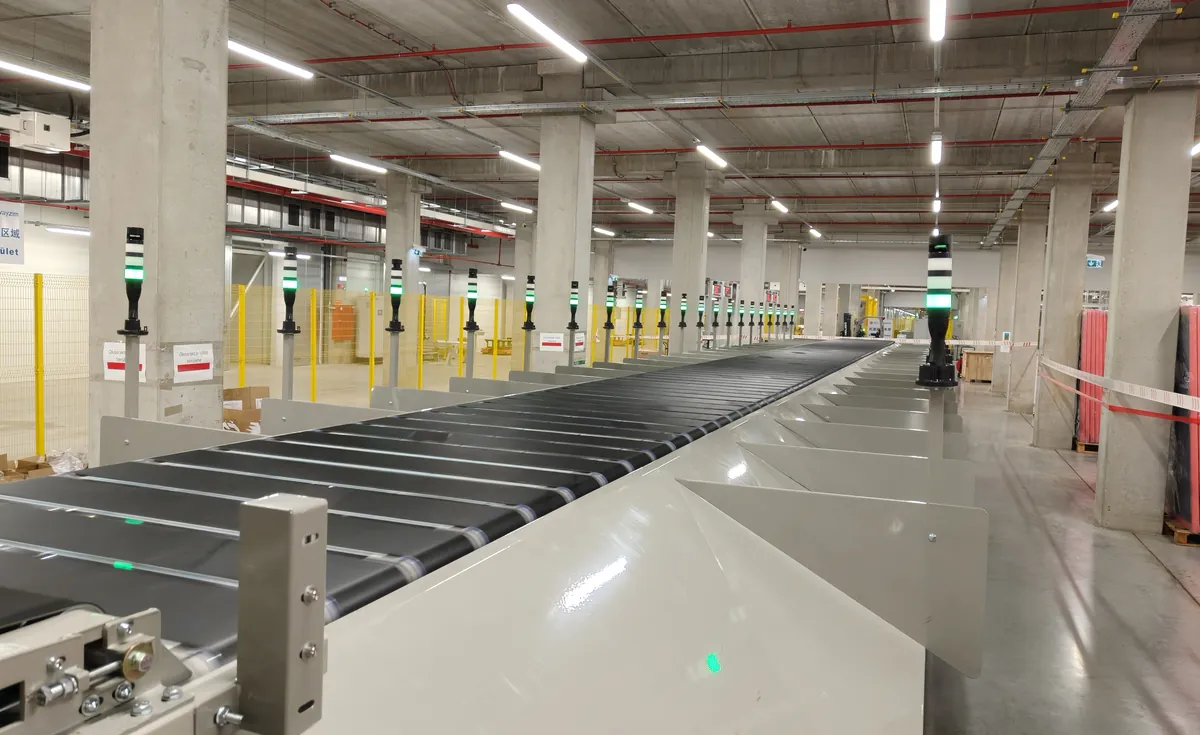
Automation is leading this transformation. From conveyor systems and parcel sorters to autonomous mobile robots, technology is reshaping warehouse operations and last-mile delivery. These innovations not only reduce costs but also increase accuracy and throughput, which is essential in meeting the demands of e-commerce and just-in-time supply chains.
Digitalization is equally important. Real-time tracking systems, cloud-based platforms, and predictive analytics are giving companies and customers greater visibility into every stage of the logistics process. This transparency helps businesses make data-driven decisions while building trust with end users.
Sustainability remains a top priority. Green logistics initiatives, such as the use of renewable energy, recyclable materials, and electric fleets, are becoming central to corporate strategies. These steps not only reduce environmental impact but also align with consumer expectations and regulatory requirements.
The logistics industry is no longer just about moving goods—it’s about delivering value, innovation, and sustainability. Those who embrace these changes will set the standard for the future of global supply chains.
Innovation’s Real Test: What Ships, What Scales, What Stays
Innovation shapes logistics, but not all innovation deserves the same posture. Three tests separate lasting change from trade-show noise:
| Test | Question it asks | Passing example |
|---|---|---|
| Ships? | Is it running at reference sites today? | Vision-guided singulation at production rate |
| Scales? | Does it work at 10x volume without redesign? | Software-defined destination maps |
| Stays? | Will it matter in five years’ operation? | Open APIs absorbing future intelligence |
The scaling test catches the most impressive failures. A prototype that works at demo volume often embodies a hidden assumption — parcel presentation, dwell time, operator attention — that production volume violates a thousand times per hour. Reference visits exist precisely to surface those assumptions: watching a system handle the worst hour of someone else’s peak predicts your own far better than any staged demonstration. The staying test rewards patience in a different direction: several genuinely useful innovations — barcode standards, conveyor geometries — are decades old precisely because they solved permanent problems. Buyers who apply all three tests end up with portfolios skewed toward the boring and the durable, which is exactly where operational value concentrates. The trend triage applying these tests is in four trends that survive scrutiny, and the equipment layers in where innovation lands. Reference: innovation management and technology readiness levels.
The three tests gain force when weighted. A buyer whose operation prizes durability weights “stays” heaviest; a fast-scaling one weights “scales.” Publishing the weights before viewing demonstrations disciplines everyone — including your own team’s enthusiasm for whatever demoed last — and turns three instincts into one repeatable scorecard. Reference: decision scoring methods.
The Digital-Age Version of an Old Discipline
Sorting is an old discipline running on new instruments: the decisions are older than the warehouse, but the sensing and the software are new, and the digital-age version differs from its ancestors mostly in how fast the feedback loop closes. The digital-layer mechanics are in the digital-age sorting guide.