

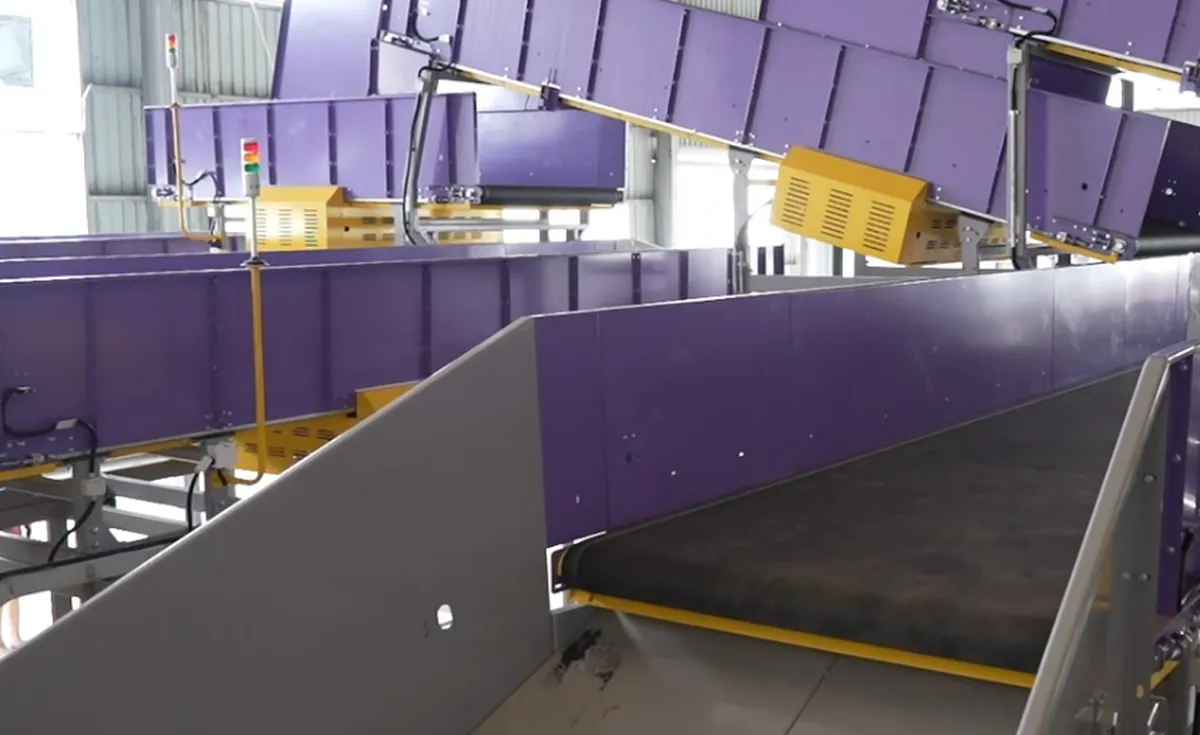
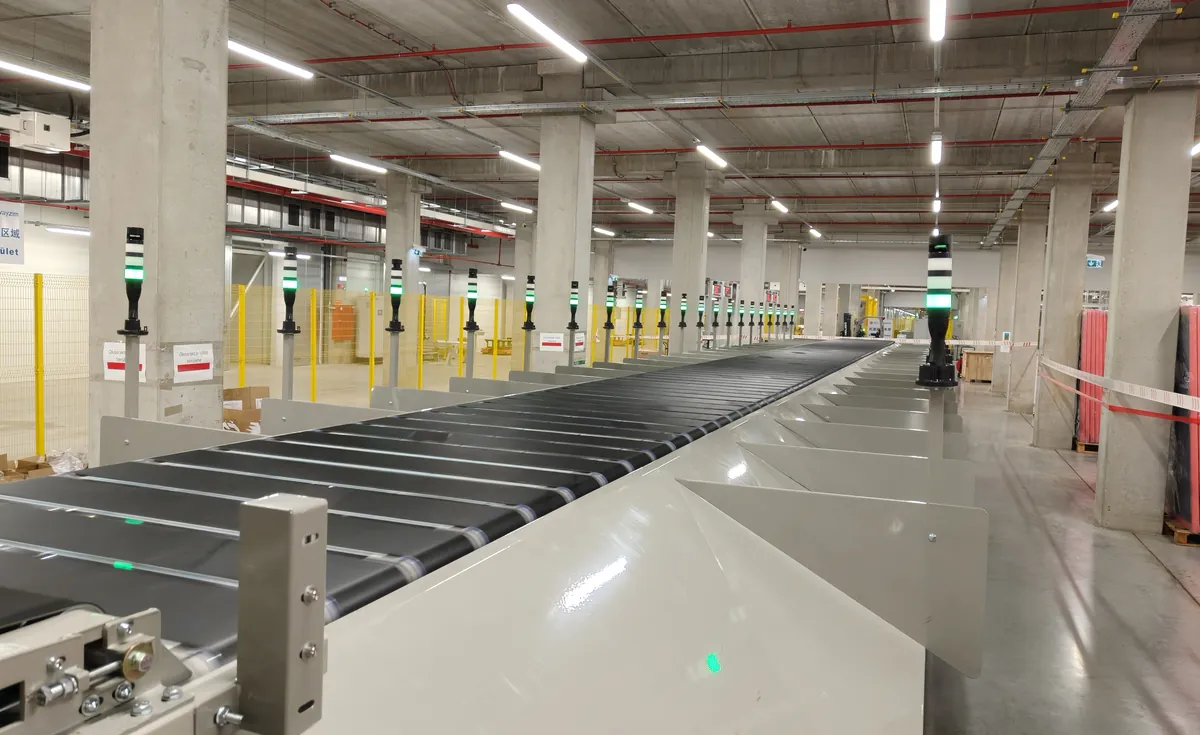
In today’s rapidly evolving logistics landscape, **innovation** is no longer an option—it’s a necessity. From e-commerce giants to local distribution centers, businesses are under increasing pressure to handle more parcels, faster and more accurately than ever before. This growing demand has turned **automation and intelligent sorting systems** into the beating heart of modern logistics.
At the forefront of this transformation are **next-generation sorting solutions**, such as narrow-belt sorters, cross-belt sorters, and electric wheel sorters. These systems integrate advanced sensors, AI-based image recognition, and real-time data control to achieve higher throughput, lower error rates, and more flexible configuration for various parcel types.
One key innovation reshaping the industry is the **modular design philosophy**. Unlike traditional systems that require complex installations, modular sorters can be easily reconfigured or expanded to match business growth. This adaptability significantly reduces downtime and investment risks.
Moreover, **sustainability** has become another driving force for innovation. Energy-efficient motors, low-noise operation, and recyclable materials are now standard considerations in equipment design. The focus is shifting from “fast and powerful” to “smart and sustainable.”
As global logistics continues to evolve, companies that embrace innovation will lead the way—transforming not only how goods are sorted and moved, but also how value is created across the entire supply chain.
The Innovation Ledger: What Each Layer of Change Actually Buys
Sorting innovation arrives in layers, and they buy different things. Separating them keeps budgets honest:
| Layer of change | What it costs | What it actually buys |
|---|---|---|
| Feature-layer (software updates) | Often included or subscription-priced | Convenience and reporting depth |
| Module-layer (new divert types) | Capex plus install downtime | New parcel-handling capability |
| Architecture-layer (control platform) | Major capex plus migration risk | Years of upgrade headroom |
The architecture row is where buyers earn or lose the most, and it is the row vendors discuss least. A platform chosen well absorbs a decade of feature-layer improvements without touching the conveyor line; chosen poorly, it turns every future capability into a module-layer project with its own downtime and re-validation. The practical discipline is to score each innovation announcement by layer before reacting — most trade-show headlines are feature-layer, while the quietly decisive decisions concern APIs, data ownership and control-hardware openness. Operations that keep a ledger of which layer each past purchase touched develop a feel for where their next disruption risk sits, and negotiate accordingly. The equipment layers this ledger tracks are profiled in where innovation lands in equipment, and the trend triage in which trends survive scrutiny. Reference: disruptive innovation and research and development.
One sequencing insight completes the ledger: architecture-layer decisions made well make other layers’ mistakes reversible; made poorly, they make every other mistake permanent. That asymmetry — not any single feature — is why the platform choice deserves disproportionate scrutiny. Reference: vendor lock-in and path dependence.
The Global Lens
Read against the global landscape, this piece gains a second layer: the same automation logic is being adopted at three different speeds across regions, and the constraints that shape a European retrofit differ from a greenfield build. The regional adoption speeds puts those speeds side by side, and the direction they all point is the same one this article traces.