
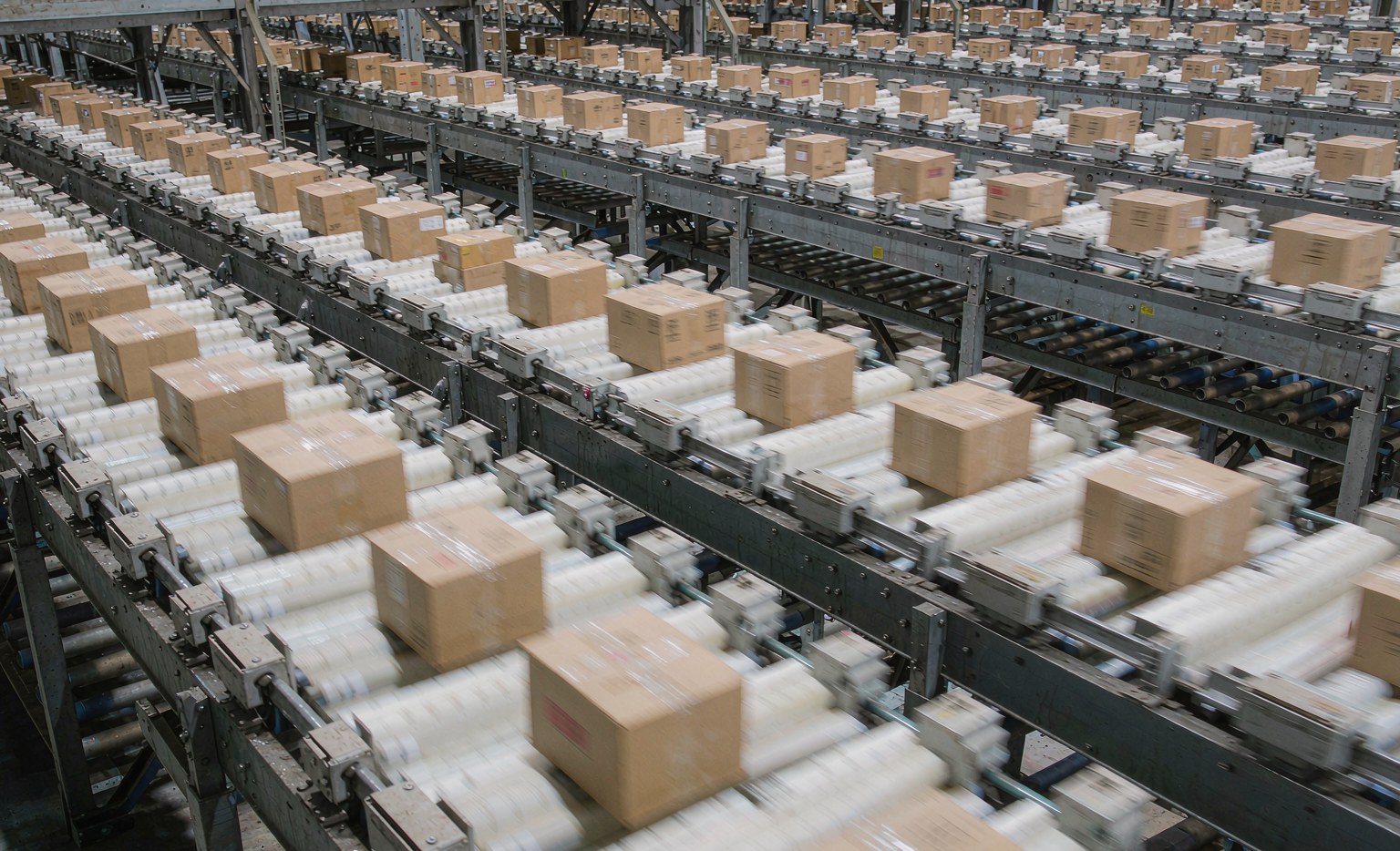
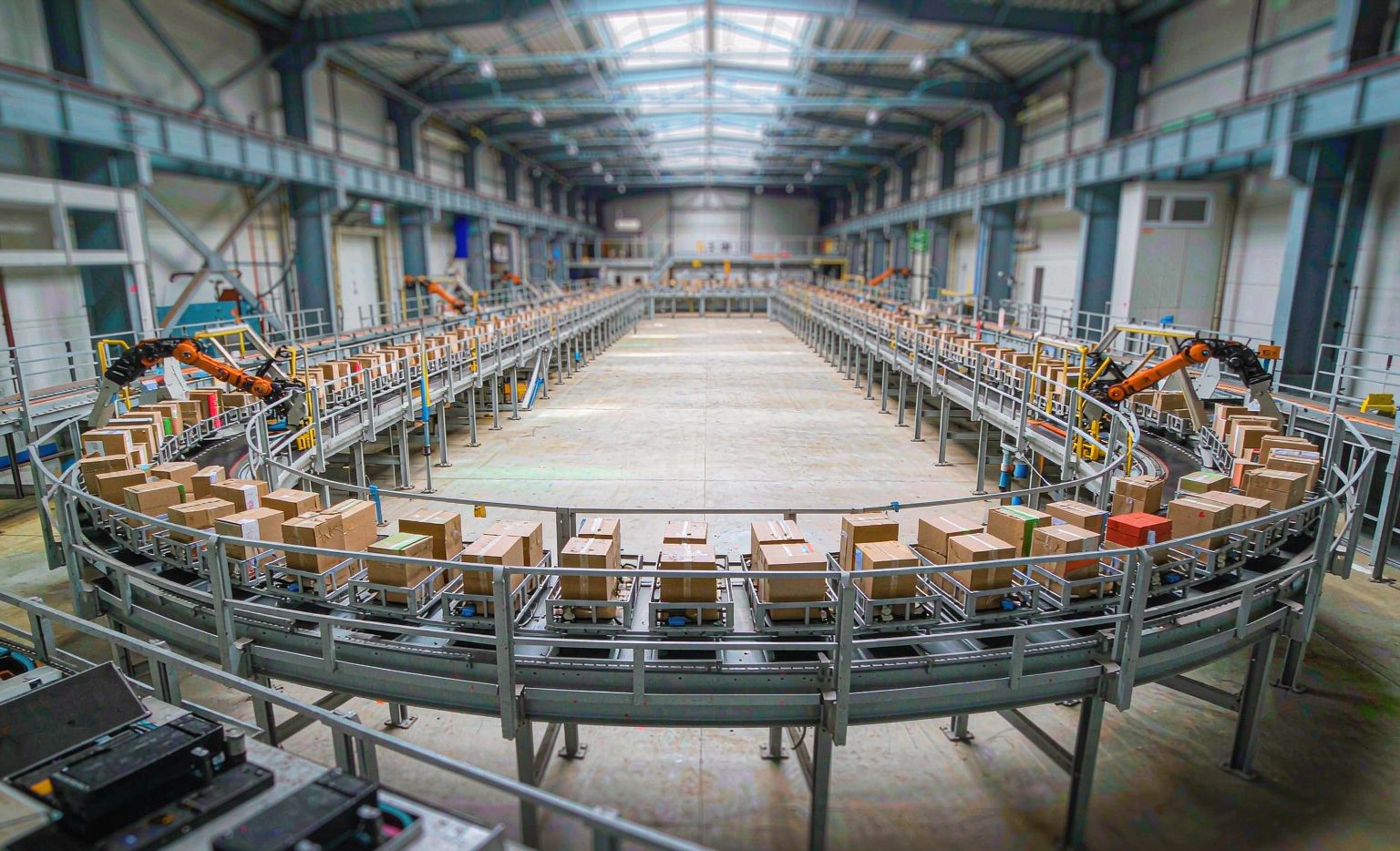
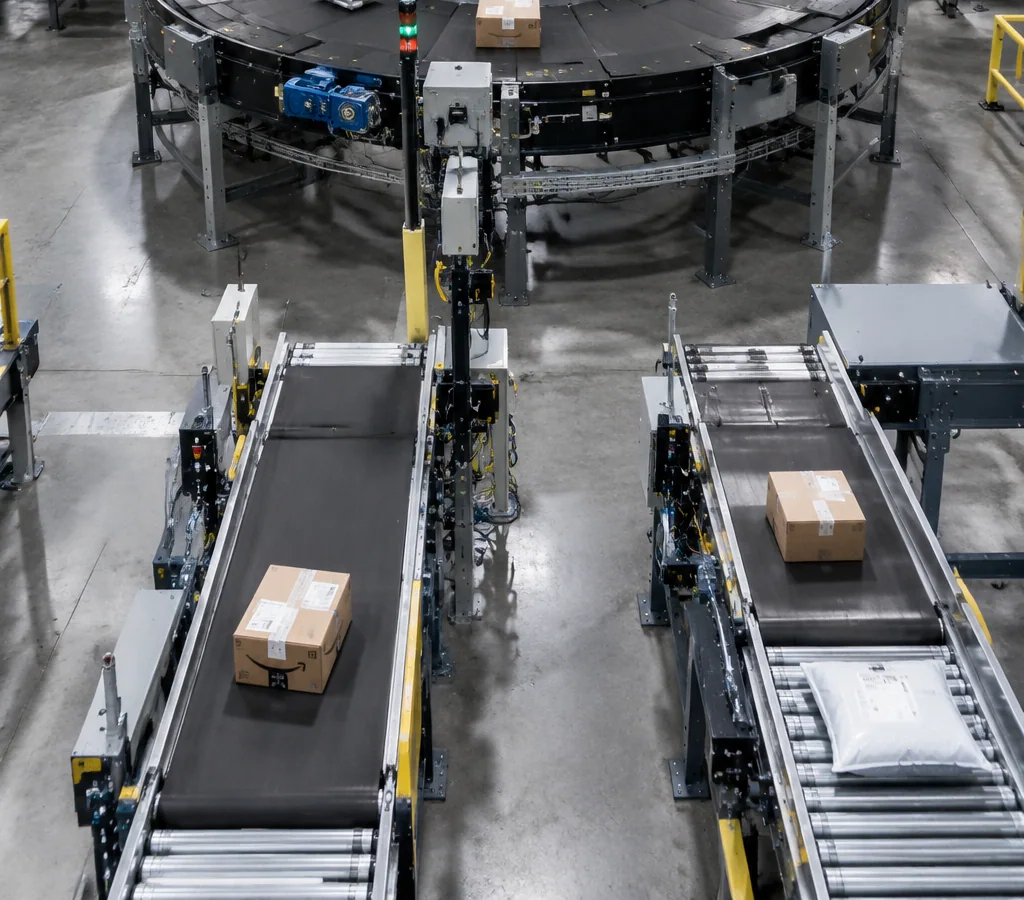
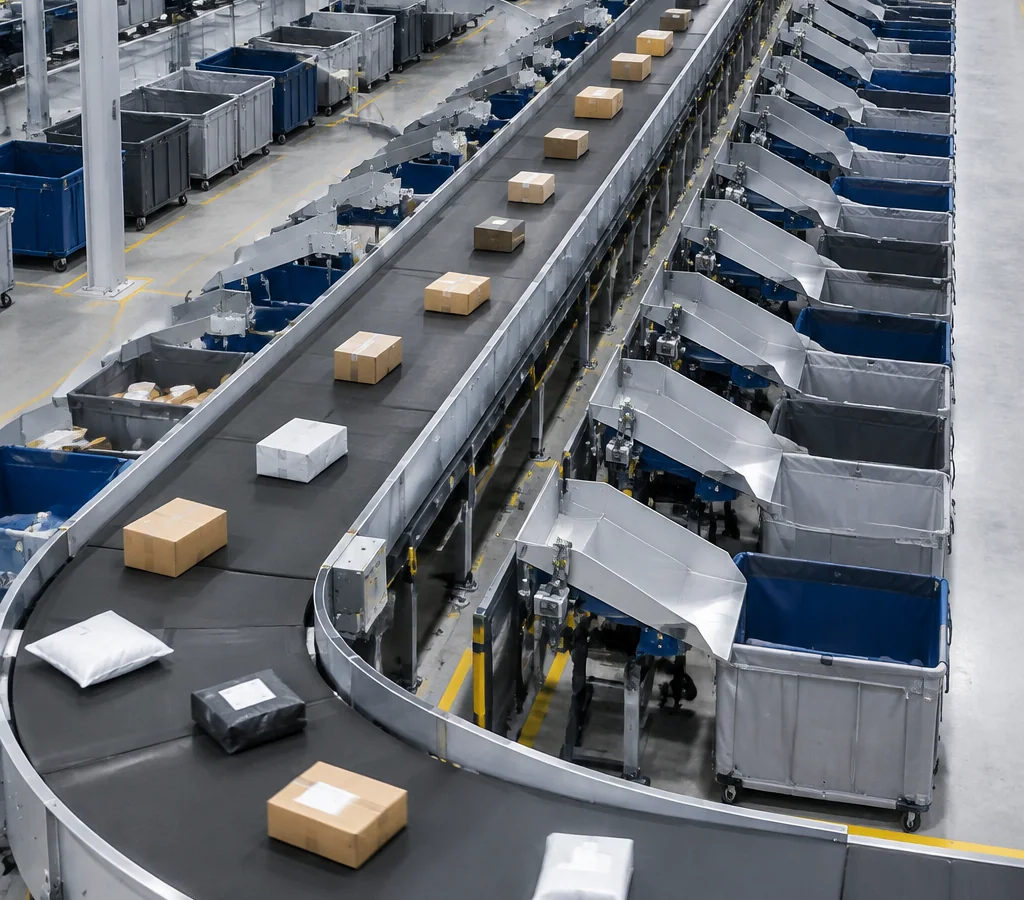
The rapid growth of global e-commerce is pushing logistics centers to handle higher parcel volumes with greater speed and accuracy. Traditional manual sorting can no longer meet these demands, making intelligent automated systems—such as cross belt sorters and DWS solutions—essential for modern operations.
Automated sorters deliver **high throughput**, **stable 24/7 performance**, and **precise parcel tracking**, helping warehouses reduce labor costs and minimize errors. With real-time data integration, these systems enable smarter decision-making, predictive maintenance, and seamless connectivity with upstream and downstream processes.
As logistics providers face rising costs and sustainability pressures, efficient automation becomes a key competitive advantage. Intelligent sorting solutions not only boost productivity but also support scalable, energy-efficient warehouse operations.
In a fast-moving e-commerce era, automation is no longer optional—it is the foundation for future-ready logistics.
What “Intelligent” Actually Adds to a Sorter
The mechanical sorter — induction, scan, divert — has not changed much in a decade. The “intelligent” layer sits on top and changes how exceptions are handled. A rule-based line follows fixed divert logic; an intelligent layer reroutes in real time when a barcode is unreadable or a chute backs up. The table below separates what the software can and cannot do.
| Capability | Rule-based | Intelligent layer |
|---|---|---|
| Sort decision | Fixed divert table | Dynamic reroute on congestion |
| Unreadable label | Send to manual exception | Vision + weight cross-check, auto-recover |
| Throughput tuning | Manual, hourly | Continuous, per laneset |
| Capital cost | Low | Moderate (software + sensors) |
Frequently Asked Questions
Does AI replace the mechanical sorter?
No. The conveyor, scan tunnel and divert arms are unchanged. Intelligence only decides where each parcel goes and how the line rebalances when one lane saturates.
What data does an intelligent layer need?
A reliable scan feed, a weight scale at induction, and a real-time view of chute occupancy. Without those three, the software is guessing.
When is it not worth it?
Below roughly 10,000 parcels per shift, a well-tuned rule-based line with a small manual exception bench usually wins on payback. The intelligent layer earns its cost at scale and at peak.
For the mechanical backbone these systems ride on, see our cross-belt sorter technical guide and the same-day-delivery throughput breakdown. The operational context draws on warehouse automation literature and the standards work of MHI.
Going Deeper
Intelligent sorting systems earn the adjective in three layers — sensing (weight, dimensions, barcode quality at induction), deciding (destination logic that adapts to the day’s profile), and acting (diverts that execute the decision at rate). Shops evaluating intelligence should ask which layers are real: sensing without deciding is telemetry theatre, and deciding without rate is a demo. All three, working together, are what changes the monthly numbers.
The three-layer mechanics are unpacked in how intelligent systems sense, decide and act. Reference: machine learning in operations.