

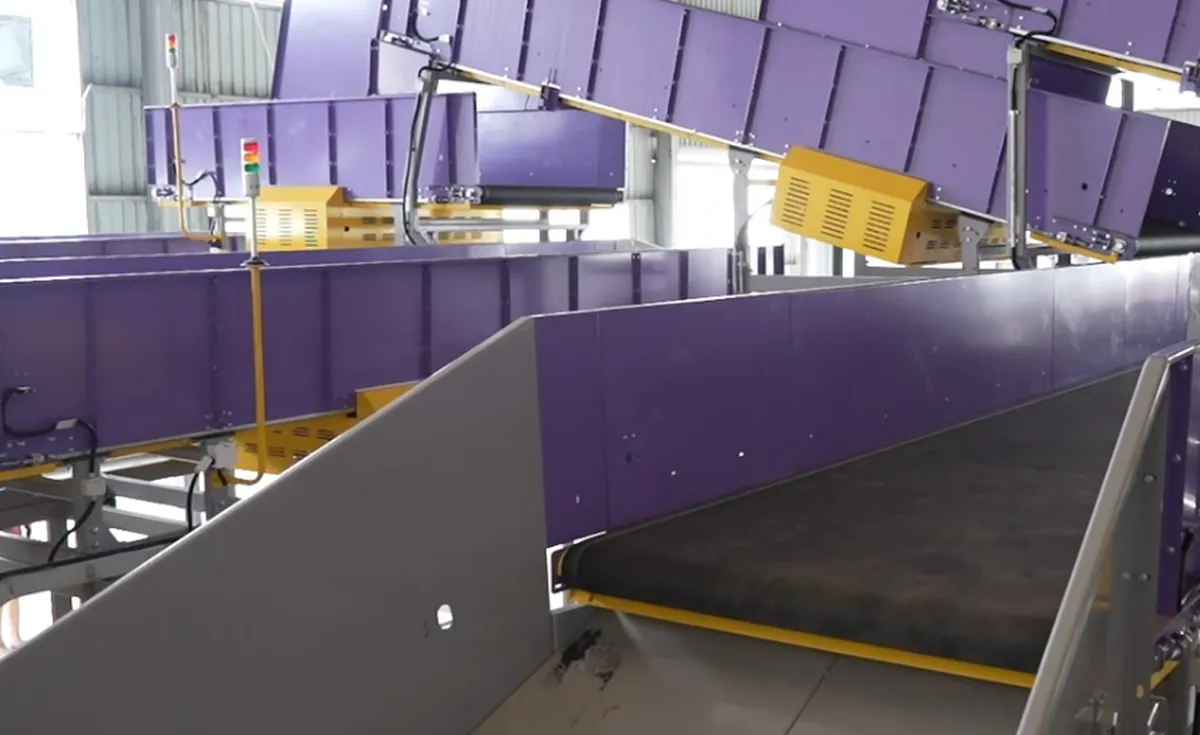
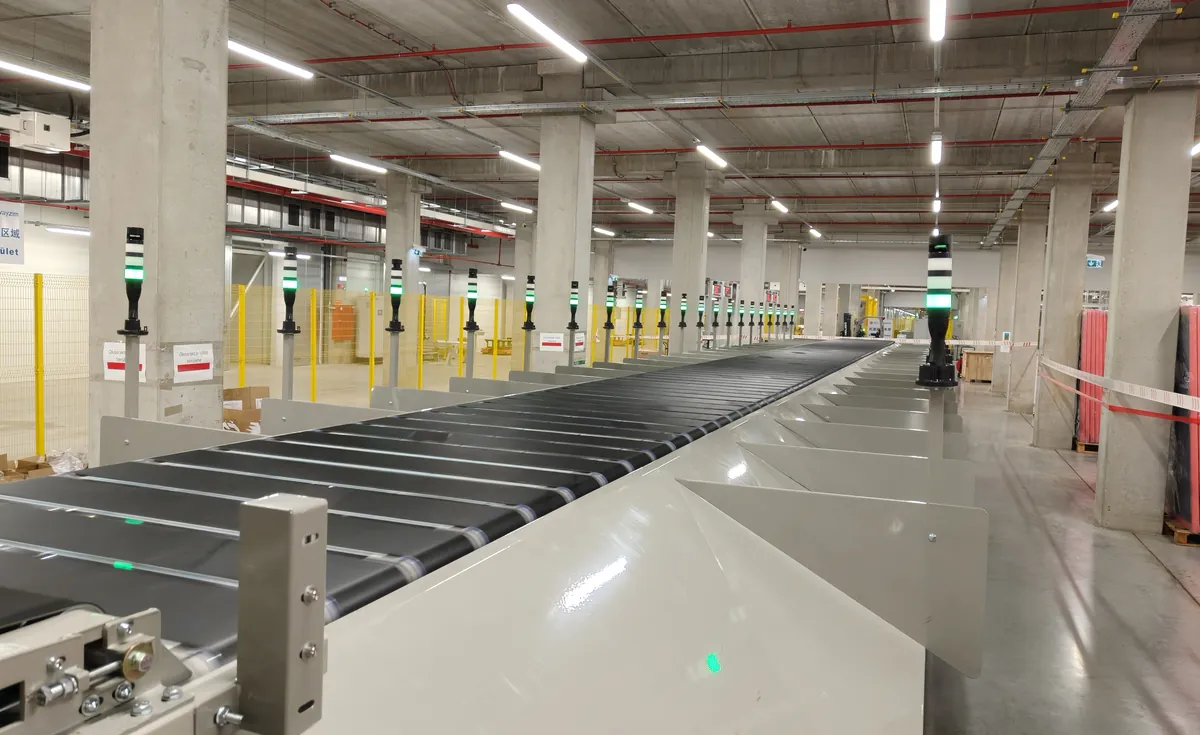
In today’s fast-paced world, warehouses are at the heart of logistics operations. With rising demand for faster processing times and efficient sorting systems, businesses are turning towards innovative solutions to meet these challenges. One of the key advancements in the field of logistics automation is TRUELISORT, a advanced sorting technology that is transforming the way products are handled within warehouses.
TRUELISORT employs advanced sorting mechanisms that streamline the sorting process, improve speed, and ensure accuracy. Designed to handle a wide range of products, TRUELISORT can handle everything from small items to large packages with ease. Its durable design and precision technology make it a reliable choice for warehouses looking to improve throughput and reduce manual labor costs.
The system uses intelligent sorting algorithms that optimize the routing of products based on their size, weight, and destination. This automation not only enhances operational efficiency but also minimizes human error, leading to smoother workflows and higher productivity. With the ability to integrate smoothly into existing systems, TRUELISORT offers businesses a scalable solution that adapts to their growing needs.
For businesses that rely on fast-paced, high-volume logistics, implementing TRUELISORT can result in significant operational savings, faster order fulfillment times, and improved customer satisfaction. The future of warehouse automation is here, and TRUELISORT is leading the charge.
Efficiency, Audited: Separating Measured Gains from Claimed Ones
Every vendor claims efficiency gains. The operations that realize them treat the claims as hypotheses to audit:
| Claimed metric | How to audit it | Typical gap found |
|---|---|---|
| “3x throughput” | Rate at your worst parcel, not their best | 2x at mixed profile; 3x only at uniform |
| “99.9% accuracy” | Accuracy by exception type, logged | Headline hides one recurring class |
| “40% labour saving” | Full-cost labour model, not headcount | Roles shift more than they vanish |
| “Months payback” | Own data, three-year horizon | Holds only at forecast volume |
The labour row reframes quietly but fundamentally. Automation rarely deletes a role count; it changes the composition — fewer repetitive sorting hours, more exception handling and maintenance hours — and the business case that admits this shapes better training plans than one pretending to headcount reduction. The accuracy row rewards buyers who demand the log, not the number: a single recurring exception class at one part per thousand dominates the operational experience, and knowing which class it is tells you whether it matters for your mix. Auditing is not distrust; it is how professional buyers and confident vendors meet — the vendors who welcome the audit have usually run it on themselves already. The measured baselines behind these claims are in the numbers that move, and the efficiency mechanics in what intelligent sorting unlocks. Reference: audit and benchmarking.
Auditing also works better as a rhythm than as an event: a monthly self-audit of three headline claims against logs keeps the operation’s own numbers honest, and makes the annual vendor-facing review a formality rather than a forensic project. Reference: process control charts and indicator governance.
The ROI Discipline
Before acting on any of this, the ROI discipline applies: current utilisation measured over two weeks, labour cost fully loaded, rework rates by part family, and a forecast built from contracted demand. The sequencing and the numbers behind the discipline are in the ROI calculation guide.