

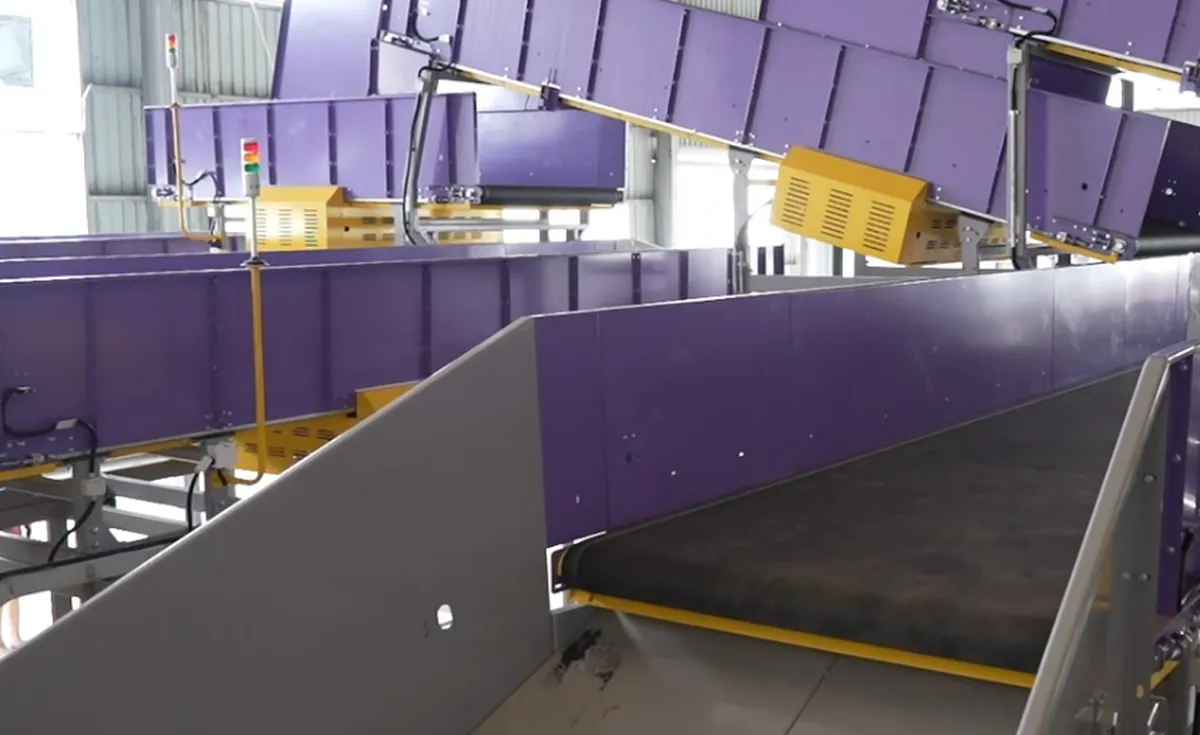
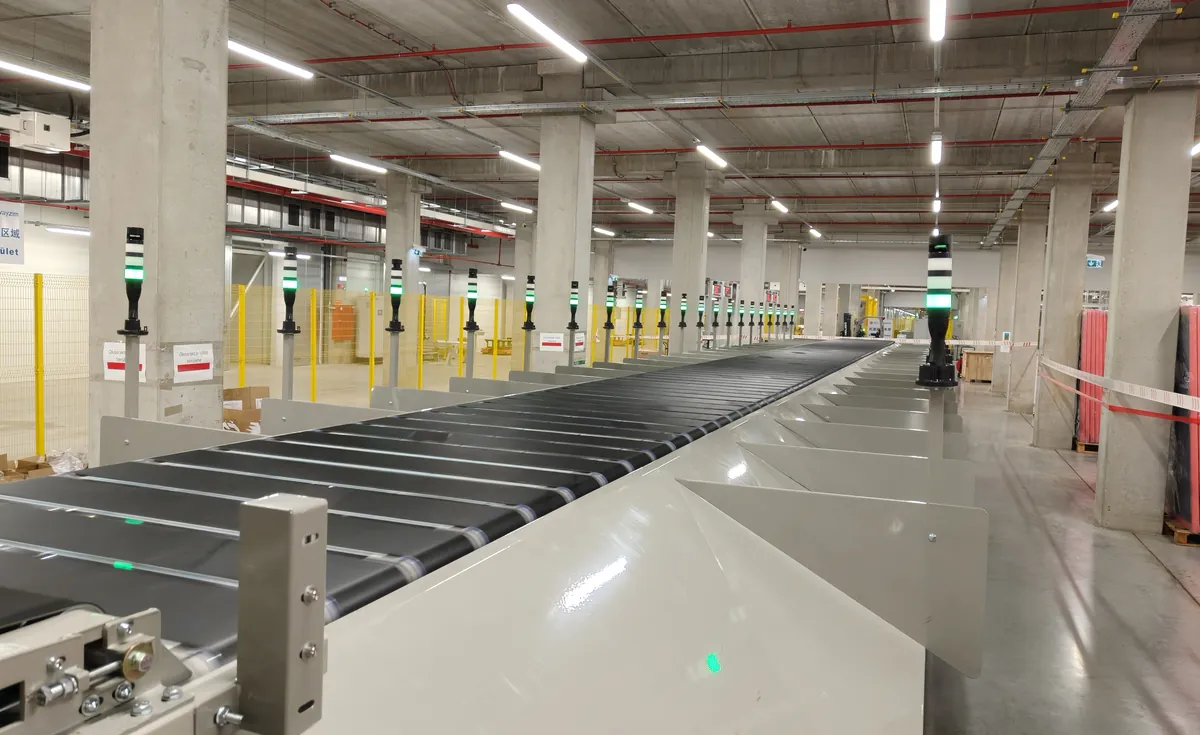
The logistics sector is under continuous pressure to handle larger volumes of parcels faster and more efficiently. Traditional manual sorting methods are no longer sufficient to meet today’s demands. This is where **smart sorting technologies** come into play.
Modern solutions like **automated cross-belt sorters, wheel sorters, and parcel singulation systems** are enabling logistics hubs to achieve higher accuracy with minimal errors. These systems not only streamline the flow of goods but also reduce operational costs.
Another trend is the **integration of OCR and image capture systems** within parcel handling lines. This technology ensures that every shipment is recorded, tracked, and processed with full transparency. It enhances security, prevents disputes, and improves customer trust.
Sustainability is also shaping the future of logistics. By optimizing energy usage and reducing waste through intelligent automation, companies are aligning with global environmental goals while maintaining efficiency.
In conclusion, smart sorting solutions are more than machines – they represent a **strategic upgrade** for logistics companies to remain competitive in a fast-changing global market.
Operations Transformed, Shift by Shift
Smart sorting transforms logistics operations in a sequence that plays out shift by shift. The transformation timeline, as operators actually report it:
| Phase | What changes on the floor | What management notices |
|---|---|---|
| Weeks 1–4 | Muscle memory rewires around induction discipline | Error reports drop before rate rises |
| Months 2–6 | Exception handling moves from hunting to benching | Supervisors start leaving on time |
| Months 6–12 | Volume growth absorbed without hiring rounds | Cost-per-parcel curve visibly bends |
| Year 2 | Rules tuned by your own team, weekly | The system outperforms its acceptance test |
The first phase’s direction surprises many projects: accuracy improves before throughput does, because induction discipline — label placement, singulation spacing — is the part of the craft the sorter makes visible. Operations that expect rate first misread the early weeks as under-delivery and start twisting knobs that needed settling time. The year-two row is the quiet test of the whole investment: when in-house tuning outperforms the vendor’s acceptance figure, the operation has crossed from owning equipment to operating a system, and every subsequent improvement compounds in-house. Transformation timelines also argue for patience in vendor selection — the supplier who plans your first six months of capability building, not just your go-live date, is pricing the whole table above. The efficiency sequence behind this arc is in measure, redesign, automate, optimise, and the value layers in four layers of value. Reference: operations management and organisational learning.
Within the shift-by-shift arc, the supervisor is the hinge every schedule forgets. Supervisors absorb the new system’s questions first and translate them for crews; operations that train this tier earliest — before the installation crews arrive — report measurably smoother ramps, because the crew’s first impression of the sorter is the supervisor’s calm. Reference: frontline supervision and workplace training.
Sensing, Deciding, Acting
The intelligence described here runs in three layers — sensing at induction, deciding in software, acting at the divert — and the layers are separable: shops can upgrade decision logic before hardware, capturing gains without capex. The layer-by-layer mechanics are in the intelligence layers guide.