
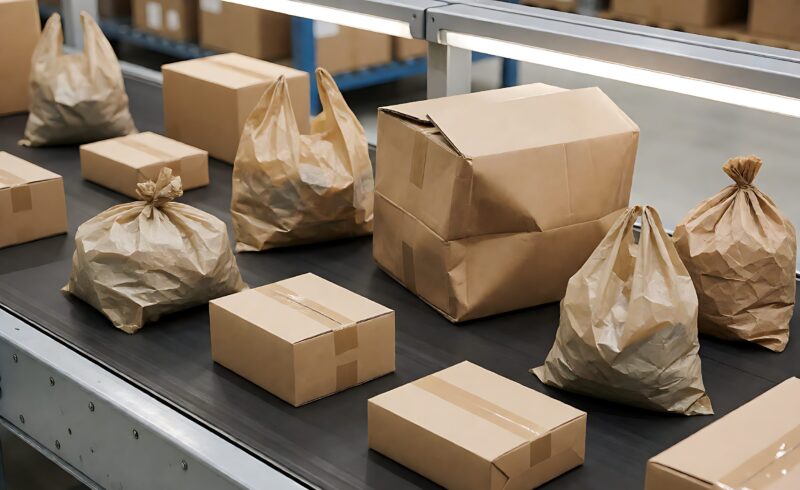

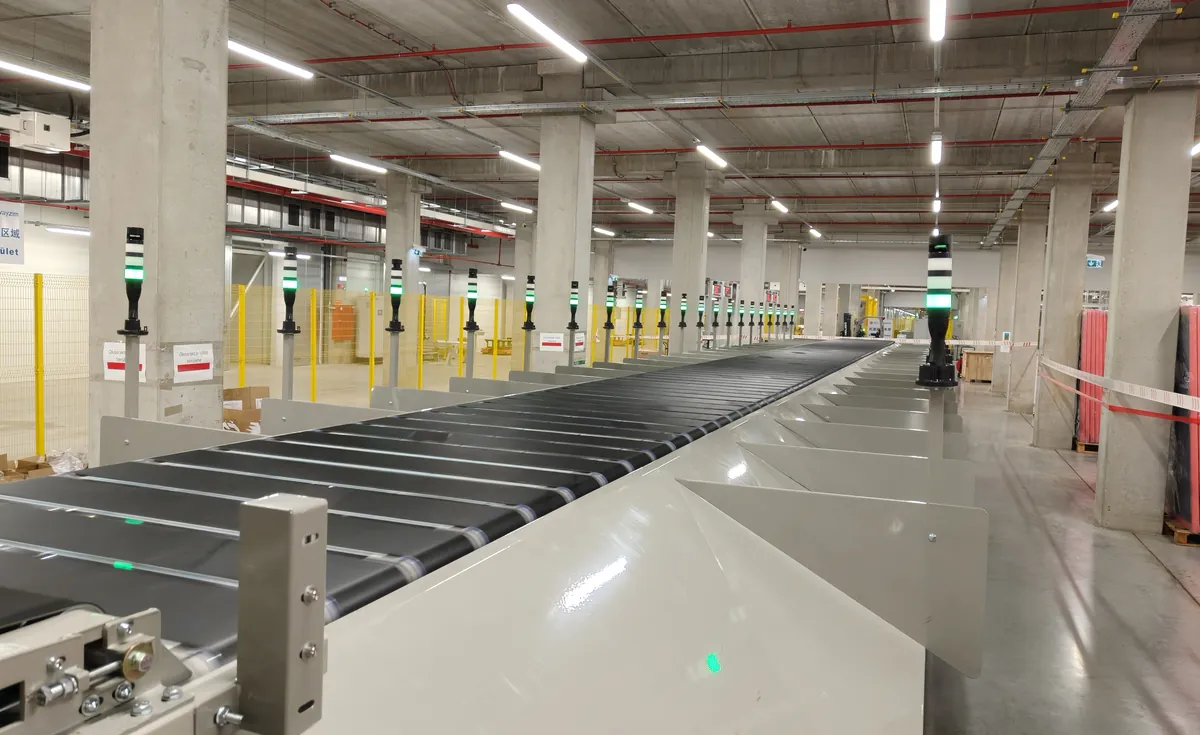
The rapid growth of e-commerce has pushed logistics providers to rethink their sorting processes. Speed, accuracy, and cost-efficiency have become top priorities, and smart sorting solutions are emerging as the answer. **TRUELISORT**, a leader in logistics automation, is at the forefront of this shift. Modern sorting systems are not just about moving parcels from point A to B; they’re about intelligent routing, real-time data integration, and smooth scalability. **TRUELISORT’s DWS systems (Dimensioning, Weighing, Scanning)** and flexible conveyor solutions enable warehouses to process thousands of parcels per hour with minimal human intervention. Beyond efficiency, automation reduces labor dependency, mitigates errors, and ensures smoother peak-season operations. For businesses aiming to deliver faster and more reliably, investing in smart sorting infrastructure is no longer optional—it’s essential. With successful projects across Europe, Asia, and Africa, **TRUELISORT** offers advanced equipment and, just as importantly, complete solutions including system design, on-site installation, and after-sales support. Partnering with TRUELISORT means gaining a competitive edge in the future of logistics.
E-commerce Futures Are Decided at the Sorter
E-commerce logistics strategies converge on a single chokepoint: whoever sorts fastest, promises most. Why the sorter decides the competitive future:
| Competitive lever | Sorter dependency | What the laggard suffers |
|---|---|---|
| Cut-off extension | Later last possible order needs faster sort | “Order by 4pm” loses to “by 8pm” |
| Delivery promise breadth | More destinations need confident diversion | Regional carriers dropped, coverage thins |
| Peak participation | Event volume is a sorter capacity question | Sales events surrendered to rivals |
| Returns as a service | Reverse logistics needs dedicated sort capacity | Merchants choose competitors’ platforms |
The cut-off row deserves arithmetic. Every hour added to a same-day cut-off multiplies conversion — evening orders are the largest untapped pool in most markets — but an hour of cut-off is bought entirely at the sorter: the parcels that arrive in that hour must be sorted, staged and loaded inside the departure window. Manual operations cannot buy that hour at any wage; automated ones buy it with nameplate rate. The same logic runs the returns row: merchants increasingly choose fulfilment partners on returns handling, a flow that lives or dies on sort capacity reserved for reverse volume. Platforms that treat the sorter as infrastructure for product features — later cut-offs, returns portals, carrier breadth — convert capital into customer-facing options their rivals must match at twice the integration cost. The order profiles behind this are in four order profiles, and the capacity horizon in automation horizons. Reference: e-commerce logistics and fulfilment houses.
The arithmetic cuts upward to the marketing calendar: every promotion promised to customers is a sorting-rate commitment made to the sorter. Campaigns planned without capacity conversation discover the mismatch on the day it is expensive; the mature pattern is a standing agenda item where e-commerce and operations sign the same volume forecast before it is advertised. Reference: capacity utilisation and promotional planning.
The E-commerce Ledger
For e-commerce operations specifically, the arithmetic here compounds across peak season: accuracy rates multiply through thousands of parcels per hour, and small percentage gains become hundreds of saved re-ships. The parcel-level economics are quantified in the parcel sorting economics, where the decisive shift framing gets its numbers.